The way of flame

 62
62

The way of flame

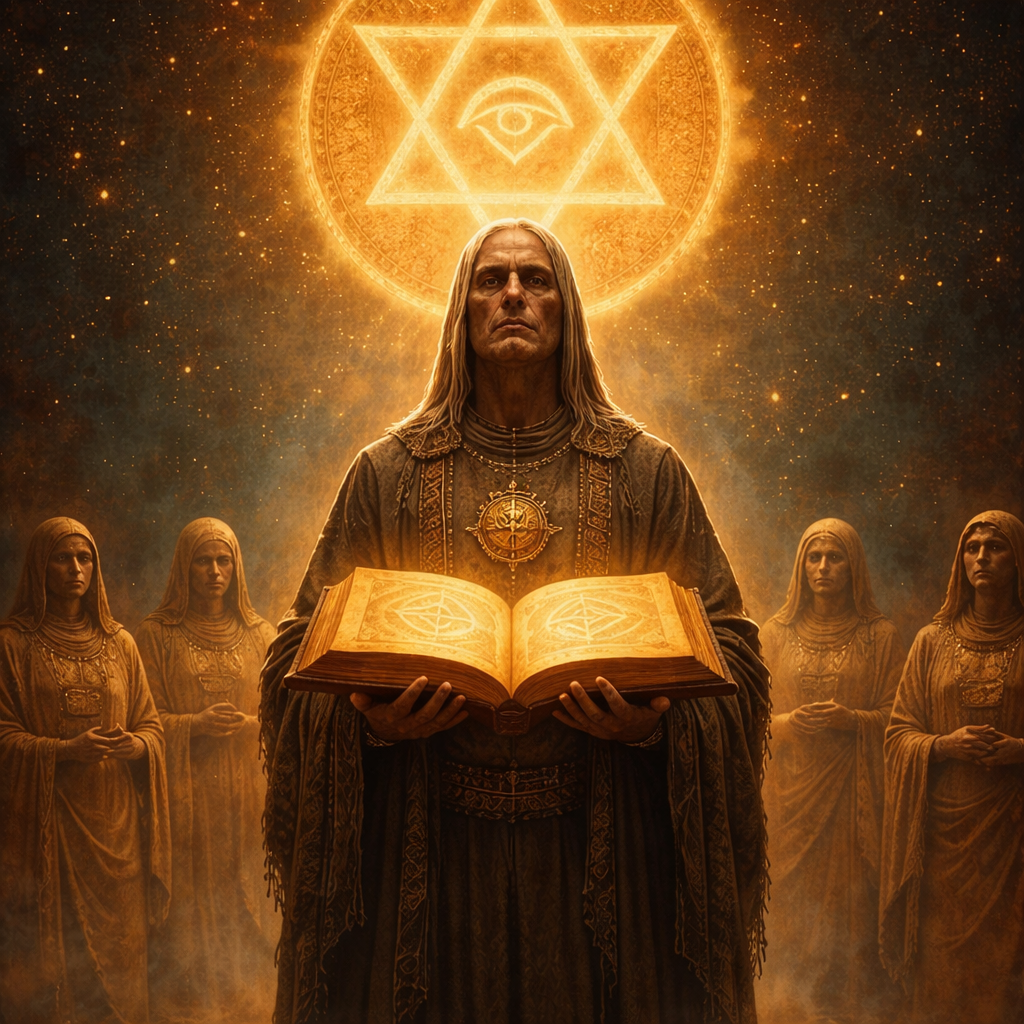

Review by Cassian Rothmann (Senior Critic, Ancient Wisdom) — 'The Way of Flame' by Avram Davis is a luminous exposition of Kabbalistic principles, meticulously crafted for the dedicated spiritual aspirant. Davis navigates the labyrinthine depths of Jewish mysticism with scholarly precision and profound devotional insight. He elucidates complex concepts such as the Sefirot and the divine emanations with remarkable clarity, making the esoteric accessible without sacrificing its inherent mystery. This work is particularly strong in its practical application, offering meditations and contemplative exercises that foster genuine spiritual growth. 'The Way of Flame' is an indispensable resource for serious students of Kabbalah and anyone seeking to deepen their contemplative practice within a Jewish framework.
📝 Description
62
Avram Davis’s 'The Way of Flame' deciphers Kabbalistic symbolism and practices for spiritual ascent.
Published in 2011, Avram Davis's 'The Way of Flame' examines the esoteric dimensions of Jewish mysticism. The book deciphers the symbolism and practices at the core of Kabbalah, aiming to guide readers toward spiritual ascent and divine communion. Davis moves beyond purely theoretical concepts, offering practical advice for cultivating inner stillness, enhancing contemplative prayer, and developing a more vibrant spiritual existence. The work reflects reverence for ancient traditions while addressing the modern seeker's desire for genuine connection.
This book serves as a guide for understanding the mystical foundations of Judaism. It also explores the transformative potential of meditation and the cultivation of the divine spark within oneself. 'The Way of Flame' highlights the persistent human drive for spiritual understanding and the pursuit of Gnosis.
This work is situated within the tradition of Kabbalah, a school of Jewish mysticism that originated in medieval Europe. Kabbalah interprets the relationships between the divine, the created universe, and humanity, often through mystical interpretations of the Torah. Its teachings explore concepts like the sefirot (divine emanations), the nature of God, and methods for achieving spiritual union. 'The Way of Flame' engages with these core Kabbalistic ideas, seeking to make them accessible for contemporary spiritual practice.
💡 Why Read This Book?
Delve into the profound, hidden dimensions of Jewish mysticism. 'The Way of Flame' offers direct pathways to spiritual enlightenment through ancient Kabbalistic practices and contemplative techniques. Ideal for seekers of deeper meaning, practitioners of meditation and prayer, and scholars of esoteric traditions who wish to explore the fiery heart of Jewish spirituality.
⭐ Reader Reviews
Honest opinions from readers who have explored this book.
❓ Frequently Asked Questions
What is the primary focus of 'The Way of Flame'?
The book's primary focus is on the esoteric teachings and contemplative practices of Kabbalah, the mystical tradition within Judaism, guiding readers toward spiritual illumination and divine connection.
Is prior knowledge of Kabbalah required to read this book?
While prior knowledge can enhance understanding, Avram Davis's clear exposition makes 'The Way of Flame' accessible to dedicated beginners as well as seasoned practitioners of Jewish mysticism.
What kind of spiritual practices are discussed?
The book explores various contemplative practices, including meditation, visualization, and devotional prayer, all rooted in Kabbalistic principles and aimed at fostering inner transformation.
How does this book relate to Jewish prayer and devotion?
'The Way of Flame' integrates Kabbalistic insights with traditional Jewish prayers and devotional practices, offering a richer, more mystical dimension to these sacred expressions.
What is the 'flame' metaphor in the context of this book?
The 'flame' symbolizes divine inspiration, spiritual fervor, the burning desire for Gnosis, and the transformative power of divine presence within the contemplative journey.
🔮 Key Themes & Symbolism
The Ascent of the Soul
This theme explores the Kabbalistic concept of the soul's journey through various spiritual realms, guided by divine emanations and the practitioner's own transformative efforts. It examines the idea of reaching higher states of consciousness, shedding earthly attachments, and achieving a closer union with the Divine. The 'way of flame' signifies the intense, purifying passion that fuels this ascent, burning away impurities and useful the path towards ultimate spiritual realization. This journey is not abstract but deeply personal, requiring diligent practice and inner refinement.
Symbolism and Divine Revelation
The book meticulously unpacks the wide range of symbolism inherent in Kabbalistic texts and traditions. From the Hebrew alphabet and the Tree of Life to the divine names and mystical visions, each symbol serves as a gateway to deeper understanding of God's presence and the structure of the cosmos. Davis reveals how these symbols are not mere intellectual constructs but living conduits for divine revelation, offering useful insights into the nature of reality and humanity's place within it. The 'flame' here represents the useful power of these symbols.
Contemplative Practice and Inner Fire
Fundamentally, , 'The Way of Flame' is a practical guide to cultivating a profound inner life through Kabbalistic contemplation. It offers techniques for stilling the mind, focusing intention, and invoking divine presence, fostering a state of ecstatic prayer and deep meditative awareness. The 'flame' is the inner fire of devotion, the burning desire for truth, and the active presence of the Divine within the practitioner's heart. This theme emphasizes that true mysticism is an embodied experience, ignited through consistent spiritual effort and unwavering faith.
💬 Memorable Quotes
Direct passages from the work, attributed to the author.
“In stillness, the fiery whispers of Gnosis are heard.”
— It highlights the importance of meditative silence for receiving divine wisdom, suggesting that spiritual truths are revealed not through noise but through inner quietude.
“The Tree of Life is a map of the Divine journey.”
— This emphasizes the symbolic and pedagogical function of the Kabbalistic Tree of Life, portraying it as a schematic for understanding spiritual progression and cosmic order.
“Devotion is the fuel that ignites the inner flame.”
— This underscores the active role of heartfelt commitment and passionate engagement in spiritual practice, essential for awakening one's inner spiritual potential.
“Each letter holds a spark of the primordial light.”
— It speaks to the profound mystical significance attributed to the Hebrew alphabet in Kabbalah, where letters are seen as vessels of divine energy and creation.
💡 Key Ideas
Editorial paraphrase of the work's core concepts — not direct quotes.
The flame of the soul yearns for the Divine fire.
This quote expresses the core Kabbalistic idea of an inherent spiritual longing within the human soul, a passionate desire to return to its Divine source.
🌙 Esoteric Significance
Tradition
This work is deeply rooted in the Kabbalah, the esoteric mystical tradition of Judaism. It explores its central tenets, including the concept of Ein Sof (the Infinite God), the Sefirot (divine emanations), and the intricate relationship between the macrocosm and the microcosm. The book emphasizes the practical application of these teachings for spiritual growth, focusing on contemplative prayer, meditation, and the pursuit of divine knowledge (Gnosis) within a Jewish framework.
Symbolism
The text meticulously deciphers the profound symbolism inherent in Kabbalistic lore. Key symbols like the Hebrew alphabet, the Tree of Life (Etz Chaim), divine names, and mystical visions are presented not as mere allegories but as sacred keys to unlocking divine mysteries. These symbols serve as conceptual bridges, allowing the practitioner to visualize abstract spiritual concepts and facilitate a direct, intuitive connection with the Divine essence and the structure of creation.
Modern Relevance
In an age often characterized by spiritual searching and a desire for deeper meaning, 'The Way of Flame' offers a timeless path. Its emphasis on inner contemplation, mindful prayer, and the cultivation of a personal connection with the Divine resonates powerfully with modern seekers across various backgrounds. The book provides a structured yet profoundly personal approach to spiritual development, demonstrating how ancient Kabbalistic wisdom can illuminate contemporary life and foster a more profound, meaningful existence.
👥 Who Should Read This Book
This useful text is essential for dedicated students of Kabbalah and Jewish mysticism, offering useful insights and practical guidance. Scholars of comparative religion and esotericism will find its depth and scholarly approach invaluable. Spiritual seekers of all backgrounds yearning for a more profound connection with the Divine, and practitioners of meditation and contemplative prayer seeking to enrich their practice with ancient wisdom, will discover 'The Way of Flame' to be a transformative and inspiring read.
📜 Historical Context
Avram Davis's 'The Way of Flame' emerges from a wide range of Jewish mystical thought that spans centuries, finding its most systematic expression in Kabbalah during the medieval period, particularly in the Zohar. This era witnessed a profound reinterpretation of Jewish scripture and tradition through a mystical lens, seeking direct experience of the Divine beyond legalistic observance. The intellectual and spiritual climate of post-Sephardic expulsion Spain, the philosophical currents influenced by Neoplatonism, and the yearning for messianic redemption all contributed to the fertile ground from which Kabbalistic ideas blossomed. The tradition continued to evolve through figures like Isaac Luria in Safed, whose teachings deeply influenced later Kabbalistic thought. Davis's work connects this ancient lineage to contemporary seekers, bridging the gap between historical esoteric practice and modern spiritual inquiry.
📔 Journal Prompts
Reflect on a time you felt a 'flame' of inspiration or intense spiritual desire. What was its source, and how did you nurture it?
Explore the symbolism of light in your spiritual life. How does it represent divine presence or understanding for you?
Consider the concept of 'stillness.' What are your personal challenges and successes in achieving inner quietude for contemplation?
How can the Kabbalistic idea of divine emanation inform your understanding of your own creative potential and spiritual purpose?
Write about a prayer or devotional practice that feels particularly potent or 'fiery' for you. What makes it so?
🗂️ Glossary
Kabbalah
The esoteric, mystical tradition of Judaism, seeking to understand the nature of God, creation, and humanity's relationship with the Divine through symbolic interpretation and contemplative practice.
Sefirot
The ten divine emanations or attributes through which God, the Infinite (Ein Sof), reveals Himself and creates the universe, often depicted as the Tree of Life.
Ein Sof
The Kabbalistic concept of the Infinite, the Godhead beyond all comprehension or description, the ultimate, unknowable source of all existence.
Gnosis
Spiritual knowledge or insight, particularly the intuitive or direct apprehension of divine truths, often sought through mystical experience.
Tzimtzum
A Kabbalistic concept referring to God's 'contraction' or withdrawal to make space for creation, a foundational act of divine self-limitation.
This book appears in 1 collection
🔮 Readers Also Liked
Browse all →






More by Avram Davis
All books →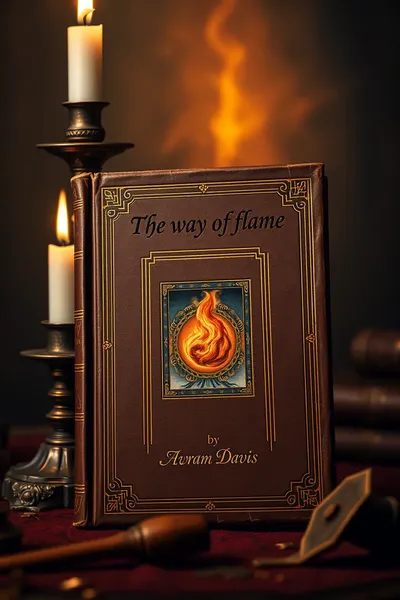
From the “Kabbalah” Collection
View all →







More Free Kabbalah & Jewish Mysticism Books
View all →