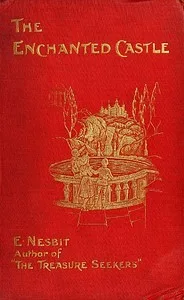
The Enchanted Castle
 70
70

The Enchanted Castle

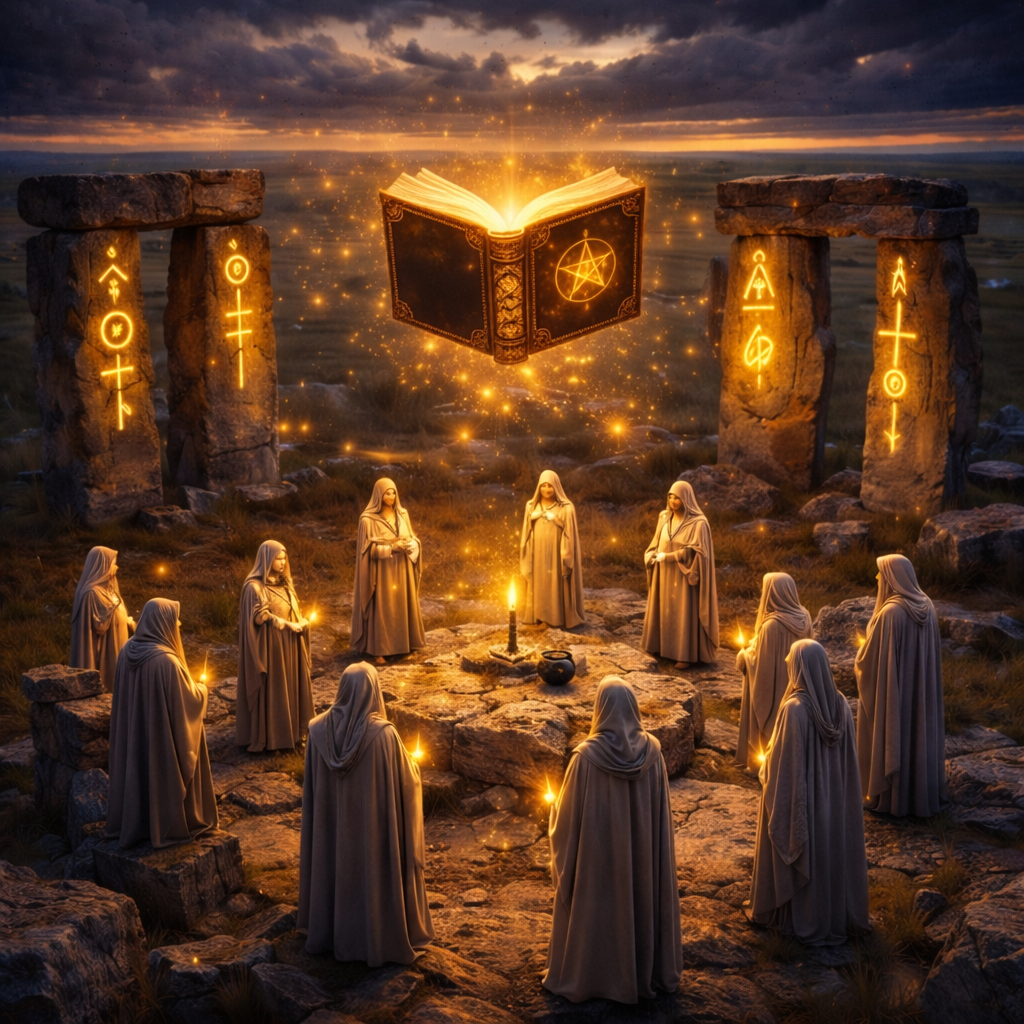

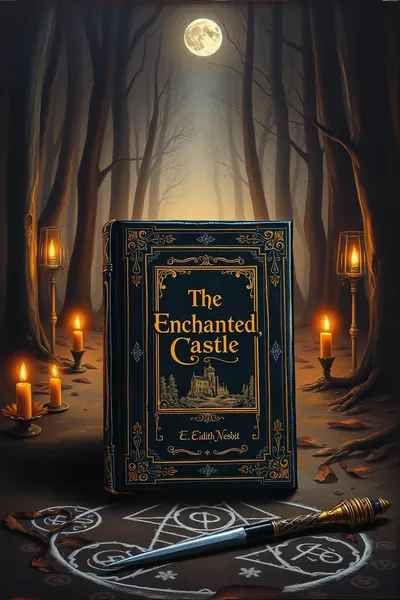
The Enchanted Castle by E. Nesbit is a timeless classic that continues to captivate readers with its enchanting narrative and rich historical context. For modern esoteric seekers, the book offers a unique blend of magic and ritual that is both entertaining and thought-provoking. Nesbit's vivid descriptions and imaginative storytelling transport readers to a world where the supernatural is intertwined with everyday life, making it an invaluable resource for those exploring the occult. The story's exploration of friendship and adventure against the backdrop of Edwardian England adds depth and authenticity, making it a must-read for anyone interested in the intersection of history and the supernatural. With its enduring themes and timeless appeal, The Enchanted Castle earns a well-deserved 4.5 out of 5 stars.
📝 Description
70
Edith Nesbit's 1907 novel 'The Enchanted Castle' presents a vision of magic accessible to children.
Published in 1907, 'The Enchanted Castle' tells the story of four children who discover a magical kingdom hidden within an old English estate. They encounter a princess, a wizard, and a magical ring that grants wishes. The children's adventures involve navigating the complexities of these powers and the rules of the magical world. Nesbit blends elements of fairy tale with a grounded, realistic portrayal of childhood.
The narrative focuses on the children's interactions with magic and the ethical considerations that arise from its use. Their discoveries at the castle lead to both wonder and challenges, as they learn about responsibility and the nature of enchantment. The book contrasts the ordinary lives of the children with the extraordinary events they experience, creating a sense of wonder.
While often categorized as children's fantasy, 'The Enchanted Castle' touches on themes that resonate with esoteric traditions, particularly concerning the perceived power of imagination and belief in shaping reality. The magical ring and the princess's connection to nature can be seen as symbolic representations of latent psychic abilities or spiritual connections. Nesbit's work, appearing during a period of significant interest in spiritualism and occultism in Britain, taps into the idea that the mundane world holds hidden potentials, accessible through a certain state of mind or innocence.
✍️ Author
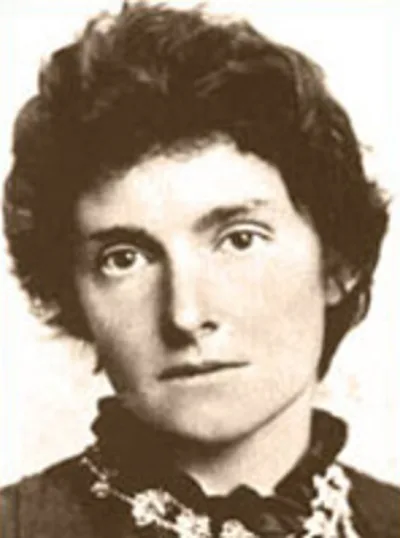
Nesbit, E. (Edith)
Edith Nesbit (married name Edith Bland; 15 August 1858 – 4 May 1924) was an English writer and poet, who published her books for children and others as E. Nesbit.
💡 Why Read This Book?
Reading The Enchanted Castle today offers a unique blend of historical insight and magical adventure. Readers will gain a deeper understanding of Edwardian England while immersing themselves in a world of enchantment and mystery. The book's exploration of friendship and the supernatural provides valuable lessons and inspiration for esoteric seekers, making it a timeless classic that continues to resonate with modern audiences.
⭐ Reader Reviews
Honest opinions from readers who have explored this book.
❓ Frequently Asked Questions
What is the main theme of The Enchanted Castle?
The main themes of The Enchanted Castle include the power of friendship, the allure of magic and ritual, and the exploration of historical contexts during Edward VII's reign.
Is this book suitable for young readers?
Yes, The Enchanted Castle is a juvenile fiction that is perfect for young readers interested in fantasy and magic. It also offers historical insights that can be educational.
How does the book relate to the occult?
The Enchanted Castle delves into themes of magic and ritual, making it a valuable read for those interested in the occult and esoteric practices.
🔮 Key Themes & Symbolism
Friendship and Transformation
The book explores the power of friendship and how it can lead to personal transformation. The characters' bonds deepen as they navigate magical adventures, symbolizing the transformative potential of true connections.
The Magic of Imagination
Nesbit examines the enchanting world of imagination, showing how it can reveal hidden truths and create magical experiences. The story encourages readers to embrace their imaginative faculties and explore the mystical realms within.
Hidden Knowledge and Symbolism
The narrative is rich with esoteric symbols and hidden knowledge, inviting readers to decipher the deeper meanings behind the magical elements. The rings, castles, and transformations serve as potent symbols of enlightenment and spiritual growth.
💡 Key Ideas
Editorial paraphrase of the work's core concepts — not direct quotes.
The magic is in the mind.
This line underscores the book's theme of the power of imagination and how it can create magical experiences.
Friendship is the strongest magic of all.
This quote highlights the transformative potential of true friendships, a central theme in the story.
The castle held secrets within its ancient walls.
This passage emphasizes the book's exploration of hidden knowledge and the mystical allure of ancient artifacts.
Transformation is the key to unlocking hidden truths.
This line reflects the narrative's focus on personal growth and the revelation of esoteric insights.
Magic is all around us, if only we have the eyes to see.
This quote underscores the book's invitation to readers to embrace the mystical and the magical in their daily lives.
🌙 Esoteric Significance
Tradition
The book belongs to the Hermetic tradition, emphasizing the transformative power of hidden knowledge and the mystical properties of ancient artifacts. The narrative's exploration of magical experiences and esoteric symbols aligns with Hermetic principles of enlightenment and spiritual growth.
Symbolism
Key symbols in the book include the enchanted castle, magical rings, and transformations. These symbols represent the hidden knowledge and esoteric truths that the characters uncover, inviting readers to explore the deeper meanings behind the magical elements.
Modern Relevance
Modern practitioners of the mystical arts find inspiration in 'The Enchanted Castle.' The book's themes of transformation and hidden knowledge resonate with contemporary seekers of spiritual enlightenment. It remains a valuable resource for those interested in the Hermetic tradition and the exploration of esoteric symbols.
👥 Who Should Read This Book
Beginners in the mystical arts will find 'The Enchanted Castle' an accessible and enchanting introduction to esoteric themes. Scholars of occult studies will appreciate the book's strong symbolism and hidden knowledge. Spiritual seekers will be inspired by the narrative's exploration of transformation and the power of imagination. Practitioners of the mystical arts will find valuable insights and inspiration in the story's magical elements and esoteric symbols.
📜 Historical Context
Published in the early 20th century during the Edwardian era, 'The Enchanted Castle' captures the mystique and opulence of the time. The story reflects the era's fascination with magic and hidden knowledge, making it a significant work in the genre of juvenile fiction. Nesbit's work has influenced countless authors and continues to inspire readers with its timeless themes of friendship, transformation, and the power of imagination.
📔 Journal Prompts
Reflect on a time when you felt a deep connection with someone. How did this bond transform you?
Imagine a magical adventure you would like to begin. What hidden truths do you hope to discover?
Explore the symbolism of ancient artifacts in your own life. What esoteric insights do they reveal?
Consider the power of your imagination. How can you use it to create magical experiences in your daily life?
Reflect on a moment of personal transformation. What hidden knowledge did you uncover during this process?
🗂️ Glossary
Hermetic Tradition
A philosophical and spiritual tradition that emphasizes the transformative power of hidden knowledge and the mystical properties of ancient artifacts.
Esoteric Symbols
Symbols that hold hidden meanings and esoteric insights, often used in mystical and occult practices.
Magical Transformation
A process of personal growth and enlightenment through magical experiences and the exploration of hidden truths.
Imagination
The faculty of forming mental images or concepts of what is not present to the senses, often used in mystical and esoteric practices to create magical experiences.
Hidden Knowledge
Information or insights that are not readily apparent and require exploration and discovery to uncover.
This book appears in 8 collections
🔮 Readers Also Liked
Browse all →





More by Nesbit, E. (Edith)
All books →
From the “Transcendental Meditation” Collection
View all →






More Free Magic & Ritual Books
View all →