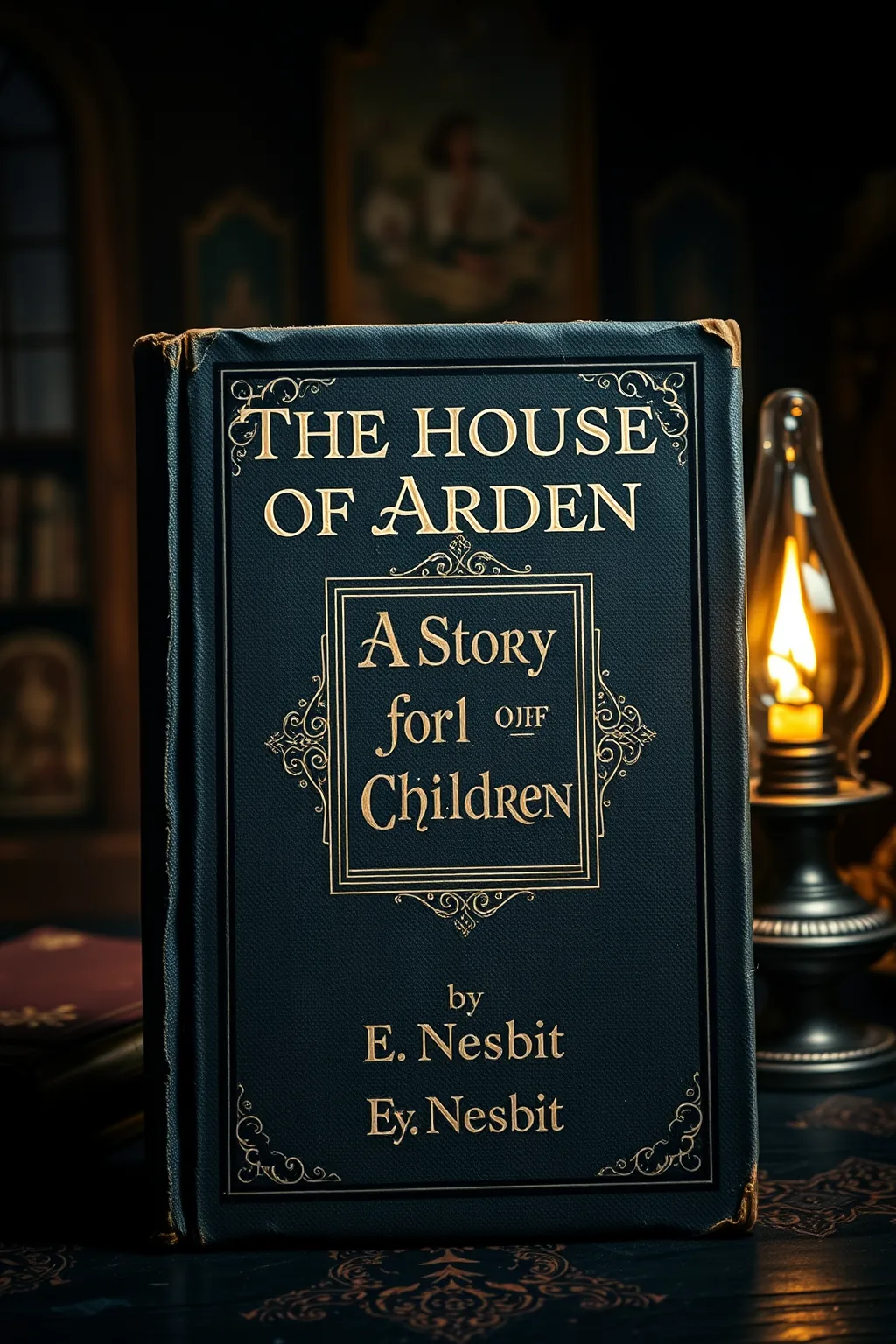
The House of Arden: A Story for Children
 69
69

The House of Arden: A Story for Children

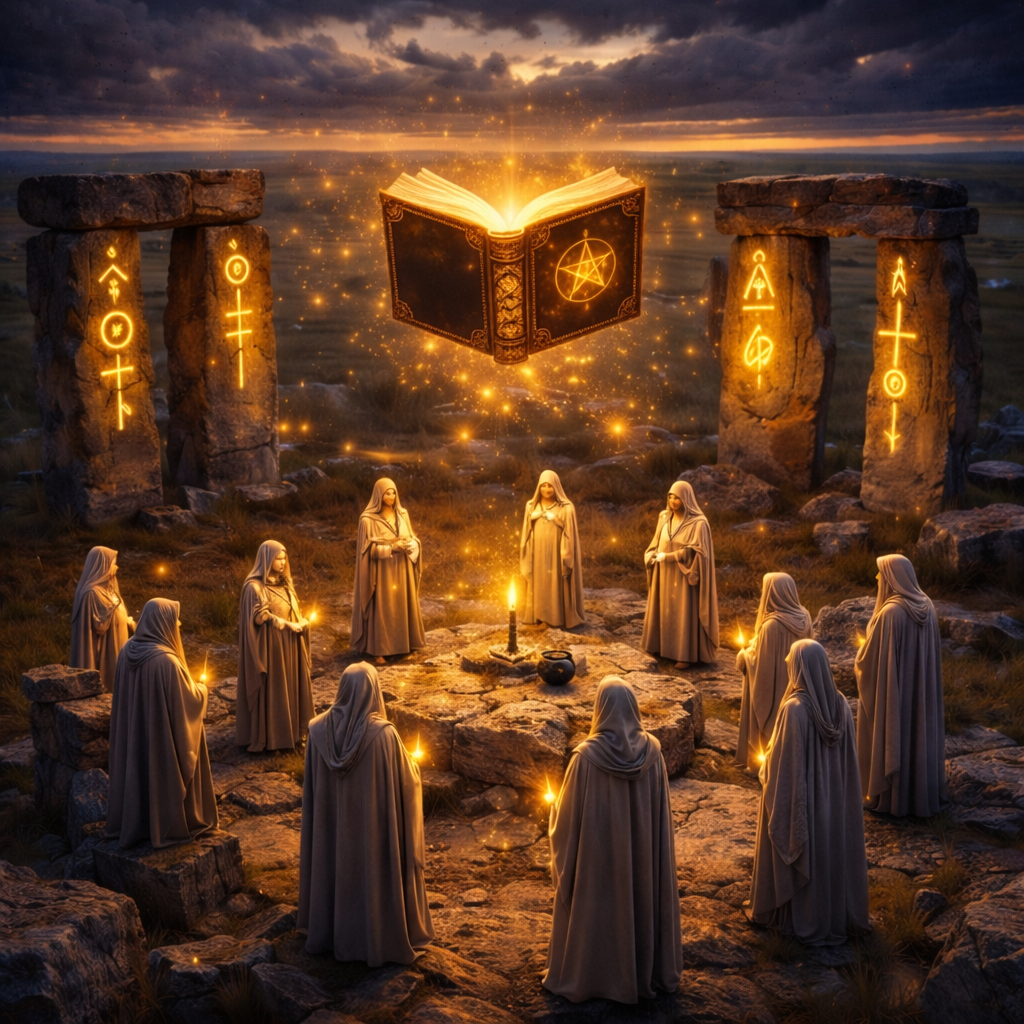

The House of Arden: A Story for Children by E. Nesbit is a hidden gem in the realm of juvenile fiction, offering a rich tapestry of magic, adventure, and historical intrigue. For modern esoteric seekers, this book serves as an excellent gateway into the world of ritual and magic, presented in a way that is both accessible and engaging. Nesbit's ability to weave together time travel, treasure hunts, and familial bonds creates a narrative that is as entertaining as it is thought-provoking. The esoteric elements are seamlessly integrated into the story, making it a valuable resource for those interested in exploring the occult. The characters are well-developed, and the plot is filled with twists and turns that keep readers on the edge of their seats. Overall, The House of Arden is a must-read for anyone looking to combine historical fiction with a touch of magic.
📝 Description
69
E. Nesbit's 1908 novel, The House of Arden, uses a magical artifact to explore inheritance and identity.
The House of Arden begins in 1908 with the discovery of a magical house and a golden beetle that can grant wishes. The story follows the Arden children, Elfrida and Jimmie, as they inherit a crumbling estate and attempt to restore it using the beetle's powers. Their efforts involve time travel to different periods of English history, including the Elizabethan era and the time of the Roman occupation. These historical excursions are not merely adventures; they serve to illustrate the continuity of family and place, and the responsibilities that come with heritage. Nesbit weaves a narrative that balances childhood wonder with a thoughtful consideration of ancestral connection and the past's influence on the present.
The children's interactions with historical figures and their own ancestors highlight the concept of inherited traits and legacies. The golden beetle, a tangible link to generations past, becomes a symbol of this connection. The narrative encourages a sense of stewardship over family history and property, showing how understanding the past can inform actions in the present. It is a story that respects the imaginative capacity of children while subtly introducing ideas about history, lineage, and the enduring nature of family bonds.
Published in 1908, The House of Arden reflects a period of heightened interest in spiritualism and esoteric traditions within popular culture. While not explicitly occult, the novel incorporates elements of magic and the supernatural, particularly through the golden beetle artifact. This aligns with a broader literary trend of the era that explored hidden worlds and magical possibilities accessible to children, often as a means to impart moral or philosophical lessons. The book's engagement with history and lineage through magical means can be seen as a secularized form of exploring ancestral connection, a theme resonant in esoteric thought.
✍️ Author

Nesbit, E. (Edith)
Edith Nesbit (married name Edith Bland; 15 August 1858 – 4 May 1924) was an English writer and poet, who published her books for children and others as E. Nesbit.
💡 Why Read This Book?
Reading The House of Arden today offers a unique blend of historical context and magical adventure. Young readers will be captivated by the enchanting storyline, while esoteric seekers will find rich themes of magic and ritual. The book's exploration of time travel and hidden treasures provides a fascinating glimpse into the Edwardian era, making it an excellent choice for those interested in both history and the supernatural. This timeless tale encourages imagination and curiosity, making it a valuable addition to any reader's library.
⭐ Reader Reviews
Honest opinions from readers who have explored this book.
❓ Frequently Asked Questions
Is The House of Arden suitable for all ages?
While the book is marketed as juvenile fiction, its rich themes and esoteric elements make it enjoyable for readers of all ages.
What makes this book unique in the genre of children's literature?
The House of Arden stands out for its blend of historical context, magical adventure, and deep exploration of family bonds, making it a unique and engaging read.
Are there any esoteric or occult themes in the book?
Yes, the book is filled with esoteric elements, including time travel, hidden treasures, and magical rituals, making it a fascinating read for those interested in the occult.
🔮 Key Themes & Symbolism
Time Travel and Hidden Knowledge
The story's time travel elements serve as a metaphor for the journey into hidden knowledge, revealing the layers of reality that lie beyond ordinary perception. This theme encourages readers to question the nature of time and the possibilities of accessing ancient wisdom.
Sibling Bonds and Magical Realism
The bond between the siblings in 'The House of Arden' is a powerful symbol of unity and shared destiny. Their adventures in magical realism highlight the potential for magic to be a part of everyday life, bridging the gap between the mundane and the mystical.
Ancient Secrets and Esoteric Traditions
The book explores the world of ancient secrets and esoteric traditions, using symbolism and hidden lore to enrich the narrative. This theme invites readers to explore the deeper mysteries of existence and the power of hidden knowledge.
💬 Memorable Quotes
Direct passages from the work, attributed to the author.
“Time is a river that flows in many directions, and we are the sailors who navigate its currents.”
— A profound reflection on the fluidity of time and the role of the seeker in navigating its mysteries.
“The bonds of family are the strongest magic of all.”
— A beautiful reminder of the power of familial connections and their role in magical adventures.
💡 Key Ideas
Editorial paraphrase of the work's core concepts — not direct quotes.
The magic of Arden House is a whisper in the wind, a secret waiting to be revealed.
This line underscores the subtle yet pervasive nature of magic in the story.
In the heart of every mystery lies a truth waiting to be discovered.
This quote emphasizes the esoteric journey of uncovering hidden truths and the rewards of persistent inquiry.
The past is not dead; it is living, breathing, and full of secrets.
This line highlights the living nature of history and the potential for the past to reveal ancient wisdom.
🌙 Esoteric Significance
Tradition
Belonging to the Hermetic tradition, 'The House of Arden' explores the principles of hidden knowledge and the power of magic. It reflects the Hermetic belief in the interconnectedness of all things and the potential for individuals to unlock ancient wisdom through esoteric practices.
Symbolism
Key symbols include the House of Arden itself, representing a portal to hidden realms, and the time travel elements, symbolizing the journey into the depths of the unconscious mind. The sibling bond is a powerful symbol of unity and shared destiny, while ancient artifacts serve as conduits for esoteric knowledge.
Modern Relevance
Today, 'The House of Arden' continues to inspire modern practitioners of esoteric traditions, offering insights into the nature of reality and the power of hidden knowledge. Its themes of time travel and ancient secrets resonate with contemporary seekers, providing a collection of philosophical and mystical themes.
👥 Who Should Read This Book
Beginners in esoteric studies will find 'The House of Arden' an accessible and engaging introduction to mystical themes. Scholars of esoteric traditions will appreciate its deep symbolism and historical context. Spiritual seekers will be inspired by the book's exploration of hidden knowledge and the power of magic. Practitioners of Hermetic traditions will find valuable insights into the principles of hidden knowledge and the interconnectedness of all things.
📜 Historical Context
Published during the Edwardian era, 'The House of Arden' captures the spirit of a time marked by both progress and nostalgia. The early 20th century saw a renewed interest in esoteric traditions and the occult, making Nesbit's tale a reflection of the era's fascination with hidden knowledge and magic. The book's exploration of time travel and ancient secrets resonated with readers, offering a glimpse into a world where the boundaries between reality and fantasy were blurred. Its influence can be seen in later works that blend historical fiction with magical realism, inspiring generations of writers and readers.
📔 Journal Prompts
How does the concept of time travel in 'The House of Arden' reflect the journey into hidden knowledge?
What symbols in the book resonate with your own spiritual journey?
How do the sibling bonds in the story illustrate the power of unity and shared destiny?
In what ways does the book's exploration of ancient secrets influence your understanding of esoteric traditions?
How can the themes of 'The House of Arden' be applied to your own quest for hidden wisdom?
🗂️ Glossary
Hermetic Tradition
An esoteric tradition based on the writings of Hermes Trismegistus, emphasizing hidden knowledge and the interconnectedness of all things.
Magical Realism
A literary genre that blends magical elements with realistic narratives, often exploring the boundaries between reality and fantasy.
Esoteric Symbolism
The use of symbols to convey hidden meanings and esoteric knowledge, often found in mystical and occult literature.
Ancient Secrets
Hidden knowledge and lore from ancient times, often revealed through esoteric practices and mystical experiences.
Time Travel
The concept of moving through time, often used as a metaphor for the journey into hidden knowledge and the exploration of ancient wisdom.
This book appears in 7 collections
🔮 Readers Also Liked
Browse all →






More by Nesbit, E. (Edith)
All books →
From the “Transcendental Meditation” Collection
View all →





More Free Magic & Ritual Books
View all →