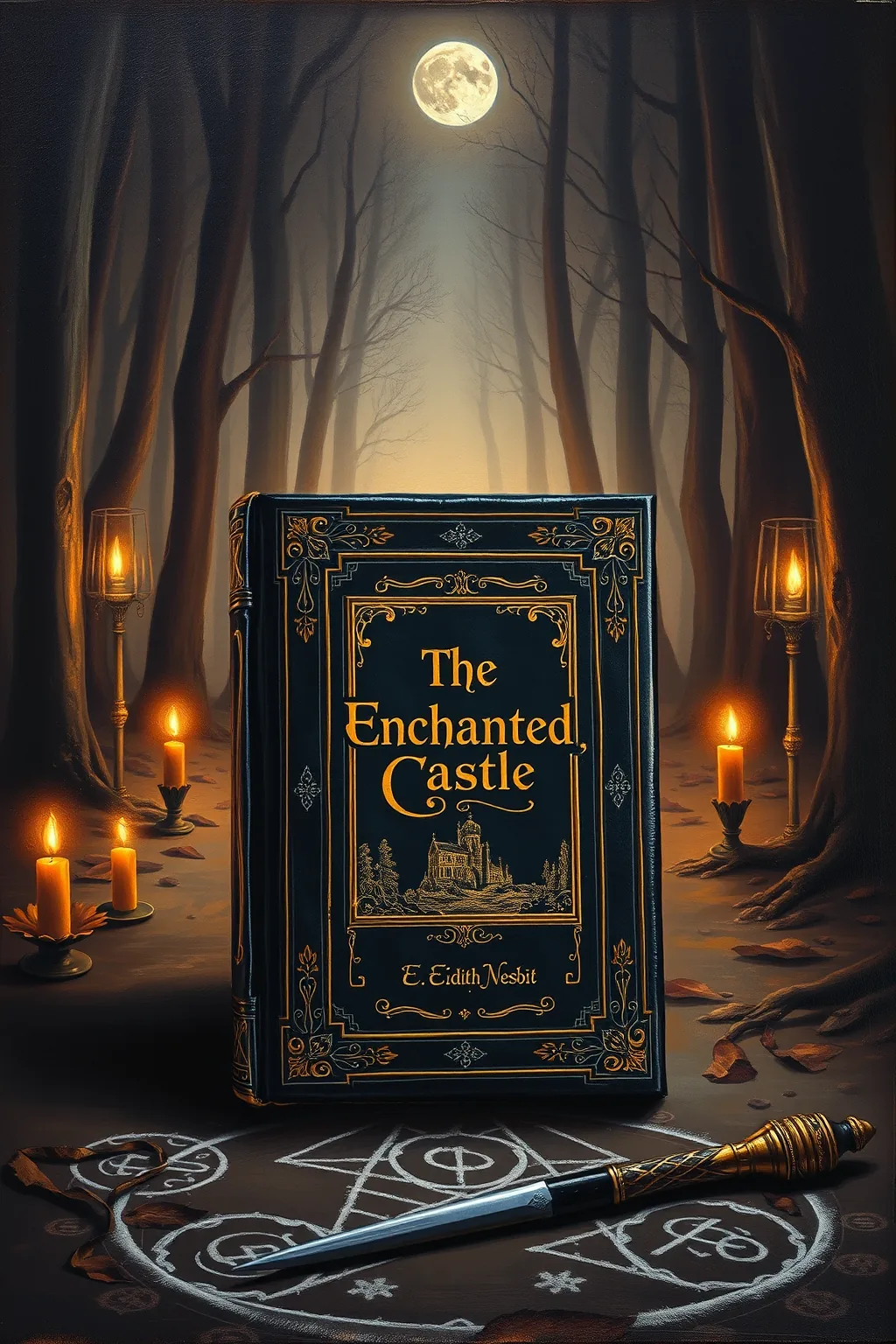
The Enchanted Castle
 76
76

The Enchanted Castle

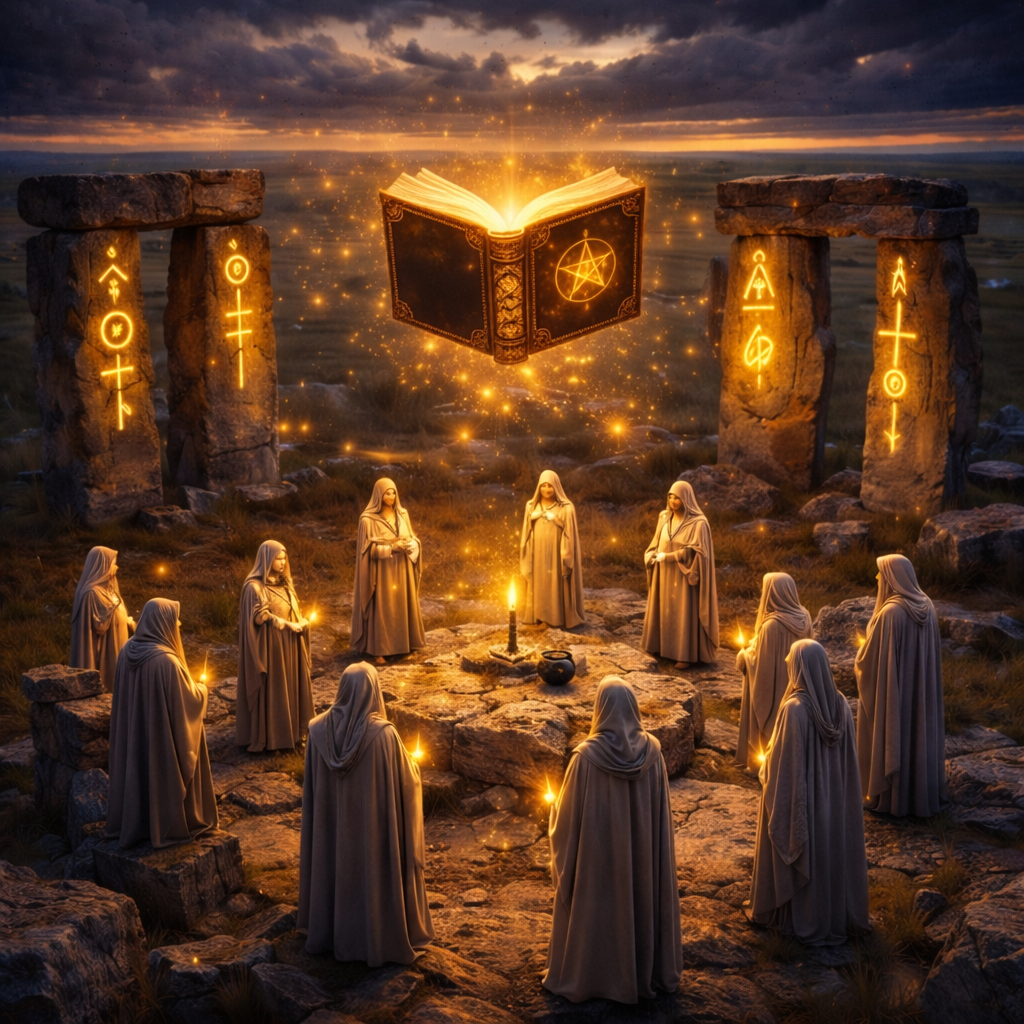

The Enchanted Castle by E. Nesbit is a hidden gem for those interested in the esoteric and occult. Published in 1907, this children's book offers a charming and imaginative exploration of magic and ritual that remains relevant today. Nesbit's storytelling is both whimsical and insightful, making it an excellent choice for modern esoteric seekers. The book's themes of transformation and the power of belief are particularly resonant, as they encourage readers to consider the magical potential within everyday experiences. The Enchanted Castle is a valuable addition to any esoteric library, offering a unique blend of children's literature and magical exploration. The book's enduring appeal lies in its ability to inspire wonder and curiosity, making it a must-read for anyone interested in the esoteric.
📝 Description
76
E. Nesbit published 'The Enchanted Castle' in 1907.
In E. Nesbit's 1907 novel, 'The Enchanted Castle,' three children discover a magical ring and a sleeping princess in a derelict country house. The ring grants wishes, but its magic is unpredictable, often leading to amusing and sometimes chaotic situations. The story follows the children as they learn to control the ring's power, encountering griffins, dragons, and enchantments along the way.
Nesbit uses the fantastical elements to examine the nature of desire and the responsibility that comes with power. The narrative blends humor with moments of genuine magic, creating a world where the ordinary rules of reality do not always apply. It is a story about the imagination and the unexpected adventures that can arise from it, set against the backdrop of a seemingly ordinary English summer.
Published in 1907, 'The Enchanted Castle' emerged during a period of significant interest in spiritualism and the occult in Britain. While primarily a children's fantasy novel, its themes of wish fulfillment and the manifestation of inner desires through magical means align with broader esoteric concepts of sympathetic magic and the power of focused thought. Nesbit’s work reflects a cultural fascination with hidden worlds and the potential for unseen forces to influence reality, a common thread in the period's esoteric literature.
✍️ Author
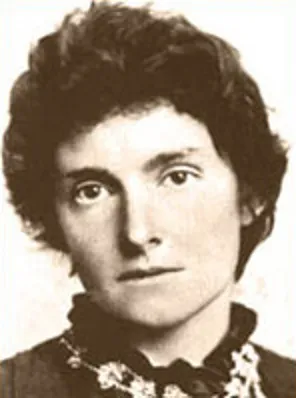
E. (Edith) Nesbit
Edith Nesbit (married name Edith Bland; 15 August 1858 – 4 May 1924) was an English writer and poet, who published her books for children and others as E. Nesbit.
💡 Why Read This Book?
Reading The Enchanted Castle today offers a unique opportunity to explore the intersection of children's literature and esoteric themes. This book provides a gentle introduction to magical concepts and rituals, making it an ideal starting point for those new to the esoteric. For experienced seekers, it offers a fresh perspective on the enduring fascination with magic. The book's timeless themes of imagination and transformation make it a valuable addition to any esoteric library.
⭐ Reader Reviews
Honest opinions from readers who have explored this book.
❓ Frequently Asked Questions
Is The Enchanted Castle suitable for all ages?
While The Enchanted Castle is categorized as children's literature, its esoteric themes make it appealing to readers of all ages.
What makes this book unique in the genre of magic and ritual?
The Enchanted Castle stands out for its blend of children's adventure and esoteric exploration, making it a unique and engaging read.
Where can I download The Enchanted Castle?
The Enchanted Castle is available for free download in various formats from Esoteric Library.
🔮 Key Themes & Symbolism
The Power of Wishes
The book studies the magical and transformative power of wishes, exploring how they shape reality and the consequences of unchecked desires. This theme invites readers to ponder the philosophical implications of their own wishes and the hidden knowledge they may reveal.
Siblings and Friendship
The bonds between siblings are a central theme, highlighting the strength and support that comes from familial relationships. The esoteric angle lies in the idea that these bonds can be magical in their own right, offering a form of hidden knowledge and protection.
Magical Transformations
The castle itself undergoes magical transformations, symbolizing the potential for change and growth within each individual. This theme encourages readers to consider the esoteric possibilities of transformation and the hidden knowledge that can be uncovered through personal evolution.
💡 Key Ideas
Editorial paraphrase of the work's core concepts — not direct quotes.
A wish is a powerful thing.
This line underscores the esoteric belief in the transformative power of intentions and desires.
The castle seemed to whisper secrets.
This passage highlights the mystical atmosphere and the hidden knowledge that can be found in seemingly ordinary places.
Their bond was stronger than any magic.
This quote emphasizes the esoteric strength of familial and friendly connections, suggesting they hold a magic of their own.
The ring glowed with an inner light.
This line symbolizes the esoteric concept of inner power and the hidden knowledge that can be unlocked through magic.
They discovered a world beyond their imagination.
This passage invites readers to explore the esoteric possibilities of the imagination and the hidden knowledge it can reveal.
🌙 Esoteric Significance
Tradition
The book belongs to the Hermetic tradition, emphasizing the transformative power of magic and the hidden knowledge that can be uncovered through wishes and imagination. It aligns with the idea that reality can be shaped by our intentions and desires.
Symbolism
Key symbols include the magical ring, representing the power of wishes and the esoteric potential within each individual. The castle itself symbolizes the hidden knowledge and transformative possibilities that can be found within us.
Modern Relevance
Today, 'The Enchanted Castle' continues to inspire seekers and practitioners of the esoteric arts, offering insights into the power of imagination and the consequences of unchecked desires. Modern practitioners use its themes to explore personal transformation and the hidden knowledge within.
👥 Who Should Read This Book
Beginners in the mystical arts will find 'The Enchanted Castle' an accessible introduction to esoteric themes and symbolism. Scholars of literature and the occult will appreciate its body of hidden knowledge and philosophical insights. Spiritual seekers will be drawn to its exploration of the power of wishes and the transformative potential of imagination. Practitioners of magic and ritual will find valuable lessons in the consequences of unchecked desires and the strength of familial bonds.
📜 Historical Context
Published in 1907, 'The Enchanted Castle' reflects the literary trends of the Edwardian era, characterized by a fascination with fantasy and the supernatural. Nesbit's work was influential in shaping children's literature, blending magical elements with realistic settings. The book's enduring appeal lies in its timeless exploration of childhood imagination and the esoteric themes that resonate with readers across generations.
📔 Journal Prompts
Reflect on a time when you made a wish. What did you learn from the experience?
How do the bonds between siblings or close friends influence your magical practices?
Imagine a place that holds hidden knowledge for you. What secrets might it reveal?
Consider the consequences of unchecked desires. How can you balance your wishes with responsibility?
Explore the idea of magical transformations. What changes do you seek in your life, and how can you manifest them?
🗂️ Glossary
Hermetic Tradition
A philosophical and spiritual tradition that emphasizes the transformative power of magic and the hidden knowledge within each individual.
Esoteric Symbolism
Symbols that hold hidden meanings and are used to convey mystical or occult concepts.
Magical Transformation
The process of changing one's reality through the power of intention, imagination, and ritual.
Hidden Knowledge
Information or insights that are not readily apparent and require deeper understanding or revelation to uncover.
Familial Bonds
The strong connections and support systems found within families, which can be seen as a form of magical protection and strength.
This book appears in 6 collections
🔮 Readers Also Liked
Browse all →


More by E. (Edith) Nesbit
All books →
From the “Transcendental Meditation” Collection
View all →





More Free Magic & Ritual Books
View all →