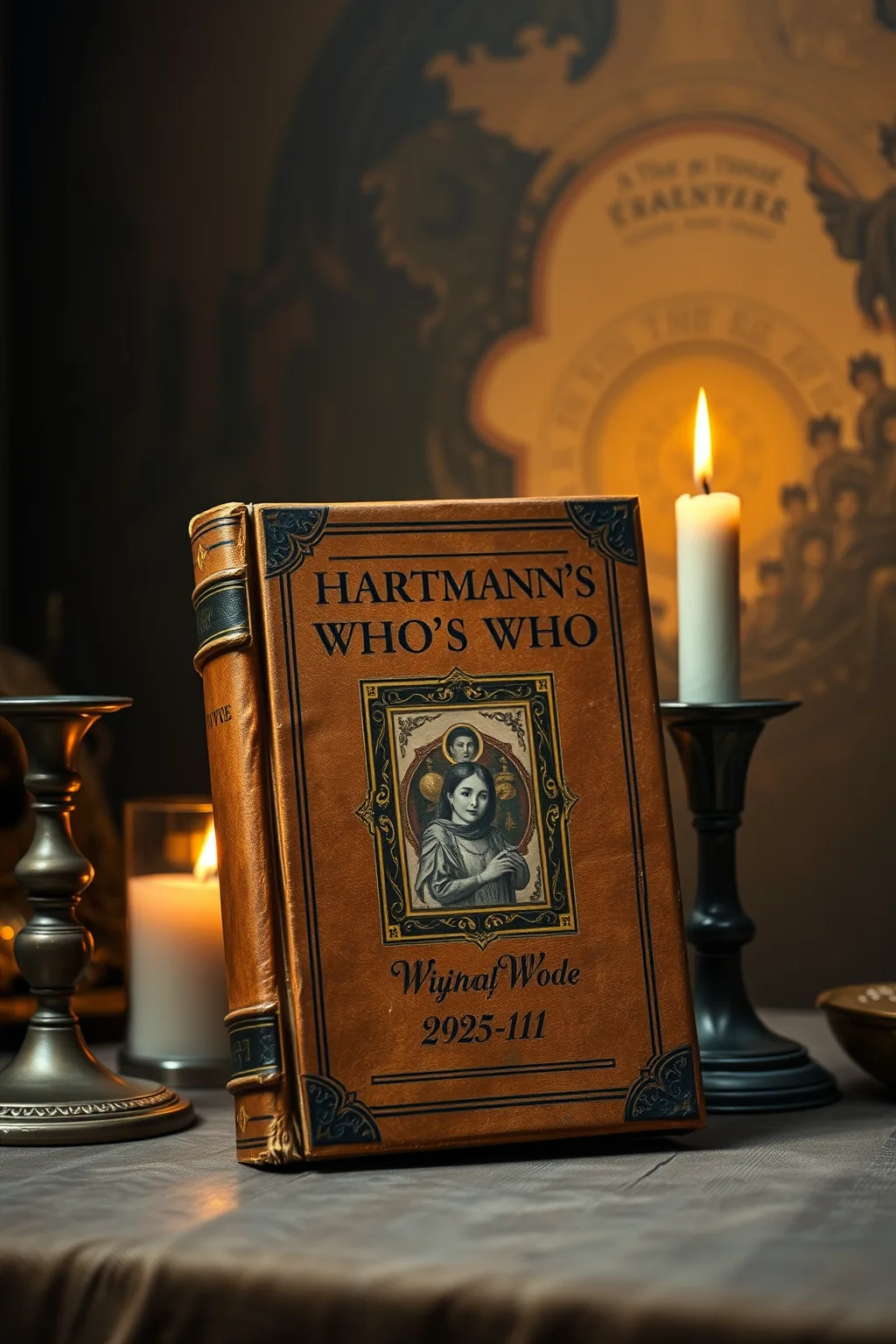
Hartmann's Who's Who in Occult, Psychic, and Spiritual Realms 1925-11
 81
81

Hartmann's Who's Who in Occult, Psychic, and Spiritual Realms 1925-11

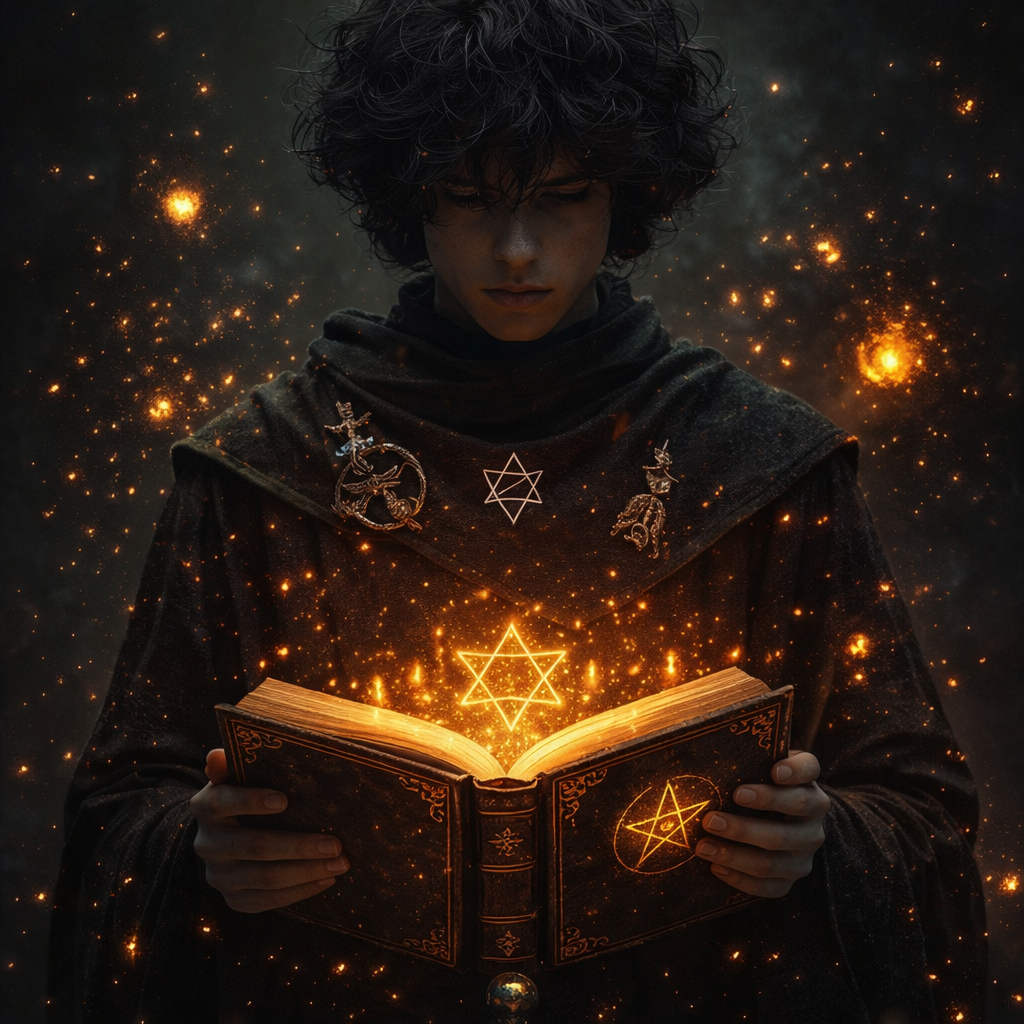

Hartmann's Who's Who in Occult, Psychic, and Spiritual Realms 1925-11 is a treasure trove for anyone interested in the esoteric and spiritual movements of the early 20th century. The book provides meticulous biographies of key figures, offering a deep dive into their contributions to the occult and psychic realms. For modern esoteric seekers, this text serves as a historical roadmap, illustrating the foundations upon which contemporary spiritual practices and beliefs are built. The detailed entries and the context they provide are invaluable for understanding the evolution of spiritual thought. The book's strength lies in its thorough research and the author's evident passion for the subject matter. It is a must-read for those looking to enrich their knowledge of esoteric history and its enduring impact.
📝 Description
81
Hartmann's Who's Who in Occult, Psychic, and Spiritual Realms 1925-11 lists individuals active in esoteric circles.
This 1925-11 directory compiles biographies of individuals prominent in occult, psychic, and spiritual movements of the early 20th century. It details their affiliations, writings, and contributions to various esoteric traditions. The book serves as a historical record of figures who shaped these fields during that era. Readers will find information on practitioners and theorists across a range of spiritual and mystical disciplines. It aims to document the people behind the ideas that interested many at the time.
The compendium presents a snapshot of the esoteric scene, covering figures associated with spiritualism, theosophy, magic, and other related philosophies. The entries highlight the connections and activities within these communities. It is a resource for understanding the social and intellectual networks of esotericists in the specified period. The work does not offer interpretation but rather factual accounts of the listed individuals.
Published around 1925, this directory emerged during a period of intense interest in spiritualism, occultism, and alternative philosophies. It reflects the proliferation of esoteric societies and individual practitioners seeking knowledge beyond mainstream religious and scientific paradigms. The book documents individuals involved in movements that sought to understand hidden realities, psychic phenomena, and ancient wisdom traditions. It is a product of an era where the boundaries between psychology, religion, and the supernatural were actively being redefined by a growing counterculture.
💡 Why Read This Book?
Reading Hartmann's Who's Who in Occult, Psychic, and Spiritual Realms 1925-11 today offers a unique opportunity to explore the roots of modern esoteric practices. This book provides historical context and insights into the lives of influential figures in the occult and spiritual realms, helping readers understand the development of spiritual movements. It is an essential read for anyone interested in the history of esoteric thought and its ongoing influence on contemporary spirituality.
⭐ Reader Reviews
Honest opinions from readers who have explored this book.
❓ Frequently Asked Questions
What is the significance of Hartmann's Who's Who in Occult, Psychic, and Spiritual Realms 1925-11?
This book is significant because it provides a comprehensive directory of notable figures in the occult, psychic, and spiritual communities of the 1920s, offering insights into the spiritual landscape of the era.
Who should read this book?
This book is ideal for occult enthusiasts, spiritual seekers, and historians of esoteric traditions who are interested in understanding the evolution of spiritual thought and its enduring influence.
How does this book contribute to the study of esoteric history?
The book contributes by providing detailed biographies and historical context, illustrating the foundations of contemporary spiritual practices and beliefs.
🔮 Key Themes & Symbolism
Occult Figures
This theme studies the lives and contributions of key figures in the occult world, providing readers with a deeper understanding of their influence and legacy. It explores the hidden knowledge and esoteric practices that these individuals have contributed to, making it a rich resource for those interested in the mystical and arcane.
Spiritual Symbolism
The theme of spiritual symbolism is central to this book, as it examines the various symbols and their meanings within the spiritual and occult realms. This theme invites readers to explore the deeper layers of symbolism and how it connects to the mystical experiences and practices described in the book.
Esoteric Knowledge
This theme focuses on the esoteric knowledge that has been passed down through generations, providing readers with insights into the hidden wisdom that shapes our understanding of the world. It explores the philosophical significance of this knowledge and how it can be applied to modern spiritual and occult practices.
💡 Key Ideas
Editorial paraphrase of the work's core concepts — not direct quotes.
The occult is not merely a set of beliefs, but a living tradition.
This quote underscores the idea that the occult is a dynamic and evolving field, rich with practices and beliefs that have stood the test of time.
Spiritual symbols hold the key to unlocking the mysteries of the universe.
This line highlights the importance of symbolism in spiritual and occult practices, suggesting that understanding these symbols can lead to deeper spiritual insights.
The seeker of truth must be willing to venture into the unknown.
This quote encourages readers to explore the mysteries of the occult and spiritual realms, emphasizing the importance of curiosity and courage in the pursuit of esoteric knowledge.
The wisdom of the ages is hidden in plain sight.
This line suggests that esoteric knowledge is all around us, waiting to be discovered by those who are willing to look beyond the surface.
The path to enlightenment is paved with symbolism and mystery.
This quote emphasizes the role of symbolism and mystery in the journey towards spiritual enlightenment, inviting readers to embrace the unknown and the arcane.
🌙 Esoteric Significance
Tradition
This book belongs to the Hermetic tradition, which emphasizes the pursuit of hidden knowledge and the exploration of the occult and spiritual realms. It draws on various esoteric practices and beliefs, providing a body of mystical insights.
Symbolism
Key symbols in this book include the pentacle, the hexagram, and various astrological symbols, each holding deep mystical meanings. These symbols are integral to the practices and beliefs described in the book, serving as keys to unlocking the mysteries of the universe.
Modern Relevance
This book remains relevant today, as modern practitioners and scholars continue to draw on its insights and historical context. It is a valuable resource for those exploring the occult, psychic, and spiritual realms, offering a bridge between the past and the present.
👥 Who Should Read This Book
This book is ideal for beginners who are curious about the occult and spiritual realms, as well as scholars and practitioners who seek to deepen their understanding of esoteric traditions. Spiritual seekers will find it a rich source of inspiration and insight, while those interested in the historical context of the occult will appreciate its comprehensive coverage. Whether you are a novice or an experienced explorer of the mystical, this volume offers a wealth of knowledge and wisdom.
📜 Historical Context
The 1920s were a time of significant cultural and spiritual exploration, marked by a growing interest in the occult and mystical practices. 'Hartmann's Who's Who in Occult, Psychic, and Spiritual Realms 1925-11' was written during this era, capturing the essence of the mystical zeitgeist. The book's importance lies in its comprehensive coverage of key figures and practices, providing a snapshot of the esoteric field of the time. Its influence can still be seen in modern occult and spiritual studies, making it a valuable historical resource.
📔 Journal Prompts
Reflect on a key figure from the occult world and their contributions to mystical practices.
Explore the symbolism in your own spiritual journey and how it connects to the themes in this book.
Consider the role of hidden knowledge in your understanding of the world and its significance.
Write about a mystical experience that has shaped your spiritual beliefs and practices.
Reflect on the importance of curiosity and courage in the pursuit of esoteric knowledge.
🗂️ Glossary
Occult
The study of hidden or secret knowledge, often involving mystical and supernatural practices.
Esoteric
Knowledge that is intended for a small group of people who have special knowledge or training.
Symbolism
The use of symbols to represent ideas or qualities, often in a mystical or spiritual context.
Hermetic
Relating to the teachings of Hermes Trismegistus, emphasizing the pursuit of hidden knowledge and spiritual enlightenment.
Spiritual Realms
The non-physical dimensions of existence, often explored through mystical and esoteric practices.
🔮 Readers Also Liked
Browse all →








From the “Out-of-Body Experience” Collection
View all →








More Free Occult Philosophy Books
View all →