What are Incantations?
Incantations are spoken or chanted words, often rhythmic and repetitive, intended to produce a magical or supernatural effect. They are found across cultures and throughout history, appearing in religious rituals, folk magic, and literary works. The power attributed to incantations stems from the belief in the efficacy of specific words, sounds, and intentions to influence the unseen world or manifest desired outcomes.
Best Books for Complete Beginners
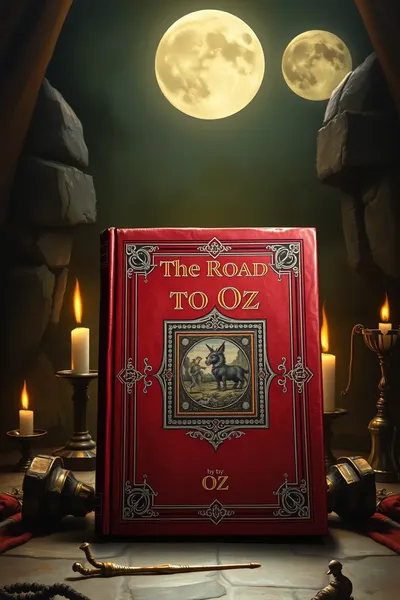
For those new to the subject, L. Frank Baum's Oz books offer a gentle introduction to magical language and enchanted speech within a narrative framework. 'The Enchanted Castle' by E. Nesbit (1907) similarly combines spells and magical utterances into a charming children's story. Lady Wilde's 'Ancient legends, Mystic Charms & Superstitions of Ireland' (1888) presents a collection of traditional charms and beliefs, offering accessible examples of folkloric incantations. These texts provide a foundational understanding of magical language in accessible, imaginative contexts.
Intermediate Reading
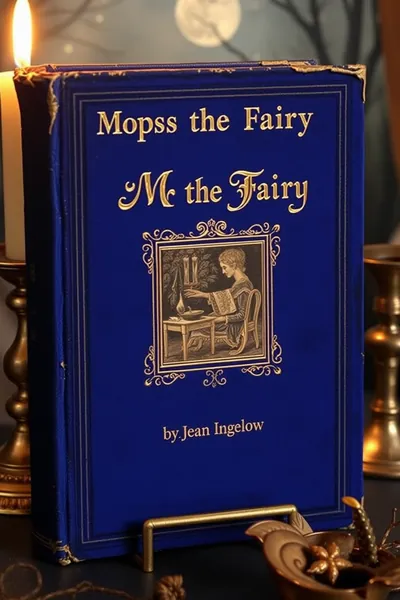
Moving into intermediate texts, Algernon Blackwood's 'A Prisoner in Fairyland' (1913) explores more complex themes of otherworldly communication and enchantment. Jean Ingelow's 'Mopsa the Fairy' (1869) presents a fairy tale rich with magical dialogue and spells. Laurence Housman's 'Princess Badoura: A tale from the Arabian Nights' (1903) examines the body of magical narratives from the Middle East, often featuring potent incantations. These works engage with incantations as integral plot devices and explore their narrative potential.
Classical / Advanced Texts
Advanced study requires engaging with primary grimoires and foundational literary epics. 'The Lesser Key of Solomon' (likely compiled in the 17th century) is a seminal text detailing ceremonial magic, including complex invocations and conjurations. William Henry Frost's 'The Knights of the Round Table: Stories of King Arthur and the Holy Grail' (1903) contains narratives steeped in Arthurian legend, where enchantments and spoken magic are central. Edmund Spenser's 'Tales from Spenser, Chosen from the Faerie Queene' (1590-1596) offers a high-fantasy epic filled with allegorical magic and potent verbal spells.
Reading Order — Step by Step
Begin with L. Frank Baum's 'The Lost Princess of Oz' and E. Nesbit's 'The Enchanted Castle' for an introduction to magical language in fiction. Progress to Lady Wilde's 'Ancient legends, Mystic Charms & Superstitions of Ireland' to understand folkloric roots. In month two, explore Algernon Blackwood's 'A Prisoner in Fairyland' and Jean Ingelow's 'Mopsa the Fairy' for narrative depth. By month three, tackle foundational works like 'The Lesser Key of Solomon' and Spenser's 'The Faerie Queene' for a deeper dive into ritual and epic magic.
Frequently Asked Questions
Which incantation book should I read first?
For a gentle introduction, start with E. Nesbit's 'The Enchanted Castle' or L. Frank Baum's 'The Lost Princess of Oz'. These books tie magical language into engaging stories without demanding prior knowledge of ritual.
Are there practical incantation books for beginners?
For practical applications, Charles Godfrey Leland's 'Gypsy Sorcery and Fortune Telling' offers documented examples of charms and spells from traditional practices, providing insight into their structure and use.
What is the difference between an incantation and a charm?
An incantation is a broader term for spoken magical words. A charm is a type of incantation, often shorter and focused on protection, luck, or a specific minor effect, sometimes tied to a physical object.
Where can I find historical incantations?
Historical incantations are found in ancient texts, folklore collections like Lady Wilde's 'Ancient legends, Mystic Charms & Superstitions of Ireland', and specific grimoires such as 'The Lesser Key of Solomon'.
How do incantations work in literature?
In literature, incantations function as plot devices to demonstrate magical power, reveal character, or drive the narrative. Authors use them to create atmosphere and imbue their fictional worlds with enchantment.
Is 'The Lesser Key of Solomon' suitable for beginners?
'The Lesser Key of Solomon' is an advanced text for serious students of ceremonial magic. It requires a foundational understanding of occult principles and is not recommended for casual beginners due to its complex rituals and demanding nature.