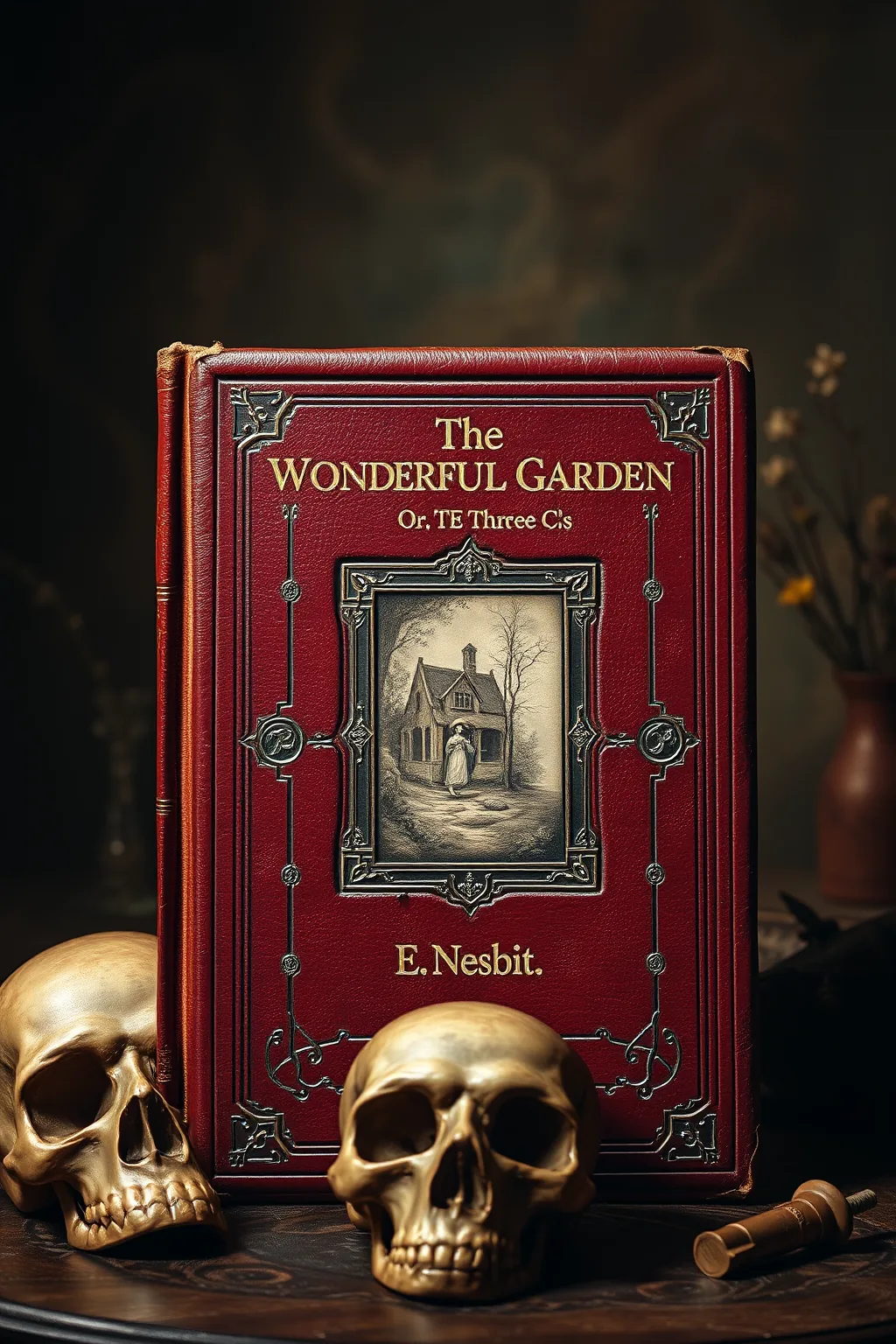
The Wonderful Garden; or, The Three Cs
 69
69

The Wonderful Garden; or, The Three Cs

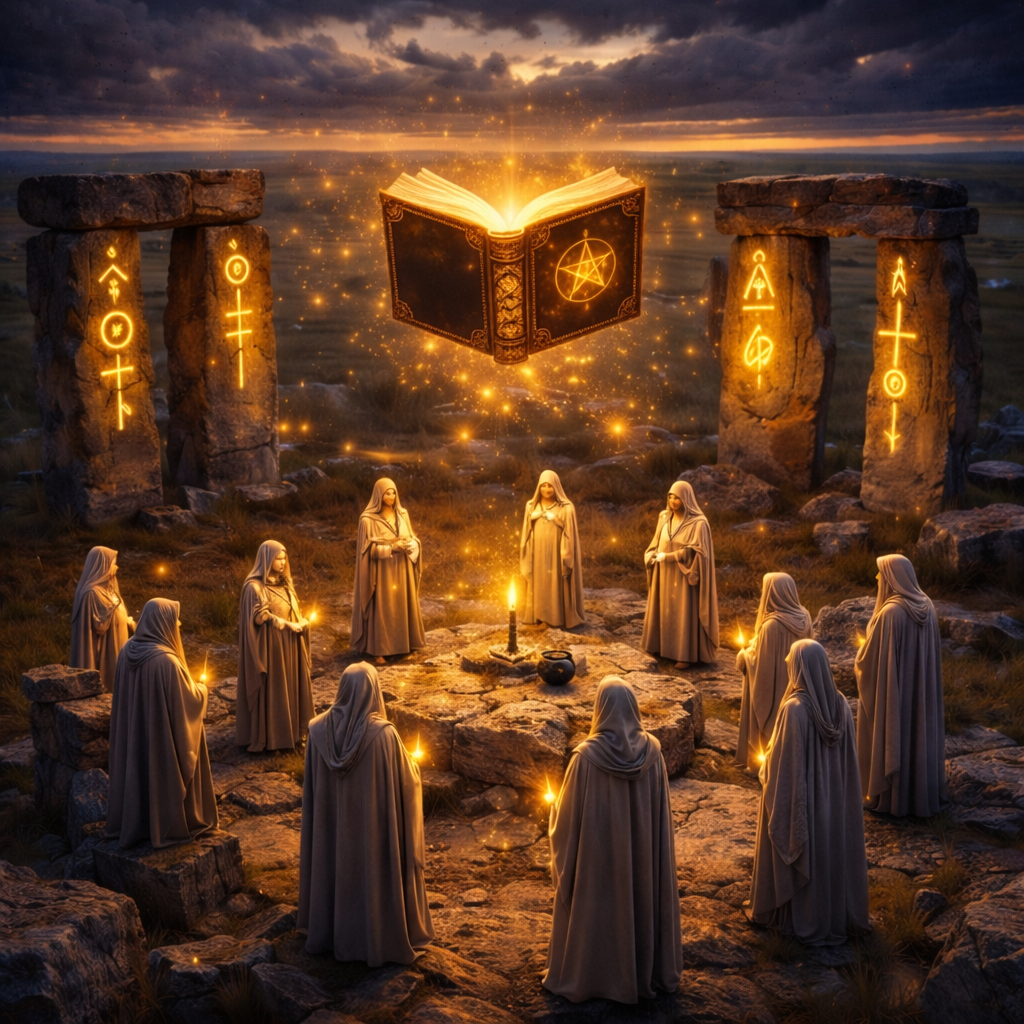

The Wonderful Garden; or, The Three Cs by E. Nesbit is a delightful blend of juvenile fiction and esoteric themes that continues to captivate readers today. Published in 1858, this timeless classic takes young readers on a magical journey through a hidden garden, where they encounter enchanting rituals and mystical flowers. Nesbit's storytelling is infused with a sense of wonder and curiosity, making it an ideal read for both children and adults interested in the occult. The book's exploration of friendship, nature, and the power of imagination is both heartwarming and thought-provoking. For modern esoteric seekers, The Wonderful Garden offers a unique perspective on the intersection of magic and literature, providing a rich tapestry of symbolism and ritual. The narrative's ability to blur the lines between reality and fantasy makes it a valuable addition to any esoteric library. The book's enduring appeal lies in its timeless themes and enchanting storytelling, making it a must-read for anyone interested in the magical and the mysterious.
📝 Description
69
E. Nesbit's 'The Wonderful Garden; or, The Three Cs' was first published in 1911.
E. Nesbit wrote 'The Wonderful Garden; or, The Three Cs' in 1911. The story follows children who discover a magical garden with a seemingly ordinary appearance. Within its walls, they find that wishes can come true, but not always as expected. The garden itself becomes a character, responding to the children's desires and teaching them lessons about responsibility and the nature of happiness. The narrative explores the consequences of unchecked wishing and the importance of understanding one's true needs.
The children's adventures in the garden reveal hidden aspects of their personalities and relationships. Nesbit uses the magical setting to examine themes of childhood innocence, the allure of power, and the eventual understanding that true fulfillment comes from within. The book balances moments of childlike wonder with a subtle commentary on human nature.
Published in 1911, 'The Wonderful Garden' touches on themes common in the early 20th-century interest in the occult and spiritualism. While not explicitly occult, the book engages with the idea of hidden powers and the manifestation of desires, concepts explored in various esoteric traditions of the time. The magical garden acts as a controlled environment where the children's inner lives are externalized, mirroring some principles found in Western esotericism concerning the mind's creative power and the relationship between the inner and outer worlds.
✍️ Author

Nesbit, E. (Edith)
Edith Nesbit (married name Edith Bland; 15 August 1858 – 4 May 1924) was an English writer and poet, who published her books for children and others as E. Nesbit.
💡 Why Read This Book?
The Wonderful Garden; or, The Three Cs by E. Nesbit is a timeless classic that offers readers a unique blend of juvenile fiction and esoteric themes. By reading this book, you will gain a deeper understanding of the power of imagination and the allure of the occult. The narrative's exploration of friendship, nature, and magical rituals provides a rich tapestry of symbolism and ritual, making it an invaluable resource for esoteric seekers. Whether you are a fan of classic children's literature or an enthusiast of the occult, this book offers a captivating journey into a world where the boundaries between reality and fantasy blur.
⭐ Reader Reviews
Honest opinions from readers who have explored this book.
❓ Frequently Asked Questions
What is the main theme of 'The Wonderful Garden; or, The Three Cs'?
The main themes of the book include the power of friendship, the wonder of nature, and the allure of the occult. The narrative follows three children who discover a hidden garden filled with magical flowers and mystical rituals, symbolizing their personal growth and discovery of hidden knowledge.
Is this book suitable for modern readers?
Yes, The Wonderful Garden; or, The Three Cs is suitable for modern readers, especially those interested in the intersection of magic and literature. The book's timeless themes and enchanting storytelling make it a valuable addition to any esoteric library.
What makes this book unique in the realm of juvenile fiction?
This book stands out due to its rich exploration of esoteric themes within a juvenile context. The narrative's ability to blur the lines between reality and fantasy, along with its symbolic and ritualistic elements, makes it a unique and captivating read for both children and adults.
🔮 Key Themes & Symbolism
The Power of Imagination
The garden serves as a realm where the imagination runs wild, revealing the hidden potential within each character. This theme underscores the idea that the mind is a powerful tool for uncovering esoteric truths and transforming one's reality.
Friendship and Transformation
The bonds between the characters evolve as they read through the garden, symbolizing the transformative power of friendship and the importance of mutual support in the journey of self-discovery.
Symbolism of Nature
Every element in the garden, from the flowers to the creatures, carries a deeper symbolic meaning. This theme encourages readers to look beyond the surface and explore the mystical connections between nature and the self.
💡 Key Ideas
Editorial paraphrase of the work's core concepts — not direct quotes.
In the garden, every flower whispered secrets to those who listened.
This line highlights the garden's role as a repository of hidden knowledge, accessible to those who are open to its mysteries.
Friendship blossomed in the garden, as did the hearts of its visitors.
This quote underscores the transformative power of friendship, nurtured within the magical confines of the garden.
The garden was a place of wonder, where the impossible became possible.
This passage emphasizes the garden's role as a sanctuary of esoteric wisdom, where the boundaries of reality are expanded.
Each step taken in the garden revealed a deeper truth about oneself.
This quote illustrates the garden's function as a mirror to the soul, reflecting the inner journey of self-discovery.
The magic of the garden was not just in its beauty, but in its ability to transform.
This line underscores the garden's role as a catalyst for personal and spiritual growth.
🌙 Esoteric Significance
Tradition
This book belongs to the Hermetic tradition, which emphasizes the pursuit of hidden knowledge and the transformation of the self through spiritual practices. Nesbit's use of symbolism and magical elements aligns with Hermetic principles, making it a valuable text for those interested in Hermetic studies.
Symbolism
Key symbols in the book include the garden itself, which represents the area of the unconscious mind, and the flowers, which symbolize the blossoming of inner wisdom. The characters' interactions with these symbols reflect their journey towards self-discovery and enlightenment.
Modern Relevance
Today, 'The Wonderful Garden' remains relevant for modern practitioners of esoteric arts, offering insights into the use of symbolism and the power of imagination. It serves as a reminder of the enduring allure of mystical literature and its ability to inspire personal and spiritual growth.
👥 Who Should Read This Book
Beginners in esoteric studies will find 'The Wonderful Garden' an accessible introduction to the world of hidden knowledge and symbolism. Scholars of esoteric literature will appreciate Nesbit's masterful use of mystical themes. Spiritual seekers will be drawn to the book's exploration of self-discovery and transformation. Practitioners of mystical arts will find valuable insights into the use of symbolism and the power of the imagination.
📜 Historical Context
Published in the early 20th century, 'The Wonderful Garden; or, The Three Cs' reflects the era's fascination with the mystical and the occult. Nesbit's work emerged during a time when esoteric literature was gaining popularity, influenced by the Theosophical Society and the Hermetic Order of the Golden Dawn. The book's exploration of hidden knowledge and symbolism resonated with readers seeking deeper meaning in a rapidly changing world. Its enduring influence can be seen in modern works of fantasy and esoteric literature, where the boundaries between reality and magic continue to blur.
📔 Journal Prompts
Reflect on a time when your imagination led you to discover something new about yourself.
How do the friendships in the story transform the characters, and how can this apply to your own life?
Explore the symbolism of nature in the garden and how it might represent your inner journey.
Consider the role of hidden knowledge in the story and how it might apply to your own quest for understanding.
Think about a magical or mystical experience you've had and how it transformed your perspective.
🗂️ Glossary
Hermeticism
A mystical and philosophical tradition based on the writings attributed to Hermes Trismegistus, emphasizing the pursuit of hidden knowledge and spiritual transformation.
Esoteric Symbolism
The use of symbols to convey hidden or mystical meanings, often found in occult and mystical literature.
Self-Discovery
The process of exploring and understanding one's true nature, often through introspection and spiritual practices.
Magical Realism
A literary genre that incorporates magical elements into otherwise realistic narratives, blurring the line between reality and fantasy.
Theosophical Society
A spiritual movement that seeks to explore and promote the study of comparative religion, philosophy, and science, often incorporating esoteric and mystical elements.
This book appears in 7 collections
🔮 Readers Also Liked
Browse all →




More by Nesbit, E. (Edith)
All books →
From the “Transcendental Meditation” Collection
View all →







More Free Magic & Ritual Books
View all →