The Age of Chivalry
 76
76

The Age of Chivalry



Isolde Whitaker (Sacred Texts Editor) — Thomas Bulfinch's 'The Age of Chivalry' remains an indispensable cornerstone for anyone seeking to understand the esoteric underpinnings of Western myth. Bulfinch masterfully deciphers the symbolic language of Arthurian legend, revealing its deep connections to spiritual quests and the pursuit of higher ideals. This work is not merely a collection of tales; it is an accessible exploration of archetypal journeys and the perennial wisdom embedded within medieval narratives. Its enduring appeal lies in its ability to illuminate the mystical resonance of chivalry, making it an essential read for seekers of esoteric knowledge and students of comparative mythology. A true treasure for the discerning reader.
📝 Description
76
Published in 1858, Thomas Bulfinch's 'The Age of Chivalry' examines Arthurian legend's deeper meanings.
Thomas Bulfinch's 1858 book, 'The Age of Chivalry,' goes beyond simple retellings of Arthurian stories. It looks at the symbolic and spiritual layers within the legends of King Arthur and the Knights of the Round Table. Bulfinch connects the quests for the Holy Grail and the ideals of chivalry to underlying esoteric principles. He treats these medieval tales not as historical artifacts, but as expressions of deeper psychological and spiritual concepts relevant to human aspirations.
The book considers chivalry as a system of symbolic actions and beliefs. It suggests that the valor and pursuit of justice found in these stories reflect enduring human desires for meaning and connection to something sacred. Bulfinch explores how these narratives tap into a collective human experience, revealing patterns of heroism and the search for inner truth within the context of life's challenges. It is presented as a look into the enduring relevance of these myths.
Published in the mid-19th century, 'The Age of Chivalry' emerged during a period of renewed interest in medievalism and occult traditions. Bulfinch approaches Arthurian lore through a lens that seeks hidden meanings, aligning with esoteric thought that views myths and legends as containing deeper psychological and spiritual insights. This perspective treats the stories not just as historical accounts but as symbolic vehicles for exploring universal human experiences and the nature of consciousness, connecting them to broader currents of Romantic and transcendentalist ideas.
✍️ Author
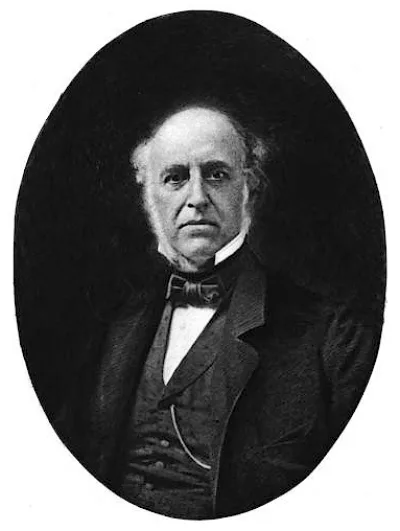
Thomas Bulfinch
Thomas Bulfinch (1796-1867) was an American writer best known for his book Bulfinch's Mythology.
💡 Why Read This Book?
Embark on a journey into the heart of Western esoteric thought by exploring the archetypal narratives of Arthurian legend. 'The Age of Chivalry' offers a profound understanding of heroism, spiritual questing, and the symbolic language of myth. Ideal for seekers of hidden wisdom, scholars of comparative mythology, and practitioners interested in the metaphysical roots of Western culture. Uncover the timeless lessons of virtue and the soul's eternal pursuit.
⭐ Reader Reviews
Honest opinions from readers who have explored this book.
❓ Frequently Asked Questions
What is the core esoteric appeal of 'The Age of Chivalry'?
The book's esoteric appeal lies in its portrayal of chivalric ideals as symbolic representations of spiritual quests. It explores themes of inner transformation, the pursuit of divine truth, and the archetypal journey of the hero, resonating with perennial wisdom traditions.
Is this book suitable for beginners in esoteric studies?
Absolutely. Bulfinch's accessible prose makes complex mythological and symbolic themes understandable for newcomers to esoteric literature, serving as an excellent entry point into Arthurian lore and its deeper meanings.
What makes Bulfinch's retelling unique?
Bulfinch's genius lies in his ability to present these ancient myths with literary grace, revealing their underlying philosophical and spiritual significance without overwhelming the reader. He bridges the gap between historical narrative and profound symbolism.
How does this book relate to the Holy Grail quest?
The Holy Grail quest is presented as the pinnacle of spiritual aspiration within the Arthurian cycle, symbolizing the search for divine enlightenment, spiritual perfection, and ultimate truth, a theme deeply rooted in esoteric traditions.
Can I find this book in other formats?
Yes, 'The Age of Chivalry' by Thomas Bulfinch is widely available in various formats, including print editions and digital versions, often found in collections of mythology and folklore. Many classic editions are available to read online.
🔮 Key Themes & Symbolism
The Archetypal Hero's Journey
This theme explores the universal pattern of the hero's quest as depicted in Arthurian legend. It explores the stages of transformation, the trials faced, and the ultimate attainment of wisdom or spiritual enlightenment. Bulfinch presents these narratives as allegories for the individual's own journey towards self-discovery and fulfillment, echoing perennial wisdom found across various esoteric traditions and psychological frameworks. The trials of Arthur and his knights serve as potent metaphors for overcoming inner obstacles and achieving a higher state of consciousness.
Symbolism of the Sacred and the Divine
The book meticulously unpacks the strong symbolism embedded within medieval romances, particularly focusing on the Holy Grail as a profound esoteric artifact. The Grail represents not just a physical relic but the ultimate symbol of divine grace, spiritual purity, and the quest for ultimate truth. Bulfinch illuminates how these symbols were understood in their historical context and their enduring relevance as conduits to the sacred, inviting readers to contemplate the divine presence within human endeavor and the pursuit of noble ideals.
The Mysticism of Chivalry
Beyond mere tales of knights and battles, 'The Age of Chivalry' reveals the deeply spiritual and mystical dimensions of the chivalric code. It examines the ideals of courage, honor, loyalty, and courtly love not just as social constructs, but as reflections of a higher spiritual order. The knights' devotion, their vows, and their often-mysterious encounters with the supernatural underscore a worldview where the divine and the mundane are intricately intertwined, offering insights into the esoteric pursuit of virtue and the sacredness of earthly actions.
💬 Memorable Quotes
Direct passages from the work, attributed to the author.
“The quest for the Holy Grail symbolizes the soul's ultimate search for divine truth and union.”
— This interpretation reveals the Grail not as a mere cup, but as a potent symbol for the deepest spiritual longing and the arduous journey towards enlightenment and connection with the divine.
“Legend and history are often intertwined, revealing deeper truths.”
— Bulfinch suggests that myths and historical accounts are not mutually exclusive but often serve to convey profound, timeless truths that transcend factual accuracy, speaking to the power of narrative in conveying wisdom.
💡 Key Ideas
Editorial paraphrase of the work's core concepts — not direct quotes.
The age of chivalry is the age of romance.
This quote captures Bulfinch's thesis, suggesting that chivalry was not merely a historical period but an era defined by a profound romantic idealism that elevated the human spirit and its aspirations.
Courage is the first step to the highest achievements.
Highlighting the essential virtue of bravery, this quote underscores the esoteric principle that confronting fears and embracing challenges is fundamental to spiritual growth and the realization of one's potential.
The spirit of knightly adventure inspires noble deeds.
This quote speaks to the enduring influence of chivalric ideals, suggesting that the very stories of adventure and valor can ignite the same noble spirit in readers, encouraging them to strive for excellence.
🌙 Esoteric Significance
Tradition
The esoteric significance of 'The Age of Chivalry' is deeply rooted in the Western Esoteric Tradition, particularly its Arthurian and Grail cycles. It draws parallels with Hermeticism, alchemy, and Christian mysticism, presenting the knights' quests as allegorical pathways to spiritual attainment. The emphasis on virtue, purity, and divine purpose aligns with Gnostic and Neoplatonic ideals of ascending towards the divine. Bulfinch, though writing for a general audience, implicitly guides readers toward understanding these narratives as maps for the soul's journey, echoing the mystical pursuit of gnosis and spiritual perfection.
Symbolism
Key symbols abound, with the Holy Grail standing as the paramount emblem of divine grace, spiritual enlightenment, and the ultimate object of the soul's quest. King Arthur represents the ideal sovereign, embodying justice and order, while the Round Table signifies equality and brotherhood in service of a higher cause. Merlin embodies ancient wisdom and arcane knowledge, acting as a guide and initiator. The very act of questing symbolizes the arduous but necessary journey of self-discovery and spiritual transformation, where trials are tests of character and faith, leading to inner illumination.
Modern Relevance
In an age often characterized by cynicism and materialism, 'The Age of Chivalry' offers a powerful counter-narrative. Its exploration of heroism, virtue, and the pursuit of noble ideals remains profoundly relevant. The archetypal journeys depicted provide timeless wisdom for navigating personal challenges and seeking deeper meaning. For modern seekers, the book serves as a reminder of the enduring power of myth to inspire spiritual growth, foster moral development, and connect us to the perennial wisdom traditions that continue to guide the human soul toward its highest potential and purpose.
👥 Who Should Read This Book
This key work is essential for scholars of comparative mythology and medieval literature seeking a foundational text on Arthurian legend. Spiritual seekers and practitioners of esoteric traditions will find deep wells of symbolism and archetypal wisdom, offering insights into the soul's journey and the pursuit of higher ideals. Beginners to esoteric studies will appreciate Bulfinch's clear prose, making complex mystical themes accessible. Anyone drawn to the romance, adventure, and underlying spiritual currents of the Age of Chivalry will find this book a captivating and enlightening read, bridging the gap between legend and profound metaphysical understanding.
📜 Historical Context
Published in 1858, 'The Age of Chivalry' emerged during the Victorian era, a period marked by a fervent interest in medievalism, romanticism, and a burgeoning curiosity for mythology and folklore. This era saw a strong desire to reconnect with perceived nobler pasts, often idealizing the medieval period for its perceived virtues and romantic allure. Bulfinch's work resonated deeply with this cultural zeitgeist, offering a sophisticated yet accessible exploration of Arthurian legends that had been undergoing a revival through literature and art. The book served as a bridge, making complex medieval narratives and their underlying symbolic meanings available to a wider audience eager to explore the spiritual and cultural heritage of the West. It stands as a proof of the enduring power of myth to shape collective consciousness and inspire.
📔 Journal Prompts
Reflect on a personal 'quest' you are currently undertaking. What are its symbolic challenges and potential spiritual rewards?
How do the ideals of chivalry—honor, loyalty, courage—resonate with or diverge from your own ethical framework?
Consider the Holy Grail as a metaphor. What does 'divine truth' or 'spiritual perfection' mean to you in your life?
In what ways can ancient myths like those of Arthur be seen as maps for navigating modern life's complexities?
Explore the character of Merlin. What does ancient wisdom or intuition represent in your own journey of understanding?
🗂️ Glossary
Arthurian Legend
A body of medieval literature and tradition concerning King Arthur, his knights, and the kingdom of Camelot, rich with themes of chivalry, magic, and spiritual questing.
Knights of the Round Table
The legendary order of knights associated with King Arthur, famed for their bravery, loyalty, and pursuit of noble quests, symbolizing ideal brotherhood and service.
Holy Grail
A mystical artifact in Arthurian lore, often depicted as a cup or dish, symbolizing divine grace, spiritual perfection, and the ultimate object of a spiritual quest.
Chivalry
A medieval knightly system of values and conduct, emphasizing honor, courage, courtesy, and the protection of the weak, often imbued with spiritual and romantic ideals.
Archetype
A recurring symbol, character, or motif in literature and mythology that represents universal patterns of human nature and experience, often with spiritual or psychological significance.
This book appears in 2 collections
🔮 Readers Also Liked
Browse all →









More by Thomas Bulfinch
All books →


From the “Transcendental Meditation” Collection
View all →







More Free Esoteric History & Biography Books
View all →