Thomas Bulfinch
Thomas Bulfinch authored "Bulfinch's Mythology," a popular compilation of classical and medieval legends.
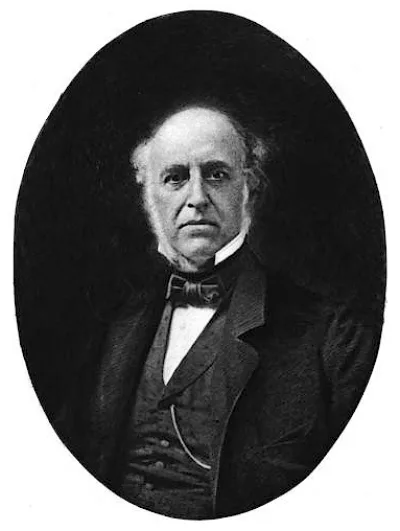
Thomas Bulfinch, born in Massachusetts in 1796, came from an educated family and attended prestigious schools before graduating from Harvard. His professional life was primarily spent in banking. While he did publish a reorganized version of Psalms, he is most recognized for "Bulfinch's Mythology." This work, compiled posthumously, is a collection of his three previous books: "The Age of Fable" (1855), "The Age of Chivalry" (1858), and "Legends of Charlemagne" (1863).
"Bulfinch's Mythology" aimed to make classical and medieval stories accessible to a general audience, particularly those interested in literature. Bulfinch intended the book not as a scholarly text but as an enjoyable read that would help readers understand literary and cultural allusions. His approach involved retelling myths based on classical sources like Ovid and Virgil, as well as Norse myths adapted from other scholars. The compilation, assembled by Edward Everett Hale, covered the Matter of Rome, Britain, and France and was intended as a "Classical Dictionary for the parlor." The work's content was noted as being "expurgated of all that would be offensive."
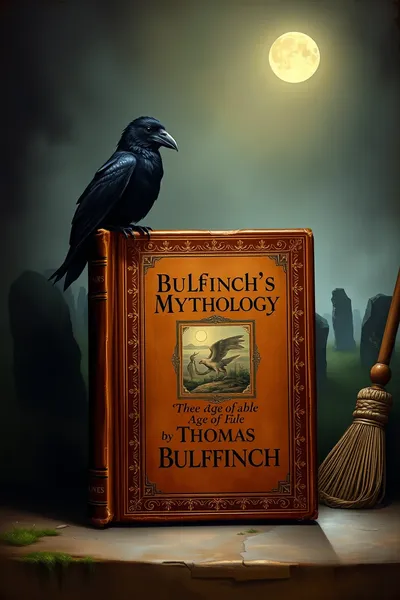
Bulfinch's Mythology
Thomas Bulfinch is primarily remembered for "Bulfinch's Mythology," a compilation of his earlier works published after his death in 1881. This collection brought together "The Age of Fable, or Stories of Gods and Heroes" (1855), "The Age of Chivalry, or Legends of King Arthur" (1858), and "Legends of Charlemagne, or Romance of the Middle Ages" (1863). Bulfinch's stated goal was to popularize mythology and make literary references understandable to the average reader of English literature, aiming for amusement rather than academic study. He described the book as an "attempt to solve this problem, by telling the stories of mythology in such a manner as to make them a source of amusement." The work drew from classical sources like Ovid and Virgil for its Greek and Roman myths, and adapted Norse myths from Paul Henri Mallet's "Northern Antiquities."
Purpose and Reception
Bulfinch explicitly designed "Bulfinch's Mythology" for a broad audience, stating it was "not for the learned, nor for the theologian, nor for the philosopher, but for the reader of English literature." He intended it to serve as a "Classical Dictionary for the parlor," enabling readers to comprehend common allusions in public discourse, literature, and conversation. The book was dedicated to Henry Wadsworth Longfellow and aimed to "impart a knowledge of an important branch of education" through storytelling. The content was carefully selected, with his obituary noting it was "expurgated of all that would be offensive." While his retellings were once widely used in American schools, they were later largely superseded by works based more directly on classical texts.
Key Ideas
- Popularization of mythology for a general audience
- Making classical and medieval literature accessible
- Mythology as a source of amusement and literary understanding
- Providing a reference for common cultural allusions
Notable Quotes
“Our work is not for the learned, nor for the theologian, nor for the philosopher, but for the reader of English literature, of either sex, who wishes to comprehend the allusions so frequently made by public speakers, lecturers, essayists, and poets, and those which occur in polite conversation.”
“an attempt to solve this problem, by telling the stories of mythology in such a manner as to make them a source of amusement. We have endeavored to tell them correctly, according to the ancient authorities, so that when the reader finds them referred to he may not be at a loss to recognize the reference. Thus we hope to teach mythology not as a study, but as a relaxation from study; to give our work the charm of a story-book, yet by means of it to impart a knowledge of an important branch of education. The index at the end will adapt it to the purposes of a reference, and make it a Classical Dictionary for the parlor.”
“attempt to popularize mythology and extend the enjoyment of elegant literature”
“expurgated of all that would be offensive”
Books by Thomas Bulfinch
4 free public domain books · Read online or download