The Age of Fable
 81
81

The Age of Fable



Isolde Whitaker, Sacred Texts Editor, writes: Thomas Bulfinch's 'The Age of Fable' remains an indispensable cornerstone for any serious exploration of classical mythology, particularly for those attuned to its deeper, esoteric currents. Bulfinch masterfully distills complex narratives into an accessible yet profound tapestry, revealing the rich symbolic language that speaks to the soul. He lays bare the archetypal patterns and philosophical inquiries embedded within the stories of gods and heroes, offering insights into human nature and the cosmic order. This volume is a testament to the enduring power of myth as a vehicle for spiritual understanding. Essential for seekers and scholars alike.
📝 Description
81
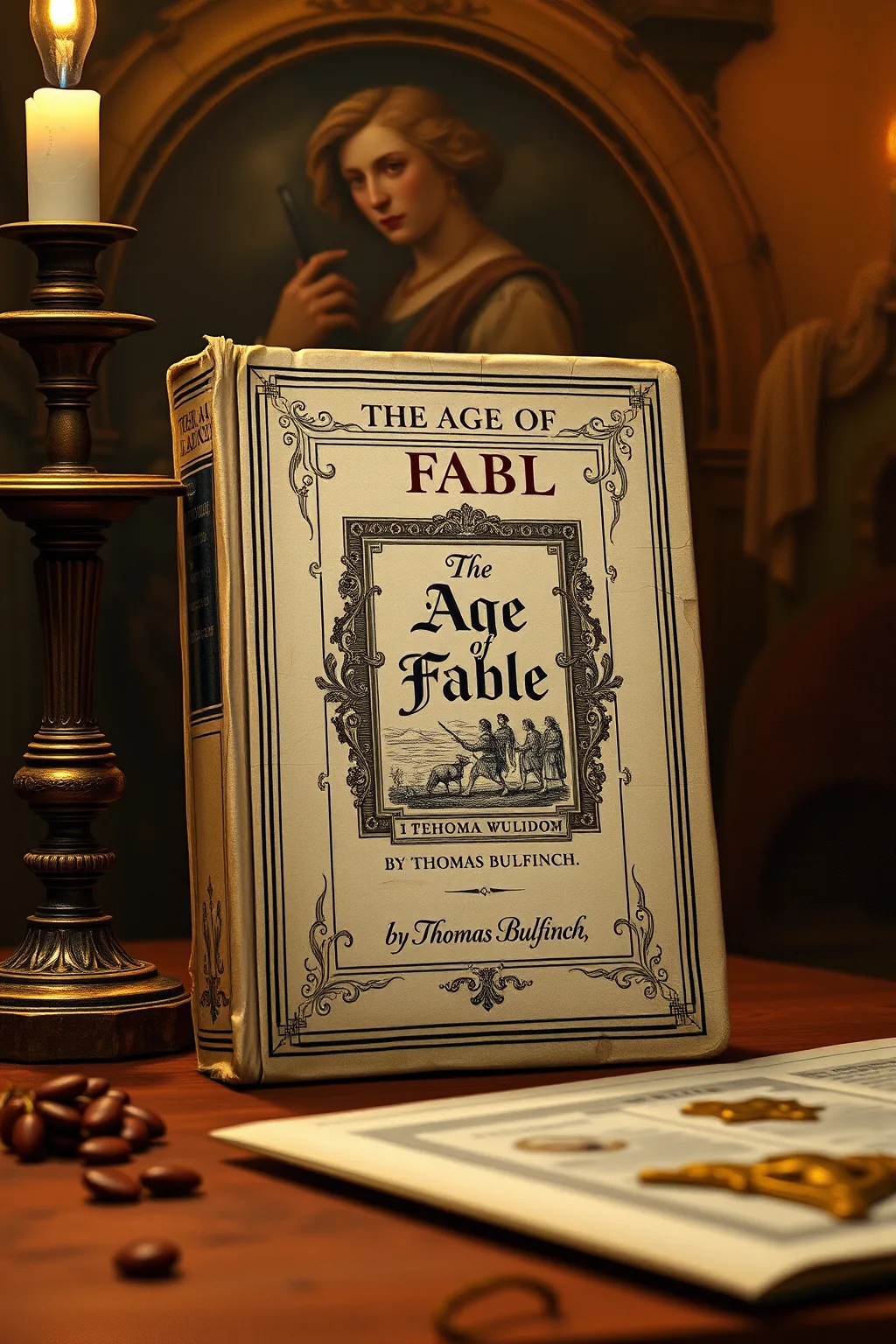
Published in 1855, Thomas Bulfinch's 'The Age of Fable' retells classical myths for a modern audience.
Thomas Bulfinch's 'The Age of Fable,' first published in 1855, presents a comprehensive retelling of Greek and Roman mythology. Bulfinch aimed to make these ancient stories accessible and understandable to a general readership. He organizes the myths by theme and character, detailing the genealogies of the gods, the exploits of heroes like Hercules and Perseus, and the origins of various legends. The book covers figures from the Olympians down to figures in the Arthurian cycle, explaining the symbolic significance of their tales. It functions as a guide to the classical pantheon and its associated narratives, drawing connections between the myths and their perceived meanings. Bulfinch's work became a standard reference for understanding these foundational stories.
While often read as a straightforward collection of myths, 'The Age of Fable' emerged during a period of renewed interest in classical antiquity and its symbolic meanings. Bulfinch's approach, though not overtly occult, tapped into a broader cultural current that saw ancient myths as containing deeper allegorical or philosophical truths. Readers at the time, and later, often interpreted these stories through lenses that sought hidden spiritual or psychological insights, aligning with esoteric traditions that look for universal patterns and archetypes within mythology. The book's popularity suggests a public appetite for understanding these narratives beyond their surface-level plots.
✍️ Author
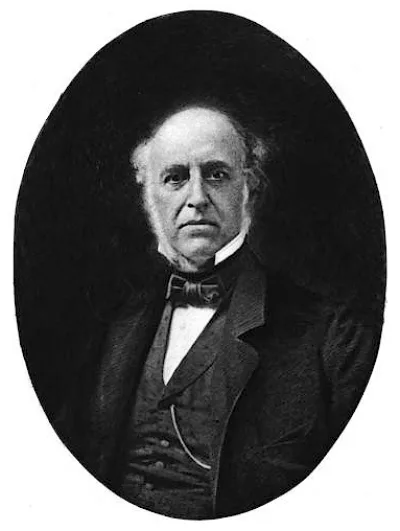
Thomas Bulfinch
Thomas Bulfinch (1796-1867) was an American writer best known for his book Bulfinch's Mythology.
💡 Why Read This Book?
Unlock the profound symbolism and hidden wisdom embedded within the foundational myths of Western civilization. 'The Age of Fable' serves as an essential guide for spiritual seekers, aspiring practitioners, and classical scholars wishing to understand the archetypal energies and philosophical underpinnings that continue to influence our world. It offers a gateway to ancient cosmologies and the universal truths they reveal.
⭐ Reader Reviews
Honest opinions from readers who have explored this book.
❓ Frequently Asked Questions
What is the primary purpose of 'The Age of Fable'?
Its primary purpose is to demystify classical mythology for the general reader, presenting the myths of Greece and Rome in an engaging manner while subtly revealing their deeper symbolic and philosophical meanings.
Is this book suitable for beginners in mythology?
Yes, Bulfinch's clear and accessible style makes it an ideal starting point for anyone new to classical myths, offering a solid foundation for further study.
What makes this book relevant to esoteric studies?
The book's strength lies in its ability to present myths not just as stories, but as allegorical vehicles for universal truths, archetypal psychology, and ancient philosophical concepts, which are central to esoteric traditions.
Does Bulfinch interpret the myths from a specific esoteric viewpoint?
While Bulfinch aims for broad accessibility, his careful selection and presentation of myths inherently highlight themes of divine order, human potential, and moral allegory, resonating with many esoteric interpretations.
Can 'The Age of Fable' be used for spiritual practice?
Absolutely. The myths serve as powerful archetypal blueprints and contemplative subjects, offering rich material for meditation, journaling, and understanding the symbolic language of the psyche and the cosmos.
🔮 Key Themes & Symbolism
Archetypal Forms and the Collective Unconscious
Bulfinch's narratives serve as a vibrant exploration of humanity's deepest archetypes, the primordial patterns of thought and behavior that reside within the collective unconscious. From the divine father figure to the heroic quest, these myths mirror the fundamental stages of psychological development and spiritual aspiration. By presenting these archetypes in their original mythological context, the book offers a profound lens through which to understand recurring themes in human experience, dreams, and artistic expression, connecting us to the timeless wisdom of our ancestors and the universal currents of the psyche.
The Language of Symbolism and Allegory
Fundamentally, , 'The Age of Fable' is a detailed look in deciphering the symbolic language of antiquity. Bulfinch meticulously retells stories, but his true gift lies in revealing the allegorical layers that imbue them with profound meaning. Each deity, creature, and event functions as a symbol, representing abstract concepts, natural forces, or stages of spiritual evolution. Understanding this symbolic grammar allows the reader to transcend the literal narrative and access the deeper metaphysical truths about creation, human destiny, and the interplay between the material and spiritual realms, acting as a key to ancient philosophies.
Cosmic Order and Divine Providence
The myths presented in 'The Age of Fable' offer a compelling glimpse into ancient conceptions of cosmic order and divine governance. The actions of the Olympian gods, their decrees, and their interventions in human affairs reflect a worldview where the universe is not chaotic but governed by powerful, often mysterious, forces. Bulfinch's work illuminates these ancient beliefs, showcasing how early civilizations sought to understand their place within a divinely orchestrated cosmos. This theme speaks to esoteric traditions that explore universal laws, fate, and the concept of a guiding intelligence or providence shaping existence.
💬 Memorable Quotes
Direct passages from the work, attributed to the author.
“The true poet is he who draws his inspiration from the universe.”
— This highlights the esoteric connection between creativity and the cosmos, suggesting that profound art arises from attunement with universal energies.
“The gods are not to be judged by the rules of mortal law.”
— This points to a higher, transcendent order of being and law that operates beyond human comprehension or earthly justice.
“In the heart of man lies the seed of all that is divine.”
— An assertion of the inherent spiritual potential and divinity within the human being, a core tenet in many mystical philosophies.
“Mythology is the poetry of the primitive world.”
— Suggests that myths are not mere stories but the symbolic expressions of early humanity's deepest understandings of existence and the sacred.
“The forms of the gods are but shadows of eternal realities.”
— This classic platonic idea implies that mythological figures represent higher, incorporeal truths and archetypes.
🌙 Esoteric Significance
Tradition
This work profoundly connects with the Hermetic, Platonic, and Neoplatonic traditions, which emphasize the allegorical nature of myth and the hidden spiritual truths contained within ancient stories. It aligns with the idea that mythology serves as a vehicle for transmitting gnosis—esoteric knowledge—about the divine, the cosmos, and the human soul's journey towards enlightenment.
Symbolism
Bulfinch's retelling implicitly highlights key esoteric symbols: the labyrinth representing the soul's journey, the serpent symbolizing transformation and wisdom, and the divine pantheon as expressions of various cosmic forces and psychological archetypes. The stories themselves act as symbolic maps of spiritual development and existential challenges.
Modern Relevance
In contemporary times, 'The Age of Fable' remains vital for understanding the archetypal patterns that still influence our collective consciousness, art, and psychology. It offers a rich source for personal reflection, spiritual exploration, and a deeper appreciation of how ancient wisdom continues to inform modern perspectives on life, death, and the human quest for meaning.
👥 Who Should Read This Book
This timeless classic is essential for *Beginners* seeking an accessible introduction to classical mythology. *Scholars* will find it a valuable, well-researched compilation. *Spiritual Seekers* will discover a rich source of archetypal wisdom and symbolic language for contemplation. *Occult Practitioners* can use the myths as a framework for understanding foundational magical and philosophical concepts, and as inspiration for meditation and ritual work.
📜 Historical Context
Published in 1855, 'The Age of Fable' emerged during a period of burgeoning interest in classical antiquity, fueled by archaeological discoveries and a romantic revival of ancient mythologies. The Victorian era, while outwardly conservative, harbored a significant undercurrent of interest in the esoteric, spiritualism, and ancient wisdom traditions. Bulfinch's work tapped into this zeitgeist, offering a scholarly yet accessible gateway to the myths that had profoundly shaped Western literature, art, and philosophy. It provided a framework for understanding the symbolic language of the past, making it relevant to a contemporary audience grappling with industrialization and evolving societal structures, and resonating with those seeking deeper meaning beyond the material world.
📔 Journal Prompts
Which Olympian deity's story most speaks to your current life circumstances, and why?
Reflect on a specific hero's journey from the book: what challenges did they face, and what spiritual lessons can be drawn?
How do the ancient myths about creation or the underworld offer a different perspective on life and death than modern views?
Identify a recurring symbol in the myths (e.g., a specific animal, object, or natural phenomenon) and explore its potential esoteric meaning.
Consider the concept of fate and free will as depicted in these myths. How does this ancient perspective speak to your own experiences?
🗂️ Glossary
Olympian Gods
The principal deities of the Greek pantheon, residing on Mount Olympus. They represent fundamental aspects of the cosmos and human experience, often embodying divine powers and archetypal energies.
Archetype
A primordial, universal pattern or model of thought, behavior, or imagery that is inherited and common to all humankind, often manifesting in myths, dreams, and art.
Allegory
A story, poem, or picture that can be interpreted to reveal a hidden meaning, typically a moral or political one, where characters and events symbolize abstract ideas or truths.
Gnosis
Esoteric knowledge, often spiritual or mystical in nature, attained through direct experience or intuition, believed to lead to salvation or enlightenment in certain philosophical and religious traditions.
Metaphysical
Relating to the fundamental nature of reality, existence, and knowledge, often exploring concepts beyond the physical and empirical, such as the divine, the soul, and the universe's underlying principles.
This book appears in 2 collections
🔮 Readers Also Liked
Browse all →









More by Thomas Bulfinch
All books →


From the “Transcendental Meditation” Collection
View all →








More Free Esoteric History & Biography Books
View all →