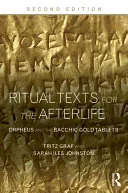
Ritual Texts for the Afterlife
 76
76

Ritual Texts for the Afterlife
The collection of gold lamellae presented in Ritual Texts for the Afterlife offers a starkly material glimpse into the anxieties and hopes surrounding death in the ancient Greek and Roman worlds. Graf and Johnston’s careful presentation and commentary move beyond mere transcription, situating these artifacts within a complex web of religious and magical practice. One striking aspect is the sheer variety of destinations and challenges described – from Elysian fields to infernal rivers, often guarded by specific deities or spirits. A limitation, inherent to the source material, is the often fragmentary nature of the texts, requiring significant scholarly reconstruction. However, the authors skillfully navigate this, particularly in their discussion of the "Orphic" tablets, which clearly indicate a specialized set of beliefs and practices aimed at achieving a particular afterlife state. The work provides a vital counterpoint to more idealized philosophical notions of immortality, grounding the discussion in the tangible reality of grave goods and ritual intent. It serves as a critical resource for understanding the lived experience of afterlife beliefs.
📝 Description
76
Fritz Graf and Sarah Iles Johnston collected Greek and Roman gold lamellae texts from the late 5th century BCE to the 2nd century CE.
This volume gathers ancient Greek and Roman texts inscribed on gold lamellae, small plates intended to guide the deceased through the underworld. Dating from the late fifth century BCE to the second century CE, these artifacts provide direct evidence of funerary beliefs and practices among certain ancient populations. The discovery and study of these gold tablets have been important for understanding ancient afterlife beliefs since the late 19th century. Graf and Johnston's work situates these texts within the broader context of Greek and Roman eschatology, contrasting them with philosophical or mythological accounts. The late antiquity period, in particular, witnessed a rise in varied beliefs about soul journeys and divine judgment, which these texts help to illuminate.
The texts themselves show a practical, often urgent, method for ensuring a favorable passage through the underworld. They include appeasing chthonic deities, identifying the deceased with mythical figures, and using specific passwords or formulae to overcome obstacles. The focus is on the agency of the deceased, who actively sought to shape their post-mortem fate through these written rituals. This contrasts with more passive conceptions of the afterlife. The selection offers primary source material for those interested in ancient religion, classical studies, and the history of magic, as well as comparative esotericism and ancient Mediterranean cultures.
These gold lamellae belong to a tradition of material culture used to influence or navigate the post-mortem world. While often contrasted with philosophical traditions like Platonism or Orphism, these inscribed objects represent a more direct, ritualistic approach to securing a safe passage. They reflect a belief system where specific actions and knowledge, encoded in writing and carried by the deceased, could alter their fate. This practice connects to broader ancient Mediterranean traditions of magic, curse tablets, and votive offerings aimed at supernatural powers.
💡 Why Read This Book?
• Understand the practical rituals Greeks and Romans employed for afterlife passage, as evidenced by the gold lamellae (5th century BCE - 2nd century CE). • Gain insight into the varied conceptions of the underworld and the deities encountered, offering a counterpoint to philosophical views. • Explore how specific formulae and divine names were believed to empower the deceased to navigate post-mortem trials, as detailed in the texts.
⭐ Reader Reviews
Honest opinions from readers who have explored this book.
❓ Frequently Asked Questions
What are the gold lamellae mentioned in Ritual Texts for the Afterlife?
The gold lamellae are small, thin sheets of gold inscribed with texts, typically deposited in the graves of the deceased in ancient Greece and Rome. They served as funerary amulets or guides for the soul's journey through the afterlife.
What is the approximate date range of these ritual texts?
The ritual texts on gold lamellae featured in the book date from the late fifth century BCE to the second century CE, spanning a significant period of classical antiquity.
Who were the primary recipients of these afterlife rituals?
While not exclusively for the elite, these texts suggest a specific segment of the Greek and Roman population who possessed the resources and inclination for such elaborate funerary preparations, often associated with mystery cults or specific philosophical leanings.
What kind of information do these texts provide about ancient beliefs?
They offer direct, often unvarnished, insights into beliefs about the soul's journey after death, the challenges faced in the underworld, and the methods believed to ensure a favorable outcome, such as appeasing deities or using secret knowledge.
What is the significance of the "Orphic" tablets mentioned in the book?
The "Orphic" tablets are a subset of these gold lamellae, often linked to the teachings attributed to the mythical poet Orpheus. They typically contain instructions for the deceased to identify themselves and claim a blessed afterlife, often referencing specific chthonic deities.
Are these texts philosophical or religious in nature?
The texts are primarily ritualistic and religious, focusing on practical instructions and invocations for the afterlife. While they may intersect with philosophical ideas about the soul, their core purpose is magical and devotional.
🔮 Key Themes & Symbolism
The Soul's Journey
The texts meticulously detail the perilous passage of the soul through the underworld. This journey is not passive but requires active navigation, often involving knowledge of specific routes, passwords, and divine figures. The lamellae served as a form of spiritual toolkit, equipping the deceased to confront the guardians and judges of the netherworld. This theme underscores a belief in a structured, albeit dangerous, afterlife that could be influenced through ritual inscription.
Chthonic Deities and Guardians
Central to these rituals are the powerful chthonic deities and spirits that preside over the underworld. Figures like Persephone, Hades, and various unnamed guardians are invoked or appeased. The texts reveal a complex pantheon of beings whose favor or obstruction the deceased must contend with. Understanding these entities was crucial for survival, and the lamellae often contained specific appellations or pleas intended to ensure safe passage or benign judgment.
Ritual Agency and Magical Efficacy
A core tenet illuminated by these texts is the belief in ritual agency – the power of written words and prescribed actions to effect change in the afterlife. The gold lamellae themselves are tangible evidence of this belief. They represent a form of sympathetic magic, where the inscribed words were thought to possess inherent power. This focus on efficacy highlights a practical, almost contractual, approach to securing a favorable eternal fate, distinct from purely philosophical or moralistic views.
Identity and Transformation
The texts often instruct the deceased on how to present themselves to the underworld's rulers. This includes revealing their true name, identifying themselves as initiated or blessed, and claiming a place among the gods or heroes. This process suggests a belief in the soul's potential for transformation or elevation after death, moving beyond a simple continuation of earthly existence to a potentially divine or beatific state.
💬 Memorable Quotes
Direct passages from the work, attributed to the author.
“Texts written on small gold tablets deposited in graves provide unique information about ancient afterlife beliefs.”
— This highlights the primary source value of the gold lamellae. Unlike philosophical treatises, these inscriptions offer direct, material evidence of what individuals believed and how they attempted to influence their post-mortem destiny.
“The fate that awaited them after death, and how they could influence it.”
— This captures the essence of the texts: they are not merely descriptions of the afterlife, but practical guides and magical formulae designed to grant the deceased agency and control over their eternal fate.
“Recent finds and analysis of the texts have reshaped our understanding.”
— This points to the ongoing scholarly relevance of these artifacts. New discoveries and improved analytical methods continue to refine and sometimes radically alter interpretations of ancient afterlife beliefs and practices.
“The texts date from the late fifth century BCE to the second century CE.”
— This chronological framework is crucial. It places the lamellae within the broad sweep of classical antiquity, allowing for comparisons with earlier and later beliefs and demonstrating the persistence and evolution of these funerary rituals over centuries.
“Scholarly debate on ancient afterlife beliefs since the end of the nineteenth century.”
— This indicates the long-standing academic interest in these texts. Their study has been a continuous thread in the history of classical scholarship, evolving with new archaeological evidence and theoretical approaches.
🌙 Esoteric Significance
Tradition
While not strictly belonging to a single, codified esoteric tradition like Kabbalah or Theosophy, these texts resonate strongly with Hermetic and Gnostic impulses. They represent a form of practical magic focused on spiritual attainment and survival beyond the physical body. The emphasis on secret knowledge, passwords, and direct interaction with divine or intermediary beings aligns with the Hermetic principle of 'as above, so below,' applied here to the structure of the cosmos and the soul's journey through its lower and higher realms.
Symbolism
The gold itself is symbolically potent, representing incorruptibility, divinity, and permanence – qualities desired for the afterlife. The inscribed texts function as potent symbols, acting as keys or maps. Specific symbols often invoked relate to the underworld geography (rivers, gates) and the divine figures encountered (Persephone, Hades). The act of inscription on gold transforms the ephemeral word into an enduring artifact, imbuing the ritual with lasting power for the deceased.
Modern Relevance
Contemporary practitioners of Western Esotericism, particularly those engaged with Hellenistic magic, ancient mystery traditions, or soul-retrieval practices, draw inspiration from these texts. Modern occultists may study them for insights into ancient magical techniques, understanding the power dynamics between the mortal and the divine, and the construction of sacred narratives for spiritual transition. They offer a historical anchor for practices that seek to navigate unseen realms and influence spiritual states.
👥 Who Should Read This Book
['• Classical scholars and historians of ancient religion: To access primary source material and scholarly analysis of Greek and Roman funerary beliefs and magical practices.', '• Students of esoteric traditions: To understand the historical roots of afterlife rituals, soul journeys, and magical efficacy in ancient Mediterranean cultures.', '• Comparative religion researchers: To examine the diversity of eschatological beliefs and funerary customs across different ancient societies.']
📜 Historical Context
The study of these gold lamellae emerged within a late 19th and early 20th-century academic environment deeply interested in the origins of religious belief and the nature of ancient magic. Scholars like Albrecht Dieterich, in works such as 'Nekyia' (1893), began to systematically analyze these texts alongside other evidence for Greek underworld beliefs. The prevailing intellectual currents included a fascination with mystery cults (like the Eleusinian or Orphic mysteries) and a desire to understand the 'popular' or 'folk' religion that existed alongside official state cults and philosophical doctrines. This period saw a surge in archaeological discoveries that provided new textual and material evidence. While figures like Sir James Frazer were exploring comparative mythology and ritual on a grand scale, specialists focused on specific corpora like these lamellae. The reception was significant, as they provided concrete evidence for beliefs that had previously been inferred more speculatively, challenging purely philosophical interpretations of the ancient Greek and Roman soul.
📔 Journal Prompts
The specific passwords or formulae used by the deceased to address underworld guardians.
The symbolic meaning of gold in the context of funerary rituals.
The contrast between philosophical afterlife concepts and the practical ritualism of the lamellae.
The role of chthonic deities in the journey through the underworld.
The concept of ritual agency as expressed through inscribed texts.
🗂️ Glossary
Lamella
A thin, flexible sheet of metal, typically gold or lead, inscribed with text or images. In this context, refers to the gold tablets used as funerary guides.
Chthonic Deities
Gods and goddesses associated with the underworld, the earth, and the dead. In the Greek context, this includes figures like Hades, Persephone, and Hecate.
Orphic Tablets
A specific category of gold lamellae associated with beliefs linked to the mythical poet Orpheus, often containing instructions for the deceased's soul to claim a blessed afterlife.
Eschatology
The branch of theology concerned with death, judgment, and the final destiny of the soul and of humankind. In this context, refers to ancient beliefs about the afterlife.
Underworld
The area of the dead in ancient Greek and Roman cosmology, often depicted as a subterranean place through which the soul must journey after death.
Funerary Rituals
The ceremonies and practices performed in connection with death and burial, aimed at honoring the deceased and facilitating their transition to the afterlife.
Ritual Agency
The capacity of ritual actions and inscribed words to actively influence or determine outcomes, particularly in the spiritual or afterlife realms.