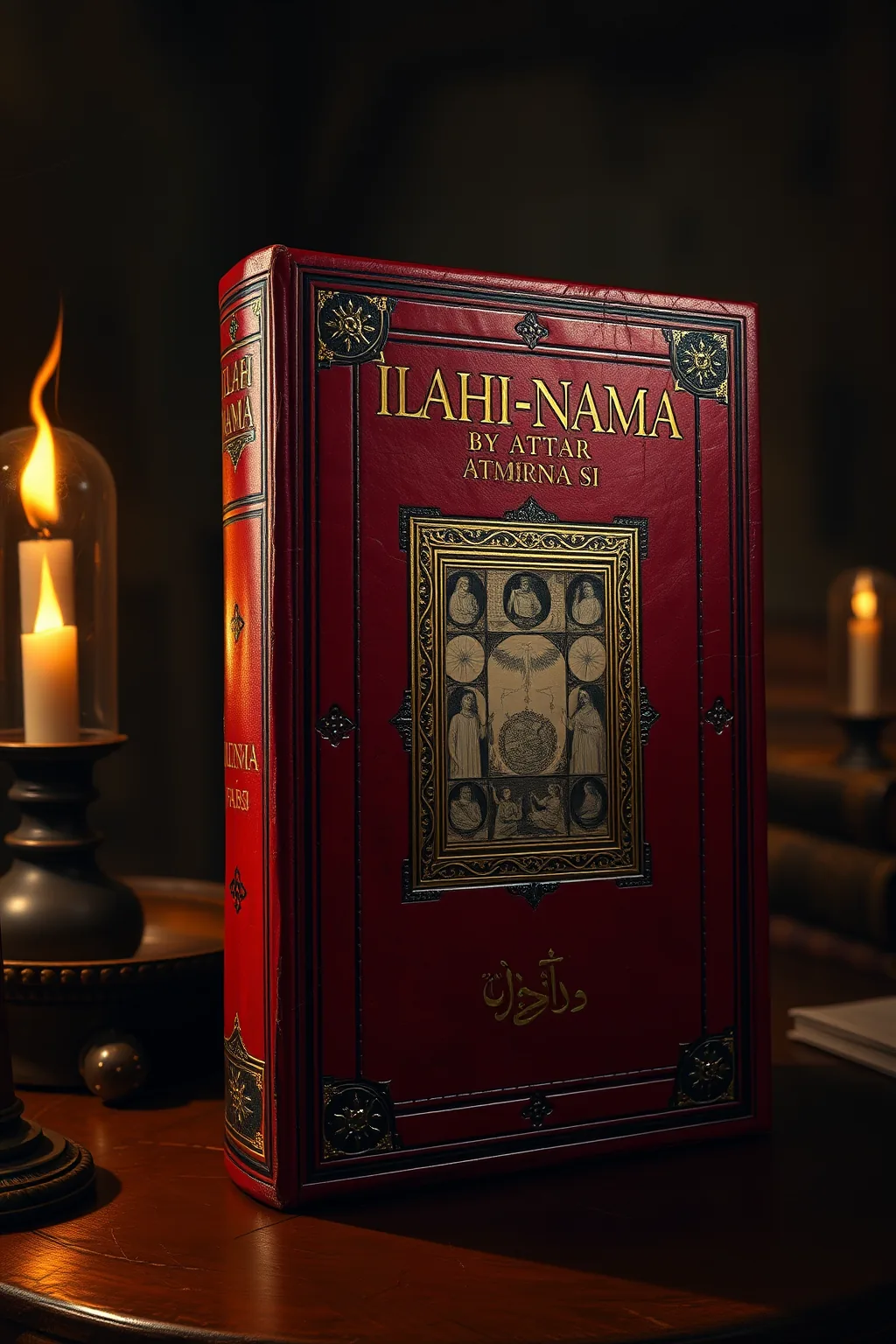
Ilahi-Nama by Attar (Farsi)
 84
84

Ilahi-Nama by Attar (Farsi)


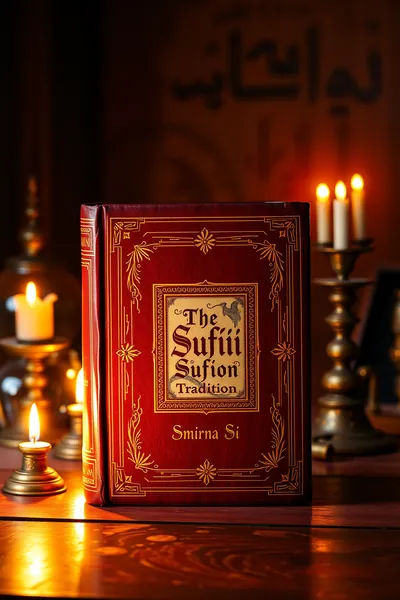
Ilahi-Nama by Attar, translated by Smirna Si, is a masterpiece of esoteric literature that stands the test of time. The book's intricate frame-story and symbolic narratives provide a rich tapestry of mystical and alchemical wisdom. For modern esoteric seekers, this text offers invaluable insights into the Sufi tradition and the hermetic arts. The translation is both faithful and poetic, making it accessible to contemporary readers while preserving the spiritual depth of the original work. The exploration of the six sons' desires serves as a metaphor for the various paths to spiritual enlightenment, each with its own unique challenges and rewards. The book's emphasis on alchemy and hermeticism makes it an essential read for those interested in the transformative power of spiritual alchemy. Overall, Ilahi-Nama is a five-star work that continues to inspire and enlighten readers on their spiritual journey.
📝 Description
84
Attar's Ilahi-Nama, translated by Smirna Si, presents allegorical tales of six sons seeking divine treasures.
The Ilahi-Nama, or 'Book of God,' by the 12th-century Persian poet Farid al-Din Attar, is a significant Sufi work. Smirna Si's translation and edition make this text accessible. The poem centers on a caliph who questions his own soul, personified as his six sons. Each son represents a different aspect of the human soul and its worldly desires or spiritual inclinations. Through their allegorical journeys, the sons confront their limitations and seek spiritual fulfillment.
Attar uses the imagery of alchemical transformation and the quest for divine treasures to symbolize the Sufi path. The narrative structure, with its nested stories and philosophical dialogues, encourages contemplation on the nature of reality and the self. It addresses the human drive for meaning and connection to the divine. This work serves as a guide for those pursuing spiritual understanding within the Islamic mystical tradition.
The Ilahi-Nama is rooted in the rich tradition of Persian Sufism, a mystical branch of Islam. Attar, a prominent figure in Sufi literature, employs allegorical narratives and symbolism common in esoteric thought. His work draws parallels between the alchemical process of refining base metals into gold and the spiritual process of purifying the soul to achieve union with the divine. This tradition often uses symbolic language to describe inner states and the path toward divine knowledge, making the Ilahi-Nama a key text for understanding Islamic mysticism.
💡 Why Read This Book?
Reading Ilahi-Nama by Attar today offers a profound exploration of esoteric and alchemical traditions that remain relevant in the modern world. This book provides readers with a deep understanding of the spiritual quest and the transformative power of alchemy. It serves as a guide for those seeking to delve into the mysteries of the divine and the hermetic arts. By engaging with Attar's timeless wisdom, readers can gain insights into their own spiritual journeys and the universal quest for enlightenment.
⭐ Reader Reviews
Honest opinions from readers who have explored this book.
❓ Frequently Asked Questions
What is the main theme of Ilahi-Nama?
The main theme of Ilahi-Nama is the quest for divine knowledge and spiritual enlightenment, explored through the desires of six sons and their journeys towards mystical and alchemical treasures.
Who should read this book?
This book is ideal for readers interested in esoteric traditions, alchemy, hermeticism, and Sufi mysticism. It is also valuable for those seeking spiritual enlightenment and a deeper understanding of mystical literature.
What makes Smirna Si's translation unique?
Smirna Si's translation of Ilahi-Nama is unique in its faithfulness to the original text while making it accessible to modern readers. The translation preserves the poetic and symbolic richness of Attar's work, providing a seamless bridge between ancient wisdom and contemporary understanding.
🔮 Key Themes & Symbolism
The Quest for Divine Treasures
The central theme of Ilahi-Nama is the quest for divine treasures, symbolizing the human longing for spiritual enlightenment and hidden knowledge. Each of the caliph's six sons seeks a different treasure, representing various aspects of the spiritual journey.
Sufi Mysticism
Ilahi-Nama is deeply rooted in Sufi mysticism, exploring the esoteric dimensions of Islamic spirituality. The narrative invites readers to look at the mystical realms and seek the divine within.
Alchemical Symbolism
The book is rich in alchemical symbolism, with each treasure sought by the sons representing different stages of the alchemical process. This symbolism adds layers of meaning to the narrative, making it a profound exploration of spiritual transformation.
💬 Memorable Quotes
Direct passages from the work, attributed to the author.
“Each treasure holds a secret of the soul.”
— The treasures symbolize the hidden aspects of the self that seek enlightenment.
💡 Key Ideas
Editorial paraphrase of the work's core concepts — not direct quotes.
The path to the divine is a journey within.
This quote underscores the Sufi belief in the inner spiritual journey.
The water of life flows within the heart.
This quote emphasizes the inner source of spiritual renewal and transformation.
The ring of Solomon controls the demons within.
This quote suggests the mastery over one's inner demons through spiritual discipline.
Knowledge of alchemy is the key to the divine treasure.
This quote highlights the transformative power of alchemical knowledge in the spiritual quest.
🌙 Esoteric Significance
Tradition
Ilahi-Nama belongs to the Sufi and alchemical traditions, blending mystical spirituality with the transformative power of alchemy. It explores the inner journey of the soul and the quest for hidden knowledge.
Symbolism
Key symbols in the book include the Jām-e jam (world-reflecting cup of Jamshid), the water of life, and the demon-controlling ring of Solomon. These symbols represent different aspects of the spiritual journey and the alchemical process.
Modern Relevance
Ilahi-Nama remains relevant today for modern practitioners of Sufism and alchemy. Its exploration of the inner journey and the quest for hidden knowledge offers valuable insights for those seeking spiritual enlightenment in the contemporary world.
👥 Who Should Read This Book
Beginners interested in Sufi mysticism and alchemy will find Ilahi-Nama an accessible introduction to these esoteric traditions. Scholars of Sufism and alchemy will appreciate its depth and historical significance. Spiritual seekers will be inspired by its exploration of the inner journey and the quest for divine treasures. Practitioners of the hermetic arts will find valuable insights into the alchemical process and its spiritual dimensions.
📜 Historical Context
Ilahi-Nama was written in a time when Sufism and alchemy were flourishing in the Islamic world. This era saw a rich exchange of esoteric knowledge, with mystics and alchemists seeking to uncover the hidden secrets of the universe. Attar's work reflects this intellectual and spiritual ferment, offering a timeless exploration of the human quest for enlightenment. Its influence can be seen in later works of Sufi literature and alchemical texts, making it a foundational text in the esoteric tradition.
📔 Journal Prompts
What divine treasure do you seek in your spiritual journey?
How do the symbols in Ilahi-Nama resonate with your own quest for enlightenment?
What lessons can you learn from the caliph's sons in their pursuit of divine treasures?
How does the concept of alchemy apply to your personal transformation?
What role does inner reflection play in your spiritual practice?
🗂️ Glossary
Jām-e jam
The world-reflecting cup of Jamshid, a symbol of divine knowledge and spiritual enlightenment.
Water of Life
A symbol of spiritual renewal and transformation, representing the life-giving essence within.
Ring of Solomon
A symbol of mastery over inner demons and the control of one's spiritual energies.
Alchemy
The transformative process of turning base metals into gold, symbolizing spiritual and personal transformation.
Sufism
The mystical branch of Islam that emphasizes the inner spiritual journey and the quest for union with the divine.
This book appears in 3 collections
🔮 Readers Also Liked
Browse all →







More by Smirna Si
All books →


From the “Hermeticism” Collection
View all →









More Free Alchemy & Hermeticism Books
View all →



![Archetypal principles and hierarcheis [sic]](/img/thumb/archetypal-principles-and-hierarcheis-sic-john-peter-anton.webp)