52,000+ Esoteric Books Free + Modern Compare Prices
Home Collections Fairies
🧚

Fairy Books: A Comprehensive Reading List

Books on fairies trace their lore from ancient folklore to modern interpretations. Algernon Blackwood's 'A Prisoner in Fairyland' and L. Frank Baum's 'The Enchanted Island of Yew' offer distinct perspectives on the fairy realm. Lady Wilde's 'Ancient legends, Mystic Charms & Superstitions of Ireland' provides a deep dive into Celtic traditions. This curated list guides readers from foundational texts to more specialized studies, offering a structured approach to understanding fairy beliefs and narratives across cultures.

Top Fairies Books

25 Fairies books
Fairy Ring
📖
Fairy Ring
Anna Franklin
4.0
61
MASTERPIECE
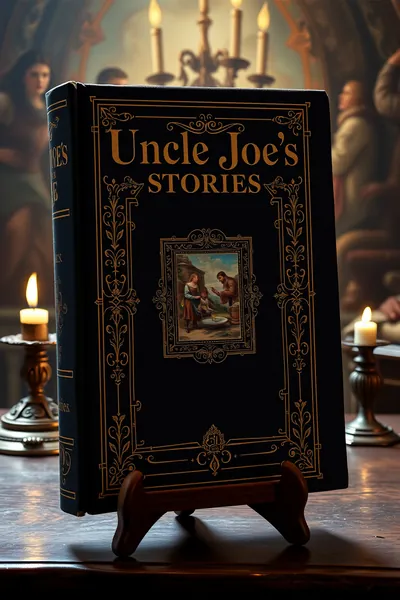
Uncle Joe's Stories
📖
Uncle Joe's Stories
Brabourne, Edward Hugessen Knatchbu
4.3
69
Red Book of Appin
📖
Red Book of Appin
Ethan Allen Hitchcock
4.1
63
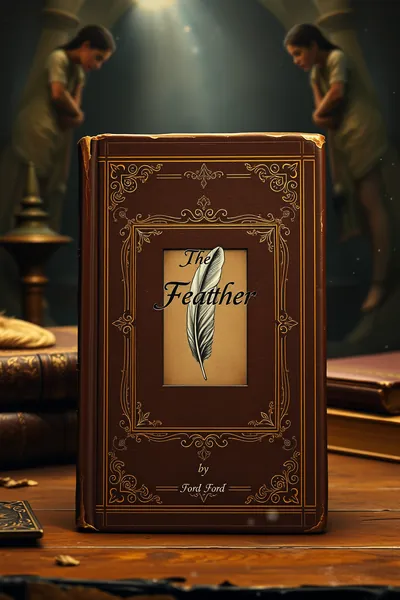
The Feather
📖
The Feather
Ford, Ford Madox
4.2
69
Hänsel und Gretel
📖
Hänsel und Gretel
Gebrüder Grimm [Brothers Grimm]
4.4
75
Rumpelstiltskin
📖
Rumpelstiltskin
Gebrüder Grimm [Brothers Grimm]
4.4
73
The storks
📖
The storks
Hans Christian Andersen
4.0
61
The High King
📖
The High King
Lloyd Alexander
4.4
73
Ich und du
📖
Ich und du
Martin Buber
4.4
73
The Magic Nuts
📖
The Magic Nuts
Molesworth, Mrs.
4.2
68
The Magic World
📖
The Magic World
Nesbit, E. (Edith)
4.3
69

What are Fairies?

Fairies are mythical beings, often depicted as small, ethereal creatures possessing magical abilities and a connection to nature. Their portrayal varies significantly across cultures and historical periods. In some traditions, they are benevolent nature spirits, while in others, they are mischievous or even dangerous entities. Their lore is intertwined with folklore, superstition, and the human imagination's attempts to explain the inexplicable aspects of the natural world and human experience.

Best Books for Complete Beginners

Beginners can start with accessible narratives that introduce fairy concepts. L. Frank Baum's 'The Enchanted Island of Yew' presents a charming, imaginative world. E. Nesbit's 'The Magic World' offers enchanting stories with a gentle touch. Dinah Maria Mulock Craik's 'The Little Lame Prince and His Travelling Cloak' uses a fairy tale structure to explore themes of kindness and magic. Ethel Cook Eliot's 'The Little House in the Fairy Wood' provides a whimsical entry point into fairy realms, suitable for younger readers or those new to the subject.

Intermediate Reading

For those ready to delve deeper, D. R. McAnally's 'Irish Wonders' offers a rich compendium of Irish fairy lore, including pookas and leprechauns. Jean Ingelow's 'Mopsa the Fairy' is a classic Victorian fairy tale with imaginative elements. Ford Madox Ford's 'The Brown Owl' is a more literary take on fairy themes. Anatole France's 'Bee: The Princess of the Dwarfs' presents a sophisticated, allegorical fairy tale.

Classical / Advanced Texts

Serious students will find value in foundational texts. Edmund Spenser's 'Tales from Spenser, Chosen from the Faerie Queene' is a seminal work in English literature, exploring allegorical fairy concepts. Lady Wilde's 'Ancient legends, Mystic Charms & Superstitions of Ireland' is a vital source for Celtic folklore. J. Maxwell Wood's 'Witchcraft and superstitious record in the south-western district of Scotland' examines historical beliefs and practices often associated with fairy lore and magic in a specific region.

Reading Order — Step by Step

Begin with accessible narratives like Baum's 'The Enchanted Island of Yew' and Nesbit's 'The Magic World' (Month 1, Weeks 1-2). Transition to more folkloric collections such as McAnally's 'Irish Wonders' and Eliot's 'The Little House in the Fairy Wood' (Month 1, Weeks 3-4). In Month 2, explore Victorian fairy tales like Craik's 'The Little Lame Prince' and Ingelow's 'Mopsa the Fairy', alongside literary interpretations like Ford Madox Ford's 'The Brown Owl'. Month 3 should be dedicated to deeper dives with Spenser's 'The Faerie Queene' selections and Lady Wilde's 'Ancient legends, Mystic Charms & Superstitions of Ireland'.

Frequently Asked Questions

Which fairy book should I read first?

For a gentle introduction, start with L. Frank Baum's 'The Enchanted Island of Yew' or E. Nesbit's 'The Magic World'. These offer imaginative stories without complex lore, making them ideal for beginners.

Are fairies real?

Fairies are figures of folklore and mythology. While not scientifically proven to exist, their stories reflect deep-seated human imagination, cultural beliefs, and a connection to the natural world.

What is the difference between fairies and elves?

While often used interchangeably, elves in Germanic folklore are typically depicted as more human-like and sometimes associated with crafts, whereas fairies in Celtic traditions are more varied, often tied to nature, and can be more elusive or powerful.

Are there adult books about fairies?

Yes, Algernon Blackwood's 'A Prisoner in Fairyland' offers a more mature and complex exploration of the fairy realm, moving beyond children's tales into psychological and philosophical themes.

Where does fairy lore come from?

Fairy lore originates from diverse cultural traditions, including Celtic myths (Sidhe, Púca), Germanic legends (elves), and broader European folklore, often stemming from attempts to explain natural phenomena and the unknown.

What are some common fairy creatures?

Common figures include Leprechauns (Irish shoemakers), Banshees (harbingers of death), Púcas (mischievous shapeshifters), Elves (often associated with Germanic traditions), and the more general 'Fae' or 'Sidhe' from Celtic lore.

Why Each Book Matters

Fairy Ring

Fairy Ring

by Anna Franklin

'Fairy Ring' by Anna Franklin explores modern pagan and occult approaches to connecting with the Fae, offering practical guidance for rituals and understanding their realm. The book specifically delves into the concept of creating sacred spaces to facilitate interaction with these elusive beings.

Uncle Joe's Stories

Uncle Joe's Stories

by Brabourne, Edward Hugessen Knatchbull-Hugessen, Baron

'Uncle Joe's Stories' by Edward Hugessen Knatchbull-Hugessen, Baron Brabourne, is a collection of charming children's tales often featuring talking animals and magical adventures. The stories often include benevolent magical interference, reminiscent of traditional fairy tales but with a Victorian sensibility.

The faeries' oracle

The faeries' oracle

by Brian Froud

'The faeries' oracle' by Brian Froud is a popular divination tool, featuring a deck of cards and an accompanying book designed to help users connect with the wisdom and guidance of various fae beings. The artwork and descriptions offer a contemporary, artistic interpretation of the diverse world of fairies.

Prince Caspian

Prince Caspian

by C. S. Lewis

C. S. Lewis's 'Prince Caspian' is the second novel in 'The Chronicles of Narnia,' where the Pevensie children return to a Narnia where magical creatures, including talking animals and dryads (a type of nature fairy), are suppressed by the Telmarines. The story emphasizes the return of old magic and the reawakening of the true Narnian spirit.

Quicksilver

Quicksilver

by Callie Hart

'Quicksilver' by Callie Hart is a modern thriller, far removed from traditional fairy tales, focusing on crime and suspense. This book is notable for its fast-paced plot and intricate character dynamics within a contemporary setting, offering a stark contrast to fantastical narratives.

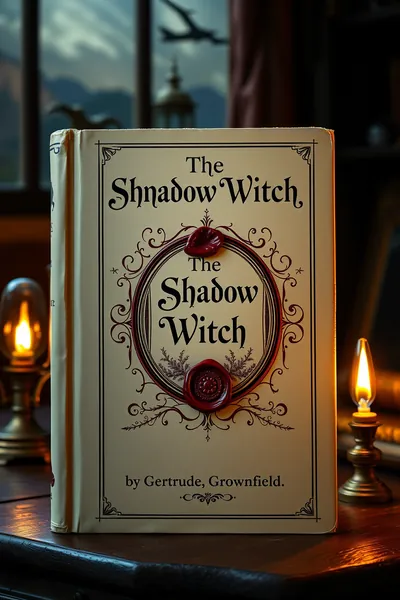
The Shadow Witch

The Shadow Witch

by Crownfield, Gertrude

'The Shadow Witch' by Gertrude Crownfield is a captivating tale that delves into the darker, more mysterious aspects of magic and folklore. The narrative often features characters grappling with hidden powers and the enigmatic forces of the natural world, echoing ancient beliefs about elusive spirits.

The great race

The great race

by Dawn Casey

'The great race' by Dawn Casey likely refers to a children's story about a competition, often featuring animals or mythical creatures. Such narratives frequently impart lessons about perseverance and teamwork, a common theme in folklore adapted for younger audiences.

Red Book of Appin

Red Book of Appin

by Ethan Allen Hitchcock

'Red Book of Appin' by Ethan Allen Hitchcock is a philosophical and esoteric text, often exploring themes of alchemy, mysticism, and spiritual transformation. While not directly about fairies, its focus on hidden knowledge and symbolic interpretations aligns with the broader occult interests of the Esoteric Library.

The Feather

The Feather

by Ford, Ford Madox

'The Feather' by Ford, Ford Madox, is a poignant short story that explores themes of innocence, loss, and the fragility of life through the discovery of a magical feather. The narrative uses the feather as a symbol of fleeting beauty and the transient nature of childhood wonder.

Hänsel und Gretel

Hänsel und Gretel

by Gebrüder Grimm [Brothers Grimm]

'Hänsel und Gretel,' another renowned tale from Gebrüder Grimm [Brothers Grimm], tells of two children abandoned in a forest who encounter a cannibalistic witch in a gingerbread house. This dark fairy tale serves as a cautionary story about danger and resourcefulness, a stark reminder of the darker side of folklore.

Rumpelstiltskin

Rumpelstiltskin

by Gebrüder Grimm [Brothers Grimm]

'Rumpelstiltskin,' collected by Gebrüder Grimm [Brothers Grimm], is a classic German fairy tale about a miller's daughter who must spin straw into gold and is aided by a mysterious imp. The tale is famous for its riddle and the magical being's demand for the queen's firstborn child.

The storks

The storks

by Hans Christian Andersen

In Hans Christian Andersen's 'The Storks,' a family of storks delivers babies, but the tale takes a darker turn when a boy mocks them, resulting in a baby with a changed fate. This story highlights the consequences of unkindness and the storks' role as bringers of life, a common motif in European folklore.

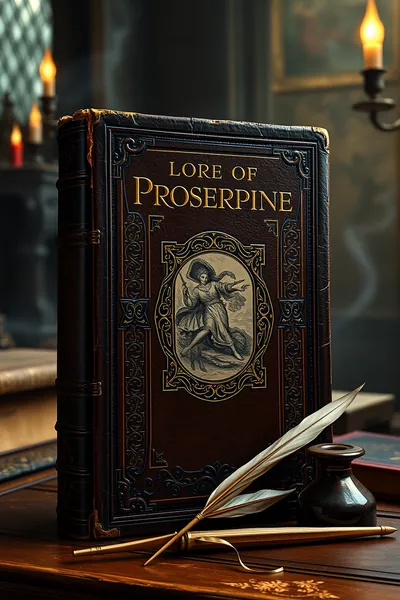
Lore of Proserpine

Lore of Proserpine

by Hewlett, Maurice

'Lore of Proserpine' by Maurice Hewlett is a collection of essays and stories that explore themes of mythology, nature, and the supernatural, often with a focus on ancient gods and spirits. The book is notable for its lyrical prose and its romanticized view of classical paganism and its associated deities.

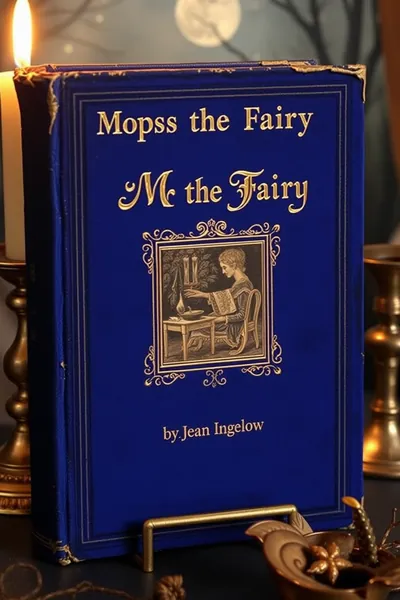
Mopsa the Fairy

Mopsa the Fairy

by Ingelow, Jean

Ingelow, Jean's 'Mopsa the Fairy' follows a young boy named Jack who enters the fairy world by climbing through a bird's nest. He travels on the back of a large bird and encounters various types of fairies, including the titular Mopsa, offering a classic Victorian portal fantasy experience.

DÆMONOLOGIE

DÆMONOLOGIE

KING JAMES the FIRST's 'DÆMONOLOGIE' is a significant historical treatise on witchcraft and demonology, published in 1597, reflecting the monarch's deep belief in the occult. It categorizes various supernatural entities, including those that might be considered 'fairies' within a demonic framework, influencing the perception of spirits during the witch hunts.

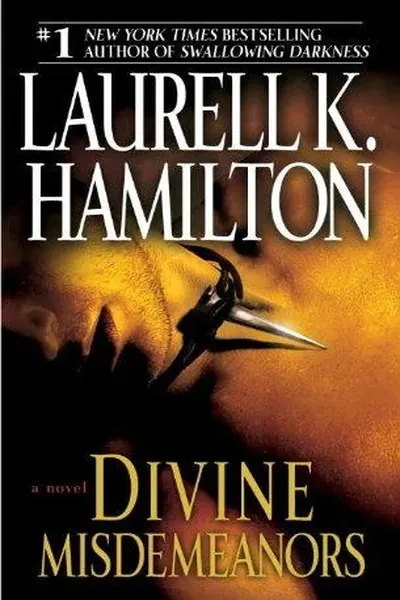
Divine Misdemeanors

Divine Misdemeanors

by Laurell K. Hamilton

'Divine Misdemeanors' by Laurell K. Hamilton is a fantasy novel featuring Anita Blake, a vampire hunter and necromancer, who navigates a world filled with supernatural creatures including the Fae. The book delves into the complex politics and dark aspects of fairy society, portraying them as powerful and often dangerous beings.

Shadow and Bone

Shadow and Bone

by Leigh Bardugo

Leigh Bardugo's 'Shadow and Bone' is the first novel in the Grishaverse series, a young adult fantasy set in a war-torn world inspired by Tsarist Russia, featuring magic and mythical creatures. While not traditional fairies, the Grisha's powers and the dark fantastical elements align with the broader supernatural themes.

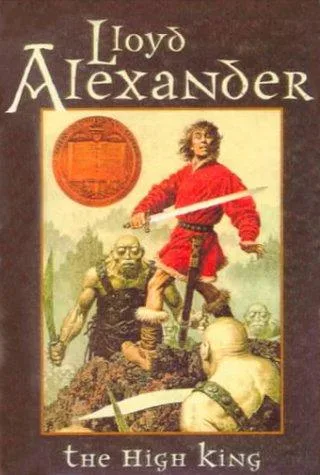
The High King

The High King

by Lloyd Alexander

Lloyd Alexander's 'The High King' is the final novel in 'The Chronicles of Prydain,' a high fantasy series deeply rooted in Welsh mythology. It features a climactic battle against the evil Arawn Death-Lord, where ancient magic and mythical creatures, akin to powerful fairies, play crucial roles in determining the fate of the land.

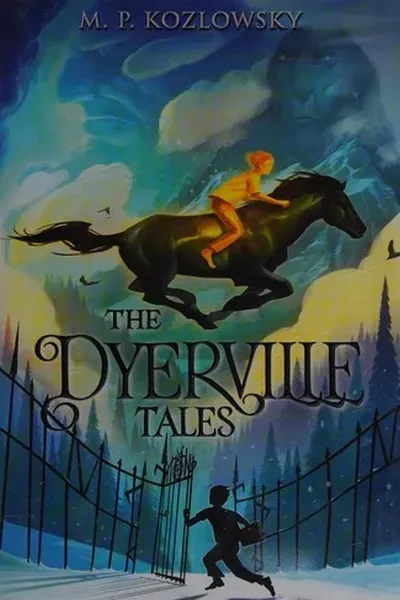
The Dyerville tales

The Dyerville tales

by M. P. Kozlowsky

'The Dyerville tales' by M. P. Kozlowsky is a work of dark fantasy or horror, often blending elements of folklore with a contemporary setting to create unsettling narratives. This book explores the shadows lurking beneath the surface of seemingly ordinary towns, where ancient, eerie forces might reside.

Ich und du

Ich und du

by Martin Buber

Martin Buber's 'Ich und du' (I and Thou) is a philosophical work focusing on relational ontology, distinguishing between 'I-Thou' and 'I-It' relationships. While not directly about fairies, its exploration of profound connection and mutual recognition can be metaphorically applied to understanding human-supernatural interactions.

The Magic Nuts

The Magic Nuts

by Molesworth, Mrs.

Mrs. Molesworth's 'The Magic Nuts' tells the story of children who discover magical nuts that grant wishes, leading to both delightful and problematic adventures. The book is notable for its gentle exploration of the consequences of wishes, a common motif in children's fantasy involving magical objects.

The Magic World

The Magic World

by Nesbit, E. (Edith)

Nesbit, E. (Edith)'s 'The Magic World' is a collection of short stories, many of which feature children encountering magical beings, wish-granting objects, and mischievous sprites. One notable story involves a boy who finds a wishing-ring, showcasing the author's signature blend of realism and fantasy.

The divine dance

The divine dance

by Richard Rohr

'The divine dance' by Richard Rohr is a theological work exploring the Christian doctrine of the Trinity as a dynamic, relational dance. This book offers a spiritual perspective on interconnectedness and divine movement, contrasting with literal interpretations of fairies but resonating with themes of unseen forces.

Nargles in the Dark

Nargles in the Dark

by Superagaentv

'Nargles in the Dark' by Superagaentv is a modern fanfiction work, likely drawing inspiration from popular fantasy series like Harry Potter, where Nargles are mischievous, invisible creatures. This title represents the evolution of fairy-like beings in contemporary imaginative literature.

The Fairy Mythology

The Fairy Mythology

by Thomas Keightley

'The Fairy Mythology' by Thomas Keightley, first published in 1828, is a foundational academic work that systematically collects and categorizes fairy beliefs from various European cultures. It provides detailed accounts of different types of fairies, their origins, and their characteristics, serving as a comprehensive historical resource.

Esoteric Library
Browse Esoteric Library
📚 All 52,000+ Books 🜍 Alchemy & Hermeticism 🔮 Magic & Ritual 🌙 Witchcraft & Paganism Astrology & Cosmology 🃏 Divination & Tarot 📜 Occult Philosophy ✡️ Kabbalah & Jewish Mysticism 🕉️ Mysticism & Contemplation 🕊️ Theosophy & Anthroposophy 🏛️ Freemasonry & Secret Societies 👻 Spiritualism & Afterlife 📖 Sacred Texts & Gnosticism 👁️ Supernatural & Occult Fiction 🧘 Spiritual Development 📚 Esoteric History & Biography
Esoteric Library
📑 Collections 📤 Upload Your Book
Account
🔑 Sign In Create Account
Info
About Esoteric Library