What is Immortality?
Immortality refers to the state of living forever, defying death. This concept manifests across cultures and disciplines, from religious doctrines of the afterlife and soul survival to philosophical inquiries into consciousness and physical preservation. In esoteric traditions, it often involves transformative practices aimed at spiritual or physical transcendence, rather than mere biological longevity. The pursuit of immortality reflects a fundamental human desire to transcend the limitations of existence.
Best Books for Complete Beginners
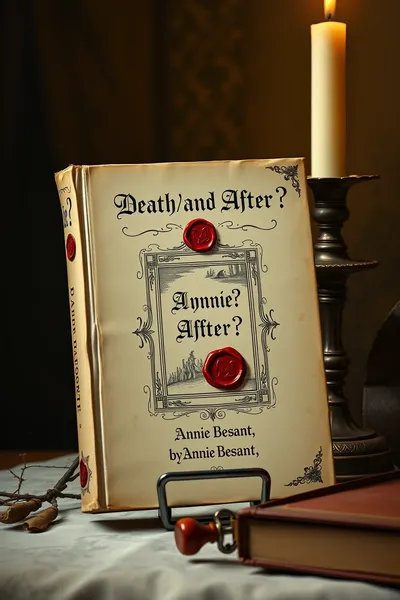
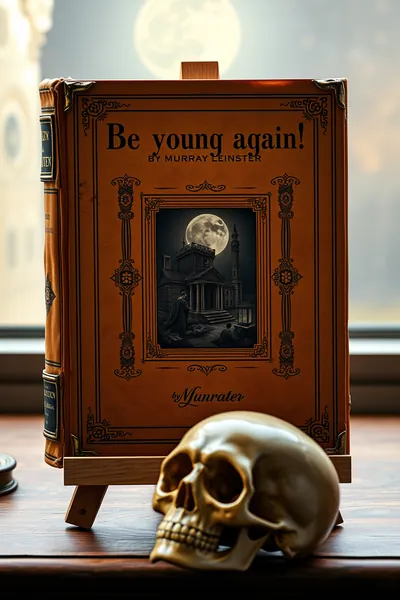
For those new to the concept, start with accessible introductions. Annie Besant's 'Death—and After?' provides a clear overview of spiritualist perspectives on life after death. William Quan Judge's 'The Ocean of Theosophy' offers a foundational understanding of theosophical ideas regarding reincarnation and spiritual evolution. 'Be young again!' by Murray Leinster offers a speculative, accessible take on prolonging life. These texts lay the groundwork for more complex explorations.
Intermediate Reading
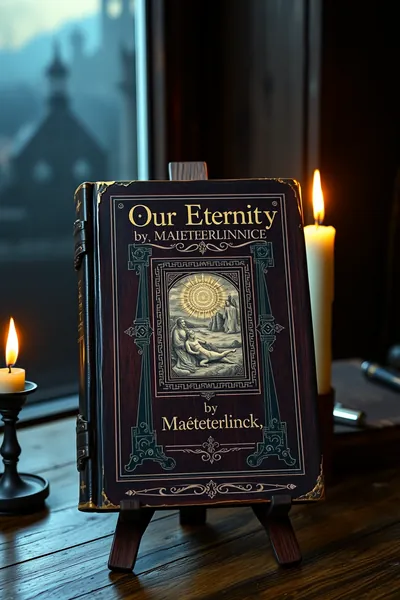
Moving beyond introductory concepts, explore specific traditions. 'The Way Of The Golden Elixir - An Introduction To Taoist Alchemy (Neidan)' by Eva Wong introduces the principles of internal alchemy for health and longevity. Albert Gallatin Mackey's 'The symbolism of Freemasonry' examines symbolic interpretations of eternal life within Masonic rituals. Maurice Maeterlinck's 'Our Eternity' explores philosophical and poetic reflections on enduring existence.
Classical / Advanced Texts
Serious students will engage with primary sources and detailed esoteric systems. 'The suppressed Gospels and Epistles of the original New Testament of Jesus the Christ, Volume 4, Nicodemus' by William Wake presents alternative early Christian texts. Charles Luk's 'Taoist Yoga: Alchemy & Immortality' offers in-depth translations and explanations of advanced Taoist practices. Franz Cumont's 'After Life in Roman Paganism' provides scholarly analysis of ancient beliefs.
Reading Order — Step by Step
Begin with foundational spiritualist and theosophical ideas. Weeks 1-2: Read Annie Besant's 'Death—and After?' and William Quan Judge's 'The Ocean of Theosophy'. Month 2: Transition to Taoist alchemy with Eva Wong's 'The Way Of The Golden Elixir' and explore Roman beliefs via Franz Cumont's 'After Life in Roman Paganism'. Month 3+: Look at advanced texts like Charles Luk's 'Taoist Yoga: Alchemy & Immortality' and symbolic systems such as Mackey's 'The symbolism of Freemasonry'.
Frequently Asked Questions
Which immortality book should I read first?
For a gentle introduction, start with Annie Besant's 'Death—and After?'. It offers clear explanations of spiritualist beliefs about life after death, providing a good foundation before exploring more complex traditions.
Are Taoist alchemy texts about literal immortality?
Taoist alchemy (Neidan) often uses the language of immortality to describe profound spiritual transformation and the attainment of vital energy, leading to greatly extended health and consciousness, rather than a literal endless physical existence.
What is the difference between Theosophy and other immortality concepts?
Theosophy posits a complex system of reincarnation and spiritual evolution across multiple lifetimes, aiming for ultimate spiritual liberation, distinct from religious ideas of a single afterlife or alchemical pursuits of physical preservation.
Do books on Roman paganism offer practical immortality methods?
Texts like 'After Life in Roman Paganism' focus on historical and philosophical beliefs about the afterlife and soul survival in ancient Rome, rather than providing practical methods for achieving immortality.
Can Freemasonry texts teach about immortality?
Albert Gallatin Mackey's 'The symbolism of Freemasonry' explores allegorical interpretations within Masonic rituals that touch upon themes of life, death, and potential spiritual continuation, offering symbolic rather than literal pathways.
What are 'suppressed Gospels' in relation to immortality?
Texts like William Wake's translation of the Gospel of Nicodemus explore early Christian traditions and apocryphal writings that offer different perspectives on Christ's life, death, and resurrection, touching on themes of salvation and eternal life.