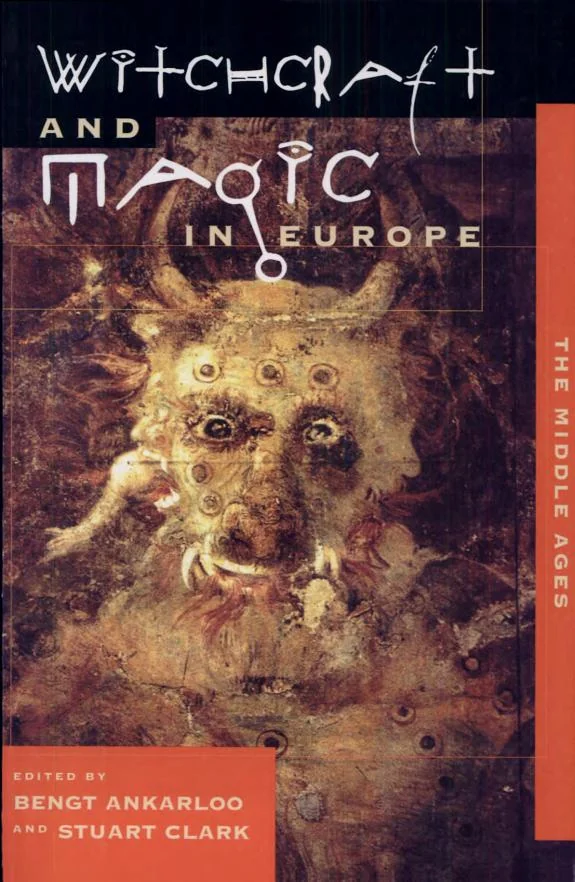
Witchcraft and Magic in Europe, Volume 3
 79
79

Witchcraft and Magic in Europe, Volume 3
The third volume of *Witchcraft and Magic in Europe* presents a dense, scholarly examination of its subject, moving beyond the sensationalist narratives that often dominate public discourse. Karen Louise Jolly, Edward Peters, and Catharina Raudvere have curated a collection that prioritizes historical accuracy and analytical depth. One particular strength lies in the detailed exploration of regional variations in magical beliefs and legal proceedings, such as the examination of specific accusations in early modern German territories. However, the volume's academic rigor can occasionally present a barrier for readers less familiar with the historiography of witchcraft studies, with some sections assuming a significant prior knowledge of the field. The detailed analysis of the Malleus Maleficarum's influence, for instance, is invaluable but requires careful attention. Ultimately, this is an indispensable resource for serious researchers, offering a critical perspective on the historical construction of witchcraft.
📝 Description
79
Published in 2002, Witchcraft and Magic in Europe, Volume 3, analyzes European supernatural beliefs across historical periods and regions.
This 2002 volume collects essays from academics focusing on specific historical periods and geographical areas within the study of European magic and witchcraft. It offers a modern, analytical view of how these phenomena were understood and experienced by Europeans throughout history. The work is primarily for academic readers, including historians of religion, folklore scholars, and specialists in medieval and early modern European history. It also appeals to students of esoteric traditions and comparative mythology who seek a rigorous, evidence-based understanding of witchcraft and magic. Readers interested in the intellectual history of belief systems will find substantial material within its pages.
The book emerged during a time of active academic interest in the history of magic, occultism, and demonology. Scholars were reassessing earlier accounts of witchcraft, aiming for nuanced analyses of social, cultural, and legal dimensions. The series itself represents a significant collaborative effort to synthesize diverse scholarship, addressing a need for comprehensive treatments of the subject. Its publication provided a scholarly counterpoint to more popular works on witchcraft.
This volume contributes to the scholarly examination of witchcraft and magic, moving beyond popular sensationalism. It situates these beliefs within their historical, cultural, and legal contexts, offering analyses that engage with intellectual history and the evolution of belief systems. The work reflects a broader academic effort to understand occultism and demonology through critical, evidence-based research, distinguishing it from less critically grounded popular accounts.
💡 Why Read This Book?
• Gain a nuanced understanding of the historical development of demonology and witchcraft accusations, moving beyond simplistic portrayals, as exemplified by the detailed analysis of legal texts from the late medieval period. • Explore the specific socio-cultural contexts that shaped European beliefs about magic, such as the role of folk healers and their interactions with official religious and legal bodies in regions like Scandinavia. • Appreciate the scholarly debate surrounding the history of magic, as evidenced by the critical engagement with primary sources and contemporary scholarly interpretations of the period.
⭐ Reader Reviews
Honest opinions from readers who have explored this book.
❓ Frequently Asked Questions
What is the primary focus of Witchcraft and Magic in Europe, Volume 3?
Volume 3 focuses on specific historical periods and European regions, examining scholarly surveys of supernatural beliefs and practices. It delves into the academic understanding of magic and witchcraft as presented by leading historians in the field.
Who are the main editors of this volume?
The main editors credited for Volume 3 are Karen Louise Jolly, Edward Peters, and Catharina Raudvere. Their expertise guides the selection and presentation of scholarly contributions within the series.
When was Witchcraft and Magic in Europe, Volume 3, first published?
Witchcraft and Magic in Europe, Volume 3, was first published on March 12, 2002. This date places it within a significant period of academic re-evaluation of witchcraft history.
What kind of scholarly approach does this volume take?
The volume adopts a modern, scholarly approach, providing a critical survey of supernatural beliefs. It emphasizes expertise in particular eras or regions, offering analytical perspectives rather than popular narratives.
Is this book suitable for beginners interested in witchcraft?
While informative, the book is geared towards academic readers and serious students. Beginners might find the scholarly depth and specialized terminology challenging without prior grounding in historical or esoteric studies.
Does this volume cover a specific geographical area or time period?
Each volume in the series focuses on particular eras or regions. Volume 3 contributes to the overarching survey by presenting specialized scholarship on selected aspects of European witchcraft and magic history.
🔮 Key Themes & Symbolism
Historiography of Witchcraft
This volume critically examines how the study of witchcraft and magic has evolved among scholars. It moves beyond earlier, often biased, accounts to present a more nuanced understanding grounded in rigorous historical methodology. The focus is on analyzing primary sources and re-evaluating interpretations, particularly concerning the legal and social ramifications of accusations, offering a scholarly perspective distinct from popular folklore.
Regional Belief Systems
A central theme is the exploration of diverse supernatural beliefs across different European regions and historical periods. The essays highlight how magic and witchcraft were understood and practiced differently in various cultural contexts, from Scandinavian folklore to the demonological theories prevalent in Central Europe. This comparative approach reveals the complex interplay of local traditions and broader intellectual currents.
The Social and Legal Construction of Magic
The work investigates how perceptions and accusations of magic and witchcraft were shaped by social structures and legal systems. It examines the historical development of laws and judicial practices related to sorcery, demonology, and heresy, demonstrating how these constructs influenced societal anxieties and the persecution of individuals. The scholarly analysis aims to clarify these historical phenomena.
Interplay of Folk and Elite Beliefs
Volume 3 explores the dynamic relationship between popular or folk beliefs concerning the supernatural and the more formalized doctrines of religious and intellectual elites. It investigates how magical practices, healing traditions, and notions of the demonic were integrated, contested, or suppressed within different social strata across Europe throughout history.
💬 Memorable Quotes
Direct passages from the work, attributed to the author.
“The series provides a modern, scholarly survey of European supernatural beliefs.”
— This statement underscores the volume's commitment to academic rigor, aiming to offer a critical and evidence-based perspective on historical notions of magic and witchcraft, distinct from sensationalized popular accounts.
“Each volume contains the work of distinguished scholars chosen for their expertise.”
— This highlights the curated nature of the series, emphasizing that the content is derived from highly specialized academic research, ensuring a high level of authority and in-depth analysis on specific aspects of European magical traditions.
“The work explores the evolution of demonological theory and its impact.”
— This concept points to the detailed examination of how theological and philosophical ideas about demonic influence developed over time and how these intellectual frameworks shaped perceptions and accusations of witchcraft in historical European societies.
“Regional variations in magical practices are a key focus.”
— This indicates that the volume will look at the specific ways magic and witchcraft were understood and enacted in different geographical areas of Europe, recognizing that beliefs and legal responses were not uniform across the continent.
“The series offers a survey from ancient times to the present day.”
— This broad scope signifies the project's ambition to trace the historical trajectory of supernatural beliefs and practices across a vast span of European history, providing a comprehensive, multi-volume overview.
🌙 Esoteric Significance
Tradition
While not explicitly aligned with a single esoteric tradition like Hermeticism or Kabbalah, this volume serves as crucial background for practitioners and scholars of Western Esotericism. By providing a rigorous historical account of witchcraft and magic, it contextualizes many elements that later informed or were absorbed into esoteric systems, offering a grounded perspective on practices often mythologized.
Symbolism
The work inherently deals with symbols and motifs associated with witchcraft, such as the sabbat, demonic pacts, and various forms of folk magic. These elements, explored through historical analysis, reveal their construction within specific cultural and religious frameworks, informing an esoteric practitioner's understanding of how these symbols have been historically charged and interpreted.
Modern Relevance
Contemporary practitioners of Wicca, Neo-Paganism, and various forms of ceremonial magic often draw upon historical understandings of witchcraft. This volume provides essential, scholarly context, allowing modern adherents to critically engage with the historical roots and societal perceptions of the practices they explore, fostering a more informed and historically aware approach to their traditions.
👥 Who Should Read This Book
• Historians of religion and European history seeking rigorous, evidence-based analyses of supernatural beliefs and their societal impact. • Students of folklore and comparative mythology interested in the academic study of witchcraft and magic across different cultures. • Practitioners and scholars of Western Esotericism looking to ground their understanding of magical traditions in historical context and scholarly research.
📜 Historical Context
Published in 2002, *Witchcraft and Magic in Europe, Volume 3* arrived during a period of intense academic re-evaluation of witchcraft studies. Following the foundational work of historians like Norman Cohn and the subsequent scholarly debates spurred by figures such as Keith Thomas and Carlo Ginzburg, the late 20th and early 21st centuries saw a proliferation of nuanced regional studies. This volume, part of a larger six-part series, contributed to this ongoing scholarly conversation by synthesizing expert research on specific eras and locales. It engaged with the intellectual currents of comparative religion and social history, offering a counterpoint to more sensationalized or folkloric interpretations. The academic reception was generally positive, acknowledging its contribution to a more sophisticated understanding of European magical traditions, though its density made it more suited for specialists than general readers.
📔 Journal Prompts
The historical construction of demonological theory and its perceived threat.
Regional variations in the legal prosecution of magic practitioners.
The social roles attributed to individuals accused of witchcraft.
The evolution of scholarly interpretations of medieval and early modern magic.
The intersection of folk beliefs and elite religious doctrines concerning the supernatural.
🗂️ Glossary
Demonology
The systematic study of demons and evil spirits, often within a theological framework. In historical witchcraft studies, it refers to the intellectual systems developed to explain the nature, actions, and influence of demonic forces.
Malleus Maleficarum
A notorious treatise on witchcraft, first published in 1487. It served as a handbook for witch-hunters, detailing the supposed nature of witches, their crimes, and methods for their detection and prosecution.
Sabbat
In historical demonology, the alleged nocturnal assembly of witches, often presided over by the Devil. This concept was a central element in many witchcraft accusations during the early modern period.
Witchcraft Accusations
The process by which individuals were formally or informally charged with practicing harmful magic or sorcery. These accusations had significant social, legal, and religious ramifications throughout European history.
Folk Magic
Magical practices rooted in popular traditions and beliefs, often transmitted orally and distinct from learned or ceremonial magic. It typically encompasses healing, divination, and charms for everyday concerns.
Legal Frameworks
The body of laws, judicial procedures, and legal precedents that governed the investigation, trial, and punishment of individuals accused of witchcraft in different European jurisdictions.
Historiography
The study of the writing of history. In this context, it refers to the analysis of how historians have studied, interpreted, and written about the history of witchcraft and magic.
This book appears in 1 collection
🔮 Readers Also Liked
Browse all →







From the “Demonology” Collection
View all →







More Free Esoteric History & Biography Books
View all →