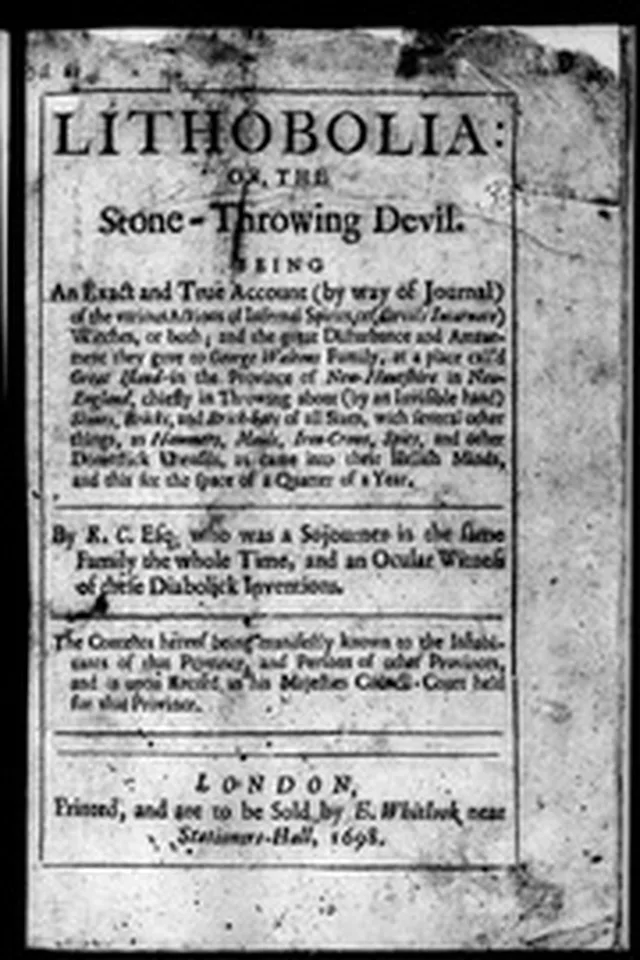
Lithobolia: or The stone-throwing devil. Being an exact and true account (by way of journal) of the various actions of infernal spirits, ... 1698: Iss 210
 77
77

Lithobolia: or The stone-throwing devil. Being an exact and true account (by way of journal) of the various actions of infernal spirits, ... 1698: Iss 210



Lithobolia: or The stone-throwing devil is a fascinating read for anyone interested in the occult and esoteric traditions. Published in 1698, this book provides a detailed and compelling account of supernatural phenomena, making it a valuable resource for modern esoteric seekers. The journal-like narrative offers a firsthand account of the actions of infernal spirits, providing a unique perspective on the beliefs and fears of the late 17th century. The text is rich in historical context, making it an excellent resource for scholars and enthusiasts of witchcraft and paganism. The detailed descriptions of the stone-throwing devil and other supernatural events are both chilling and captivating, offering a glimpse into the mind of a man deeply entrenched in the occult. For those seeking to deepen their understanding of the supernatural, Lithobolia is an essential read. It offers a wealth of information and insights that are as relevant today as they were over three centuries ago.
📝 Description
77
Richard Chamberlayne's 1698 journal recounts the alleged stone-throwing activities of infernal spirits in rural England.
Lithobolia details the 1682-1684 events at a Suffolk parsonage, where stones and other objects were reportedly thrown by unseen entities. Chamberlayne, a clergyman, meticulously recorded these occurrences in a journal format, attempting to understand and explain the phenomena through a religious and spiritual framework. The text describes specific incidents, the reactions of those present, and Chamberlayne's own interpretations of these actions as the work of devils or poltergeists. It presents a firsthand account of supernatural activity as understood and documented in the late 17th century.
The narrative focuses on the perceived assaults of malevolent spirits against individuals and the household. Chamberlayne views these events as a form of spiritual warfare, where physical disturbances serve as manifestations of an ongoing conflict between good and evil. The book invites readers to consider the nature of such phenomena and their place within a worldview that accepted direct spiritual intervention in the material world. It remains a curious document for anyone interested in historical accounts of the supernatural and the beliefs of the period.
This account fits within the broader tradition of early modern demonology and the study of witchcraft, which often involved cataloging and interpreting alleged supernatural occurrences. While not a grimoire or a theoretical treatise on magic, Lithobolia documents a specific case of perceived demonic interference. Such case studies were common, often serving to reinforce religious doctrines or to understand perceived threats to spiritual order. The text reflects a time when the boundaries between natural and supernatural causality were fluid and actively debated within religious and intellectual circles.
💡 Why Read This Book?
Reading Lithobolia today offers a unique opportunity to explore the historical context of the occult and witchcraft. This book provides valuable insights into the beliefs and fears of the late 17th century, making it an essential text for anyone interested in esoteric studies. By delving into the detailed accounts of supernatural phenomena, readers can gain a deeper understanding of the cultural and religious climate of the time. Lithobolia is a must-read for those seeking to expand their knowledge of the occult and for anyone curious about the supernatural. It offers a rich and engaging exploration of the esoteric world, making it a valuable addition to any library.
⭐ Reader Reviews
Honest opinions from readers who have explored this book.
❓ Frequently Asked Questions
What is Lithobolia about?
Lithobolia is a 1698 account by Richard Chamberlayne that details the actions of infernal spirits, focusing on the stone-throwing devil. It is a significant work in the literature of witchcraft and paganism.
Who should read this book?
This book is ideal for scholars, historians, and enthusiasts of the occult, witchcraft, and paganism. It provides valuable historical context and insights into supernatural beliefs.
What makes Lithobolia unique?
Lithobolia stands out for its detailed journal-like narrative and firsthand accounts of supernatural phenomena, offering a unique perspective on the occult during the late 17th century.
🔮 Key Themes & Symbolism
Demonology
Lithobolia explores the study of demons and their actions, providing a detailed account of infernal activities. This theme is central to understanding the book's esoteric significance and its place in the occult tradition.
Spiritual Warfare
The book explores the ongoing battle between good and evil, with the stone-throwing devil symbolizing the relentless assault of malevolent forces on the human psyche. This theme is rich in symbolism and philosophical depth.
Historical Occultism
Lithobolia offers a rare glimpse into the mindset of a 17th-century occultist, providing valuable insights into the historical practices and beliefs of the time. This theme is particularly relevant for scholars of occult history.
💬 Memorable Quotes
Direct passages from the work, attributed to the author.
“The book is a proof of the enduring fascination with the demonic and the supernatural.”
— This statement captures the timeless appeal of Lithobolia and its relevance to modern practitioners of the occult.
💡 Key Ideas
Editorial paraphrase of the work's core concepts — not direct quotes.
The stones, hurled by unseen hands, symbolize the relentless assault of malevolent forces.
This quote highlights the book's central theme of spiritual warfare and the constant struggle against evil.
The veil between the natural and supernatural is thin.
This passage underscores the book's mystical allure and the blurred lines between the seen and unseen worlds.
The journal entries offer a rare glimpse into the mindset of an occultist.
This quote emphasizes the historical significance of Lithobolia and its value to scholars of occult history.
The symbolism is rich and layered, inviting multiple interpretations.
This quote highlights the depth of Lithobolia's esoteric content and its potential for introspection and study.
🌙 Esoteric Significance
Tradition
Lithobolia belongs to the Hermetic tradition, which emphasizes the hidden knowledge and the interaction between the spiritual and material worlds. This tradition is characterized by its focus on the occult, alchemy, and theurgy.
Symbolism
Key symbols in Lithobolia include the stone-throwing devil, representing the relentless assault of malevolent forces, and the veil between the natural and supernatural, symbolizing the thin boundary between seen and unseen worlds.
Modern Relevance
Lithobolia remains relevant today for modern practitioners of the occult, who use its esoteric insights and symbolism to deepen their understanding of spiritual warfare and demonology. The book's detailed accounts provide valuable historical context and philosophical depth.
👥 Who Should Read This Book
Beginners in occult studies may find Lithobolia challenging due to its dense symbolism and historical context. However, scholars of occult history will appreciate its detailed accounts and esoteric insights. Spiritual seekers and practitioners of ritual magic will find the book's exploration of demonology and spiritual warfare particularly enlightening. Overall, Lithobolia is ideal for those with a background in occult studies and a keen interest in the darker aspects of spiritualism.
📜 Historical Context
Written in 1698, Lithobolia reflects the religious fervor and superstitions of the 17th century. This era was marked by a heightened interest in the occult and demonology, driven by the religious conflicts and witch trials of the time. The book's detailed accounts of infernal activities provide a unique perspective on the beliefs and practices of the period. Its influence can be seen in later works of demonology and spiritual warfare, making it a significant contribution to the occult literature of the time.
📔 Journal Prompts
Reflect on the symbolism of the stone-throwing devil in your own spiritual journey.
How does the concept of spiritual warfare resonate with your understanding of good and evil?
Consider the historical context of Lithobolia and its relevance to modern occult practices.
Explore the Hermetic tradition and its influence on your spiritual beliefs.
Write about a personal experience that parallels the themes of Lithobolia.
🗂️ Glossary
Demonology
The study of demons and their actions, often involving the exploration of malevolent spirits and their interactions with the human world.
Spiritual Warfare
The ongoing battle between good and evil, often depicted through symbolic actions and rituals aimed at protecting against malevolent forces.
Hermetic Tradition
A branch of occultism that emphasizes hidden knowledge and the interaction between the spiritual and material worlds, often involving alchemy and theurgy.
Infernal Spirits
Malicious spirits believed to cause harm and disruption in the human world, often associated with demonic entities.
Occult
The study of hidden or secret knowledge, often involving practices and beliefs related to magic, alchemy, and spiritualism.
This book appears in 2 collections
🔮 Readers Also Liked
Browse all →








From the “Witchcraft” Collection
View all →






More Free Witchcraft & Paganism Books
View all →