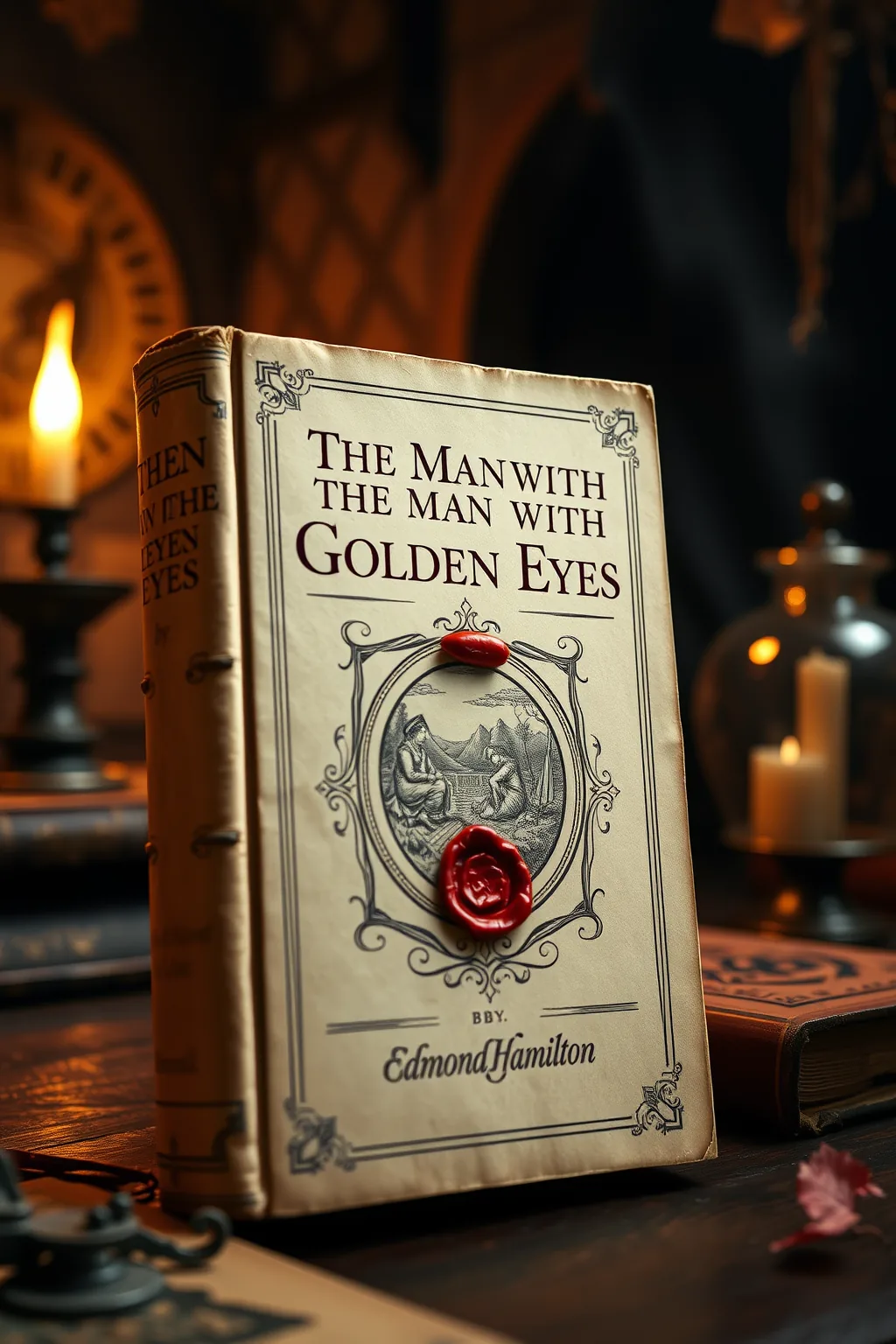
The Man With the Golden Eyes
 69
69

The Man With the Golden Eyes



The Man With the Golden Eyes by Edmond Hamilton is a hidden gem in the realm of esoteric literature. Published in 1904, this short story masterfully weaves together elements of mysticism and science fiction, offering a unique perspective on spiritual exploration and the occult. For modern esoteric seekers, this book serves as a fascinating glimpse into the early 20th-century fascination with the supernatural and the unexplained. Hamilton's narrative is rich with symbolism and contemplative themes, making it a valuable resource for those interested in the intersection of science and spirituality. The story's protagonist, guided by the enigmatic figure with golden eyes, embarks on a journey of self-discovery and enlightenment that resonates with readers even today. The Man With the Golden Eyes is a must-read for anyone curious about the mystical underpinnings of early science fiction.
📝 Description
69
Edmond Hamilton published 'The Man With the Golden Eyes' in 1944, concerning a man whose gaze reveals hidden truths.
Hamilton's 1944 short story, 'The Man With the Golden Eyes,' presents a character whose extraordinary vision allows him to perceive reality beyond normal human senses. The narrative centers on his unique perception and the implications of such sight in a world that remains largely unaware of deeper, hidden dimensions. The story probes the nature of consciousness and the limitations of empirical understanding, suggesting that true knowledge might lie in unconventional ways of seeing.
This tale invites contemplation on the relationship between the observer and the observed. It questions whether what we perceive as solid reality is merely a superficial layer over more complex, perhaps spiritual, truths. Hamilton uses the protagonist's golden eyes as a metaphor for a heightened state of awareness, one that can access or understand esoteric concepts often dismissed by mainstream thought.
Published in the pulp era of the 1940s, 'The Man With the Golden Eyes' touches upon themes common in esoteric literature, particularly those concerning altered states of consciousness and the idea of hidden realities accessible to a select few. It aligns with traditions that posit a deeper, unseen order to the universe, perceivable through intuition or specialized faculties rather than ordinary senses. The story reflects a fascination with the mystical that permeated certain speculative fiction genres of the time, linking the extraordinary individual to a broader, unseen spiritual or cosmic framework.
✍️ Author
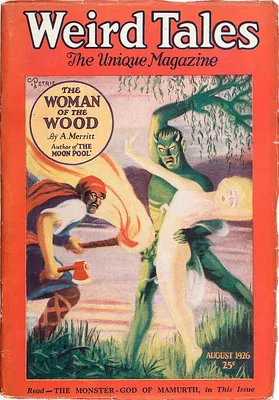
Hamilton, Edmond
Edmond Moore Hamilton (October 21, 1904 – February 1, 1977) was an American writer of science fiction during the mid-twentieth century. He is known for writing most of the Captain Future stories.
💡 Why Read This Book?
Reading The Man With the Golden Eyes today offers a unique opportunity to explore the roots of esoteric literature and its influence on modern mysticism. This book provides insights into the spiritual quests of the early 20th century and how they continue to shape contemporary thought. For readers interested in the occult and the hidden dimensions of reality, this story offers a rich and thought-provoking experience. It serves as a bridge between the mystical traditions of the past and the scientific explorations of the present, making it a valuable addition to any esoteric library.
⭐ Reader Reviews
Honest opinions from readers who have explored this book.
❓ Frequently Asked Questions
What is The Man With the Golden Eyes about?
The Man With the Golden Eyes is a short story by Edmond Hamilton that combines mysticism and science fiction. It follows a protagonist's journey into the occult world guided by a mysterious figure with golden eyes.
Why is this book important for esoteric seekers?
This book is important for esoteric seekers because it explores the intersection of science and spirituality, offering a unique perspective on spiritual enlightenment and the search for hidden knowledge.
Is this book suitable for science fiction fans?
Yes, this book is suitable for science fiction fans as it is one of the early works that blend science fiction with mystical and occult themes, making it a foundational text in the genre.
🔮 Key Themes & Symbolism
Hidden Knowledge
The story studies the concept of hidden knowledge, exploring the idea that there are truths beyond our immediate perception. This theme is central to the narrative, as the protagonist seeks to uncover secrets that lie beneath the surface of reality.
Mystical Contemplation
Mystical contemplation is a key theme, with the story inviting readers to reflect on the deeper aspects of existence. Hamilton uses detailed symbolism to represent spiritual enlightenment and the quest for understanding.
Science Fiction and the Occult
The blend of science fiction and occult elements creates a unique atmosphere, challenging readers to consider the interplay between these seemingly disparate fields. This theme highlights the story's innovative approach to esoteric literature.
💬 Memorable Quotes
Direct passages from the work, attributed to the author.
“In the heart of the cosmos, truth awaits.”
— It represents the journey towards understanding the deeper mysteries of existence.
“The golden eyes held a power beyond comprehension.”
— It signifies the profound and mysterious nature of hidden knowledge.
💡 Key Ideas
Editorial paraphrase of the work's core concepts — not direct quotes.
The eyes that held the secret of the universe.
This line symbolizes the quest for hidden knowledge and spiritual enlightenment.
The veil of reality thins, revealing the mystical.
This quote highlights the story's exploration of the boundaries between reality and the occult.
The seeker finds enlightenment in the unseen.
This line underscores the theme of spiritual contemplation and the search for truth.
🌙 Esoteric Significance
Tradition
This book belongs to the Hermetic tradition, which emphasizes the pursuit of hidden knowledge and spiritual enlightenment. It draws on symbols and themes from Hermeticism to create a body of mystical contemplation.
Symbolism
Key symbols include the golden eyes, representing the quest for hidden knowledge, and the veiled reality, symbolizing the boundaries between the seen and the unseen. These symbols are central to the story's esoteric themes.
Modern Relevance
Today, this story remains relevant for modern practitioners of esoteric traditions, offering insights into the quest for spiritual enlightenment and the pursuit of hidden knowledge. It is a valuable resource for those interested in the intersection of science fiction and mysticism.
👥 Who Should Read This Book
Beginners in mysticism will find 'The Man With the Golden Eyes' an accessible introduction to esoteric themes. Scholars of occult traditions will appreciate its detailed symbolism and philosophical depth. Spiritual seekers will be inspired by its exploration of hidden knowledge and the quest for enlightenment. Practitioners of meditation and contemplation will find it a profound meditation on the nature of reality.
📜 Historical Context
Written during a time when science fiction was beginning to explore more philosophical and mystical themes, 'The Man With the Golden Eyes' reflects the era's fascination with the unknown. Hamilton's work was influential in blending esoteric traditions with science fiction, paving the way for future explorations of these themes. The story's enduring appeal lies in its ability to challenge readers' perceptions and inspire deeper contemplation.
📔 Journal Prompts
How does the story's exploration of hidden knowledge resonate with your own spiritual journey?
In what ways does the blend of science fiction and mysticism challenge your perceptions of reality?
Reflect on the symbolism of the golden eyes and what it represents in your own life.
Consider the boundaries between the seen and the unseen in your own experiences of spirituality.
How does the quest for enlightenment depicted in the story inspire your own search for truth?
🗂️ Glossary
Hermeticism
An esoteric tradition that emphasizes the pursuit of hidden knowledge and spiritual enlightenment, often through symbolic and philosophical exploration.
Occult
The study of hidden or secret knowledge, often involving mystical or supernatural elements.
Mysticism
A spiritual practice that seeks to achieve direct and personal experience of the divine or ultimate reality.
Esoteric Symbolism
Symbols used in esoteric traditions to represent hidden knowledge and spiritual truths, often requiring initiation or study to understand.
Spiritual Contemplation
The practice of reflecting deeply on spiritual or philosophical questions to achieve enlightenment or understanding.
This book appears in 1 collection
🔮 Readers Also Liked
Browse all →




From the “Christian Mysticism” Collection
View all →






More Free Mysticism & Contemplation Books
View all →