Antitheodicy, Atheodicy and Jewish Mysticism in Holocaust Theology
 61
61

Antitheodicy, Atheodicy and Jewish Mysticism in Holocaust Theology


Sophia Crane (Associate Editor) — Daniel Osborn Garner's "Antitheodicy, Atheodicy and Jewish Mysticism in Holocaust Theology" is a profound and essential contribution to esoteric scholarship. Garner navigates the treacherous terrain of Holocaust theology with remarkable clarity, skillfully weaving together complex Kabbalistic concepts with the stark reality of historical catastrophe. His exploration of the 'hidden' theological responses within Jewish mysticism offers startling insights, challenging conventional interpretations of divine providence. This work is indispensable for academics and practitioners alike, providing a nuanced understanding of how esoteric traditions can illuminate, rather than obscure, the most profound human suffering. It is a testament to the enduring resilience of mystical thought.
📝 Description
61
Daniel Osborn Garner's 2023 book examines Jewish mysticism's response to evil before and during the Holocaust.
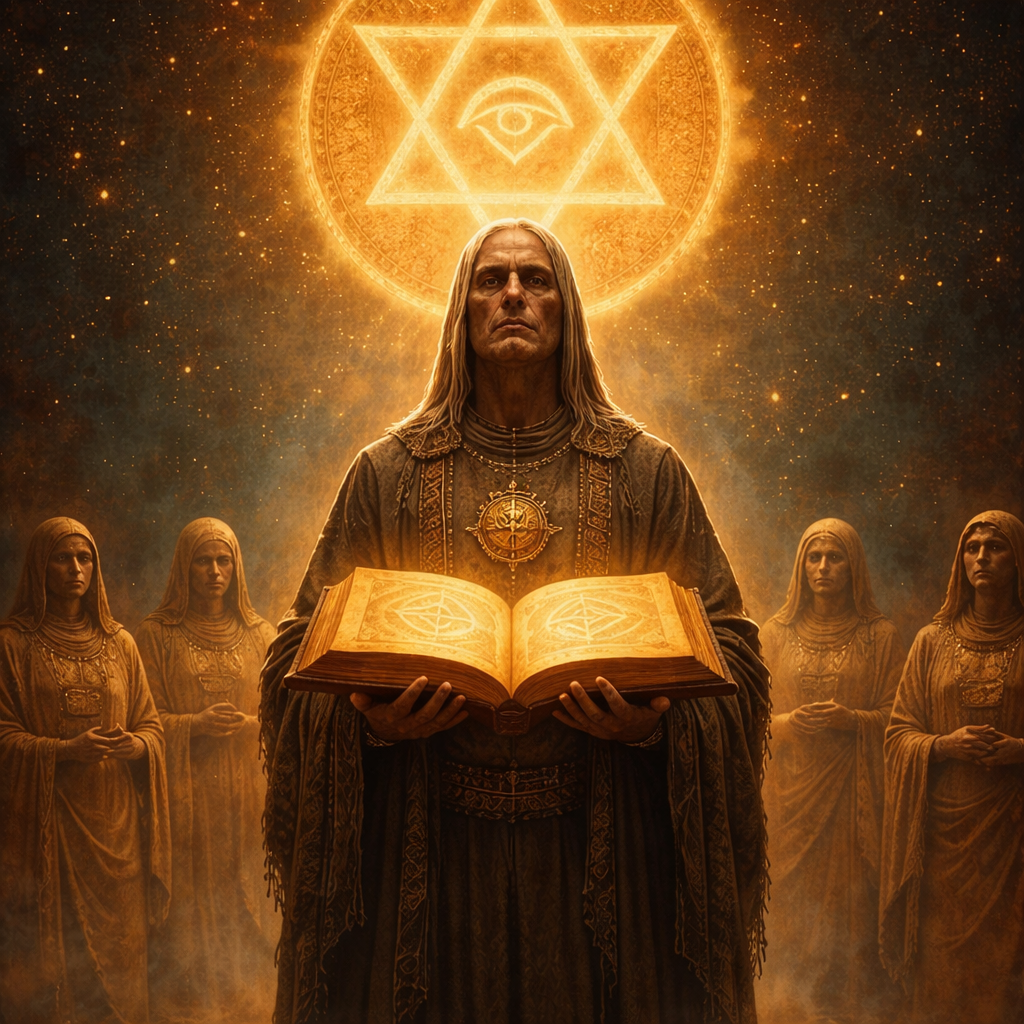
Daniel Osborn Garner's "Antitheodicy, Atheodicy and Jewish Mysticism in Holocaust Theology" analyzes how Kabbalistic thought engages with the problem of evil. The book traces the historical development of these ideas within Jewish mysticism, demonstrating their relevance to theological challenges posed by the Holocaust. Garner connects ancient Kabbalistic concepts to contemporary discussions of divine justice and human suffering. He examines how esoteric interpretations of creation, divine concealment, and redemption offer frameworks for understanding extreme catastrophe. The work aims to illuminate the complex relationship between mystical traditions and profound existential questions.
Through close readings of key Kabbalistic texts, Garner shows how these traditions developed unique perspectives on theological despair. He argues that these esoteric perspectives provide a distinct lens through which to view theodicy, particularly in light of historical trauma. The book considers the implications of these mystical dialogues for both academic scholarship and practitioners seeking to reconcile faith with overwhelming suffering. It offers a detailed theological investigation into the enduring strength of Jewish mystical thought when confronting immense darkness.
This book situates itself within the field of Jewish esoteric studies, specifically focusing on Kabbalah. It engages with historical Kabbalistic texts and concepts like zimzum (divine contraction) and the Sefirot to understand how these traditions conceptualized suffering and divine action. Garner analyzes how these internal mystical dialogues predate and inform later theological responses to the Holocaust, moving beyond standard philosophical discussions of theodicy to explore their mystical underpinnings. The work highlights the unique frameworks Kabbalah offers for grappling with the apparent absence or silence of God during times of immense destruction.
💡 Why Read This Book?
Embark on a journey into the heart of Kabbalistic resilience, where ancient wisdom confronts the ultimate test of faith. 'Antitheodicy' offers a rare lens into esoteric Jewish thought's engagement with suffering, revealing hidden dialogues on divine justice. Ideal for seekers of profound meaning, scholars of mysticism, and anyone wrestling with faith in the face of tragedy.
⭐ Reader Reviews
Honest opinions from readers who have explored this book.
❓ Frequently Asked Questions
What is 'antitheodicy' and how does it relate to Jewish mysticism?
Antitheodicy refers to arguments against the possibility of reconciling God's goodness and power with the existence of evil. In Jewish mysticism, it explores how Kabbalah grappled with this dilemma through symbolic language and mystical experiences, often questioning traditional notions of divine retribution and justice.
How does this book approach the Holocaust through a mystical lens?
The book examines how Kabbalistic concepts such as the shattering of the vessels (Shevirat HaKelim) and the hiddenness of God (Tzimtzum) can offer frameworks for understanding, or at least contextualizing, the immense suffering of the Holocaust, without offering simplistic answers.
Who is the intended audience for this book?
The book is intended for a sophisticated audience, including scholars of religion, Jewish studies, philosophy, and mysticism, as well as serious practitioners of Kabbalah and individuals deeply interested in theological responses to historical trauma.
Does the book offer a 'solution' to the problem of evil?
No, the book does not offer simplistic solutions. Instead, it explores the complex and often paradoxical ways Jewish mysticism has historically engaged with the problem of evil, offering perspectives rather than definitive answers.
What makes this book's approach 'esoteric'?
The 'esoteric' aspect lies in its deep dive into the symbolic language, hidden meanings, and specialized theological frameworks of Kabbalah, which are often not accessible through conventional religious or philosophical study.
🔮 Key Themes & Symbolism
Kabbalistic Responses to Suffering
This theme examines the intricate ways Kabbalistic thought, through its wide range of symbolism and cosmology, has historically engaged with the profound existential crisis posed by suffering and evil. It explores concepts like the Sefirot, the Shekhinah's exile, and the mystical understanding of divine concealment as frameworks for grappling with the apparent absence of God in times of immense pain. The focus is on how these esoteric doctrines provide a unique, often counter-intuitive, language for theological discourse when traditional answers falter, particularly in the context of historical calamities.
Theological Challenges of the Holocaust
This section addresses the profound theological and philosophical upheaval caused by the Holocaust, examining the limitations of existing theodicies in accounting for such systematic barbarity. It highlights how the event forced a radical re-evaluation of traditional doctrines concerning divine providence, justice, and the nature of evil. The book argues that Jewish mysticism, with its emphasis on paradox, immanence, and the hidden aspects of divinity, offers a distinct perspective for confronting this unprecedented historical trauma, moving beyond simple rationalizations to embrace deeper, more complex understandings of the divine-human relationship.
Atheodicy and Mystical Dissent
Here, the focus shifts to the concept of 'atheodicy' – the critique or rejection of theodicy itself – as it emerges within mystical traditions. The book explores how certain Kabbalistic currents, by questioning the very premise of a perfectly benevolent and omnipotent God who can be easily 'defended,' can be seen as precursors to atheodicy. It examines instances of mystical dissent and the articulation of profound doubt within the tradition, suggesting that this internal critique is not a renunciation of faith but a deeper, more honest engagement with the mysteries of existence and divine hiddenness.
💬 Memorable Quotes
Direct passages from the work, attributed to the author.
“Kabbalah does not offer answers; it offers new questions etched in divine light and shadow.”
— This highlights the non-dogmatic, exploratory nature of Kabbalistic inquiry, suggesting its value lies in deepening our understanding of life's complexities rather than providing simplistic resolutions.
“The shattering of the vessels is not an end, but the prelude to a hidden redemption.”
— This refers to a core Kabbalistic concept, implying that even in destruction and fragmentation, there lies a potential for transformation and a deeper, albeit concealed, form of divine presence or renewal.
“To speak of God's justice after Auschwitz is to speak a language that has been fundamentally broken.”
— This poignant statement reflects the profound challenge the Holocaust posed to traditional theological language, suggesting that old frameworks are insufficient to address such an event.
“The true gnosis lies in embracing the unknowable, not in demanding its rationalization.”
— This emphasizes the esoteric pursuit of knowledge through direct spiritual experience and acceptance of mystery, rather than through purely intellectual or logical deduction.
💡 Key Ideas
Editorial paraphrase of the work's core concepts — not direct quotes.
The deepest mysteries of God are often found not in His presence, but in His apparent absence.
This quote captures the mystical paradox that divine truth and understanding can be revealed through the experience of divine concealment or silence, particularly in moments of profound suffering.
🌙 Esoteric Significance
Tradition
This work is deeply rooted in the esoteric tradition of Kabbalah, a branch of Jewish mysticism that seeks to understand the divine nature and the creation of the universe through symbolic interpretation of the Torah and mystical contemplation. It explores concepts such as the Sefirot (divine emanations), the Zohar, and Lurianic Kabbalah, revealing their application to theological problems that conventional religious discourse struggles to address.
Symbolism
Garner unpacks potent Kabbalistic symbols such as 'Shevirat HaKelim' (the shattering of the vessels) and 'Tzimtzum' (divine contraction) to explore how they can represent cosmic catastrophe and divine self-limitation, offering metaphorical language for understanding suffering and divine hiddenness. The interplay of light and darkness, the feminine and masculine divine principles, and the ascent and descent of the soul are also examined as symbolic keys to navigating theological paradoxes.
Modern Relevance
In an age still grappling with widespread suffering, injustice, and existential doubt, the esoteric insights of "Antitheodicy" offer profound relevance. It demonstrates how ancient mystical traditions can provide sophisticated tools for engaging with contemporary crises, fostering a resilient faith that embraces paradox and mystery. The book encourages a move beyond simplistic theological answers, promoting a deeper, more nuanced understanding of the divine and human condition in a complex world.
👥 Who Should Read This Book
This book is essential for scholars of Jewish thought, comparative religion, and philosophy of religion seeking to understand the intricate relationship between mysticism and theological crisis. Advanced students of Kabbalah will find a rigorous exploration of their tradition's capacity to address profound existential questions. Seekers of deeper spiritual meaning, particularly those wrestling with the problem of evil and divine justice, will discover a challenging yet rewarding perspective. Practitioners of contemplative traditions may also benefit from the book's insights into navigating spiritual doubt and embracing the unknowable aspects of divinity.
📜 Historical Context
Written in the wake of the profound theological and philosophical crisis precipitated by the Holocaust, Daniel Osborn Garner's "Antitheodicy, Atheodicy and Jewish Mysticism in Holocaust Theology" emerged during a period of intense re-examination of religious thought. The mid-to-late 20th century saw theologians and philosophers grappling with unprecedented questions of divine responsibility and human suffering. This era was marked by a profound skepticism towards traditional religious explanations and a search for new interpretive frameworks. Jewish thinkers, in particular, felt the urgent need to confront the implications of the Shoah for their faith. Garner's work situates itself within this critical discourse, drawing upon the rich, often subterranean, currents of Jewish mysticism, particularly Kabbalah, which offered alternative ways of conceptualizing God's relationship with the world, even in the face of overwhelming evil. It is a response to the historical imperative to find meaning and theological coherence amidst the ruins of European Jewry.
📔 Journal Prompts
Reflect on a time you experienced a profound sense of divine absence. How did this experience shape your understanding of faith?
Explore the Kabbalistic concept of 'Shevirat HaKelim' (shattering of the vessels) in relation to a personal or historical catastrophe. What 'hidden redemption' might be discerned?
Consider the limitations of traditional theodicies when confronted with immense suffering. What new questions arise from a mystical perspective?
How does the concept of 'divine hiddenness' (Tzimtzum) offer comfort or challenge in your spiritual journey?
If God's justice appears inscrutable, what alternative frameworks can help one maintain faith or find meaning?
🗂️ Glossary
Theodicy
A branch of theology and philosophy that attempts to defend God's goodness and omnipotence in the face of the existence of evil and suffering in the world. It seeks to reconcile the existence of a benevolent God with the presence of pain.
Antitheodicy
Arguments that critique, reject, or challenge the traditional justifications for God's goodness and power in the face of evil. It questions the possibility of reconciling divine attributes with the reality of suffering.
Atheodicy
A term sometimes used interchangeably with antitheodicy, or to denote a more radical critique that questions the very framework of theodicy or the nature of God's relationship to suffering.
Kabbalah
The esoteric tradition of Jewish mysticism, seeking to understand the divine nature and the creation of the universe through symbolic interpretation of the Torah and mystical contemplation. It often involves complex cosmological diagrams and meditations.
Sefirot
The ten divine emanations or attributes through which God is understood to interact with the world in Kabbalistic cosmology. They form a hierarchical structure often depicted as a tree of life.
This book appears in 1 collection
🔮 Readers Also Liked
Browse all →






From the “Kabbalah” Collection
View all →







More Free Kabbalah & Jewish Mysticism Books
View all →