The Sufism of the Rubáiyát, or, the Secret of the Great Paradox
 68
68

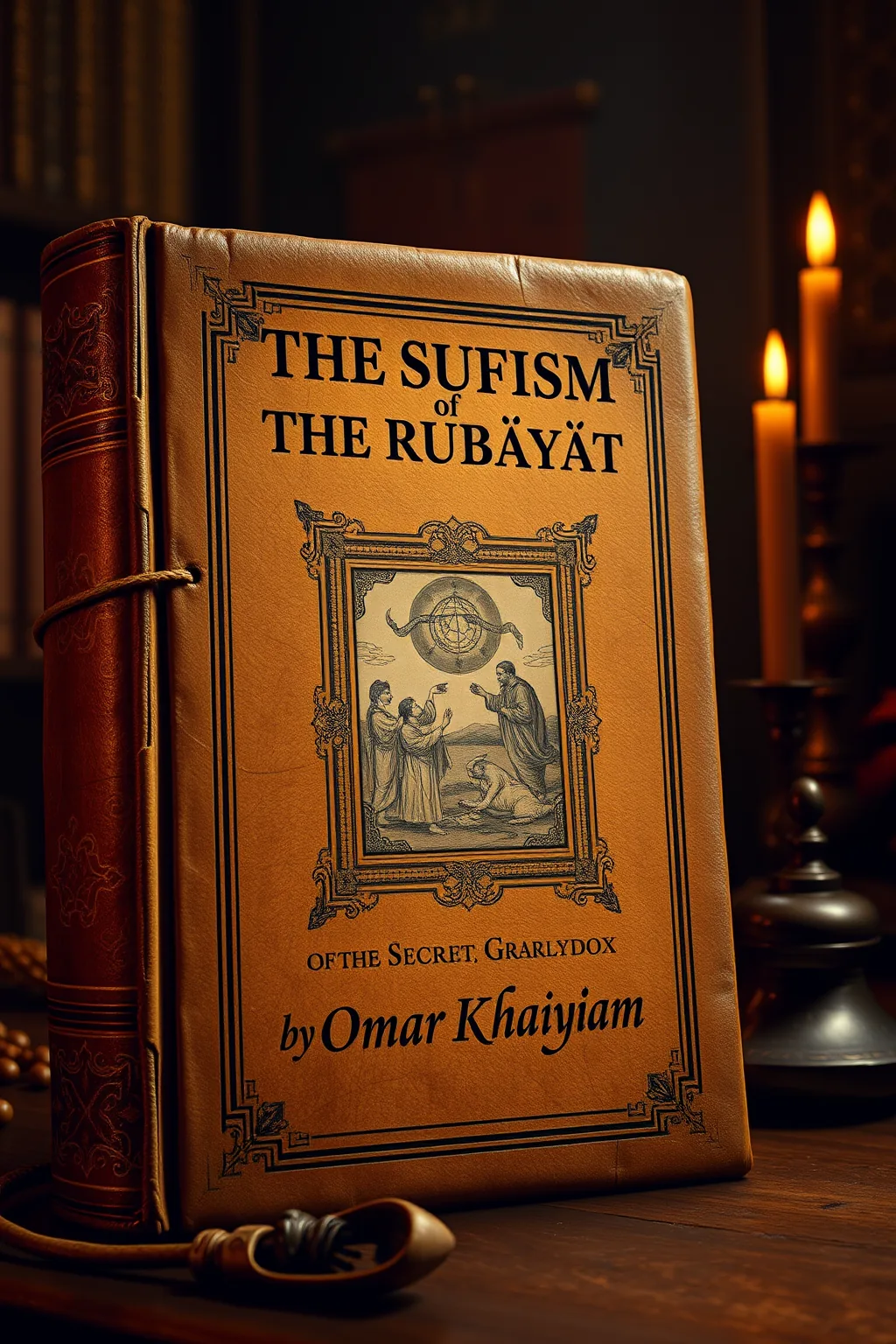
The Sufism of the Rubáiyát, or, the Secret of the Great Paradox



The Sufism of the Rubáiyát offers a treasure trove of mystical insights for modern esoteric seekers. Omar Khayyam's quatrains, beautifully translated, provide a window into the depths of Sufi philosophy. The book's exploration of the great paradoxes of existence—such as the tension between the eternal and the ephemeral—makes it a compelling read for those interested in the occult and mysticism. The Rubáiyát's poetic language and philosophical depth invite readers to contemplate the mysteries of life and the divine. For contemporary seekers, this text serves as a bridge between ancient wisdom and modern spiritual inquiry. It is a must-read for anyone interested in the esoteric traditions of the East.
📝 Description
68
Omar Khayyam's 'The Sufism of the Rubáiyát' (1909) connects the Persian poet's quatrains to Sufi metaphysics.
This volume unpacks Omar Khayyam's Rubáiyát through the lens of Sufi thought. It argues that the poet's verses, often read as purely carpe diem reflections, actually contain deeper spiritual meanings aligned with Islamic mysticism. The book examines how concepts like divine love, the nature of reality, and the path to spiritual realization are encoded within Khayyam's seemingly simple quatrains.
It posits that the "great paradox" refers to the Sufi understanding of unity between the Creator and creation, a concept often misunderstood in secular interpretations. The text aims to reveal the esoteric underpinnings of the Rubáiyát, suggesting a hidden Sufi commentary woven into the poetic fabric. Readers will find an interpretation that seeks to reconcile the outward form of the poetry with an inner mystical doctrine.
This work situates Omar Khayyam's Rubáiyát within the broader Sufi tradition, a mystical branch of Islam that emphasizes direct experience of God. Sufism often employs allegorical language and poetry to convey spiritual truths, a practice this book argues Khayyam utilized. It connects the Rubáiyát's themes to core Sufi concepts such as *wahdat al-wujud* (unity of being) and the soul's journey toward the Divine. The book suggests that understanding Khayyam requires recognizing this esoteric framework, moving beyond literal or purely hedonistic readings.
✍️ Author
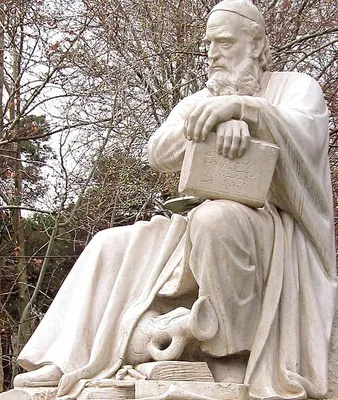
Omar Khayyam
The Rubáiyát of Omar Khayyám is an 1859 translation from Persian to English by Edward FitzGerald of a selection of quatrains (rubāʿiyāt) attributed to Omar Khayyam (1048–1131), dubbed "the Astronomer-Poet of Persia". Although commercially unsuccessful at …
💡 Why Read This Book?
Reading The Sufism of the Rubáiyát today offers a unique opportunity to delve into the rich mystical traditions of Sufism. This book provides readers with a deeper understanding of the esoteric dimensions of Persian poetry and the profound philosophical questions it raises. By engaging with Omar Khayyam's quatrains, readers can gain insights into the nature of existence, the search for divine truth, and the impermanence of life. This text is particularly valuable for those seeking to expand their spiritual horizons and explore the mystical traditions of the East.
⭐ Reader Reviews
Honest opinions from readers who have explored this book.
❓ Frequently Asked Questions
What is the significance of the Rubáiyát in Sufism?
The Rubáiyát holds great significance in Sufism as it is believed to contain hidden mystical meanings and secrets. These quatrains are seen as a pathway to deeper spiritual understanding and contemplation.
How does Omar Khayyam's background influence his poetry?
Omar Khayyam's background as a mathematician and astronomer deeply influences his poetry, blending scientific inquiry with mystical contemplation. This interdisciplinary approach enriches the philosophical depth of his work.
Is this book suitable for beginners in esoteric studies?
While The Sufism of the Rubáiyát is accessible to beginners, its esoteric and philosophical themes may require some prior knowledge of Sufism and mystical traditions for a deeper understanding.
🔮 Key Themes & Symbolism
The Mystery of Existence
The book explores the profound question of existence through Sufi mysticism, inviting readers to contemplate the deeper meaning of life and the universe. Khayyam's verses offer a spiritual journey into the heart of reality, revealing the hidden dimensions of being.
Symbolism and Hidden Knowledge
Khayyam's poetry is rich in symbolism, with each verse holding layers of esoteric wisdom. The book explores these symbols, providing readers with a deeper understanding of Sufi teachings and the hidden knowledge embedded within the Rubaiyat.
The Path of Spiritual Enlightenment
The Sufism of the Rubáiyát guides readers along the path of spiritual enlightenment, offering insights into the practices and principles of Sufi mysticism. Through contemplation and introspection, readers can uncover the spiritual truths that lie at the heart of Khayyam's verses.
💬 Memorable Quotes
Direct passages from the work, attributed to the author.
“The moving finger writes, and having writ, moves on: nor all thy piety nor wit shall lure it back to cancel half a line.”
— This verse highlights the inevitability of fate and the impermanence of life, a central theme in Sufi mysticism.
“Yesterday this Day's mad gleam we sought; to-morrow will be as smart a day.”
— Khayyam emphasizes the importance of living in the present moment, a key tenet of Sufi spirituality.
“Ah, make the most of what we yet may spend, Before we too into the Dust descend; Dust into Dust, and under Dust, to lie, Without even a grave, a name, or a ply.”
— Khayyam's words serve as a reminder of the fleeting nature of life and the importance of seeking spiritual truth.
“And those who husbanded the Golden Grain, And those who flung it to the Winds like Rain, Alike to you both did the Earth say, 'Come, for there is but a step between the twain.'”
— This verse underscores the Sufi concept of detachment from material possessions and the equality of all beings in the eyes of God.
💡 Key Ideas
Editorial paraphrase of the work's core concepts — not direct quotes.
Into this Universe, and why not knowing, Nor whence, like Water willy-nilly flowing; And out of it, as Wind along the Waste, I know not whither, willy-nilly blowing.
This passage reflects the Sufi belief in the interconnectedness of all things and the mystery of existence.
🌙 Esoteric Significance
Tradition
This book belongs to the Sufi tradition, which emphasizes the inner, mystical dimensions of Islam. Sufism seeks to uncover the hidden truths of existence through spiritual practices, contemplation, and the pursuit of enlightenment.
Symbolism
Key symbols in the book include the wine cup, representing spiritual intoxication; the rose, symbolizing the beauty and impermanence of life; and the nightingale, signifying the soul's longing for union with the divine.
Modern Relevance
The esoteric teachings of 'The Sufism of the Rubáiyát' remain relevant today, offering modern practitioners a path to spiritual enlightenment and self-discovery. Contemporary scholars and spiritual seekers continue to draw upon Khayyam's wisdom to deepen their understanding of Sufi mysticism and its application to modern life.
👥 Who Should Read This Book
Beginners interested in Sufism will find this book an accessible introduction to the mystical teachings of Islam. Scholars of Sufism will appreciate the depth of esoteric insights and the careful interpretation of Khayyam's verses. Spiritual seekers will benefit from the contemplative nature of the text, which encourages introspection and spiritual growth. Practitioners of Sufi mysticism will find valuable guidance and inspiration in the book's exploration of spiritual practices and principles.
📜 Historical Context
Written during the 12th century in Persia, 'The Sufism of the Rubáiyát' reflects the rich cultural and spiritual heritage of the region. Omar Khayyam, a renowned mathematician, astronomer, and poet, drew upon his deep understanding of Sufi mysticism to create a body of work that has endured for centuries. The Rubaiyat's influence can be seen in various literary and philosophical movements, particularly in its exploration of the human condition and the search for spiritual truth. The book's enduring popularity is a proof of its timeless relevance and the universal themes it addresses.
📔 Journal Prompts
How do the themes of impermanence and fate resonate with your personal spiritual journey?
What symbols in the Rubaiyat speak to you the most, and why?
In what ways does the book challenge or affirm your understanding of Sufi mysticism?
How can you apply the teachings of 'The Sufism of the Rubáiyát' to your daily life?
What insights have you gained about the nature of existence through reading this book?
🗂️ Glossary
Sufism
The mystical branch of Islam that emphasizes the inner, spiritual dimensions of the faith.
Rubaiyat
A collection of quatrains, or four-line poems, often dealing with philosophical and spiritual themes.
Esoteric
Relating to knowledge that is hidden or revealed only to a select few.
Mysticism
The pursuit of communion with, or conscious awareness of, ultimate reality, the divine, spiritual truth, or God.
Symbolism
The use of symbols to represent ideas or qualities, often in a literary or artistic context.
This book appears in 2 collections
🔮 Readers Also Liked
Browse all →





More by Omar Khayyam
All books →
From the “Christian Mysticism” Collection
View all →







More Free Mysticism & Contemplation Books
View all →