mysticism-in-english-literature
 83
83

mysticism-in-english-literature



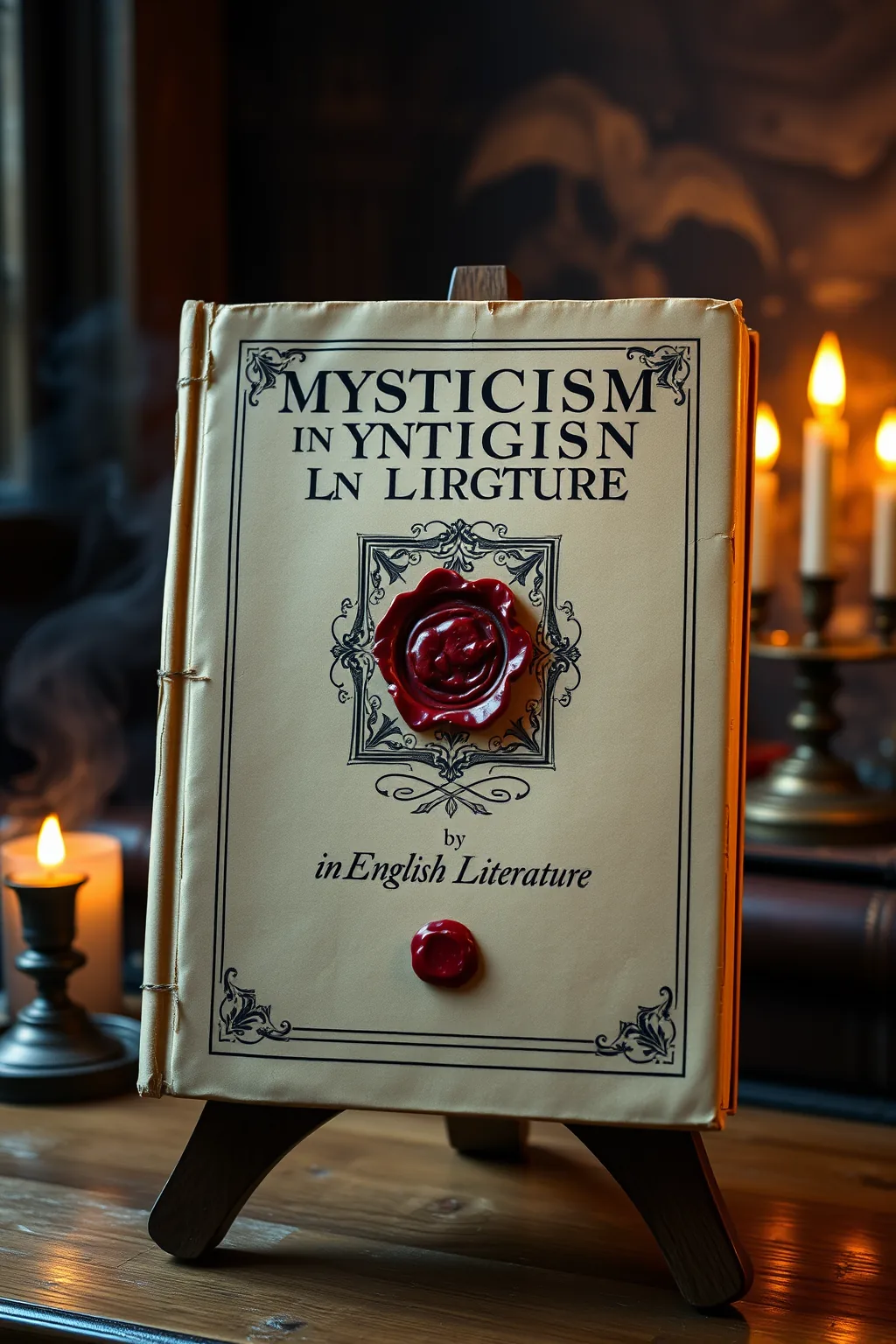
Mysticism in English Literature is a captivating journey into the esoteric heart of classic English literature. For modern esoteric seekers, this book provides invaluable insights into how mystical themes have been woven into the fabric of literary masterpieces. The author's meticulous research and deep understanding of both literary and occult traditions make this a standout work. The book's exploration of authors like William Blake and Emily Brontë offers fresh perspectives on their works, revealing layers of meaning that often go unnoticed. The historical context provided enriches the reading experience, making it clear how mysticism has evolved and influenced literature over the centuries. This book is a must-read for anyone interested in the spiritual dimensions of literature.
📝 Description
83
This book examines mysticism's presence in English literature from Chaucer to modern times.
Published anonymously, 'Mysticism in English Literature' investigates the spiritual and hidden currents within canonical English texts. The work identifies symbolic patterns and contemplative practices that shape literary meaning, moving beyond surface interpretation. It argues that many familiar poems and novels contain layers of esoteric thought, influencing their structure and thematic development.
The author details how mystical ideas, drawn from various traditions, appear in the works of figures like Blake, Donne, and Woolf. The book does not claim these authors were necessarily mystics themselves, but rather that their writings engage with mystical concepts and imagery. It provides close readings of specific passages to illustrate these connections, encouraging readers to see literary works as conduits for deeper philosophical and spiritual exploration.
The text aims to illuminate these often overlooked aspects of English literary history. It seeks to offer a framework for understanding how mystical thought has shaped literary expression and continues to resonate with contemporary readers interested in the intersection of literature and spirituality.
This work fits within the broader study of esotericism in Western culture, specifically focusing on its manifestation in literary forms. It draws from traditions such as Neoplatonism, Hermeticism, and Christian mysticism, examining how these ideas were adapted and expressed through English literary language. The book positions literary analysis as a method for understanding esoteric traditions, suggesting that literature can both reflect and transmit hidden knowledge.
💡 Why Read This Book?
Reading Mysticism in English Literature today offers a unique opportunity to explore the spiritual undercurrents of classic literature. This book will enrich your understanding of mystical themes and their influence on literary art. It provides a deeper appreciation for the works of renowned authors and offers insights into the esoteric traditions that have shaped Western thought. Whether you are a literature enthusiast, an occult scholar, or simply curious about the spiritual dimensions of art, this book will expand your horizons and enrich your reading experience.
⭐ Reader Reviews
Honest opinions from readers who have explored this book.
❓ Frequently Asked Questions
What is the main focus of Mysticism in English Literature?
The main focus of this book is the exploration of mystical and contemplative themes within classic English literature, highlighting how these elements have influenced literary works over the centuries.
Who should read this book?
This book is ideal for literature enthusiasts, occult scholars, and anyone interested in the spiritual dimensions of literary art.
Does this book provide historical context?
Yes, it provides a rich historical context, tracing the evolution of mysticism from medieval times through the Romantic era and into the modern age.
🔮 Key Themes & Symbolism
Mystical Symbolism
This book studies the mystical symbolism found in classic English literature, revealing the hidden meanings and spiritual dimensions that enrich our understanding of these works. From allegorical characters to esoteric motifs, the author uncovers the layers of symbolism that often go unnoticed by casual readers.
Contemplative Philosophy
The volume explores the contemplative philosophies embedded in English literature, offering readers a deeper appreciation for the spiritual and philosophical underpinnings of these texts. Whether through poetry or prose, the author highlights the meditative and reflective aspects that invite readers to ponder the mysteries of existence.
Esoteric Wisdom
This book provides a rich exploration of esoteric wisdom in English literature, uncovering the hidden knowledge and mystical insights that have inspired seekers for generations. From Gnostic themes to Hermetic principles, the author presents a comprehensive guide to the esoteric traditions that influence these literary works.
💡 Key Ideas
Editorial paraphrase of the work's core concepts — not direct quotes.
The soul finds its home in the depths of contemplation.
This line underscores the importance of inner reflection and spiritual inquiry in achieving true understanding.
Symbols are the language of the divine.
This quote highlights the mystical significance of symbols in conveying spiritual truths and hidden knowledge.
In the silence of the mind, truth reveals itself.
This passage emphasizes the need for quietude and stillness in order to access deeper levels of awareness and insight.
The journey of the soul is a journey of discovery.
This line suggests that the spiritual path is one of continual exploration and revelation, where each step brings new understandings.
Mysticism is the art of seeing beyond the visible.
This quote captures the essence of mysticism, which seeks to perceive the unseen and the transcendent through contemplative practices.
🌙 Esoteric Significance
Tradition
This book belongs to the broader Hermetic and Gnostic traditions, which emphasize the pursuit of hidden knowledge and spiritual enlightenment. The author draws on these esoteric traditions to illuminate the mystical elements in English literature, providing readers with a deeper understanding of the spiritual dimensions of these works.
Symbolism
Key symbols in this book include the alchemical motifs of transformation, the Gnostic themes of inner light, and the Hermetic principles of as above, so below. These symbols serve as gateways to deeper levels of understanding and spiritual insight, inviting readers to explore the mysteries they represent.
Modern Relevance
The mystical themes explored in this book remain relevant today, as modern practitioners and seekers continue to draw on these esoteric traditions for spiritual guidance and enlightenment. Whether through contemplative practices, symbolic interpretation, or philosophical inquiry, the insights offered in this volume can enrich the spiritual journeys of contemporary readers.
👥 Who Should Read This Book
Beginners seeking an introduction to the mystical dimensions of English literature will find this book an accessible and enlightening guide. Scholars of literature will appreciate the depth of research and the author's ability to present complex ideas clearly. Spiritual seekers will be drawn to the contemplative philosophies and esoteric wisdom embedded in these texts, while practitioners of contemplative arts will find practical insights and spiritual guidance.
📜 Historical Context
Written in an era where spiritual inquiry and literary expression were intertwined, 'Mysticism in English Literature' reflects the cultural and intellectual climate of its time. The book explores how these mystical themes resonated with readers and influenced literary traditions. The works discussed in this volume have left a lasting impact on both literary and esoteric circles, inspiring generations of seekers and scholars to delve deeper into the mysteries of existence.
📔 Journal Prompts
Reflect on a mystical symbol you encountered in this book and its personal significance to you.
How do the contemplative philosophies in these works resonate with your own spiritual journey?
What hidden knowledge or esoteric insights have you discovered through reading this book?
Consider the historical context of these works and how their mystical themes influenced literary traditions.
In what ways can the mystical elements in English literature enrich your understanding of the divine?
🗂️ Glossary
Alchemy
A medieval chemical science that aimed to transmute base metals into gold and find a universal elixir of life. Symbolically, it represents spiritual transformation and enlightenment.
Gnosticism
An ancient religious movement that emphasized the acquisition of secret knowledge (gnosis) as a path to spiritual liberation and enlightenment.
Hermeticism
A philosophical and spiritual tradition based on the writings attributed to Hermes Trismegistus, emphasizing the unity of all things and the pursuit of hidden knowledge.
Symbolism
The use of symbols to represent abstract ideas or qualities, often in literature and art, to convey deeper meanings and spiritual truths.
Mysticism
A spiritual practice that seeks direct experience of the divine or ultimate reality, often through contemplative and meditative practices.
This book appears in 1 collection
🔮 Readers Also Liked
Browse all →






From the “Christian Mysticism” Collection
View all →



More Free Mysticism & Contemplation Books
View all →