Postapocalyptic Fantasies in Antebellum American Literature
 80
80

Postapocalyptic Fantasies in Antebellum American Literature
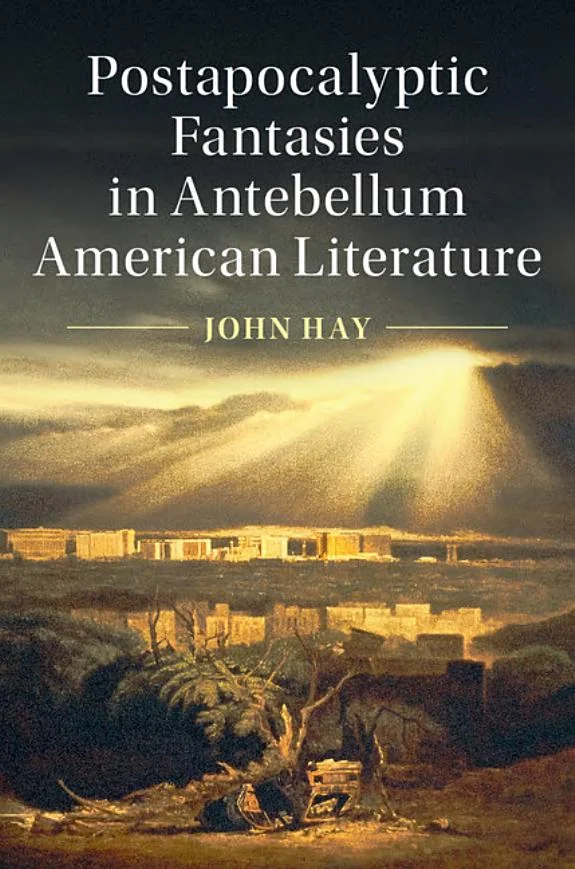
John Hay's "Postapocalyptic Fantasies in Antebellum American Literature" offers a compelling argument for the early emergence of apocalyptic narratives in American letters. The book’s strength lies in its rigorous textual analysis, particularly its examination of how anxieties surrounding slavery and industrialization manifested as visions of societal collapse. Hay's discussion of the "preemptive apocalypse" concept, wherein writers imagined futures of ruin as a means of processing present fears, is particularly insightful. However, the work occasionally feels constrained by its singular focus, sometimes at the expense of exploring the broader utopian impulses present in the same literature. A passage discussing the allegorical landscapes in early American novels, which Hay interprets as harbingers of destruction, could have benefited from a more nuanced engagement with their potential for regeneration. The book provides a valuable, if sometimes narrow, perspective on a critical period in American literary history.
📝 Description
80
John Hay's 2023 book argues antebellum American literature featured widespread apocalyptic fantasies.
John Hay's "Postapocalyptic Fantasies in Antebellum American Literature" examines the presence of end-of-the-world narratives in United States literature from the decades before the Civil War. Hay contends that these stories were not simply modern concerns but reflected anxieties about societal collapse that were already present in early American creative works. The study suggests these narratives served a purpose beyond entertainment, revealing deeper cultural currents and the worries of the period.
The antebellum era, from roughly 1815 to 1861, was a time of significant societal, political, and economic change in America. Industrialization, expansion, and the growing conflict over slavery fostered a climate of uncertainty. Hay places the literature of this time within this context, showing how authors responded to the possibility of national disintegration and the erosion of ideals. Writers such as Nathaniel Hawthorne and Edgar Allan Poe published during this period, and Hay demonstrates that their works often contained subtle or explicit apocalyptic themes.
Hay develops concepts like "preemptive apocalypse" to describe how writers imagined and processed potential societal endings. This framework helps to understand how these literary works engaged with the prevailing sense of unease. The book is directed towards scholars of antebellum fiction and cultural historians of the pre-Civil War United States, as well as those interested in the history of apocalyptic thought.
This book engages with a tradition of examining literature not just for its narrative or aesthetic qualities, but as a reflection of collective psychological states and hidden cultural anxieties. While not overtly occult, its focus on apocalyptic fantasies taps into recurring themes in esoteric thought concerning societal cycles, endings, and transformations. By analyzing these themes within a specific historical and literary context, the book offers a lens through which to view how societies grapple with existential dread and imagine their potential demise, a practice that has resonance within traditions concerned with symbolic interpretations of history and human consciousness.
💡 Why Read This Book?
• Understand the "preemptive apocalypse" concept, revealing how antebellum authors like Hawthorne processed societal anxieties through imagined endings, a perspective not found in broader literary analyses of the period. • Analyze the "sacralization of the republic" in relation to apocalyptic thought, offering a unique lens on how American exceptionalism fueled fears of national collapse, distinct from general historical accounts. • Explore the "ghosts of revolution" in literary works, providing a specific framework for understanding how historical traumas influenced pre-Civil War American imagination, a concept less explored in standard literary criticism.
⭐ Reader Reviews
Honest opinions from readers who have explored this book.
❓ Frequently Asked Questions
What specific antebellum American literary texts does John Hay analyze for postapocalyptic themes?
The book scrutinizes works by authors such as Nathaniel Hawthorne, Edgar Allan Poe, and Lydia Maria Child, examining their depictions of societal collapse and ruin within the context of the 1840s and 1850s.
How does "Postapocalyptic Fantasies in Antebellum American Literature" connect literary themes to historical events?
Hay links the fictional apocalyptic scenarios to the pervasive anxieties of the era, including the escalating tensions over slavery, rapid industrialization, and the burgeoning sense of national destiny that began to fracture before 1860.
What is meant by the "preemptive apocalypse" concept in the book?
This concept suggests that antebellum writers engaged with visions of societal end-times not as predictions, but as a way to imaginatively confront and gain a sense of control over overwhelming contemporary fears and uncertainties.
Does the book focus only on male authors from the antebellum period?
No, while prominent male authors are discussed, the work also considers contributions from female writers of the period, offering a more comprehensive view of the literary landscape of apocalyptic thought.
What is the historical period covered by 'Antebellum American Literature' in this book?
The book primarily focuses on the period from the end of the War of 1812 up to the outbreak of the American Civil War in 1861, a time of significant social and political transformation.
How does this analysis differ from modern studies of postapocalyptic fiction?
Hay's work distinguishes itself by examining the roots of these fantasies in a pre-industrial, pre-nuclear context, showing how the anxieties of 19th-century America differed fundamentally from contemporary concerns about global annihilation.
🔮 Key Themes & Symbolism
Anxiety and Societal Collapse
The work posits that antebellum American literature was preoccupied with fantasies of societal breakdown, reflecting deep-seated cultural anxieties. These narratives explored potential futures of ruin, often as a response to the era's rapid changes and unresolved social conflicts, particularly the impending crisis over slavery. Hay argues that these literary explorations served as a psychic buffer, allowing authors and readers to grapple with the fragility of the Union and its foundational ideals.
The Sacralization of the Republic
This theme examines how the concept of America as a divinely ordained nation paradoxically fueled fears of its catastrophic fall. When a nation perceives itself as having a unique spiritual destiny, the potential for divine judgment or abandonment in the face of failure becomes a potent source of apocalyptic imagination. Hay connects this theological undercurrent to the political and social tensions of the mid-19th century, showing how perceived threats to this sacred mission could ignite visions of utter destruction.
Literary Prophecy and Warning
Hay interprets many antebellum postapocalyptic narratives not merely as speculative fiction but as potent warnings couched in allegorical or symbolic language. These literary works functioned as a form of cultural prophecy, signaling the perceived dangers inherent in the nation's trajectory. By imagining the consequences of societal discord and moral compromise, authors sought to influence contemporary thought and avert perceived national calamities, using the specter of ruin to advocate for reform or caution.
The Ghosts of Revolution
The lingering impact of past revolutionary conflicts, both in America and Europe, cast a long shadow over the antebellum imagination. This theme explores how the memory and potential recurrence of violent upheaval informed literary depictions of societal disintegration. Fears stemming from the American Revolution and the French Revolution contributed to a climate where the fragility of established order was keenly felt, manifesting in literary scenarios of collapse and the loss of hard-won independence.
💬 Memorable Quotes
Direct passages from the work, attributed to the author.
“Writers in the 1840s and 1850s frequently imagined the nation's end.”
— This statement expresses Hay's central thesis, highlighting the surprising prevalence of apocalyptic narratives during a period often characterized by expansion and progress, suggesting a hidden undercurrent of dread.
“The potential fall of the Republic was a palpable literary concern.”
— This interpretation emphasizes the seriousness with which authors treated the possibility of national dissolution, framing their fictional scenarios as direct responses to the perceived existential threats facing the United States.
“Anxieties about slavery permeated visions of societal ruin.”
— This highlights the direct linkage Hay draws between the institution of slavery and the literary imagination of catastrophe, positioning the unresolved conflict as a primary catalyst for apocalyptic themes in the period.
“The American experiment itself was subject to visions of failure.”
— This interpretation underscores the critical perspective within the literature, indicating that even the foundational ideals of American nationhood were perceived as vulnerable and capable of leading to ultimate collapse.
💡 Key Ideas
Editorial paraphrase of the work's core concepts — not direct quotes.
Apocalyptic fantasies served as a means of confronting present fears.
This paraphrased concept explains the psychological function of these narratives, suggesting they were not predictions but coping mechanisms for authors and readers grappling with the turbulent antebellum environment.
🌙 Esoteric Significance
Tradition
While not explicitly aligned with a single esoteric tradition, Hay's work touches upon themes resonant with Gnostic and certain strains of apocalyptic thought. The focus on societal corruption, the perceived fragility of a divinely appointed mission (the 'sacralization of the republic'), and the exploration of hidden anxieties echo Gnostic concerns about the fallen nature of the material world and the potential for its catastrophic end. It departs from purely theological interpretations by grounding these fears in socio-political realities, yet retains a sense of profound, almost cosmic, dread.
Symbolism
The work implicitly engages with symbols of decay and ruin common in apocalyptic literature. Ruined cities, desolate landscapes, and the specter of violent societal fragmentation serve as potent symbols. These can be interpreted through an esoteric lens as representing the dissolution of the ego or the collective consciousness under duress, or the breakdown of illusory structures. The 'ghosts of revolution' symbolize the recurring cycles of destruction and rebirth inherent in historical and spiritual processes.
Modern Relevance
Contemporary thinkers exploring societal collapse, the psychological impact of existential threats (like climate change or political instability), and the evolution of apocalyptic narratives draw implicitly on the historical groundwork laid by antebellum writers. Hay's analysis provides a crucial historical antecedent for understanding the enduring human fascination with end-of-the-world scenarios and how these fantasies articulate collective fears and hopes for transformation.
👥 Who Should Read This Book
• Scholars of American literature and cultural history: Gain a new framework for analyzing antebellum texts, understanding the pervasive undercurrent of apocalyptic thought that shaped works from this key era. • Students of apocalyptic and millennial studies: Discover the early roots of American postapocalyptic imagination, tracing its development decades before modern anxieties took hold. • Readers interested in the intersection of literature and societal anxieties: Understand how creative works reflect and process profound cultural fears, particularly concerning national identity and stability in times of crisis.
📜 Historical Context
The antebellum period in America, stretching from the end of the War of 1812 to the brink of the Civil War in 1861, was a crucible of change and conflict. Rapid industrialization transformed the landscape, while westward expansion fueled notions of manifest destiny, all under the shadow of the increasingly intractable debate over slavery. This era saw the flourishing of American Romanticism, with authors like Nathaniel Hawthorne and Edgar Allan Poe exploring the darker psychological and societal undercurrents of the young nation. Hay's work situates the emergence of postapocalyptic fantasies within this charged atmosphere. These literary explorations of societal collapse ran counter to the dominant narrative of American exceptionalism and progress, offering a critical counterpoint. Unlike the optimistic millennialism found in some religious circles, these literary visions often portrayed a descent into chaos, reflecting deep anxieties about the nation's moral and political trajectory. The reception of such works, while not typically subject to formal censorship, often navigated sensitive topics that implicitly challenged prevailing notions of national virtue and stability.
📔 Journal Prompts
The 'sacralization of the republic' and its connection to fears of national downfall.
Visions of societal ruin as a response to the anxieties of the 1840s.
The role of 'ghosts of revolution' in shaping antebellum literary landscapes.
Analyzing a specific text for its 'preemptive apocalypse' elements.
How do contemporary fears echo the postapocalyptic fantasies of the antebellum period?
🗂️ Glossary
Antebellum
The period in American history preceding the Civil War, generally considered to be from the end of the War of 1812 (1815) to 1861. It was characterized by significant social, economic, and political developments, including westward expansion and escalating tensions over slavery.
Postapocalyptic Fantasy
Literary or cultural narratives that explore the aftermath of a catastrophic global or societal event, focusing on the struggles for survival and rebuilding in a devastated world.
Preemptive Apocalypse
A concept suggesting that authors imagined and wrote about societal collapse not as a prediction, but as a means to process and gain a sense of control over overwhelming contemporary anxieties and uncertainties.
Sacralization of the Republic
The idea or belief that a nation, particularly the United States, holds a special, divinely ordained mission or status, which can paradoxically fuel fears of catastrophic failure or divine judgment.
Ghosts of Revolution
Lingering fears and influences stemming from past revolutionary conflicts (e.g., the American and French Revolutions) that continue to shape anxieties about political stability and societal order.
American Renaissance
A term referring to the period of intense intellectual and artistic ferment in the United States, roughly from the 1830s to the 1860s, marked by the work of authors like Emerson, Thoreau, Hawthorne, and Melville.
Manifest Destiny
The 19th-century doctrine or belief that the expansion of the US throughout the American continents was both justified and inevitable, often imbued with religious or cultural superiority.
This book appears in 1 collection
🔮 Readers Also Liked
Browse all →





From the “Apocalyptic Literature” Collection
View all →




More Free Esoteric History & Biography Books
View all →