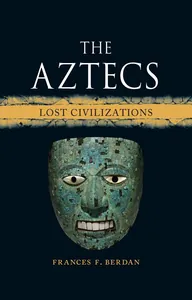
Spellbound by Scotland
 79
79

Spellbound by Scotland
R. A. Wilson’s *Spellbound by Scotland* arrives as a clear, unpretentious primer on a subject often shrouded in romanticism. The strength of this work lies in its straightforward presentation of complex folklore, avoiding the pitfalls of sensationalism. Wilson grounds the reader with explanations of concepts like *co-ghabhail*, effectively demystifying sympathetic magic through Scottish examples. A minor limitation, however, is the book's brevity; while suitable for beginners, seasoned practitioners might desire deeper dives into specific regional variations or the socio-political contexts of historical magical persecution. The passage discussing the lore surrounding standing stones, particularly their supposed use in divination rituals, is a notable highlight, offering a tangible link to ancient practices. Ultimately, *Spellbound by Scotland* is a commendable and practical introduction to a rich magical heritage.
📝 Description
79
R. A. Wilson's Spellbound by Scotland examines Scottish folk magic from the late medieval period through the 19th century.
Spellbound by Scotland offers an accessible entry into the magical folklore and spellcraft traditions indigenous to Scotland. It moves beyond romanticized notions to present practical elements and historical context for understanding Scottish folk magic. The book charts a course through the beliefs and practices that have long been part of Scotland and its people's lives.
This volume is designed for individuals new to the study of Scottish magical traditions or those seeking a foundational understanding. It caters to curious beginners interested in folklore, witchcraft, and comparative mythology, as well as practitioners of other esoteric systems who wish to broaden their knowledge. Those interested in the cultural history of Scotland through a mystical lens will also find it valuable.
The work examines Scottish folklore against the backdrop of its historical development, particularly from the late medieval period through the 19th century. It touches upon the influence of both pre-Christian beliefs and later Christian overlays, as well as the impact of events like the witch trials. The book acknowledges the oral traditions and regional variations that characterized Scottish magical practices before widespread documentation.
This book situates itself within the study of European folk magic and witchcraft traditions. It specifically focuses on the Scottish context, acknowledging the interplay between pre-Christian animistic beliefs, the influence of Christianity, and the documented impact of historical events such as the witch trials. By examining concepts like the 'Otherworld' and sympathetic magic, it connects to broader themes found in paganism and witchcraft studies, while emphasizing the unique cultural and historical threads specific to Scotland.
💡 Why Read This Book?
• Gain foundational knowledge of Scottish magical traditions, understanding concepts like *co-ghabhail* as explored in the book, allowing you to grasp the principles of sympathetic magic specific to this lineage. • Discover the significance of Scottish folklore, including the roles of beings like the *Aos Sí* and the historical context of witchcraft as presented in the text, offering unique insights into Celtic belief systems. • Learn about practical applications of Scottish folk magic, such as the use of protective symbols and charms detailed within the book, providing tangible elements for personal study or comparative practice.
⭐ Reader Reviews
Honest opinions from readers who have explored this book.
❓ Frequently Asked Questions
What historical periods does 'Spellbound by Scotland' primarily cover regarding Scottish magic?
The book focuses significantly on the period from the late medieval era through the 19th century. It examines how older, pre-Christian beliefs interacted with Christian overlays and the societal impacts, including witch trials, during these centuries.
Are there specific magical practices discussed in 'Spellbound by Scotland' for beginners?
Yes, the book introduces beginners to foundational elements of Scottish folk magic, including the principles of sympathetic magic (*co-ghabhail*), the use of protective symbols, and the understanding of charms and their historical applications.
What is the significance of the 'Aos Sí' in 'Spellbound by Scotland'?
The *Aos Sí*, often translated as fairies or spirits, are presented as integral figures in Scottish folklore and magical beliefs. The book explores their perceived influence on the mortal world and their role in traditional narratives and practices.
Does 'Spellbound by Scotland' discuss the historical witch trials in Scotland?
The book touches upon the historical context of witch trials as part of the societal landscape influencing magical practices and beliefs in Scotland. It acknowledges their impact without delving into exhaustive detail, framing them within the broader history of folk magic.
What kind of 'Otherworld' is described in the book?
The 'Otherworld' discussed in *Spellbound by Scotland* refers to the supernatural realm in Scottish folklore, inhabited by various spirits and mythical beings like the *Aos Sí*. It is depicted as co-existing with and influencing the human world.
Can 'Spellbound by Scotland' help someone interested in Celtic mythology?
Absolutely. The book serves as an excellent introduction to specific elements of Celtic mythology as they manifest in Scottish folklore and folk magic, providing context for figures, beliefs, and practices unique to the region.
🔮 Key Themes & Symbolism
The Scottish Otherworld
The work explores the Scottish concept of the 'Otherworld,' a realm populated by beings such as the *Aos Sí* (fairies) and other spirits. It details how these entities were perceived to interact with the human world, influencing events and beliefs. This theme studies the animistic underpinnings of Scottish folklore, where natural landscapes and unseen forces held significant power and required specific forms of respect or appeasement within magical practices.
Folk Magic and Spellcraft
This theme focuses on the practical application of magic within Scottish folk traditions. It examines concepts like *co-ghabhail*, or sympathetic magic, illustrating how practitioners believed in creating connections between objects, people, or events to effect change. The book discusses the use of charms, amulets, and specific rituals passed down through generations, emphasizing the role of intention and material components in folk spellwork.
Witches and Folk Healers
The book addresses the historical figures of witches and folk healers within Scottish society. It distinguishes between the often demonized image of the witch and the practical roles of those who used their knowledge of herbs, charms, and spiritual connections for healing or protection. This section contextualizes these figures within the social and religious climate of Scotland, particularly during periods of persecution.
Sacred Landscapes and Symbols
This theme highlights the connection between Scottish magical practices and the natural environment. It discusses the spiritual significance attributed to specific locations, such as standing stones, lochs, and mountains, and explores the use of potent symbols in protective charms and rituals. Understanding these elements provides insight into how the Scottish landscape itself was viewed as imbued with magical energy and meaning.
💬 Memorable Quotes
Direct passages from the work, attributed to the author.
“Fairies, witches, and mythical beings walk alongside the living.”
— This statement expresses the core premise of Scottish folklore as presented in the book, suggesting a worldview where the supernatural is not separate but integrated into daily existence and the physical landscape.
“Unlock the ancient secrets of Scottish magic.”
— This phrase serves as an invitation to engage with the hidden or less-understood aspects of Scottish magical traditions, promising access to knowledge that has been preserved through centuries of folklore and practice.
“A Beginner's Guide to the Magical Folklore and Spells of Scotland.”
— This subtitle clearly defines the book's purpose: to provide accessible knowledge for newcomers interested in the specific magical traditions and narratives originating from Scotland.
“Dive into the rich folklore.”
— This is a direct call to action, encouraging the reader to immerse themselves in the extensive body of stories, beliefs, and practices that constitute Scottish folklore.
“Your personal guide to the mystical traditions that have shaped the Highlands.”
— This positions the book as an intimate companion for exploring the esoteric heritage of Scotland, specifically focusing on the influence these traditions have had on the character and history of the Highland region.
🌙 Esoteric Significance
Tradition
While not strictly belonging to a single established esoteric lineage like Hermeticism or Theosophy, *Spellbound by Scotland* draws heavily from the vein of Celtic and specifically Scottish folk magic. It aligns with modern animistic and nature-based spiritual practices, offering a localized expression of a broader contemporary movement. The work departs from rigidly structured magical systems by emphasizing the organic, orally transmitted nature of its subject matter, reflecting a grassroots approach to esoteric understanding.
Symbolism
Key symbols explored include standing stones, often depicted as ancient sites of power and divination, and the natural elements like water (lochs) and earth, believed to hold potent energies. The book also touches upon protective symbols, such as specific knots or sigils historically used to ward off malevolent influences or attract good fortune, connecting these visual elements to their practical magical applications within Scottish folk belief.
Modern Relevance
Contemporary practitioners of witchcraft, paganism, and animistic spirituality frequently draw inspiration from localized folk traditions like those detailed in *Spellbound by Scotland*. Thinkers and authors exploring earth-based spirituality and Celtic Reconstructionism find value in Wilson's work for its focus on regional practices. The book's emphasis on the relationship between landscape, spirit, and magic speaks to modern movements seeking to reconnect with nature and ancestral wisdom.
👥 Who Should Read This Book
• Beginning students of Western esotericism seeking an introduction to folk magic traditions distinct from ceremonial or Hermetic systems. • Enthusiasts of Scottish history and folklore interested in the mystical dimensions of the culture and landscape. • Comparative religion scholars and practitioners looking to understand localized magical belief systems and their historical evolution within a specific European context.
📜 Historical Context
Published in 2025, R. A. Wilson's *Spellbound by Scotland* enters a contemporary range of esoteric studies where interest in regional folk magic has seen a resurgence. The work engages with a long tradition of documenting Scottish folklore, tracing back to collectors like folklorist Alan Bruford in the mid-to-late 20th century. Wilson's approach, however, aims for accessibility, contrasting with more academic treatises. The book implicitly acknowledges the impact of widespread Christianization and later Enlightenment rationalism on the suppression or transformation of older magical beliefs. While not directly engaging with specific censorship events, it implicitly addresses the historical marginalization of such practices. Its primary contribution is offering a grounded, beginner-friendly perspective on a subject often mythologized, providing a clear entry point for readers interested in Western esoteric traditions beyond the more commonly studied Hermetic or ceremonial magic schools.
📔 Journal Prompts
The *Aos Sí* in Scottish folklore: Are they merely spirits, or do they represent deeper psychological archetypes?
Reflecting on *co-ghabhail*: How can the principle of sympathetic magic be observed in everyday life or modern practices?
The role of sacred landscapes: Consider a natural place significant to you and its potential energetic or spiritual qualities.
The historical perception of witches: How did societal fears shape the understanding and practice of folk magic?
Scottish protective symbols: What modern symbols or objects serve a similar purpose for you?
🗂️ Glossary
Aos Sí
Gaelic term referring to supernatural beings in Irish and Scottish folklore, often translated as fairies, elves, or spirits. They are depicted as living in a parallel world and influencing human affairs.
Co-ghabhail
A Scottish Gaelic term for sympathetic magic. It describes the principle that like affects like, or that a connection can be established between two things or people, allowing action upon one to affect the other.
Otherworld
In Scottish and Celtic folklore, this refers to the supernatural realm inhabited by spirits, deities, and mythical beings. It is often depicted as existing alongside or beneath the human world, accessible through specific locations or rituals.
Folk Magic
Magical beliefs and practices transmitted by word of mouth through generations within a particular culture or community, often distinct from formal, ritualistic systems.
Standing Stones
Large, upright stones erected in ancient times, often found in Scotland. In folklore, they are frequently associated with magical properties, astronomical alignments, or sites of spiritual power.
Charms
Objects or words believed to possess magical properties, used for protection, healing, luck, or to influence events. They are a common element in folk magic traditions.
Witch
Historically, a person accused of practicing magic, often associated with malevolent intent, particularly during periods of witch trials. In folk traditions, the term could also encompass healers or wise women.
This book appears in 1 collection
🔮 Readers Also Liked
Browse all →






From the “Spellcraft” Collection
View all →



More Free Esoteric History & Biography Books
View all →