The Apocalypse of Freemasonry
 80
80

The Apocalypse of Freemasonry

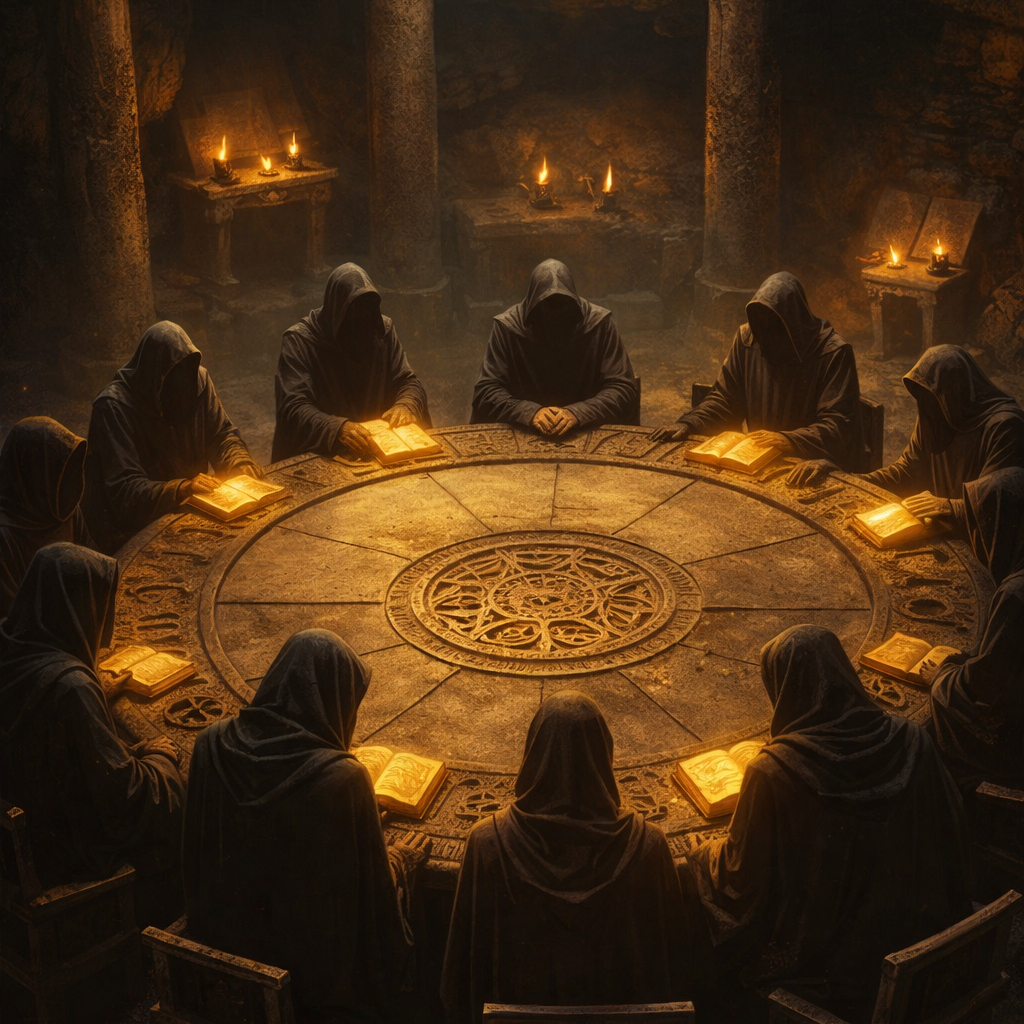

Cassian Rothmann (Senior Critic, Ancient Wisdom) — "The Apocalypse of Freemasonry" by F. de P. Castells is a luminous exposition of Masonic symbolism, revealing its profound spiritual underpinnings. Castells avoids superficial dogma, instead illuminating the ritualistic architecture and archetypal imagery as a potent map for esoteric development. His interpretations of light, pillars, and the initiatory ascent are particularly insightful, resonating with ancient Gnostic and Hermetic traditions. This work is indispensable for serious students of Western esotericism and Freemasonry, offering a challenging yet rewarding exploration of its hidden dimensions. A true gem for the discerning seeker.
📝 Description
80
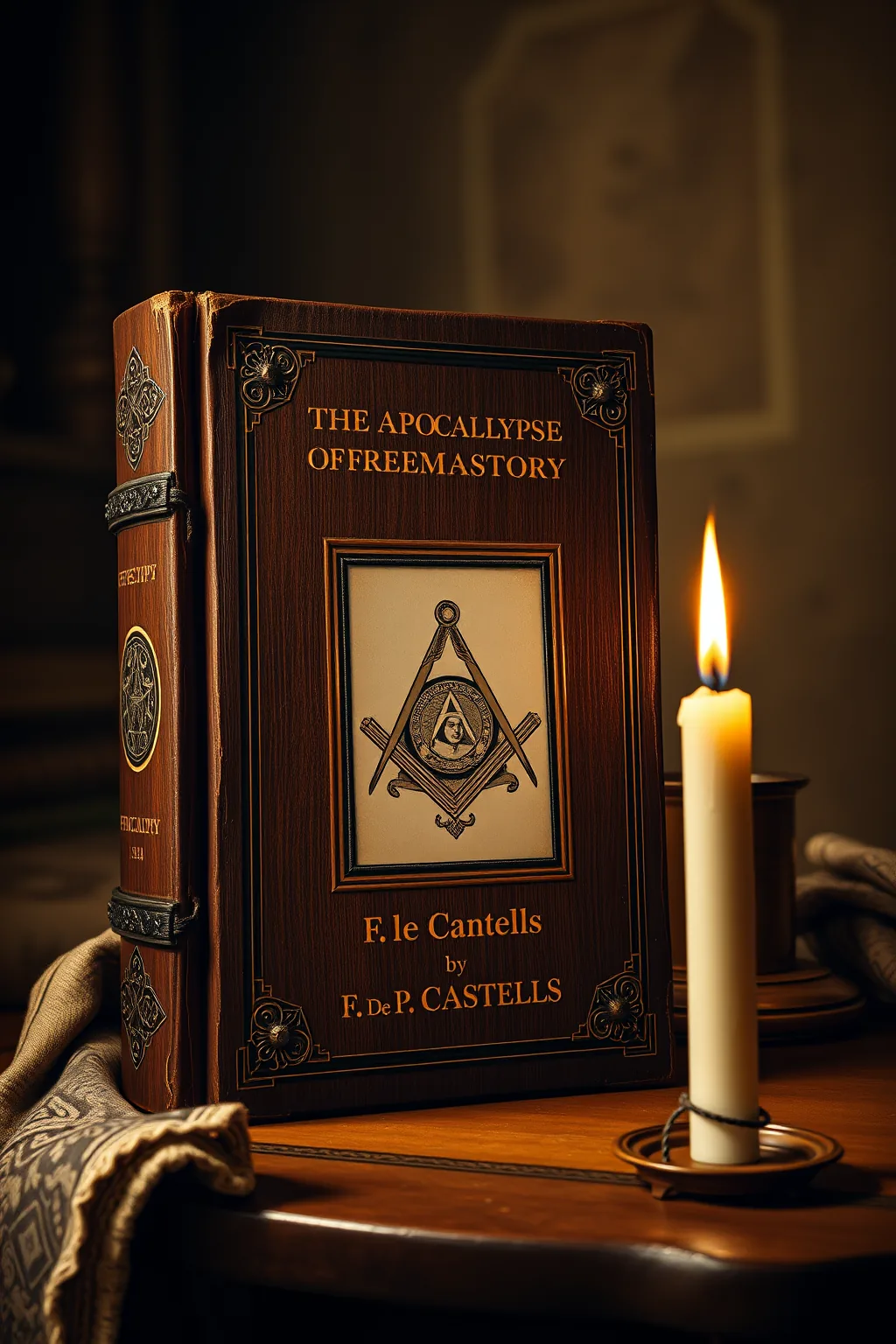
Published in 1924, F. de P. Castells' "The Apocalypse of Freemasonry" interprets Masonic symbols as pathways to spiritual awakening.
F. de P. Castells' "The Apocalypse of Freemasonry," released in 1924, examines Freemasonry beyond its fraternal structure. Castells argues that Masonic ritual, architecture, and symbolism function as allegories for spiritual development and moral improvement. He deciphers these elements, suggesting they are tools for unlocking an individual's inner capabilities.
The book specifically addresses the interplay of light and darkness, the symbolism of the twin pillars, the initiate's ladder, and the geometric layout of the lodge. Castells presents these as active elements for personal transformation and enlightenment, not simply historical artifacts. The work aims to guide readers interested in moving past surface-level understanding to grasp the core of mystical concepts.
This book situates itself within the Western esoteric tradition that flourished in the early 20th century. It follows a lineage of authors who sought to uncover deeper, often spiritual, meanings within established or historical systems, such as Freemasonry. Castells' work is part of a broader interest in ritual, symbolism, and initiation as mechanisms for personal transformation, aligning with currents of thought found in Hermeticism and Rosicrucianism that were being reinterpreted for a modern audience.
✍️ Author

F De P Castells
Castell Coch (Welsh for 'red castle'; Welsh pronunciation: [ˈkas. tɛɬ koːχ]) is a 19th-century Gothic Revival castle built above the village of Tongwynlais in Wales.
💡 Why Read This Book?
Uncover the hidden spiritual blueprint within Freemasonry. This book offers profound interpretations of its symbols, revealing a path to self-discovery and moral enlightenment. Ideal for seekers of esoteric wisdom, Masonic practitioners, and scholars of secret societies yearning to understand the deeper mystical currents.
⭐ Reader Reviews
Honest opinions from readers who have explored this book.
❓ Frequently Asked Questions
What does 'Apocalypse' mean in the context of this book?
In this context, 'Apocalypse' signifies a 'revealing' or unveiling. Castells uses it to denote the profound revelation of Freemasonry's inner, spiritual meaning, rather than a cataclysmic event. It's about uncovering hidden truths.
Is prior knowledge of Freemasonry required to understand this book?
While some familiarity can enhance the experience, Castells' clear explanations make the core concepts accessible to newcomers. The book focuses on universal spiritual principles embedded within Masonic allegory.
What are the primary symbols discussed?
Key symbols include the interplay of light and darkness, the symbolic significance of the twin pillars (Boaz and Jachin), the initiate's ladder representing stages of spiritual progress, and the symbolic layout of the Masonic Lodge as a microcosm.
What is the main philosophical takeaway?
The primary takeaway is that Freemasonry is a potent allegorical system designed to guide individuals on a path of spiritual enlightenment, moral refinement, and the realization of their divine potential through symbolic instruction and self-discipline.
When was this book originally published?
"The Apocalypse of Freemasonry" by F. de P. Castells was first published in 1924, placing it within a rich period of esoteric and occult exploration in the early 20th century.
🔮 Key Themes & Symbolism
Symbolic Revelation of Masonic Ritual
Castells posits that Masonic rituals are not mere ceremonies but deeply symbolic narratives designed to guide the initiate through stages of spiritual awakening. Each action, word, and gesture is imbued with esoteric meaning, forming a coherent system for self-transformation. The 'apocalypse' lies in recognizing these symbols as a map for the soul's journey, transcending the literal to embrace the allegorical path towards higher consciousness and moral fortitude.
The Architecture of the Soul
The physical layout of the Masonic Lodge and its iconic architectural elements, such as the twin pillars, are presented as microcosmic representations of the human psyche and the cosmos. Castells argues that these structures are symbolic blueprints for building the 'temple of the body' and aligning oneself with universal principles. Understanding this symbolic architecture is crucial for the initiate to construct their inner spiritual edifice.
Allegory of Spiritual Enlightenment
Fundamentally, , "The Apocalypse of Freemasonry" interprets the Craft as a profound allegory for the pursuit of spiritual enlightenment. The journey of the initiate, from darkness into light, symbolizes the process of overcoming ignorance, cultivating virtue, and ultimately realizing one's divine potential. The book argues that Masonic teachings offer practical tools and symbolic guidance for this transformative ascent.
💬 Memorable Quotes
Direct passages from the work, attributed to the author.
“Light is the symbol of truth, and darkness of ignorance.”
— This fundamental Masonic tenet highlights the core of the initiatory journey: moving from a state of unknowing to one of profound understanding and illumination.
“The ladder ascends from the earth to the heavens.”
— This refers to the initiate's ladder, symbolizing the progressive steps taken in moral and spiritual development, moving closer to divine consciousness.
“The pillars guard the entrance to wisdom.”
— Representing Boaz and Jachin, these pillars symbolize strength and establishment, guarding the threshold of esoteric knowledge and the sacred space of the Lodge.
“The Lodge is a microcosm of the universe.”
— This statement underscores the belief that the sacred space of the Lodge mirrors the greater cosmic order, offering a model for understanding universal laws and one's place within them.
“Each symbol is a key to unlock the inner temple.”
— Castells emphasizes that Masonic symbols are not mere decorations but potent tools designed to reveal the hidden chambers of the self and guide spiritual growth.
🌙 Esoteric Significance
Tradition
This work draws heavily from Hermetic and Neoplatonic traditions, viewing Freemasonry as a modern manifestation of ancient wisdom teachings. It aligns with Gnostic ideas of spiritual awakening through knowledge and the Hermetic principle of 'as above, so below,' where the microcosm of the Lodge reflects the macrocosm of the universe.
Symbolism
The book meticulously deciphers potent Masonic symbols like the twin pillars (strength and establishment), the checkered pavement (duality and unity), the working tools (moral principles), and the concept of light (enlightenment). Each symbol is presented as a key to understanding the stages of spiritual development and the nature of the divine.
Modern Relevance
In an age often marked by spiritual searching and a desire for deeper meaning, Castells' interpretation remains profoundly relevant. It offers a framework for understanding personal growth through symbolic engagement and ethical discipline, providing a timeless guide for individuals seeking a more profound connection to themselves and the cosmos.
👥 Who Should Read This Book
This book is essential for Masonic initiates seeking a deeper understanding of their rituals and symbolism beyond the surface level. It will deeply resonate with scholars of Western esotericism, comparative religion, and secret societies, offering a rich historical and philosophical perspective. Furthermore, spiritual seekers and students of ancient wisdom traditions who are drawn to allegorical interpretation and the pursuit of self-knowledge will find "The Apocalypse of Freemasonry" an clear and inspiring read.
📜 Historical Context
Published in 1924, "The Apocalypse of Freemasonry" emerged during a vibrant period of renewed interest in Western esotericism, occultism, and philosophical interpretations of ancient traditions. The early 20th century saw scholars and seekers exploring Hermeticism, Gnosticism, Kabbalah, and secret societies, seeking spiritual meaning beyond the material. F. de P. Castells’ work fits within this intellectual milieu, offering a sophisticated analysis of Freemasonry’s symbolic language, aligning it with broader mystical and philosophical currents of the era. It reflects a desire to understand these ancient systems not just as historical curiosities but as living pathways to spiritual realization.
📔 Journal Prompts
Reflect on the concept of 'light' and 'darkness' in your own life. Where do you find your greatest illumination, and what shadows obscure your path?
Consider the 'twin pillars' in your life. What forces or principles provide you with strength and stability, and how do they relate to your personal journey?
How can the idea of an 'initiate's ladder' be applied to your personal growth? What steps are you currently taking, and what higher stages do you aspire to reach?
Meditate on the 'Lodge' as a microcosm. How does the external world, or your immediate environment, reflect or influence your inner spiritual state?
What does 'spiritual enlightenment' mean to you personally? How might the symbolic journey described by Castells inform your own pursuit of this ideal?
🗂️ Glossary
Initiate
An individual who has undergone a formal introduction or ceremony into a society, order, or spiritual path, signifying their readiness to learn its deeper teachings and mysteries.
Allegory
A symbolic representation or narrative where characters, events, and settings have hidden meanings, often conveying moral, spiritual, or political lessons.
Symbolism
The use of symbols—objects, images, or actions—to represent abstract ideas or qualities, serving as a language to convey profound concepts beyond literal interpretation.
Esotericism
Teachings or practices that are intended for or understood by only a small number of people with specialized knowledge or initiation, often dealing with spiritual, mystical, or occult subjects.
Ritual
A prescribed or customary set of actions, ceremonies, or observances, often performed for religious, symbolic, or magical purposes, intended to create a specific spiritual or psychological effect.
This book appears in 2 collections
🔮 Readers Also Liked
Browse all →






From the “Secret Societies” Collection
View all →





More Free Freemasonry & Secret Societies Books
View all →