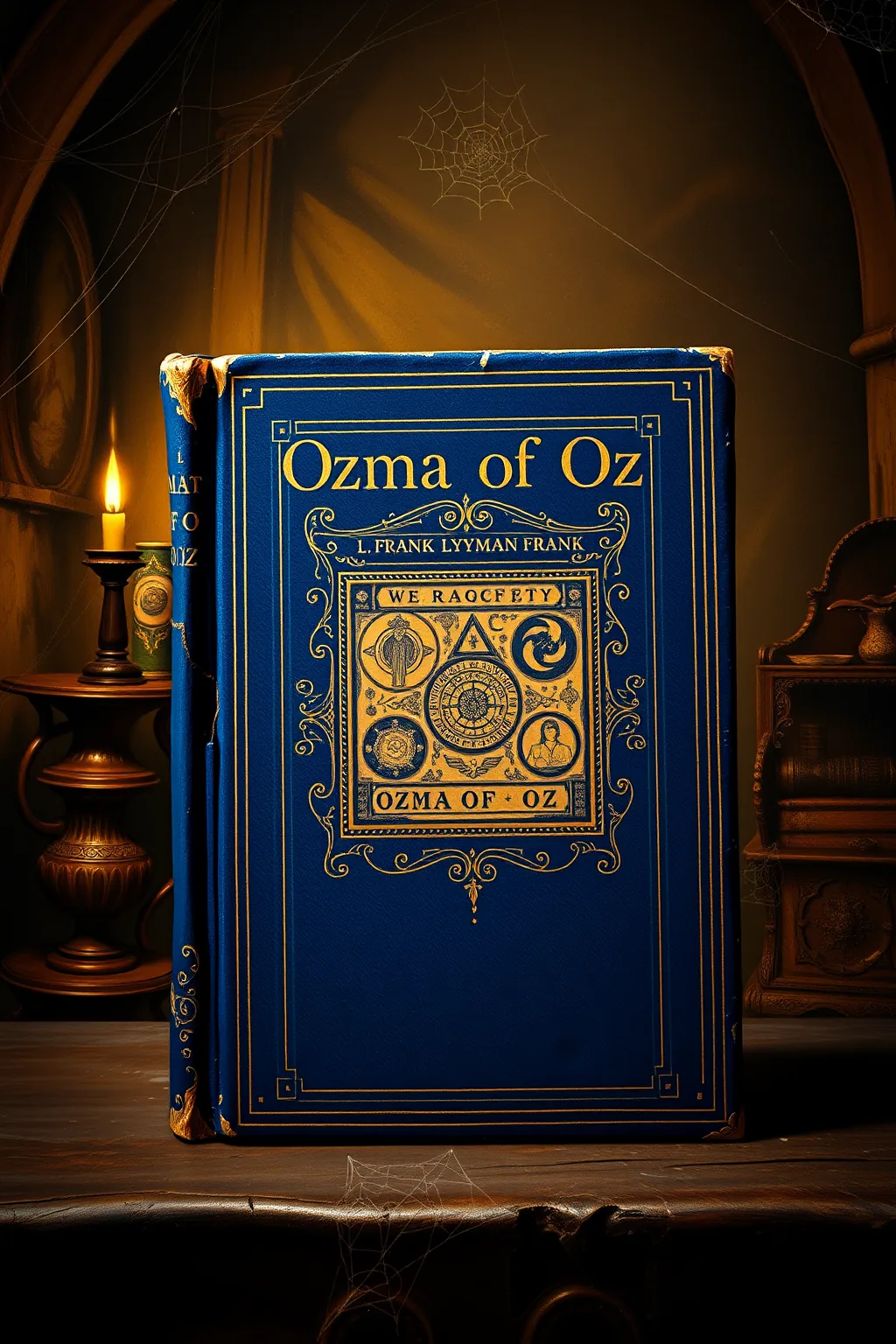
Ozma of Oz
 71
71

Ozma of Oz


Ozma of Oz by L. Frank Baum is a gem in the realm of fantasy literature, offering a rich tapestry of magical rituals and esoteric themes that captivate both young and adult readers. For modern esoteric seekers, the book provides a unique perspective on the power of imagination and the hidden magic that lies within everyday experiences. Baum's vivid descriptions and whimsical characters create a world that is both enchanting and thought-provoking, making it a valuable addition to any esoteric library. The story's exploration of friendship, bravery, and the overcoming of adversity resonates deeply, offering timeless lessons that are as relevant today as they were over a century ago. The esoteric elements woven throughout the narrative add depth and intrigue, making Ozma of Oz a treasure for those who seek to delve into the mysteries of the occult.
📝 Description
71
L. Frank Baum published Ozma of Oz in 1907, continuing Dorothy's adventures in a land of hidden meaning.
Ozma of Oz, published in 1907, follows Dorothy Gale's return to the Land of Oz. She finds herself shipwrecked and washed ashore in the peculiar Kingdom of Ev. Here, she meets a cast of unusual characters, including the vain Princess Langwidere, who collects heads, and the Nome King, a ruler of an underground empire. Dorothy, along with her companions the Hungry Tiger and the Cowardly Lion, must confront the Nome King and rescue the newly crowned Queen Ozma from his clutches.
The book continues Baum's exploration of symbolic representation within the Oz narrative. Characters and events often carry allegorical weight, inviting readers to look beyond the surface of the fairy tale. The journey through Ev and the confrontation with the Nome King can be seen as a symbolic passage, dealing with themes of transformation and the nature of rulership. Baum weaves a story that is both a fantastical adventure and a subtle commentary on societal and personal growth.
Within the broader context of early 20th-century literature that engaged with spiritualism and esoteric thought, Baum's Oz books, including Ozma of Oz, can be interpreted through lenses of Theosophy and Jungian archetypes. The emphasis on symbolic characters like the Cowardly Lion and the Hungry Tiger, and the journey into an underworld ruled by the Nome King, echoes themes of psychological integration and spiritual development found in various esoteric traditions. The narrative structure itself, with its trials and eventual triumph, reflects cyclical patterns of initiation and renewal.
✍️ Author
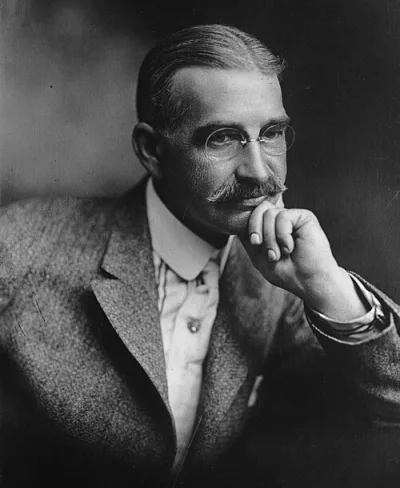
Baum, L. Frank (Lyman Frank)
L. Frank Baum was an American author best known for his children's fantasy books, particularly The Wonderful Wizard of Oz.
💡 Why Read This Book?
Reading Ozma of Oz today offers a journey into a world of magic and esoteric rituals that can inspire and enrich the imagination. The book's timeless themes of bravery, friendship, and the power of imagination make it a valuable read for anyone seeking to explore the depths of fantasy literature. Whether you are a young reader discovering the wonders of Oz for the first time or an esoteric seeker looking to delve into the mysteries of the occult, Ozma of Oz provides a captivating and enriching experience.
⭐ Reader Reviews
Honest opinions from readers who have explored this book.
❓ Frequently Asked Questions
Is Ozma of Oz suitable for young readers?
Yes, Ozma of Oz is a beloved juvenile fiction classic that is perfect for young readers. Its enchanting story and whimsical characters make it an engaging and age-appropriate read.
What are some key esoteric themes in Ozma of Oz?
Ozma of Oz explores themes of hidden magic, the power of imagination, and the intersection of the ordinary and the extraordinary. These esoteric elements add depth to the narrative and make it appealing to those interested in the occult.
How does Ozma of Oz fit into the broader Oz series?
Ozma of Oz is the third book in L. Frank Baum's iconic Oz series. It continues the adventures of Dorothy Gale and introduces new characters and magical lands, expanding the rich and imaginative world of Oz.
🔮 Key Themes & Symbolism
The Hero's Journey
Ozma of Oz follows Dorothy Gale's heroic quest, embodying the archetypal journey of self-discovery and spiritual growth. This theme resonates deeply with esoteric traditions, highlighting the transformative power of magic and the quest for inner wisdom.
Archetypal Symbolism
The characters in Ozma of Oz represent various aspects of the human psyche, such as courage, wisdom, and fear. These archetypes are rich with symbolic meaning, offering readers a deeper understanding of their own inner selves.
The Power of Magic
Magic is a central theme in Ozma of Oz, symbolizing the hidden forces that govern the universe. This theme encourages readers to explore the mystical domains of the imagination and the transformative power of belief.
💡 Key Ideas
Editorial paraphrase of the work's core concepts — not direct quotes.
The true magic lies within.
This line underscores the book's esoteric theme of inner transformation and the power of the self.
Courage is not the absence of fear, but the triumph over it.
This quote highlights the archetypal significance of the Cowardly Lion, representing the struggle for inner strength and bravery.
Wisdom is the key to unlocking the mysteries of the universe.
This passage emphasizes the importance of esoteric knowledge and the quest for hidden truths.
The path to enlightenment is paved with challenges and triumphs.
This quote reflects the journey of self-discovery and spiritual growth that Dorothy undergoes.
Magic is real, but it requires belief and courage.
This line underscores the transformative power of magic and the importance of faith in esoteric traditions.
🌙 Esoteric Significance
Tradition
Ozma of Oz belongs to the Hermetic tradition, emphasizing the principles of 'As above, so below' and the transformative power of magic. The narrative's strong symbolism and archetypal characters resonate deeply with Hermetic philosophy, making it a valuable resource for practitioners and scholars of the occult.
Symbolism
Key symbols in Ozma of Oz include the Cowardly Lion, representing inner strength and courage, and the Yellow Brick Road, symbolizing the journey of self-discovery. These symbols are imbued with esoteric meaning, offering readers a deeper understanding of the mystical domains of the imagination.
Modern Relevance
Today, Ozma of Oz continues to inspire modern practitioners of magic and ritual, providing a rich source of esoteric insights and symbolism. The book's themes of courage, wisdom, and the transformative power of magic remain relevant, making it an essential addition to any mystical library.
👥 Who Should Read This Book
Beginners in esoteric studies will find Ozma of Oz an accessible introduction to mystical themes and symbolism. Scholars of occult literature will appreciate the book's rich philosophical depth and historical significance. Spiritual seekers will discover a profound exploration of self-discovery and inner transformation. Practitioners of magical arts will find valuable insights into the power of belief and the transformative potential of magic.
📜 Historical Context
Published in 1907, Ozma of Oz was written during a time of significant cultural and intellectual change. The early 20th century saw a growing interest in spiritualism, the occult, and esoteric traditions, making Baum's work a reflection of the era's fascination with hidden knowledge and mystical realms. The book's influence can be seen in subsequent works of fantasy literature, as well as in the development of modern esoteric practices. Baum's Oz series continues to inspire readers and practitioners alike, offering a timeless exploration of magic and ritual.
📔 Journal Prompts
Reflect on the archetypal symbols in Ozma of Oz and their significance in your own life.
Consider the transformative power of magic and how it can be applied to your spiritual journey.
Explore the theme of courage in Ozma of Oz and how it relates to your own quest for inner strength.
Discuss the importance of wisdom in the narrative and how it can guide your path to enlightenment.
Analyze the journey of self-discovery undertaken by Dorothy Gale and how it mirrors your own spiritual growth.
🗂️ Glossary
Archetype
A universal symbol or pattern that recurs in the collective unconscious of individuals, representing fundamental aspects of the human psyche.
Hermeticism
An esoteric tradition based on the writings of Hermes Trismegistus, emphasizing the principles of 'As above, so below' and the transformative power of magic.
Magic
The practice of harnessing hidden forces to achieve desired outcomes, often involving ritual and symbolism.
Symbolism
The use of symbols to represent abstract ideas or qualities, often found in literature and esoteric traditions.
Esoteric
Pertaining to knowledge that is intended for a select group of people with special knowledge or interest, often involving mystical or occult themes.
This book appears in 6 collections
🔮 Readers Also Liked
Browse all →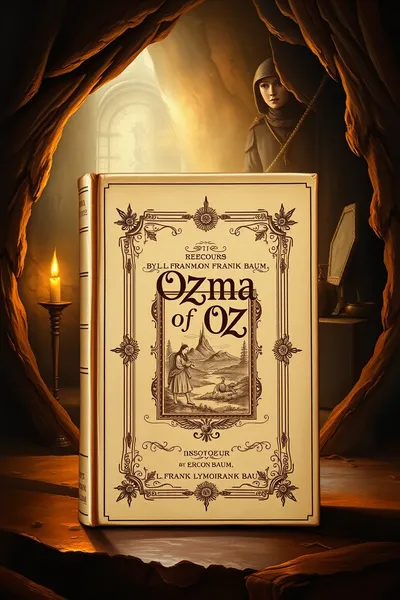
More by Baum, L. Frank (Lyman Frank)
All books →
From the “Transcendental Meditation” Collection
View all →






More Free Magic & Ritual Books
View all →