Death—and After?
 69
69

Death—and After?

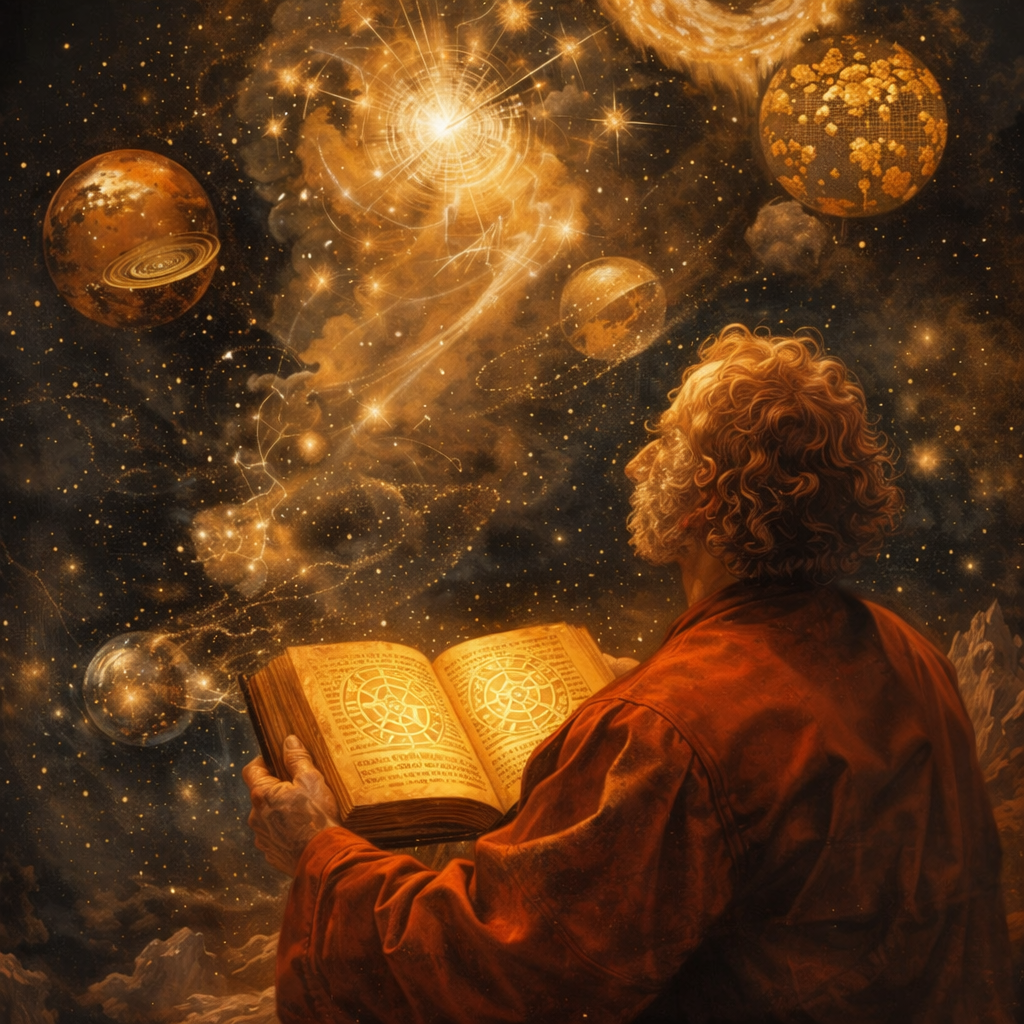

Annie Besant's Death—and After? stands as a timeless exploration of the afterlife, offering esoteric insights that remain relevant for modern seekers. Besant's eloquent prose and deep understanding of Theosophical principles make this book an invaluable resource for those interested in the spiritual dimensions of death. The text is rich with mystical symbolism and philosophical depth, making it a challenging yet rewarding read. For contemporary readers, Death—and After? provides a unique perspective on the afterlife that transcends traditional religious beliefs, offering a more universal and spiritual approach to understanding death. The book's exploration of reincarnation and the soul's journey is particularly enlightening, providing a sense of continuity and purpose beyond the physical realm. While some concepts may require a bit of esoteric background knowledge, the overall message is one of hope and spiritual evolution. This book is a must-read for anyone seeking a deeper understanding of the afterlife and the mysteries of existence. 4.5 stars.
📝 Description
69
Annie Besant published 'Death—and After?' to examine the soul's post-mortem existence.
Annie Besant's 'Death—and After?' addresses the nature of consciousness and existence beyond physical death. Drawing directly from Theosophical principles, Besant details the soul's presumed progression through various planes after the body ceases to function. She explains the mechanics of this transition, focusing on the continuity of the individual self and its experiences.
The book attempts to demystify the process of dying and what follows, presenting it as a natural phase in a larger spiritual evolution. Besant uses symbolic language and Theosophical concepts to describe the states of awareness and the environments the soul might encounter. Her aim is to provide a framework for understanding these unseen aspects of reality, moving beyond common beliefs about death.
Besant argues that death is not an end but a transition, a critical point in the soul's ongoing development. The text offers a Theosophical perspective on reincarnation and the karmic consequences that shape future existences. It seeks to offer clarity for those questioning the ultimate fate of the individual consciousness.
Published within the Theosophical movement that gained traction in the late 19th and early 20th centuries, 'Death—and After?' reflects a specific esoteric worldview. Theosophy, as formulated by Helena Blavatsky and further developed by figures like Annie Besant, sought to synthesize Eastern religious philosophies with Western occult traditions. This book applies those core tenets to the perennial question of life after death, proposing a structured, multi-layered reality beyond the physical.
✍️ Author
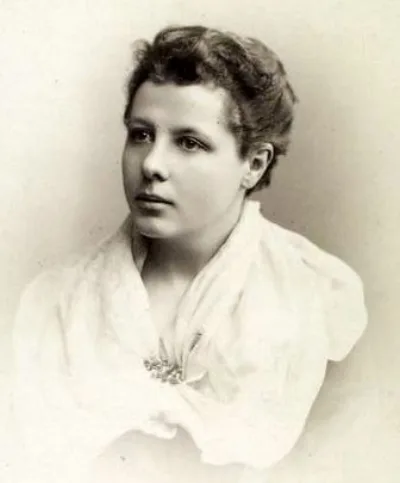
Besant, Annie
Annie Besant was an English socialist, theosophist, freemason, and activist for women's rights and education.
Theosophist
💡 Why Read This Book?
Reading Death—and After? today offers readers a profound exploration of the afterlife, drawing from ancient mystical traditions and Theosophical principles. Besant's insights provide a sense of continuity and purpose beyond physical death, making this book a valuable resource for spiritual seekers. Whether you are exploring esoteric knowledge for the first time or are a seasoned practitioner, this text offers a unique perspective on the mysteries of existence and the spiritual evolution of the soul.
⭐ Reader Reviews
Honest opinions from readers who have explored this book.
❓ Frequently Asked Questions
What is the main focus of Death—and After?
The main focus of Death—and After? is the exploration of the afterlife and the spiritual journey beyond physical death. Besant delves into themes of reincarnation, the soul's evolution, and the nature of existence beyond mortality.
Who is Annie Besant and why is she significant?
Annie Besant was a prominent figure in the Theosophical movement, known for her esoteric writings and spiritual teachings. Her work has influenced countless seekers on their spiritual journeys, providing a framework for understanding the afterlife.
Is this book suitable for beginners in esoteric studies?
While Death—and After? offers valuable insights, it may be more suited to readers with some background in esoteric knowledge. Beginners might find the text challenging but rewarding with a bit of preliminary study.
🔮 Key Themes & Symbolism
The Nature of the Soul
Besant examines the esoteric understanding of the soul, exploring its journey beyond the physical realm. This theme is central to Theosophical teachings and offers a deep mystical angle on the afterlife.
Symbolism and Ancient Wisdom
The book is rich in symbolism and ancient wisdom, creating an atmosphere of deep introspection. Besant ties together various esoteric symbols to illuminate the mysteries of death.
Theosophical Insights
Annie Besant's work is deeply rooted in Theosophical teachings, offering useful insights into the spiritual journey beyond the physical realm. This theme is explored through a blend of mystical and philosophical perspectives.
💬 Memorable Quotes
Direct passages from the work, attributed to the author.
“Death is but a transition to a higher plane of existence.”
— Besant emphasizes the transformative nature of death, viewing it as a gateway to spiritual growth.
“Ancient wisdom guides us through the veil of death.”
— Besant draws on ancient teachings to illuminate the path beyond the physical realm, emphasizing the timelessness of spiritual truths.
💡 Key Ideas
Editorial paraphrase of the work's core concepts — not direct quotes.
The soul's journey is a path of enlightenment and discovery.
This quote underscores the mystical belief in the soul's continuous evolution beyond physical death.
The mysteries of the afterlife are revealed to those who seek truth.
This line highlights the esoteric nature of the book, suggesting that hidden knowledge is accessible to sincere seekers.
Theosophy offers a map to the mysteries of the soul.
This quote emphasizes the role of Theosophical teachings in providing a framework for understanding the afterlife.
🌙 Esoteric Significance
Tradition
This book belongs to the Theosophical tradition, which blends elements of Hermeticism, Eastern mysticism, and Western esotericism. It aims to reveal hidden knowledge about the spiritual journey beyond death.
Symbolism
Key symbols in the book include the veil of death, the soul's journey, and the transformative nature of the afterlife. These symbols are used to convey deeper mystical truths about the nature of existence.
Modern Relevance
Today, 'Death—and After?' remains relevant for modern practitioners of Theosophy and those interested in the esoteric dimensions of life after death. It continues to inspire seekers of hidden knowledge and spiritual enlightenment.
👥 Who Should Read This Book
Beginners may find the book challenging but rewarding, as it offers a comprehensive introduction to Theosophical concepts. Scholars will appreciate the depth of Besant's research and insights. Spiritual seekers will find it a valuable guide on their journey of self-discovery and enlightenment. Practitioners of Theosophy will benefit from the profound exploration of life after death, gaining a deeper understanding of the spiritual journey beyond the physical realm.
📜 Historical Context
Published during a time of great spiritual and intellectual curiosity, 'Death—and After?' reflects the era's fascination with the occult and mystical traditions. Besant's work was influential in popularizing Theosophical ideas and shaping the discourse on life after death. It continues to be a significant text for those exploring the esoteric dimensions of existence, bridging ancient wisdom with modern thought.
📔 Journal Prompts
Reflect on your understanding of the soul's journey after death.
How do ancient wisdom and symbolism enrich your spiritual practices?
What insights from Theosophy have resonated with you the most?
Consider the transformative nature of death and its role in spiritual growth.
How can you apply the esoteric teachings in 'Death—and After?' to your daily life?
🗂️ Glossary
Theosophy
A spiritual and philosophical movement that seeks to uncover hidden knowledge and spiritual truths. It blends elements of Eastern mysticism and Western esotericism.
Esoteric
Relating to knowledge that is intended for a small, select group of people. Esoteric teachings often deal with mystical and occult subjects.
Soul
The spiritual or immaterial part of a human being, often considered to be the seat of emotions and character.
Afterlife
The existence of the soul after the death of the physical body, often explored in mystical and esoteric traditions.
Symbolism
The use of symbols to represent ideas or qualities, often in a mystical or esoteric context.
This book appears in 2 collections
🔮 Readers Also Liked
Browse all →
More by Besant, Annie
All books →

From the “Theosophy” Collection
View all →







More Free Theosophy & Anthroposophy Books
View all →