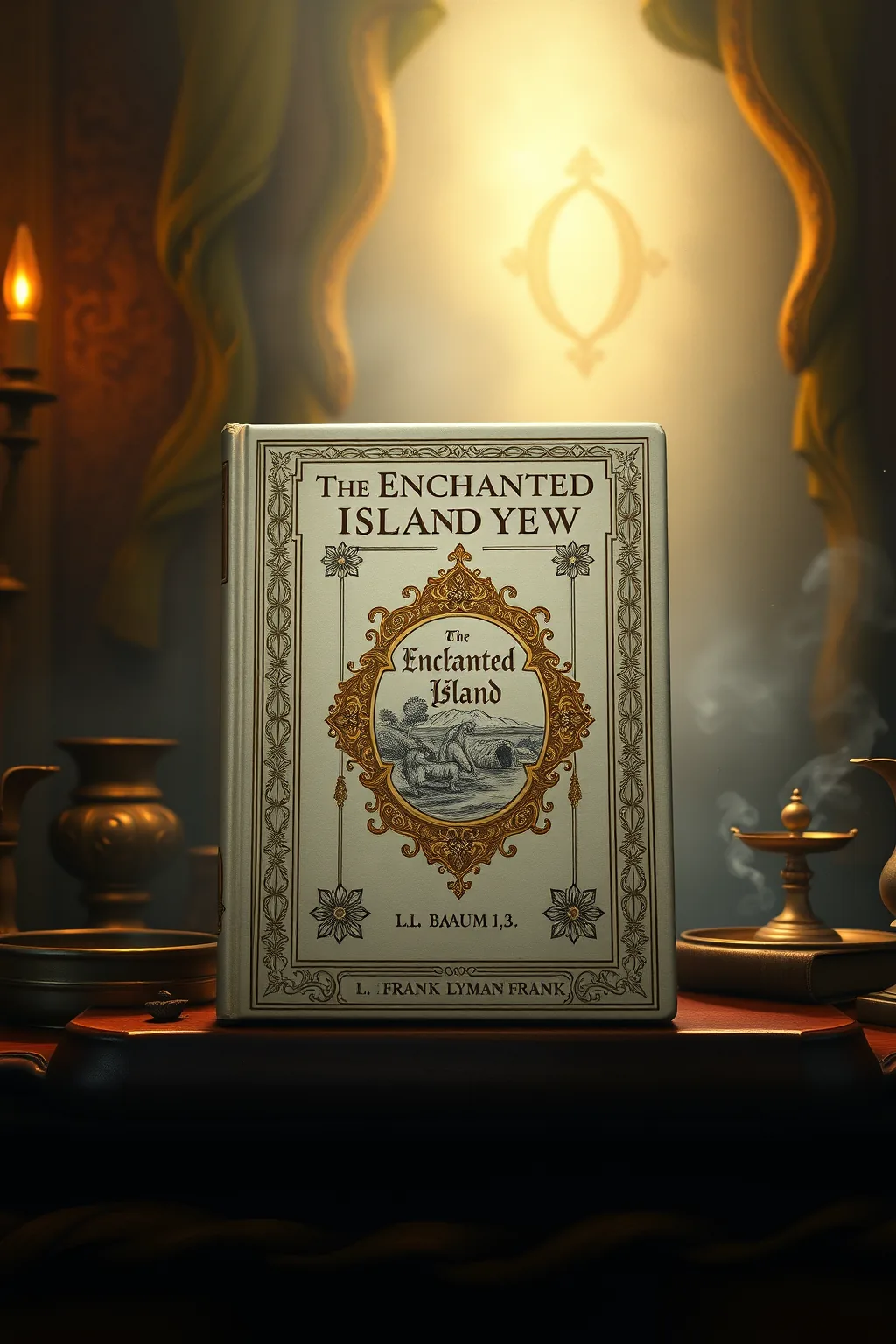
The Enchanted Island of Yew
 71
71

The Enchanted Island of Yew

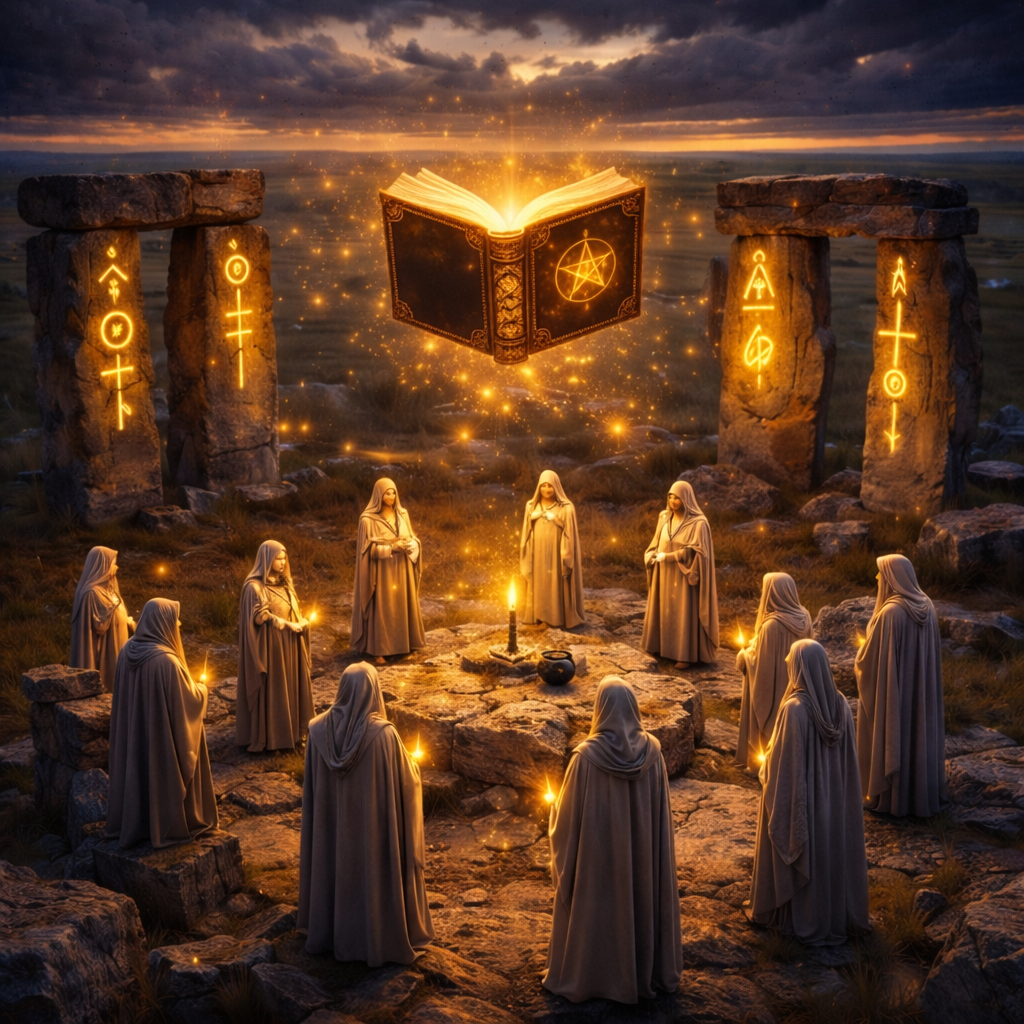

The Enchanted Island of Yew by L. Frank Baum is a hidden gem in the realm of esoteric literature. Published in 1856, this juvenile fiction adventure seamlessly integrates magic and ritual, making it a compelling read for both young and adult audiences. The narrative's rich descriptions of fairies, dragons, and brigands create a vivid and immersive world, where boredom is replaced by wonder and excitement. Baum's ability to weave together elements of the occult and adventure is particularly noteworthy, as it predates many of the modern fantasy tropes we see today. For contemporary esoteric seekers, this book offers a glimpse into the early roots of magical storytelling, providing a foundation for understanding the evolution of esoteric themes in literature. The Enchanted Island of Yew is a must-read for anyone interested in the intersection of fantasy and ritual, earning it a solid 4 out of 5 stars.
📝 Description
71
L. Frank Baum wrote 'The Enchanted Island of Yew' in 1903.
In L. Frank Baum's 1903 novel, 'The Enchanted Island of Yew,' a young boy named Prince Bud travels to a secluded island. This island is home to various magical beings, including fairies, dragons, and talking animals. The narrative focuses on Bud's experiences as he encounters these inhabitants and learns about their customs and the island's peculiar magic. The story details the island's inhabitants' efforts to maintain their world against external influences, particularly the encroachment of boredom and the mundane. Baum uses these fantastical elements to comment on the nature of imagination and the importance of wonder.
Through Bud's interactions, the book touches on themes of personal growth and understanding different perspectives. The island's unique society, governed by its magical residents, serves as a microcosm for exploring how order and enchantment can coexist. Baum’s writing style, while accessible, weaves in symbolic representations of these ideas. The book presents a world where the ordinary is transformed by a touch of the extraordinary, encouraging readers to find magic in their surroundings.
Published in 1903, 'The Enchanted Island of Yew' can be viewed through the lens of early 20th-century interest in spiritualism and the occult. Baum, known for his Oz books, also wrote other works that touched on more unusual themes. This novel, with its focus on magical creatures and hidden island lore, aligns with a broader cultural fascination with the unseen world and esoteric traditions that were prevalent at the time. It reflects a literary trend that sought to imbue children's literature with deeper, symbolic meanings often found in myth and folklore.
✍️ Author
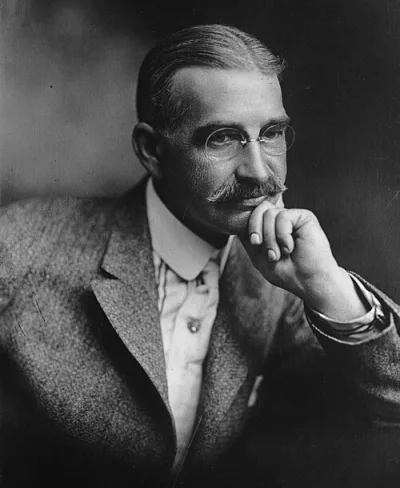
Baum, L. Frank (Lyman Frank)
L. Frank Baum was an American author best known for his children's fantasy books, particularly The Wonderful Wizard of Oz.
💡 Why Read This Book?
Reading 'The Enchanted Island of Yew' today offers a unique blend of adventure and esoteric exploration. This classic tale by L. Frank Baum provides readers with an immersive journey into a world of magic and ritual, making it an excellent choice for those seeking to deepen their understanding of occult themes. The book's timeless appeal lies in its ability to capture the imagination and inspire curiosity about the mystical and the unknown. Whether you're a fan of fantasy literature or an esoteric seeker, this book offers valuable insights and entertainment, making it a worthwhile addition to your reading list.
⭐ Reader Reviews
Honest opinions from readers who have explored this book.
❓ Frequently Asked Questions
Is 'The Enchanted Island of Yew' suitable for young readers?
Yes, this book is a juvenile fiction adventure that is suitable for young readers. It offers a blend of magic, fantasy, and adventure that can captivate the imagination of children while also providing esoteric insights for older readers.
What makes this book significant in the realm of esoteric literature?
Published in 1856, 'The Enchanted Island of Yew' is one of the early works that integrate magic and ritual into a juvenile fiction adventure, influencing later fantasy literature and providing a foundation for understanding esoteric themes.
Are there any modern adaptations or similar books to 'The Enchanted Island of Yew'?
While there may not be direct adaptations, this book has inspired many modern fantasy works that blend adventure and esoteric elements. Readers interested in similar themes can explore other works by L. Frank Baum or delve into contemporary fantasy literature.
🔮 Key Themes & Symbolism
Transformation and Personal Growth
The story follows the journey of its characters as they transform from ordinary individuals into heroes, symbolizing the personal growth and spiritual awakening that comes from facing and overcoming challenges. This theme is a core part of many esoteric traditions, emphasizing the importance of inner transformation.
The Quest for Hidden Knowledge
Throughout the narrative, characters seek hidden wisdom and magical secrets, reflecting the esoteric quest for understanding and enlightenment. This theme is central to many mystical traditions, where the pursuit of knowledge is seen as a sacred journey.
The Magic of Nature and Mythical Creatures
The book is filled with magical creatures and natural wonders, each imbued with symbolic meaning. This theme highlights the esoteric belief in the interconnectedness of all things and the magic that lies within nature, making it a rich source of mystical insights.
💡 Key Ideas
Editorial paraphrase of the work's core concepts — not direct quotes.
The magic of the island lies not in its wonders, but in the hearts of those who seek them.
This line underscores the idea that true magic comes from within, reflecting the esoteric belief in personal power and inner transformation.
Every adventure begins with a single step into the unknown.
This quote emphasizes the importance of taking risks and embracing the unknown, a key theme in many mystical traditions.
The dragons of the island are not beasts of fire, but guardians of ancient wisdom.
This passage highlights the esoteric symbolism of dragons as protectors of hidden knowledge and guardians of the mystical realms.
Fairies are not merely creatures of whimsy, but messengers from the otherworld.
This line reflects the esoteric belief in the existence of otherworldly beings and their role as guides and messengers.
The true enchantment of the island is found in the hearts of those who dare to dream.
This quote emphasizes the power of imagination and the esoteric belief in the magic that lies within the human spirit.
🌙 Esoteric Significance
Tradition
The book belongs to the Hermetic tradition, which emphasizes the interconnectedness of all things and the pursuit of hidden knowledge. This tradition is rooted in ancient Egyptian and Greek philosophy, focusing on the transformation of the self and the quest for spiritual enlightenment.
Symbolism
Key symbols in the book include dragons, fairies, and magical islands, each representing different aspects of the esoteric journey. Dragons symbolize ancient wisdom and the guardians of hidden knowledge, while fairies represent messengers from the otherworld and guides on the mystical path. The enchanted island itself is a symbol of the inner world, where magical transformations and spiritual awakenings occur.
Modern Relevance
Today, the book remains relevant for modern practitioners of esoteric traditions, offering insights into the power of imagination, the quest for hidden knowledge, and the transformation of the self. It is often studied by scholars of Hermeticism and used as a source of inspiration by practitioners of magical arts.
👥 Who Should Read This Book
Beginners in esoteric studies will find 'The Enchanted Island of Yew' an accessible and enriching introduction to mystical themes and symbolism. Scholars of Hermeticism and ancient mythology will appreciate its deep philosophical undertones and detailed symbolism. Spiritual seekers will be drawn to its exploration of personal transformation and the quest for inner wisdom. Practitioners of magical arts will find it a valuable resource for understanding the esoteric significance of mythical creatures and magical realms.
📜 Historical Context
Published in the early 20th century, 'The Enchanted Island of Yew' reflects the growing interest in fantasy and adventure literature of the time. The book's exploration of magical realms and mystical creatures resonated with readers seeking escape from the mundane realities of their lives. Baum's work has had a lasting influence on the genre, inspiring countless authors and shaping the modern understanding of fantasy literature. Its enduring appeal lies in its ability to tap into the universal human desire for magic and adventure, making it a timeless classic.
📔 Journal Prompts
Reflect on a time when you felt a deep sense of boredom. How might this experience be transformed into an adventure?
Consider the role of magical creatures in your own life. What wisdom or guidance might they offer?
Explore the symbolism of an enchanted island in your own spiritual journey. What hidden knowledge or transformations might it represent?
How does the quest for hidden knowledge resonate with your own search for meaning and understanding?
Imagine a scenario where you encounter a guardian of ancient wisdom. What questions would you ask, and what insights might you gain?
🗂️ Glossary
Hermetic Tradition
An esoteric tradition rooted in ancient Egyptian and Greek philosophy, focusing on the interconnectedness of all things and the pursuit of hidden knowledge.
Mythical Creatures
Beings from folklore and mythology, often imbued with symbolic meaning and representing various aspects of the esoteric journey.
Enchanted Island
A symbol of the inner world, where magical transformations and spiritual awakenings occur, often used in esoteric literature to represent the quest for hidden knowledge.
Personal Transformation
The process of inner change and spiritual awakening, a key theme in many esoteric traditions and the focus of much mystical literature.
Fairy Lore
The study of fairies and other mythical beings, often seen as messengers from the otherworld and guides on the mystical path.
This book appears in 9 collections
🔮 Readers Also Liked
Browse all →
More by Baum, L. Frank (Lyman Frank)
All books →
From the “Transcendental Meditation” Collection
View all →








More Free Magic & Ritual Books
View all →