The Marvelous Land of Oz
 72
72

The Marvelous Land of Oz


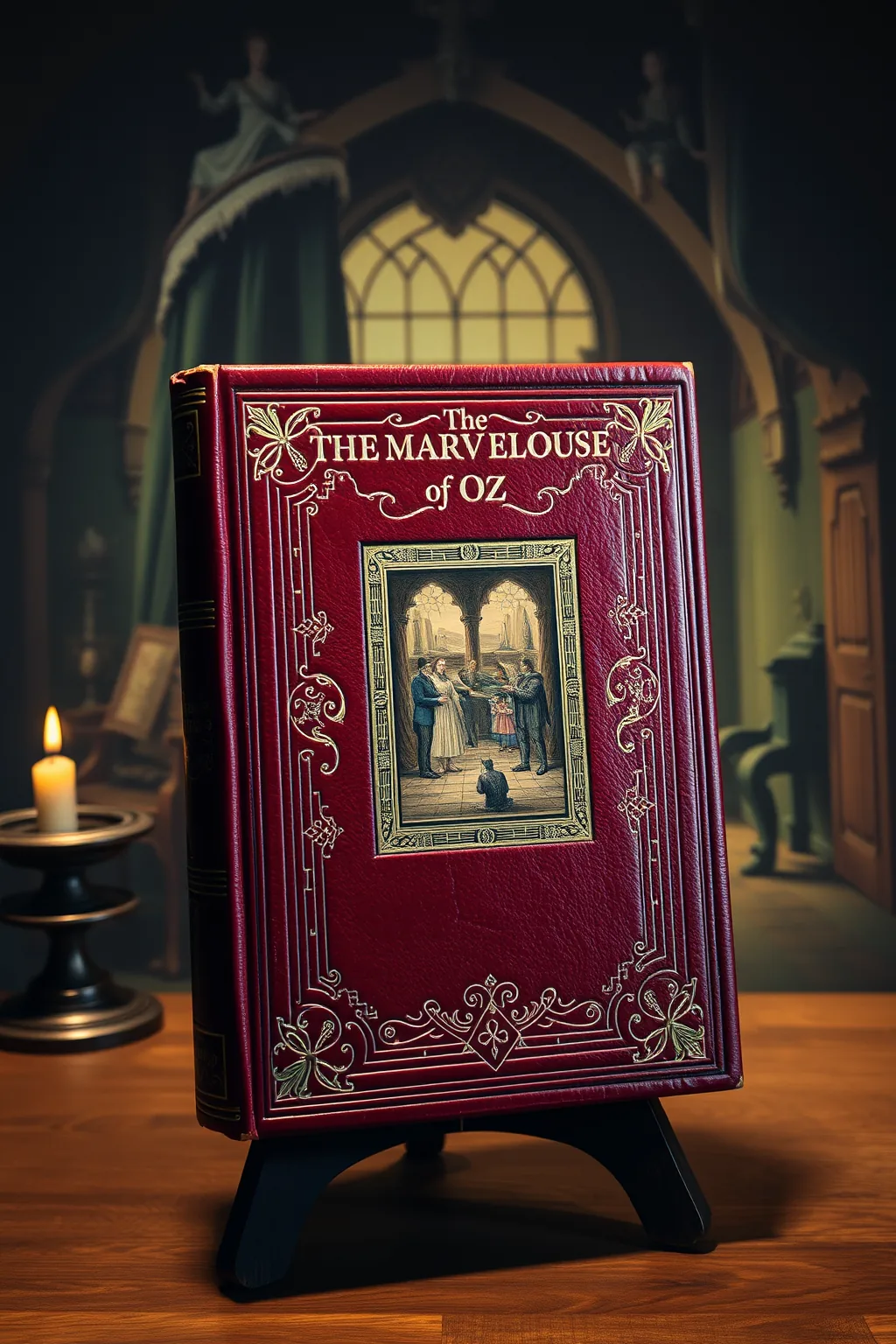
The Marvelous Land of Oz by L. Frank Baum is a delightful and enchanting journey into the magical world of Oz. Published in 1904, this classic work of fantasy literature continues to captivate readers with its whimsical storytelling and vivid imagination. For modern esoteric seekers, the book offers a wealth of insights into the power of magic and ritual, as well as the importance of friendship and community in achieving one's goals. Baum's exploration of the esoteric themes of personal growth, self-discovery, and the struggle between good and evil make this a valuable addition to any occult library. The story of Tip, a young boy who discovers his magical abilities and embarks on a journey to save Princess Ozma, is a testament to the power of belief and the courage to face one's fears. The Marvelous Land of Oz is a must-read for anyone interested in the esoteric arts and the magic of storytelling.
📝 Description
72
Published in 1904, L. Frank Baum's 'The Marvelous Land of Oz' uses fantasy to discuss the conduct of life and leadership.
This 1904 sequel to 'The Wizard of Oz' follows the adventures of Tip, a young boy who escapes the wicked witch Mombi. Tip, accompanied by a wooden soldier named Jack Pumpkinhead and a living scarecrow, journeys to the Emerald City. Along the way, they encounter magical creatures and face various challenges, all while the narrative subtly comments on political structures and the nature of authority.
Baum weaves a story where the fantastical elements serve as allegories for deeper concepts. The characters and their interactions reflect on friendship, transformation, and the search for genuine power. The land of Oz itself acts as a mirror to the human mind, suggesting that external realities are often shaped by internal perceptions. Readers are encouraged to interpret the events and characters beyond their surface appearance, finding layers of meaning in Baum's inventive prose.
While often read as a children's fantasy, 'The Marvelous Land of Oz' contains elements that resonate with esoteric traditions. Baum's creation of Oz, a world with its own distinct rules and inhabitants, can be seen as a symbolic representation of a spiritual or inner realm. The emphasis on finding one's true self and overcoming external manipulation aligns with concepts found in Hermeticism and certain branches of Western esotericism. The narrative's layered meanings invite contemplation on the relationship between the material and the unseen, a common concern in mystical thought.
✍️ Author
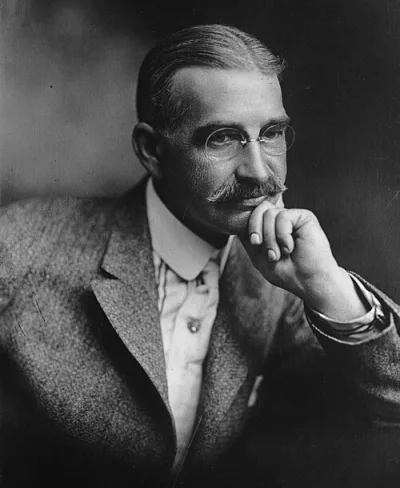
Baum, L. Frank (Lyman Frank)
L. Frank Baum was an American author best known for his children's fantasy books, particularly The Wonderful Wizard of Oz.
💡 Why Read This Book?
The Marvelous Land of Oz is a timeless classic that continues to enchant readers with its magical storytelling and rich themes. For modern esoteric seekers, this book offers a unique perspective on the power of magic and ritual, as well as the importance of friendship and community. By reading this book, you will gain a deeper understanding of the esoteric arts and the magic that exists within us all. The Marvelous Land of Oz is a must-read for anyone looking to explore the enchanting world of Oz and discover the power of belief and self-discovery.
⭐ Reader Reviews
Honest opinions from readers who have explored this book.
❓ Frequently Asked Questions
Is The Marvelous Land of Oz suitable for children?
Yes, this book is suitable for children and adults alike. It offers a rich tapestry of enchantment, friendship, and adventure that can be enjoyed by readers of all ages.
What are the main themes of The Marvelous Land of Oz?
The main themes of the book include magic, friendship, personal growth, and the struggle between good and evil. It also explores the power of belief and self-discovery.
Is The Marvelous Land of Oz part of a series?
Yes, this book is the second in L. Frank Baum's Oz series. It introduces new characters and challenges that the inhabitants of Oz must face.
🔮 Key Themes & Symbolism
Transformation and Self-Discovery
The characters in 'The Marvelous Land of Oz' undergo profound transformations, symbolizing spiritual journeys and the quest for self-knowledge. This theme speaks to esoteric traditions that emphasize inner growth and the uncovering of hidden truths.
The Power of Friendship
Friendship is a central theme, representing the bonds that connect us in the mystical realm. The adventures of the characters highlight the strength and support that come from true friendship, a concept deeply rooted in many occult philosophies.
Leadership and the Conduct of Life
The book explores the nature of leadership and the conduct of life through the lens of magic. Characters who rise to leadership roles embody principles of wisdom, courage, and ethical behavior, offering insights into the esoteric ideals of governance and personal conduct.
💡 Key Ideas
Editorial paraphrase of the work's core concepts — not direct quotes.
The true magic lies within us, waiting to be discovered.
This quote underscores the esoteric belief in the inner power of the individual.
Friendship is the strongest magic of all.
This line emphasizes the mystical bond of friendship, a common theme in occult literature.
The path to true power is one of self-discovery and transformation.
This quote reflects the esoteric journey of self-knowledge and inner growth.
In the land of Oz, every adventure is a lesson in life.
This line highlights the allegorical nature of the book's adventures, which mirror life's experiences.
The heart of magic is the heart of the seeker.
This quote emphasizes the personal and inner nature of magical pursuits.
🌙 Esoteric Significance
Tradition
The book belongs to the Hermetic tradition, emphasizing the power of the individual and the quest for hidden knowledge. It also draws on elements of Gnostic thought, with its focus on inner transformation and the discovery of true self.
Symbolism
Key symbols include the magical landscapes that represent inner realms and the characters who embody various aspects of the human psyche. The journey itself is a symbol of the spiritual quest, filled with trials and revelations.
Modern Relevance
Today, 'The Marvelous Land of Oz' continues to resonate with practitioners of ritual magic and occult philosophy. Modern readers find in its pages a rich source of symbolism and philosophical insights, making it a valuable resource for those seeking to understand the mystical arts.
👥 Who Should Read This Book
This book is ideal for beginners in the occult who are looking for an accessible introduction to esoteric themes. Scholars of mystical literature will find it a rich source of symbolism and philosophical depth. Spiritual seekers will appreciate the book's exploration of self-discovery and inner transformation. Practitioners of ritual magic will find valuable insights into the nature of hidden knowledge and the power of the individual.
📜 Historical Context
Published in 1904, 'The Marvelous Land of Oz' is the second book in L. Frank Baum's iconic series. It was written during a time of significant cultural and intellectual change, reflecting the growing interest in spiritualism and the occult. The book's influence can be seen in its enduring popularity and its impact on later works of fantasy literature. It continues to inspire readers with its timeless themes and mystical atmosphere, making it a classic in the genre.
📔 Journal Prompts
How do the transformations of the characters in the book reflect your own spiritual journey?
In what ways does the theme of friendship resonate with your own experiences?
What lessons about leadership and the conduct of life can you draw from the book's adventures?
How does the magical field of Oz symbolize inner realms and hidden knowledge?
What personal insights have you gained from exploring the esoteric themes in 'The Marvelous Land of Oz'?
🗂️ Glossary
Hermetic Tradition
A philosophical and spiritual tradition that emphasizes the power of the individual and the quest for hidden knowledge.
Gnostic Thought
A spiritual movement that focuses on inner transformation and the discovery of true self.
Symbolism
The use of symbols to represent abstract ideas or qualities, often in literature and art.
Esoteric
Relating to knowledge that is only understood by a small group of people, often involving mystical or occult themes.
Occult Philosophy
The study of hidden or mystical knowledge, often involving the exploration of spiritual and magical practices.
This book appears in 5 collections
🔮 Readers Also Liked
Browse all →
More by Baum, L. Frank (Lyman Frank)
All books →
From the “Invocation” Collection
View all →

More Free Magic & Ritual Books
View all →