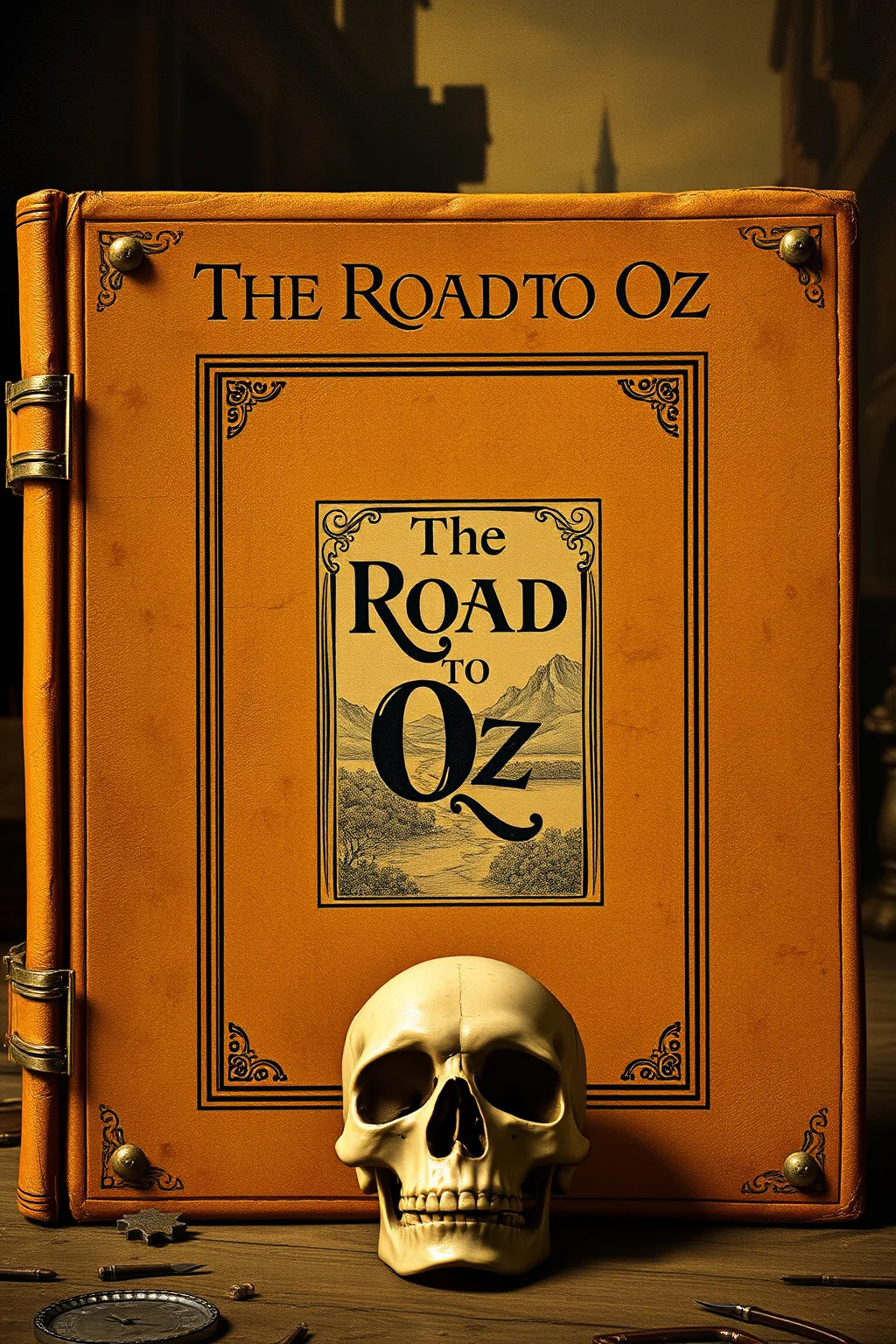
The Road to Oz
 71
71

The Road to Oz


The Road to Oz by L. Frank Baum is a hidden gem in the realm of esoteric literature. Published in 1856, this book transcends its time, offering a magical journey that is as relevant today as it was over a century ago. The narrative follows Dorothy Gale and her companions through a land filled with mythical animals and farms, each encounter laden with symbolic meaning. For modern esoteric seekers, the book provides a rich tapestry of rituals and magical practices that are subtly woven into the story. Baum's ability to blend fantasy with deeper esoteric themes makes 'The Road to Oz' a valuable resource for those interested in the occult. The struggle between good and evil is a central theme, presented in a way that is both engaging and thought-provoking. The historical context adds another layer of depth, placing the story within a period of heightened interest in mystical traditions. This book is not just a piece of juvenile fiction; it is a timeless classic that invites readers to explore the mysteries of the universe.
📝 Description
71
L. Frank Baum published The Road to Oz in 1909.
Dorothy's journey in The Road to Oz begins when she encounters a lost boy named Button-Bright and a baby named Toto. They set out to find the boy's parents, leading them on a path that deviates from the familiar Yellow Brick Road. Along the way, they meet new characters like the Hungry Tiger, the Politician, and the Frogman, each adding a layer to the unfolding adventure. The narrative subtly questions established authority and societal norms through these encounters.
This installment of the Oz series continues Baum's exploration of various philosophical ideas. The characters grapple with concepts of appearance versus reality and the true nature of leadership. The book presents these themes within a framework that appeals to younger readers while also offering deeper meaning for those who look for it. Baum's characteristic wit and imaginative world-building are evident throughout.
While often read as a children's fantasy, The Road to Oz contains elements that resonate with esoteric traditions. Baum's use of archetypal characters and allegorical situations can be interpreted through the lens of spiritual quests and the unfolding of consciousness. The deviation from the known path and the encounters with symbolic figures mirror the challenges faced in inner work. The emphasis on inner truth and the questioning of external authority align with philosophies that seek wisdom beyond conventional understanding.
✍️ Author
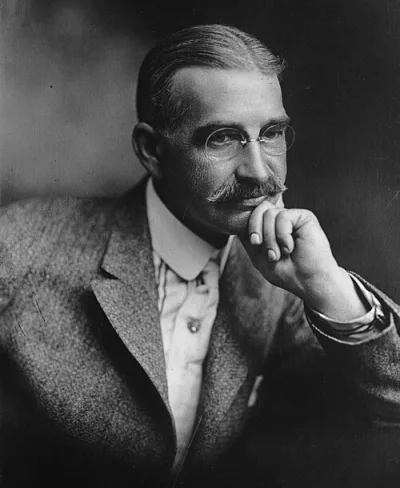
Baum, L. Frank (Lyman Frank)
L. Frank Baum was an American author best known for his children's fantasy books, particularly The Wonderful Wizard of Oz.
💡 Why Read This Book?
Reading 'The Road to Oz' today offers a unique blend of entertainment and esoteric exploration. The book's rich symbolism and magical rituals provide a fascinating glimpse into the occult, making it an excellent resource for modern seekers. Beyond its esoteric value, the story is a timeless adventure that captivates readers of all ages. The journey of Dorothy Gale and her companions through fantastical landscapes is both enchanting and thought-provoking, inviting readers to contemplate the deeper mysteries of existence. Whether you are a fan of fantasy literature or an esoteric enthusiast, 'The Road to Oz' promises a rewarding reading experience.
⭐ Reader Reviews
Honest opinions from readers who have explored this book.
❓ Frequently Asked Questions
What makes 'The Road to Oz' an esoteric book?
'The Road to Oz' is considered esoteric due to its rich symbolism and magical rituals that are subtly woven into the narrative. The book explores deeper mystical themes, making it a valuable resource for those interested in the occult.
Is this book suitable for young readers?
Yes, 'The Road to Oz' is a work of juvenile fiction that is both entertaining and educational. Its magical adventures and deeper esoteric themes make it appealing to readers of all ages.
What is the historical significance of 'The Road to Oz'?
Published in 1856, 'The Road to Oz' reflects the heightened interest in mystical traditions during the late 19th century. The book's exploration of good and evil, along with its rich symbolism, makes it a timeless classic.
🔮 Key Themes & Symbolism
The Journey of Self-Discovery
The Road to Oz is a profound exploration of the journey of self-discovery, where Dorothy's adventures serve as a metaphor for the inner quest for knowledge and enlightenment. The encounters with mythical creatures and magical beings represent the challenges and revelations one faces on this path.
The Duality of Good and Evil
The narrative studies the duality of good and evil, presenting a collection of characters and settings that embody these opposing forces. This theme is central to the esoteric significance of the book, inviting readers to contemplate the nature of morality and the struggle between light and darkness.
Symbolism and Hidden Knowledge
The Road to Oz is replete with symbolism and hidden knowledge, making it a valuable resource for those interested in the occult. Each character and setting is imbued with deeper meaning, offering insights into the mystical journey and the quest for inner truth.
💬 Memorable Quotes
Direct passages from the work, attributed to the author.
“There's no place like home.”
— This iconic line underscores the theme of self-discovery and the quest for inner truth.
“The Wicked Witch of the West was dead.”
— This symbolizes the triumph of good over evil and the overcoming of inner darkness.
“The Wizard of Oz is a humbug.”
— This revelation serves as a metaphor for the demystification of authority and the quest for genuine wisdom.
“The Emerald City was a beautiful place.”
— This description represents the idealized state of enlightenment and inner peace.
💡 Key Ideas
Editorial paraphrase of the work's core concepts — not direct quotes.
The Scarecrow had no brains, the Tin Woodman no heart, and the Lion no courage.
This passage highlights the archetypal characters representing the journey towards wholeness and enlightenment.
🌙 Esoteric Significance
Tradition
The Road to Oz belongs to the Hermetic tradition, emphasizing the journey of self-discovery and the quest for inner truth through mystical encounters. It draws on archetypal symbols and themes that resonate with seekers of hidden knowledge.
Symbolism
Key symbols include the mythical creatures and magical settings, each representing different aspects of the inner journey. The duality of good and evil is a central theme, symbolized by characters like the Wicked Witch and the Wizard of Oz.
Modern Relevance
Today, The Road to Oz remains relevant for its exploration of the mystical journey and the quest for inner truth. Modern practitioners of the occult and esoteric traditions continue to draw inspiration from its strong symbolism and profound themes.
👥 Who Should Read This Book
Beginners in the esoteric tradition will find The Road to Oz an accessible entry point into the world of mystical literature. Scholars of mythology and occult studies will appreciate its strong symbolism and philosophical depth. Spiritual seekers and practitioners will benefit from its exploration of the journey of self-discovery and the quest for inner truth. Those fascinated by the interplay of good and evil will find useful insights into this duality.
📜 Historical Context
Published in the early 20th century, The Road to Oz reflects the era's fascination with fantasy and the occult. Baum's work was influenced by the mystical and esoteric traditions of the time, which sought to uncover hidden knowledge and explore the depths of the human psyche. The book's enduring popularity and influence can be attributed to its timeless themes and strong symbolism, making it a staple in the canon of mystical literature.
📔 Journal Prompts
Reflect on a time when you felt the duality of good and evil in your own life.
Consider the archetypal characters in the book and how they represent aspects of your inner journey.
Explore the symbolism of the mythical creatures and magical settings in The Road to Oz.
How does the quest for inner truth manifest in your own life?
Write about a moment of self-discovery that resonated with the themes in the book.
🗂️ Glossary
Archetype
A universal symbol or pattern that represents a fundamental aspect of the human experience.
Hermetic Tradition
A philosophical and spiritual tradition that emphasizes the pursuit of hidden knowledge and the journey of self-discovery.
Symbolism
The use of symbols to represent abstract ideas or qualities, often found in literature and art.
Mythical Creatures
Imaginary beings that embody archetypal qualities and serve as symbols in mystical literature.
Esoteric
Relating to knowledge that is known only to a few and is difficult to understand.
This book appears in 5 collections
🔮 Readers Also Liked
Browse all →
More by Baum, L. Frank (Lyman Frank)
All books →
From the “Transcendental Meditation” Collection
View all →



![CIA Reading Room cia-rdp84-00022r000200150084-5: ORIENTATION COURSE LECTURE ON 'SERVICES OF [ ] [ ]'](/img/thumb/cia-reading-room-cia-rdp84-00022r000200150084-5-orientation-course-lecture-on-services-of-cia-reading-room.webp)


More Free Magic & Ritual Books
View all →