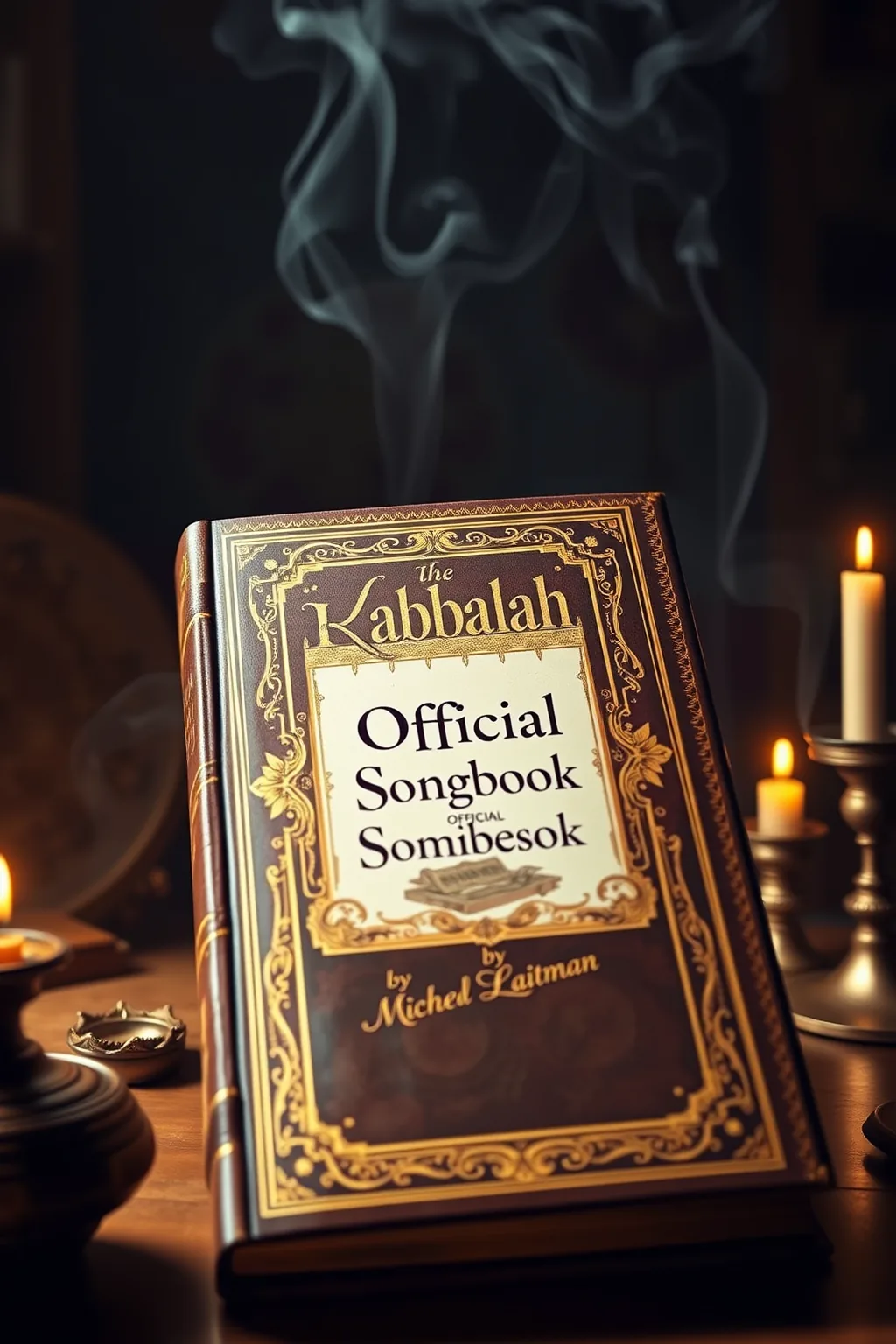
Kabbalah Official Songbook
 61
61

Kabbalah Official Songbook

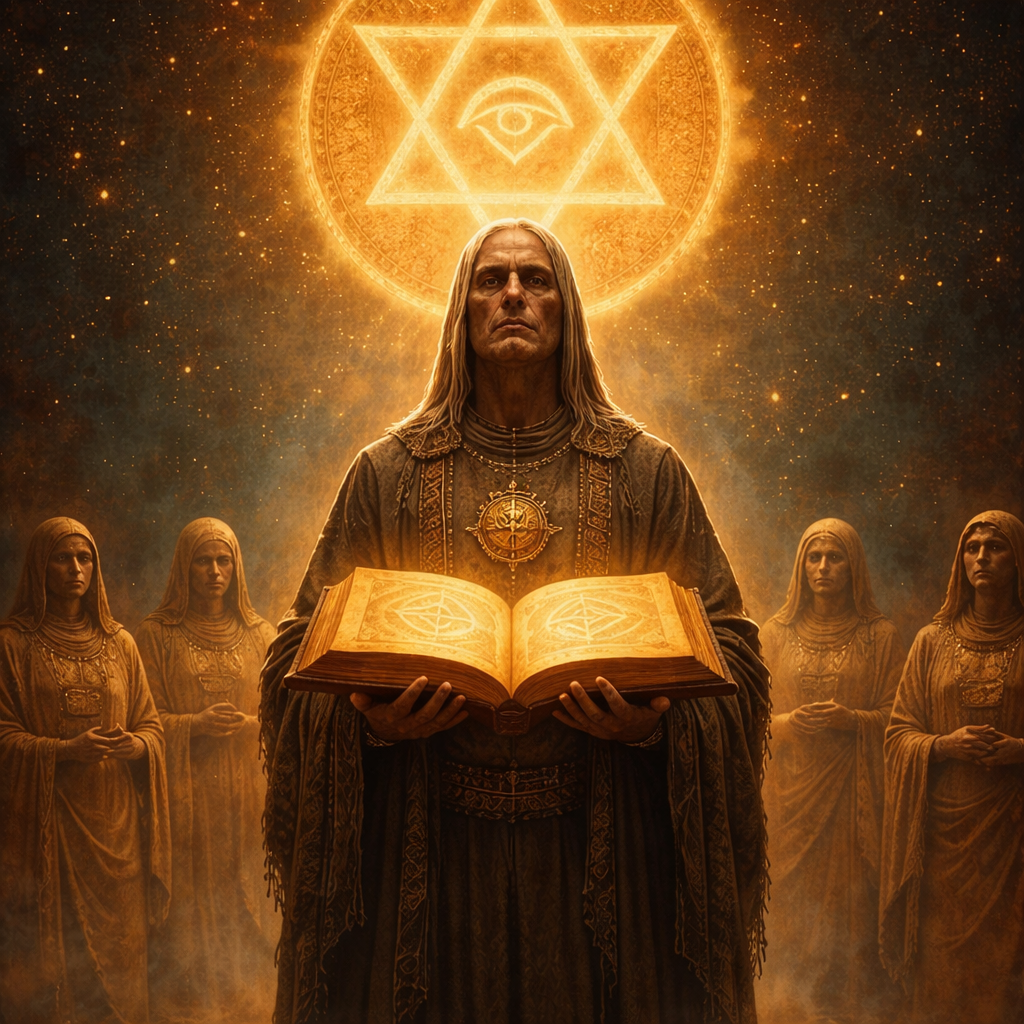

Review by Isolde Whitaker (Sacred Texts Editor) — Rabbi Michael Laitman’s 'Kabbalah Official Songbook' is a luminous offering for those seeking to engage with Kabbalistic wisdom through the resonant power of song. This volume masterfully bridges the gap between abstract mystical concepts and accessible, devotional practice. Laitman’s profound understanding of the tradition shines through in his selection and accompanying explanations, revealing the deep symbolic and spiritual significance embedded within each melody. It’s an essential resource for students of Jewish mysticism and anyone drawn to the contemplative and transformative potential of sacred music, offering a unique pathway to spiritual connection.
📝 Description
61
Michael Laitman's 'Kabbalah Official Songbook' presents 100 songs meant to aid spiritual connection.
This collection brings together 100 songs associated with Kabbalistic study, compiled by Rabbi Michael Laitman. The book aims to serve as a musical resource for those seeking to understand Kabbalistic principles. Each composition is presented with Laitman's annotations, which explain the underlying esoteric concepts. These explanations connect the music to themes of creation, divine unity, and personal spiritual growth.
The 'Kabbalah Official Songbook' is intended for a wide audience, including musicians and individuals interested in Jewish mysticism. It frames singing as a practice that can deepen spiritual awareness and transform prayer into a more active experience. The goal is to help readers engage with the Sefirot and the broader spiritual structure described in Kabbalistic texts through vocalization.
This songbook is situated within the tradition of Kabbalah, a system of Jewish mysticism that originated in the medieval period. Kabbalistic thought focuses on divine emanations, known as the Sefirot, and the structure of creation. Practices within Kabbalah often involve meditation, contemplation, and the use of sacred texts and names. Music and chanting have historically played a role in some Kabbalistic circles, serving as a means to achieve altered states of consciousness and connect with the divine. This book offers a curated selection of songs intended to facilitate such a connection for contemporary practitioners.
💡 Why Read This Book?
For seekers of hidden wisdom and practitioners of Jewish mysticism, this songbook offers a direct conduit to the Kabbalistic universe. Engage with ancient teachings through evocative melodies, deepen your spiritual practice with resonant prayers, and unlock profound insights into the nature of reality. It's an invitation to harmonize your soul with the divine.
⭐ Reader Reviews
Honest opinions from readers who have explored this book.
❓ Frequently Asked Questions
What is the primary purpose of this songbook?
The primary purpose is to facilitate spiritual connection and understanding of Kabbalistic principles through the practice of singing sacred songs, transforming abstract concepts into tangible, resonant experiences.
Who is Rabbi Michael Laitman?
Rabbi Michael Laitman is a renowned contemporary Kabbalist, author, and spiritual leader who has dedicated his life to disseminating the wisdom of Kabbalah to a global audience.
Are musical skills required to use this book?
While musical proficiency can enhance the experience, the songbook is designed for all levels. The emphasis is on the spiritual intent and connection fostered by the songs, not technical performance.
What makes this songbook 'official'?
The term 'official' signifies its direct lineage and endorsement from a recognized authority and practitioner within the Kabbalistic tradition, ensuring authenticity and depth.
Can this book be used for group spiritual practice?
Absolutely. The songbook is ideally suited for group meditation, communal prayer, and study sessions, fostering a shared spiritual experience and collective resonance.
🔮 Key Themes & Symbolism
The Music of Creation
This theme explores the concept that the universe itself is composed of divine vibrations and that music, in its purest form, acts as a conduit to these primordial frequencies. The songs within this collection are presented not merely as human compositions, but as elements of the cosmic symphony that brought existence into being. Through their melodies and lyrics, readers are invited to attune themselves to the underlying harmony of the universe, fostering a deeper sense of unity and interconnectedness with all of creation. It speaks to the inherent spiritual resonance within sound, suggesting that by engaging with these sacred tunes, one can actively participate in the ongoing act of creation.
Unlocking the Sefirot
Central to Kabbalistic thought, the Sefirot represent the ten divine emanations or attributes through which the Infinite Light manifests in the world. This theme looks at how each song serves as a unique key, designed to illuminate and activate the spiritual energy associated with specific Sefirot. By singing these melodies, practitioners can cultivate an awareness of these divine qualities within themselves and in the broader cosmos. The songbook provides a sonic map to work through the Tree of Life, offering a practical and experiential method to understand and integrate the divine attributes, fostering spiritual growth and a more profound apprehension of God's presence.
The Path of Spiritual Ascent
This theme focuses on the transformative journey of the soul as it ascends through the spiritual realms, a core tenet of Kabbalistic practice. The songs are presented as spiritual vehicles, each composed to guide the singer upwards, overcoming internal obstacles and expanding consciousness. The collection offers a structured approach to spiritual development, where the act of singing becomes a meditative practice that purifies the heart, elevates the mind, and draws the soul closer to its divine source. It emphasizes the power of intention and devotion in transforming mundane vocalizations into potent spiritual tools for self-realization and union.
💬 Memorable Quotes
Direct passages from the work, attributed to the author.
“Each note carries an echo of the Creator's first word.”
— This poetic assertion links musical sound to the primordial act of creation, implying that sacred music holds a divine blueprint and can connect us to the origin of all existence.
“The melody opens the gates to higher perception.”
— This statement emphasizes the cognitive and spiritual benefits of engaging with Kabbalistic music, suggesting that it can elevate our awareness and grant access to deeper levels of understanding.
“The true meaning of Kabbalah is sung, not just read.”
— This profound statement suggests that the experiential and emotive dimensions of Kabbalistic wisdom are best accessed and understood through auditory and performative engagement, rather than solely through intellectual study.
💡 Key Ideas
Editorial paraphrase of the work's core concepts — not direct quotes.
Singing is a prayer that speaks to the soul's deepest desires.
This quote highlights the transformative power of vocalization in spiritual practice, suggesting that song is a direct expression of the soul's innate yearning for connection and understanding.
Through song, we combine ourselves into the fabric of the divine.
This quote speaks to the unifying power of sacred music, illustrating how singing can integrate the individual consciousness into the greater cosmic consciousness.
🌙 Esoteric Significance
Tradition
This songbook is deeply rooted in the Kabbalistic tradition, specifically the Lurianic Kabbalah as interpreted and disseminated by Rabbi Michael Laitman. It focuses on the practical application of Kabbalistic principles, using music as a meditative and devotional tool to connect with the divine emanations (Sefirot) and to facilitate spiritual ascent through the various spiritual worlds described in Kabbalistic cosmology.
Symbolism
The songs are rich with Kabbalistic symbolism, often referencing divine names, the structure of the Tree of Life, cosmic processes like Tzimtzum (contraction) and Shevirat HaKelim (shattering of the vessels), and the ultimate goal of Tikkun (rectification). The melodies themselves are intended to embody the spiritual forces and concepts they represent, acting as sonic keys to unlock deeper spiritual understanding and experience.
Modern Relevance
In an era often characterized by disconnection and material focus, this songbook offers a path to spiritual rediscovery through a universally accessible medium: music. It provides a practical, engaging method for individuals to cultivate mindfulness, deepen their connection to the divine, and explore profound metaphysical concepts in a way that resonates emotionally and spiritually, making ancient wisdom relevant and actionable today.
👥 Who Should Read This Book
This songbook is a treasure for a diverse audience. **Beginners** to Kabbalah will find it an accessible and engaging introduction, transforming abstract concepts into a tangible, experiential practice. **Scholars** will appreciate the authentic presentation of traditional melodies and the depth of Laitman's insights, offering a new lens for textual analysis. **Spiritual seekers** of all backgrounds will discover a powerful tool for meditation, contemplation, and personal transformation. **Practitioners** of Jewish mysticism will find it an invaluable resource for deepening their devotional practices and enhancing their connection to the divine through the resonant power of song.
📜 Historical Context
The Kabbalah, originating in medieval Spain and Provence, emerged from a body of Jewish mystical thought, drawing on ancient biblical interpretations, Gnostic influences, and Neoplatonic philosophy. The Zohar, its seminal text, codified complex cosmological and theological ideas. This songbook, though contemporary in its publication, stands on the shoulders of centuries of tradition, translating these profound, often abstract, concepts into a form accessible through melody and voice. It reflects a modern resurgence of interest in Kabbalah, seeking to make its esoteric wisdom relevant and practical for contemporary seekers. The act of singing these traditional melodies connects the modern practitioner to a lineage stretching back through generations of mystics who used similar devotional practices to deepen their connection with the divine.
📔 Journal Prompts
Which melody from this songbook most deeply speaks to your current emotional state? Explore the connection.
How does the act of singing these Kabbalistic songs influence your perception of the world around you?
Consider the symbolic language within a chosen song. What hidden meanings or spiritual lessons do you uncover?
Reflect on a time when music has helped you connect with something larger than yourself. How does this songbook enhance that experience?
If each Sefirah has a unique musical quality, what might be the 'sound' of your own spiritual journey?
🗂️ Glossary
Kabbalah
An esoteric tradition within Judaism that seeks to understand the nature of God and the universe through mystical interpretation of the Torah, focusing on divine emanations and the path to spiritual union.
Sefirot
The ten divine attributes or emanations through which God's infinite light manifests in the created world, often visualized as a 'Tree of Life' in Kabbalistic cosmology.
Tzimtzum
A Kabbalistic concept describing God's primordial 'contraction' or self-limitation to create a space for the universe to exist, initiating the process of creation.
Tikkun
The Kabbalistic concept of 'rectification' or 'repair,' referring to the process of restoring cosmic harmony and elevating the sparks of holiness that were scattered during creation.
Tree of Life (Etz Chaim)
A central diagram in Kabbalah representing the ten Sefirot and their interconnections, serving as a map of the spiritual cosmos and a guide for spiritual ascent.
This book appears in 1 collection
🔮 Readers Also Liked
Browse all →







More by Michael Laitman
All books →





From the “Kabbalah” Collection
View all →








More Free Kabbalah & Jewish Mysticism Books
View all →