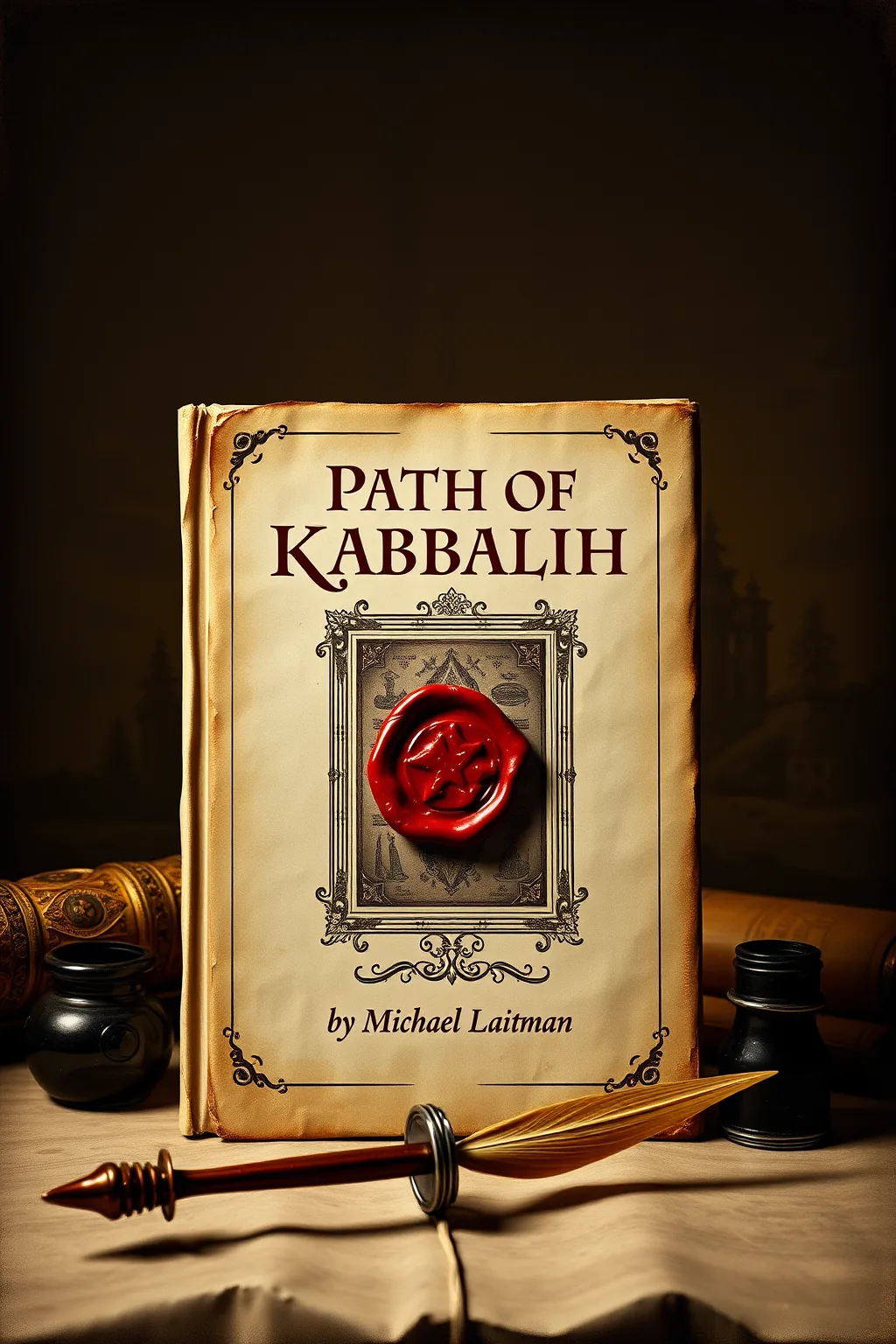
Path of Kabbalah
 61
61

Path of Kabbalah

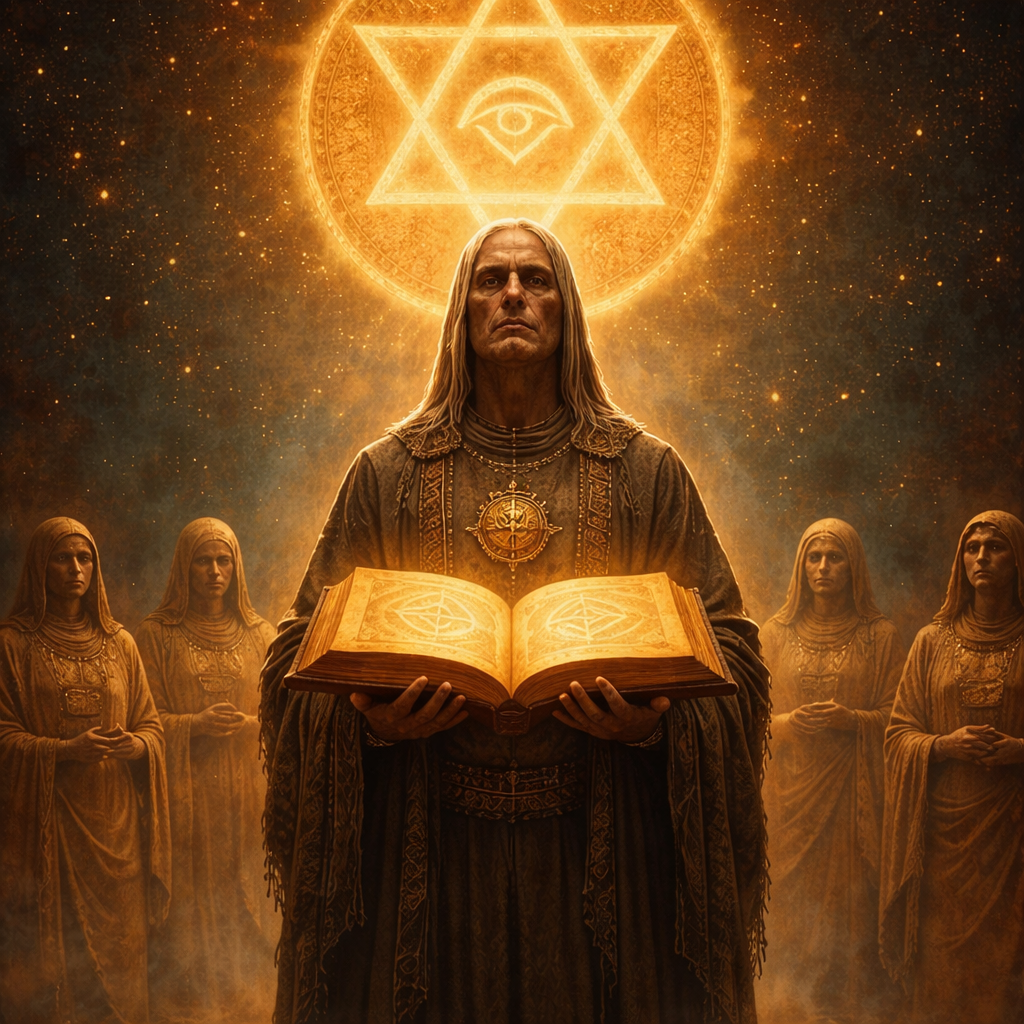

Celeste Moreau (Divination & Symbolism Reviewer) — Michael Laitman's "Path of Kabbalah" is a luminous beacon for those navigating the labyrinthine depths of Jewish mysticism. Moreau's authoritative voice guides readers through the intricate tapestry of Kabbalistic thought, demystifying concepts that have long been shrouded in esoteric obscurity. The book's strength lies in its ability to translate ancient wisdom into practical insights for contemporary seekers. It illuminates the symbolic language of the Sefirot and the Tree of Life with remarkable clarity, offering a tangible path towards spiritual self-discovery and a deeper connection to the divine. This is an essential read for anyone serious about understanding the profound metaphysical underpinnings of Kabbalah.
📝 Description
61
Michael Laitman's 2005 "Path of Kabbalah" deciphers the Zohar for personal transformation.
Michael Laitman's "Path of Kabbalah" examines the core teachings of Kabbalah, drawing heavily from the Zohar. Laitman aims to translate this ancient wisdom into practical principles for spiritual growth in the modern world. He explains concepts like the Sefirot and the Tree of Life, not as abstract theories, but as blueprints for understanding one's place in the universe and connection to a higher source.
The book focuses on the idea that the underlying unity of creation can be grasped through these teachings. It seeks to make complex Kabbalistic ideas understandable for those seeking a deeper spiritual connection beyond everyday concerns. The aim is to provide a framework for spiritual awakening by clarifying fundamental truths about reality and life's purpose.
This book engages with the Kabbalistic tradition, a school of Jewish mysticism that interprets the Torah and the Hebrew Bible as having hidden meanings. Kabbalah traditionally explores themes of divine emanations, cosmology, and the nature of the soul. Texts like the Zohar are central to this tradition, offering allegorical and symbolic interpretations of creation and divine interaction. Laitman's work positions itself within this lineage, seeking to elucidate these teachings for contemporary understanding.
💡 Why Read This Book?
Uncover the hidden spiritual architecture of reality. "Path of Kabbalah" offers a clear, accessible gateway to understanding the profound wisdom of Jewish mysticism. Ideal for seekers, students of esoteric traditions, and practitioners looking to deepen their spiritual practice with ancient, transformative insights. It provides the keys to unlocking a more meaningful and connected existence.
⭐ Reader Reviews
Honest opinions from readers who have explored this book.
❓ Frequently Asked Questions
Is "Path of Kabbalah" suitable for beginners?
Absolutely. Michael Laitman excels at presenting complex Kabbalistic concepts in an accessible manner, making it an excellent starting point for newcomers to Jewish mysticism.
What is the primary goal of studying Kabbalah according to this book?
The book posits that the primary goal is to achieve spiritual attainment, to connect with the divine force of creation, and to understand one's purpose within the grand design of existence.
Does the book focus on practical application or theoretical knowledge?
While grounded in profound theoretical concepts, "Path of Kabbalah" strongly emphasizes the practical application of Kabbalistic principles for personal spiritual growth and transformation.
What ancient texts does Michael Laitman draw upon?
Laitman's work is deeply rooted in foundational Kabbalistic texts such as the Zohar, the writings of Isaac Luria (the Ari), and other classical sources of Jewish esoteric tradition.
How does this book differ from other introductions to Kabbalah?
It distinguishes itself through Laitman's unique pedagogical approach, focusing on the essence of Kabbalah as a science of spirituality aimed at correcting the soul and achieving unity.
🔮 Key Themes & Symbolism
The Unity of Creation
This theme studies the fundamental Kabbalistic principle that all existence emanates from a single, unified Divine Source. Laitman illustrates how apparent multiplicity and separation are illusions, and that true spiritual understanding lies in perceiving the underlying interconnectedness of all things. The book explores the process of divine emanation, the creation of worlds, and the ultimate return of all creation to its origin. It emphasizes that recognizing this unity is the first step towards spiritual realization and the correction of the soul.
The Tree of Life and the Sefirot
Central to Kabbalistic cosmology, the Tree of Life serves as a symbolic map of creation and spiritual ascent. Laitman meticulously explains the ten Sefirot – divine attributes or emanations – as the building blocks of reality and the stages of spiritual development. Each Sefirah represents a distinct energetic quality, and their interplay creates the complex collection of our existence. Understanding the Sefirot provides a framework for comprehending divine will, human consciousness, and the path to spiritual perfection.
Spiritual Ascent and Correction
The "Path of Kabbalah" is presented as a journey of personal transformation, a process of spiritual ascent and correction. Laitman outlines how individuals can work with the forces of creation, refine their desires, and elevate their consciousness to align with the Divine Will. This theme explores the concept of *Tikkun* (rectification), emphasizing that through conscious effort and the study of Kabbalah, one can mend the spiritual schisms within themselves and contribute to the cosmic rectification, ultimately achieving a state of spiritual wholeness and connection.
💬 Memorable Quotes
Direct passages from the work, attributed to the author.
“The Tree of Life is a map of the soul's journey.”
— This highlights the symbolic nature of the Tree of Life, presenting it not just as a cosmic diagram but as a guide for personal inner exploration and spiritual growth.
“We are all sparks of the same divine light.”
— An evocative statement emphasizing the inherent unity of all beings and their shared origin, encouraging a sense of interconnectedness and shared spiritual essence.
“The purpose of life is to return to the Source.”
— This succinctly articulates the ultimate goal of the Kabbalistic path: a return to a state of unity and connection with the divine, implying a process of spiritual evolution.
💡 Key Ideas
Editorial paraphrase of the work's core concepts — not direct quotes.
Kabbalah is the science of the connection between the Creator and the created.
This quote expresses the core purpose of Kabbalah: to understand and facilitate the relationship between the divine and the human, viewing spirituality as a knowable science.
True perception is seeing the spiritual reality behind the physical.
This quote points to the esoteric nature of Kabbalah, suggesting that genuine understanding involves looking beyond the superficial material world to grasp the underlying spiritual forces and truths.
🌙 Esoteric Significance
Tradition
This work is deeply embedded within the esoteric tradition of Kabbalah, specifically drawing from the Lurianic and general Hasidic schools of Jewish mysticism. It focuses on the practical application of Kabbalistic principles for spiritual attainment and understanding the mechanics of creation, emphasizing Kabbalah not as a philosophy or religion, but as a science of spiritual connection and correction.
Symbolism
The book extensively explores core Kabbalistic symbols such as the Tree of Life, the ten Sefirot (divine emanations), the letters of the Hebrew alphabet as divine building blocks, and the concept of divine light. These symbols are presented as keys to understanding the structure of the cosmos, the nature of the soul, and the pathways for spiritual ascent and unification with the divine.
Modern Relevance
In an age often characterized by materialism and spiritual disconnect, "Path of Kabbalah" offers a compelling framework for finding meaning and purpose. Laitman presents Kabbalah as a practical guide to self-improvement, fostering a sense of unity, and understanding the underlying spiritual forces that govern reality, making its ancient wisdom directly applicable to contemporary challenges and the search for inner peace.
👥 Who Should Read This Book
This book is a profound resource for a diverse audience. **Beginners** seeking an authentic introduction to Kabbalah will find Laitman's clear explanations invaluable. **Scholars** of mysticism and comparative religion will appreciate the depth and historical context provided. **Spiritual seekers** yearning for a deeper understanding of the universe and their place within it will discover clear insights. **Practitioners** of meditation or other spiritual disciplines may find the Kabbalistic concepts offer new dimensions to their practice, guiding them towards a more integrated and conscious approach to spiritual development.
📜 Historical Context
The study of Kabbalah emerged within Jewish communities in medieval Europe, particularly in the 12th and 13th centuries in Provence and Spain, with the publication of seminal works like the Zohar. It represented a profound departure from purely legalistic interpretations of Judaism, exploring the mystical, symbolic, and esoteric dimensions of scripture and creation. Over centuries, Kabbalistic thought evolved, influenced by figures like Isaac Luria in 16th-century Safed, who introduced profound concepts of divine contraction and the cosmic task of rectification (*Tikkun*). This tradition has persisted through various historical upheavals, adapting and offering solace and spiritual guidance. Michael Laitman's contemporary interpretation builds upon this rich historical lineage, seeking to reintroduce Kabbalah's core principles as a universal science of spirituality relevant to the modern age.
📔 Journal Prompts
Reflect on a time you felt a profound sense of interconnectedness with others or the universe. How does this relate to the Kabbalistic concept of unity?
Consider the concept of divine light. Where do you perceive its presence or absence in your daily life?
Meditate on one of the Sefirot. What qualities does it represent, and how can you cultivate them within yourself?
What does the idea of 'correction' (Tikkun) mean to you personally, and what small steps can you take towards it?
How can understanding the 'hidden' spiritual reality enhance your perception of the physical world around you?
🗂️ Glossary
Sefirot
The ten divine emanations or attributes through which the Creator reveals Himself and sustains all existence. They form the structure of the Tree of Life.
Ein Sof
The absolute, unknowable, infinite essence of the Creator, the primordial state of being before any creation or manifestation.
Tikkun
The concept of rectification or repair, referring to the process of correcting the spiritual flaws within oneself and the world to restore unity and harmony.
Zohar
The foundational book of Kabbalistic literature, a mystical commentary on the Torah, rich with symbolism and esoteric interpretations of creation and divinity.
Kli
Literally 'vessel' or 'container' in Hebrew. In Kabbalah, it refers to the receptacle designed to receive and contain divine light or energy.
This book appears in 1 collection
🔮 Readers Also Liked
Browse all →









More by Michael Laitman
All books →





From the “Kabbalah” Collection
View all →







More Free Kabbalah & Jewish Mysticism Books
View all →