The Book of Letters

 62
62

The Book of Letters

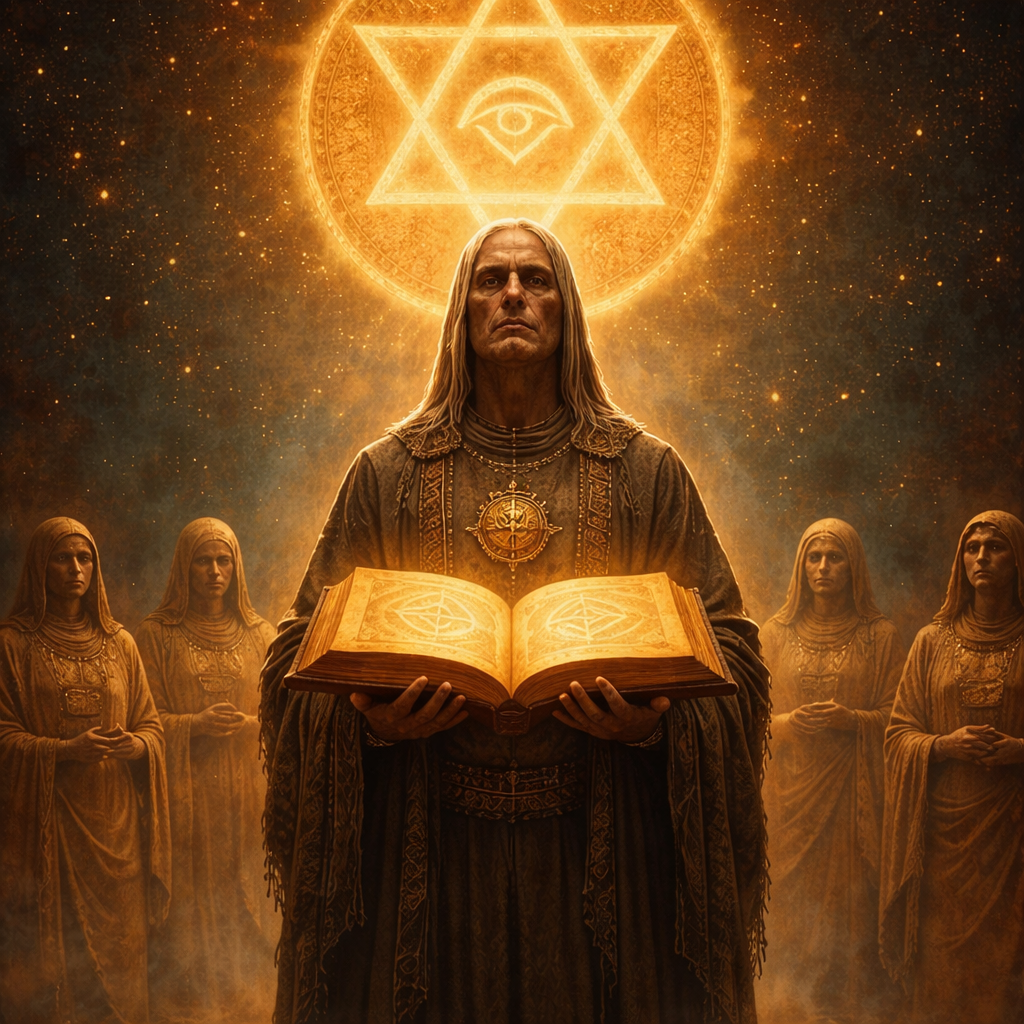

By Marcus Thorne (Esoteric Sciences Reviewer) — Lawrence Kushner's 'The Book of Letters' stands as a luminous beacon in the realm of Kabbalistic literature. Kushner, with his signature blend of scholarly rigor and poetic grace, demystifies the profound symbolism of the Hebrew alphabet, transforming it into a vibrant tapestry of spiritual insight. This work is not merely an academic treatise; it is an invitation to experience the letters as living conduits of divine energy. Its strength lies in its accessibility, making complex Kabbalistic concepts tangible and relatable without sacrificing their inherent mystery. 'The Book of Letters' is an indispensable resource for anyone seeking to delve into the esoteric dimensions of Jewish thought, offering a transformative perspective on ancient wisdom for the modern spiritual seeker.
📝 Description
62
Lawrence Kushner's 1990 book, 'The Book of Letters,' deciphers the Hebrew alphabet's mystical dimensions.
Lawrence Kushner's 'The Book of Letters' examines the Hebrew alphabet not just as a writing system, but as a source of divine wisdom. The book unpacks the esoteric meanings embedded in each letter, suggesting they are gateways to understanding the cosmos. Kushner employs traditional Kabbalistic methods like Gematria, Notarikon, and Temurah to reveal hidden narratives and spiritual truths that have been part of Jewish mysticism for centuries.
The text invites readers into a contemplative space, encouraging reflection on the primordial forces and sacred energies associated with these fundamental characters. It is intended for those interested in hidden knowledge, mysticism scholars, or anyone seeking a deeper connection to creation. The book presents a philosophical look at how the building blocks of language can unlock the universe's divine structure. It highlights symbolic language's capacity to clarify the ineffable and connect the ordinary with the transcendent.
This work is situated within the Kabbalistic tradition, a mystical interpretive branch of Judaism. Kabbalah focuses on understanding God and the divine nature of creation through symbolic interpretation of the Torah and its elements, including Hebrew letters. Methods like Gematria (numerical value of words), Notarikon (acronyms), and Temurah (letter permutation) are standard tools used to uncover deeper, hidden meanings. Kushner applies these techniques to the aleph-bet, framing the letters as cosmic building blocks with profound spiritual implications.
💡 Why Read This Book?
Unlock the ancient secrets of the Hebrew alphabet, transforming your understanding of language and spirituality. Discover how each letter holds cosmic power and divine wisdom, offering a unique path to meditation and insight. Ideal for seekers of esoteric knowledge, students of Kabbalah, and anyone yearning for a deeper connection to the sacred dimensions of existence. This book provides the keys to a profound, transformative practice.
⭐ Reader Reviews
Honest opinions from readers who have explored this book.
❓ Frequently Asked Questions
What is the core premise of 'The Book of Letters'?
The book posits that the Hebrew letters are not just linguistic symbols, but divine blueprints containing profound mystical and cosmological secrets, serving as gateways to understanding God and creation.
Who is Lawrence Kushner?
Lawrence Kushner is a renowned rabbi, author, and scholar of Jewish mysticism, known for his ability to make complex Kabbalistic concepts accessible and engaging for a wide audience.
What esoteric traditions are explored?
The book primarily explores the Kabbalistic tradition, specifically delving into the mystical significance of the Hebrew alphabet and its role in creation narratives and spiritual practice.
Is prior knowledge of Hebrew necessary?
While knowledge of Hebrew enhances the experience, Kushner's approach makes the mystical concepts understandable even for those without prior Hebrew language proficiency. He focuses on the symbolic and spiritual essence.
What is Gematria?
Gematria is a Kabbalistic interpretive method where Hebrew letters are assigned numerical values, allowing for the discovery of hidden connections and meanings between words and concepts.
🔮 Key Themes & Symbolism
The Primordial Power of the Hebrew Alphabet
This theme examines the concept of the Hebrew letters as the fundamental building blocks of reality, predating even the physical universe. Kushner illustrates how each letter possesses its own unique energy, form, and essence, acting as divine blueprints from which all existence is manifested. It explores the idea that understanding these letters is akin to understanding the very mind of God, offering a profound connection to the creative force that shaped the cosmos. The exploration goes beyond mere linguistic analysis, venturing into the area of sacred geometry and energetic resonance, revealing the alphabet as a living, breathing entity of divine power.
Letters as Gates to Divine Consciousness
Here, the focus shifts to the practical application of Kabbalistic letter symbolism for spiritual growth and transformation. The Hebrew letters are presented not just as objects of study, but as potent tools for meditation, prayer, and mystical experience. Each letter is depicted as a 'gate' or a portal through which the practitioner can ascend to higher levels of consciousness, connecting with specific divine attributes or archetypes. Kushner guides the reader in contemplating the visual forms, sounds, and numerical values of the letters, facilitating a direct, experiential encounter with the divine, fostering introspection, and deepening one's spiritual practice.
The Interconnectedness of Language, Creation, and the Divine
This theme underscores the profound interconnectedness between the structure of language, the act of creation, and the nature of the Divine. Kushner illuminates how the very act of speaking or writing, empowered by the letters, is a participatory act in the ongoing creation of the universe. The book explores the Kabbalistic belief that the divine speech, expressed through the Hebrew letters, continuously sustains and renews existence. It highlights how by understanding the sacred structure of language, we can gain insight into the divine order and our own place within the cosmic collection, fostering a sense of awe and reverence for the creative process.
💬 Memorable Quotes
Direct passages from the work, attributed to the author.
“Each letter is a universe in miniature.”
— This highlights the idea that the Hebrew alphabet contains within it the entirety of existence, with each letter embodying unique cosmic energies and principles.
“The letters are the breath of God.”
— This poetic phrase emphasizes the divine origin and life-giving power of the Hebrew alphabet, suggesting they are the very essence of divine expression.
“To know the letters is to know the pathways of the soul.”
— This points to the transformative potential of studying the letters, suggesting they offer a map for spiritual journeying and self-discovery.
“The alphabet is a ladder to the divine.”
— This metaphor illustrates the Hebrew letters as a means of ascent, a tool that allows the practitioner to climb towards higher spiritual understanding and connection with the divine.
💡 Key Ideas
Editorial paraphrase of the work's core concepts — not direct quotes.
Alef is the beginning of all beginnings.
This quote signifies the foundational nature of the letter Alef, representing the ultimate source and the primordial spark from which all creation emanates.
🌙 Esoteric Significance
Tradition
This book is deeply rooted in the Kabbalistic tradition, a profound mystical interpretation of Judaism. It explores the esoteric dimensions of the Hebrew alphabet, treating each letter as a conduit of divine energy and a key to understanding the structure of reality and the nature of God. Within Kabbalah, the letters are not merely phonetic symbols but are seen as primordial forces, holding the secrets of creation and the pathways to spiritual enlightenment. Kushner's work acts as a modern guide to these ancient teachings, making the intricate symbolism accessible to a broader audience interested in esoteric Jewish thought.
Symbolism
The primary symbolism revolves around the Hebrew alphabet, where each letter is imbued with multiple layers of meaning. This includes their numerical value (Gematria), their role in forming divine names, their visual form, and their associated meditative practices. Kushner elucidates how these letters represent fundamental archetypes, cosmic forces, and stages of spiritual development. The book also touches upon other Kabbalistic symbolic systems like Notarikon (acronyms) and Temurah (letter permutations), demonstrating how these methods unlock deeper layers of meaning within sacred texts and concepts, revealing a universe woven from divine linguistic patterns.
Modern Relevance
In a world often characterized by fragmentation and spiritual searching, 'The Book of Letters' offers a profound and grounding perspective. Its exploration of the fundamental nature of reality through symbolic language provides a powerful framework for introspection and understanding. The contemplative practices suggested by the letters can serve as potent tools for mindfulness, stress reduction, and cultivating a deeper sense of purpose. For modern seekers, the book bridges ancient wisdom with contemporary needs, offering a path to spiritual connection, self-discovery, and a renewed appreciation for the sacred mystery inherent in existence.
👥 Who Should Read This Book
This book is a treasure for a diverse range of readers. Beginners to Kabbalah will find Kushner's accessible style and evocative explanations an ideal entry point into this complex mystical tradition. Scholars will appreciate the depth of research and the insightful interpretations offered. Spiritual seekers, regardless of background, will discover a powerful system for meditation, self-reflection, and connecting with the divine through the ancient symbolism of the Hebrew alphabet. Practitioners of contemplative disciplines will find the letter meditations a unique and potent tool for deepening their practice and expanding their consciousness.
📜 Historical Context
Lawrence Kushner's 'The Book of Letters' emerges from the wide range of Jewish mystical thought, particularly the Kabbalah, which flourished in medieval Spain and Provence and continued to evolve through centuries. The Kabbalah, a complex system of esoteric Jewish interpretation, sought to understand the divine nature, the creation of the universe, and the relationship between God and humanity. Texts like the Zohar, a core part of Kabbalistic literature, heavily influenced this tradition by exploring the mystical significance of biblical passages, divine names, and the Hebrew alphabet. Kushner's work builds upon this ancient foundation, drawing from centuries of commentary and interpretation. The intellectual and spiritual milieu of the Kabbalists, often characterized by a deep reverence for scripture and a yearning for direct mystical experience, provides the essential backdrop for understanding the profound symbolic language and spiritual insights presented in 'The Book of Letters,' making it a bridge between ancient wisdom and contemporary seekers.
📔 Journal Prompts
Reflect on the letter 'Alef' as a representation of pure potential. How does this concept resonate with your own aspirations or beginnings?
Consider the visual form of a Hebrew letter that you find particularly striking. What emotions or ideas does its shape evoke in you?
Explore the idea of letters as 'gates' to understanding. Which aspect of your own understanding of the world feels like a locked gate, and what 'letter' might symbolically unlock it?
Meditate on the concept of divine speech. How might the act of speaking or writing be a sacred act of creation in your daily life?
Choose a letter and spend a week contemplating its potential meanings. Journal about any insights or shifts in perspective that arise.
🗂️ Glossary
Kabbalah
A system of Jewish mysticism that seeks to understand the nature of God, the universe, and the relationship between the divine and the human through esoteric interpretation of religious texts and symbols.
Gematria
A Kabbalistic interpretive method that assigns numerical values to Hebrew letters, used to find hidden connections and meanings between words and concepts.
Notarikon
A Kabbalistic interpretive method that treats words as acronyms, forming new meanings from the initial letters of a phrase or sentence.
Temurah
A Kabbalistic interpretive method involving the systematic rearrangement or substitution of letters within words to uncover hidden meanings or divine messages.
Sefer Yetzirah
An ancient Kabbalistic text attributed to Abraham, considered one of the earliest and most influential works on Jewish mysticism, detailing the creation of the universe through letters and numbers.
This book appears in 1 collection
🔮 Readers Also Liked
Browse all →








More by Lawrence Kushner
All books →





From the “Kabbalah” Collection
View all →






More Free Kabbalah & Jewish Mysticism Books
View all →