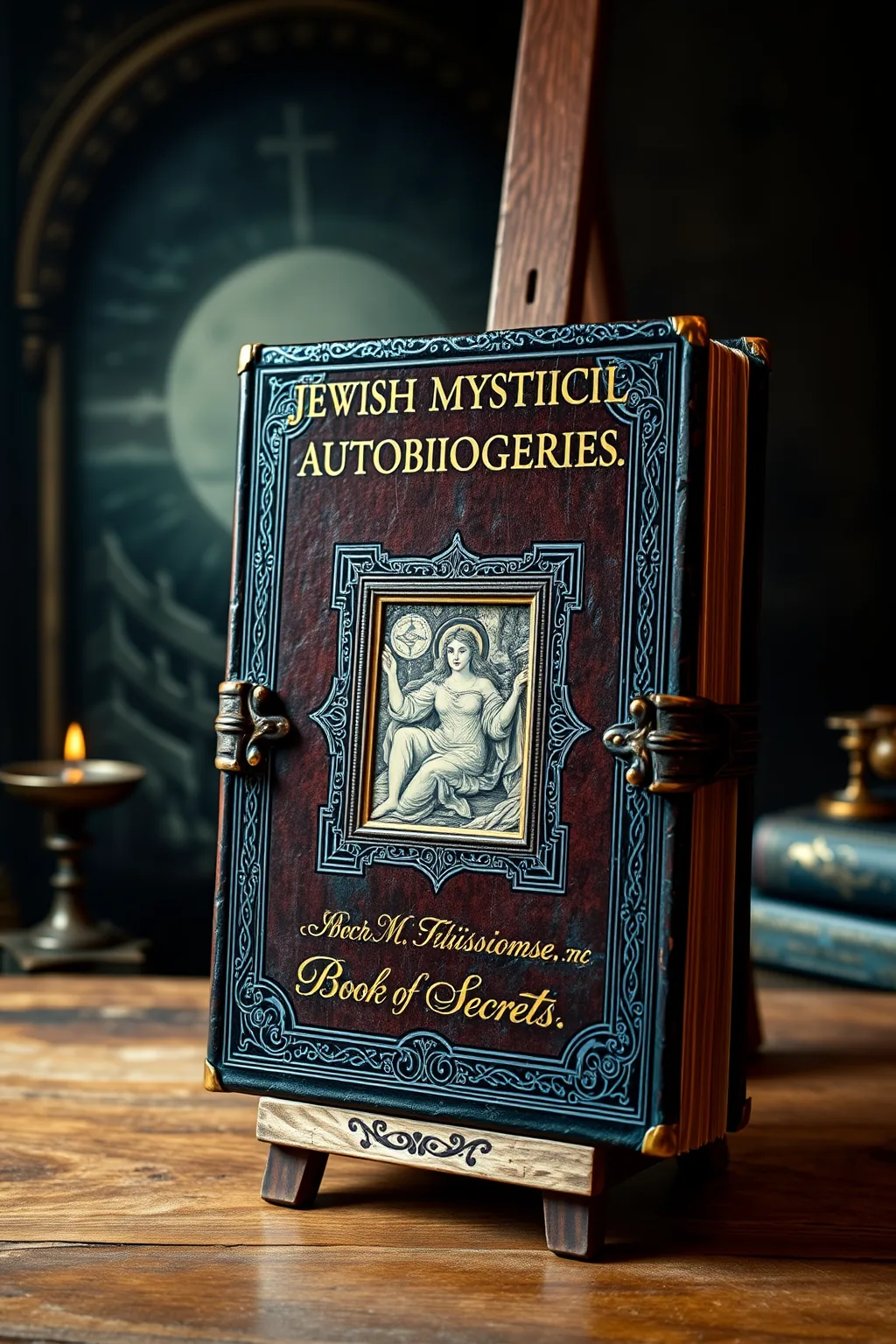
Jewish mystical autobiographies : Book of visions and Book of secrets
 62
62

Jewish mystical autobiographies : Book of visions and Book of secrets

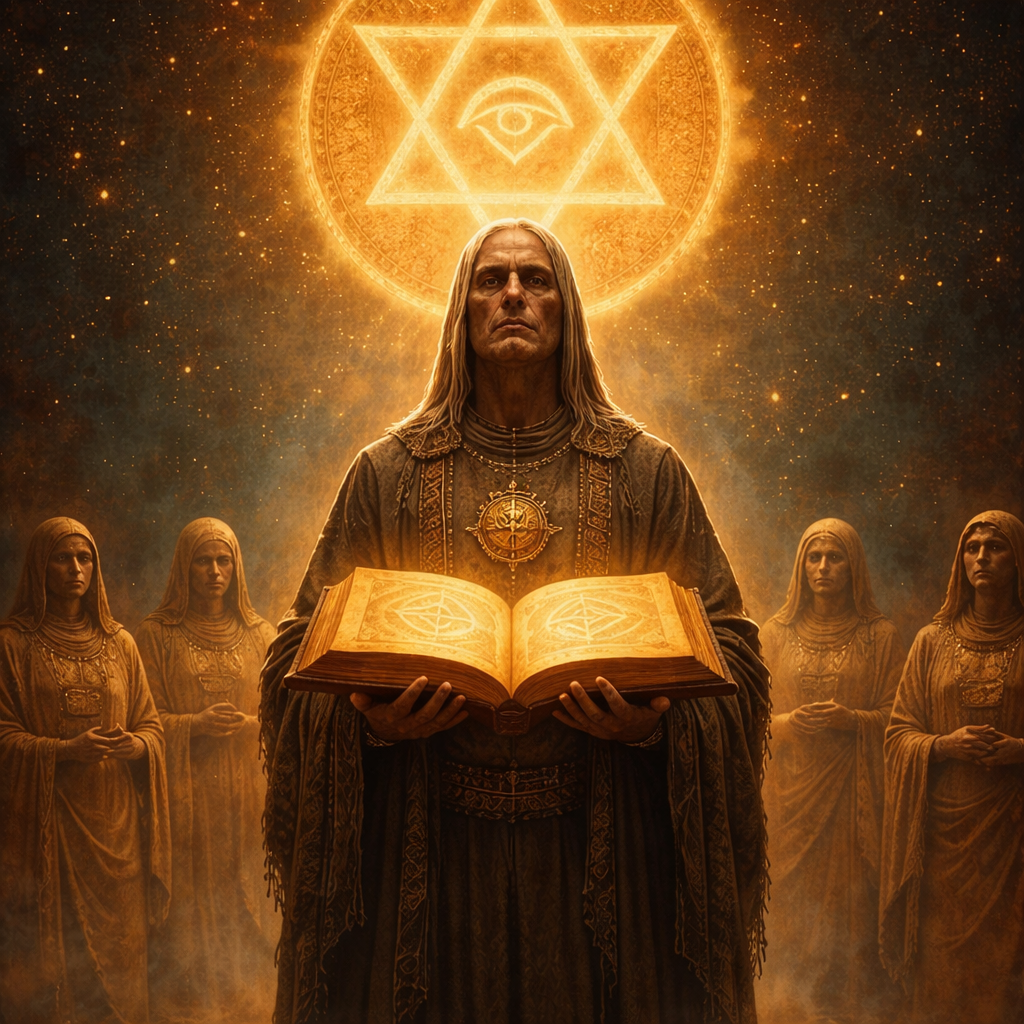

Morris M. Faierstein's translation and scholarship offer an unparalleled gateway into the esoteric heart of Jewish mysticism. 'Jewish Mystical Autobiographies' presents the raw, unvarnished spiritual confessions of Isaac Judah Jehiel Safrin, a pivotal voice from the Ukrainian Hasidic world. Faierstein masterfully guides the reader through Safrin's visionary experiences and Kabbalistic insights, revealing the profound symbolic language that underpins this rich tradition. For scholars of Kabbalah and seekers of deeper spiritual understanding, this book is an indispensable treasure, providing direct access to the lived experience of mystical ascent and divine communion, a rare and illuminating contribution.
📝 Description
62
Published in 1991, Morris M. Faierstein's "Jewish Mystical Autobiographies" presents two key Hasidic texts.
This volume contains the first English translations of Isaac Judah Jehiel Safrin's "Book of Visions" and "Book of Secrets." Safrin, a Galician Hasid active in the mid-19th century, recorded his spiritual experiences, divine revelations, and Kabbalistic insights in these works. Faierstein's scholarly work provides not only the translated texts but also extensive notes and commentary, making Safrin's mystical world accessible to a wider audience.
The "Book of Visions" details Safrin's prophetic dreams and encounters with angelic figures, while the "Book of Secrets" elaborates on his understanding of Kabbalistic concepts and the structure of the divine realms. Together, these autobiographical accounts offer a direct look into the personal piety and visionary experiences that characterized a specific stream of Hasidism. Faierstein highlights the historical context and the literary style of these unique spiritual testimonies.
This work belongs to the tradition of Jewish mystical literature, specifically within the Hasidic movement that flourished in Eastern Europe from the 18th century onward. Hasidism emphasized direct, ecstatic experience of God, often expressed through personal narratives, visionary accounts, and interpretations of Kabbalah. Safrin's writings are representative of this trend, offering firsthand testimony of a spiritual life lived in close communion with the divine. The book sits alongside other forms of esoteric autobiography found in various religious traditions, but is distinct in its specific Kabbalistic framework and Hasidic devotional context.
💡 Why Read This Book?
Uncover the secrets of divine communion and prophetic vision within Jewish mysticism. 'Jewish Mystical Autobiographies' offers direct access to the deeply personal spiritual experiences of Isaac Judah Jehiel Safrin, illuminating Kabbalistic symbolism and Hasidic thought. Ideal for seekers of esoteric knowledge, scholars of Jewish tradition, and anyone drawn to the profound journey of the soul towards the divine.
⭐ Reader Reviews
Honest opinions from readers who have explored this book.
❓ Frequently Asked Questions
What is the historical significance of Isaac Judah Jehiel Safrin?
Isaac Judah Jehiel Safrin (1806-1874) was a prominent Hasidic rabbi and mystic from Ukraine. His writings offer invaluable insights into 19th-century Hasidism, blending personal visionary experiences with profound Kabbalistic teachings, making him a key figure in understanding this era of Jewish mystical development.
What distinguishes 'Book of Visions' and 'Book of Secrets'?
'Book of Visions' primarily details Safrin's prophetic dreams and divine encounters, offering a direct account of his spiritual ascents. 'Book of Secrets' delves more deeply into the esoteric interpretations of Torah and Kabbalistic principles, revealing hidden meanings and divine mechanics.
How does this book relate to Christian spiritual autobiography?
The book highlights the universal human impulse for spiritual self-exploration, drawing parallels to Christian traditions like St. Augustine's 'Confessions.' It demonstrates that the genre of spiritual autobiography, with its focus on inner experience and divine revelation, transcends religious boundaries.
What knowledge of Kabbalah is required to read this book?
While prior knowledge of Kabbalah can enhance understanding, Morris M. Faierstein's scholarly translation and annotations provide accessible context. The work is designed to be engaging for both seasoned Kabbalists and curious newcomers to Jewish mysticism.
Where in Ukraine did Safrin live and practice?
While specific details of Safrin's exact locations are complex, his spiritual roots and influence were deeply embedded within the vibrant Hasidic communities of 19th-century Ukraine, a region that was a significant center for mystical development at the time.
🔮 Key Themes & Symbolism
The Divine Encounter and Spiritual Ascent
This theme explores the profound personal experiences of encountering the divine, a central tenet of Jewish mysticism. Safrin's narratives detail his spiritual ascents, his dialogues with celestial beings, and the transformative power of these direct encounters. It highlights the subjective nature of mystical knowledge, where revelation comes through inner vision and ecstatic states. The book illuminates the arduous yet rewarding path of the mystic, seeking to transcend the limitations of the physical world to commune with the Infinite, offering a roadmap for devotional practice and inner purification.
Kabbalistic Symbolism and Esoteric Interpretation
Central to 'Jewish Mystical Autobiographies' is the intricate world of Kabbalistic symbolism. Safrin, steeped in this tradition, employs a rich lexicon of divine names, angelic hierarchies, and cosmic structures to describe his visions. The 'Book of Secrets' specifically aims to unveil the hidden allegorical meanings within the Torah and Jewish tradition, revealing a divinely ordered cosmos accessible through esoteric interpretation. This theme underscores the belief that the physical world is a reflection of a deeper, spiritual reality, and that understanding these symbols is key to unlocking divine wisdom and cosmic truths.
The Role of Dreams and Visions in Spiritual Guidance
The 'Book of Visions' emphasizes the prophetic and guiding power of dreams and visions within the Jewish mystical framework. Safrin chronicles how these ethereal experiences served as direct channels of divine communication, offering insights, warnings, and spiritual direction. This theme explores how the subconscious and the 'dream state' are viewed not as mere figments of the mind, but as potent spiritual landscapes where the soul can receive divine illumination and wisdom. It challenges the modern rationalistic view by presenting dreams as integral to spiritual development and prophetic understanding.
💬 Memorable Quotes
Direct passages from the work, attributed to the author.
“The gates of heaven were opened unto me...”
— This phrase signifies a direct, unmediated experience of divine revelation, a moment of profound spiritual breakthrough where the mystical aspirant gains access to higher areas of consciousness and divine knowledge.
“The hidden light shone upon my soul...”
— This evokes the Kabbalistic concept of 'Ein Sof' (the Infinite) and its emanation of divine light. It describes an inner illumination that transforms the mystic, bestowing spiritual insight and a deeper connection to the divine source.
“Each letter of the Torah holds a universe of meaning...”
— This reflects the esoteric belief in the sanctity and profound depth of the Torah, suggesting that its divine structure contains layers of hidden wisdom and cosmic secrets, accessible through diligent study and spiritual contemplation.
“My spirit soared on wings of contemplation...”
— This metaphor illustrates the active, volitional aspect of mystical practice, where focused thought and spiritual longing propel the soul upwards, enabling it to transcend earthly concerns and engage with the divine through intense inner concentration.
💡 Key Ideas
Editorial paraphrase of the work's core concepts — not direct quotes.
I saw the angels in their celestial array...
This quote points to the visionary capacity of the mystic to perceive the unseen spiritual world and its inhabitants, revealing a cosmos populated by angelic beings who play a role in divine governance and spiritual guidance.
🌙 Esoteric Significance
Tradition
This work is deeply rooted in the Lurianic Kabbalah and Hasidic traditions, representing a powerful continuation and personal manifestation of these esoteric streams. It showcases the practical application of Kabbalistic principles, focusing on the individual's direct experience of divine realms, angelic encounters, and the mystical interpretation of scripture. The emphasis on 'devekut' (cleaving to God) and ecstatic prayer underscores its place within the lived, experiential dimension of Jewish mysticism.
Symbolism
The text is replete with rich Kabbalistic symbolism, including the Sefirot (divine emanations), angelic names and hierarchies, gematria (numerical values of Hebrew letters), and cosmic geography. Safrin's visions often translate abstract Kabbalistic concepts into vivid, personal imagery, revealing the symbolic language used to describe the journey of the soul, the structure of the cosmos, and the process of divine revelation.
Modern Relevance
In an age often characterized by secularism and disconnection, these autobiographies offer a compelling proof of the enduring power of spiritual seeking and the possibility of direct divine experience. They provide modern readers with a tangible example of how ancient mystical traditions can inform and enrich contemporary spiritual life, offering pathways to inner peace, profound self-understanding, and a renewed sense of cosmic connection.
👥 Who Should Read This Book
This book is a treasure for anyone drawn to the depths of human spirituality. Scholars of Jewish history and Kabbalah will find invaluable primary source material. Seekers of esoteric knowledge and practitioners of contemplative traditions will be inspired by Safrin's direct accounts of divine communion. Beginners in mysticism can approach this work with Faierstein's guidance, gaining an accessible yet profound introduction to the rich inner range of Jewish mystical thought and practice.
📜 Historical Context
This volume emerges from the vibrant and spiritually charged milieu of 19th-century Eastern Europe, specifically the Hasidic movement flourishing in Ukraine. This era was marked by a profound yearning for spiritual connection and a resurgence of Kabbalistic study and practice, often intertwined with the deeply personal, ecstatic experiences characteristic of Hasidism. Following periods of upheaval and persecution, mystics like Isaac Judah Jehiel Safrin sought solace and divine revelation through inner contemplation and visionary experiences. The genre of spiritual autobiography, while more established in Western Christianity, found potent expression in this Jewish context, offering a unique window into the soul's journey towards God amidst a rapidly changing world.
📔 Journal Prompts
Describe a dream or vision that felt particularly significant to you. What emotions did it evoke, and what insights might it hold?
Reflect on a time you felt a profound connection to something larger than yourself. How did this experience alter your perception of reality?
Consider a symbol that holds deep personal meaning for you. What is its origin, and how does it represent a hidden truth or aspect of your life?
Imagine you are communicating with a spiritual guide or divine presence. What questions would you ask, and what guidance would you seek?
How can the concept of 'hidden knowledge' be applied to your personal growth and understanding of the world around you?
🗂️ Glossary
Kabbalah
A foundational system of Jewish mysticism that explores the divine nature, the creation of the universe, and the relationship between God and humanity through esoteric interpretations of scripture and symbolic language.
Hasidism
A Jewish spiritual revival movement founded in 18th-century Eastern Europe, emphasizing joyous worship, personal devotion to a Rabbi (Rebbe), and the presence of God in all aspects of life.
Tsefat (Safed)
An ancient city in Israel, considered a spiritual center for Kabbalah, particularly in the 16th century, attracting mystics and scholars who developed key Kabbalistic concepts.
Devekut
A Hebrew term meaning 'cleaving' or 'adherence,' referring to a state of intense spiritual communion and closeness with God achieved through prayer, meditation, and ecstatic devotion.
Sefirot
The ten divine emanations or attributes through which God, the Infinite (Ein Sof), reveals Himself and sustains the universe, forming a central diagram in Kabbalistic cosmology.
This book appears in 1 collection
🔮 Readers Also Liked
Browse all →







More by Morris M. Faierstein
All books →
From the “Kabbalah” Collection
View all →








More Free Kabbalah & Jewish Mysticism Books
View all →