The Ocean of Theosophy
 69
69

The Ocean of Theosophy

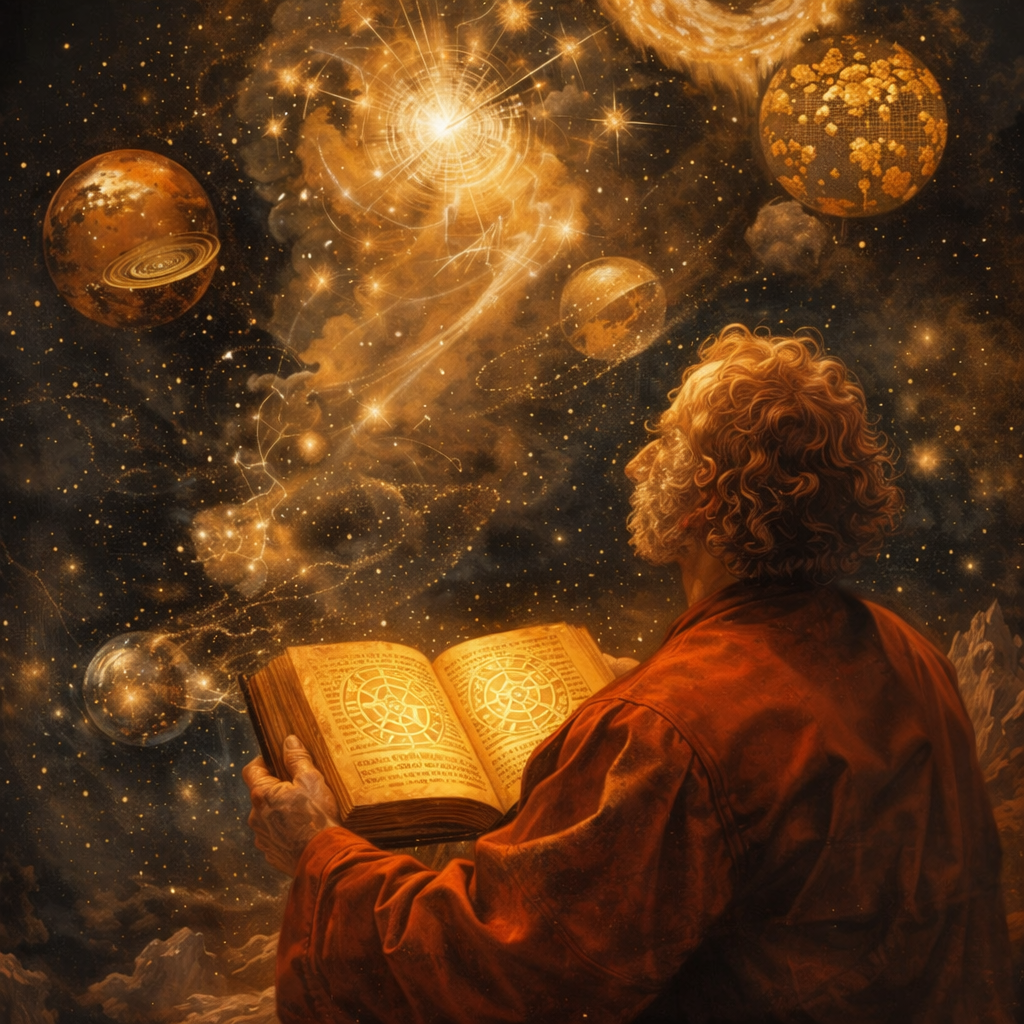

The Ocean of Theosophy by William Quan Judge is a timeless classic that continues to resonate with modern esoteric seekers. Judge's writing is both lucid and profound, making complex spiritual concepts accessible to readers of all backgrounds. The book's exploration of Theosophical principles provides a solid foundation for those new to the subject, while also offering deeper insights for more experienced practitioners. One of the standout features of this text is its ability to weave together Eastern and Western spiritual traditions, creating a rich tapestry of wisdom that is both inclusive and enlightening. For contemporary readers, The Ocean of Theosophy offers a pathway to understanding the interconnectedness of all things and the spiritual evolution of the soul. Judge's discussions on karma and reincarnation are particularly relevant, providing a framework for understanding the cyclical nature of life and the spiritual journey. Overall, this book is an invaluable resource for anyone seeking to deepen their spiritual understanding and explore the mysteries of the universe.
📝 Description
69
William Quan Judge published The Ocean of Theosophy in 1893, aiming to clarify Theosophical teachings.
Published in 1893, The Ocean of Theosophy by William Quan Judge attempts to explain core tenets of Theosophy. Judge addresses concepts such as the nature of the universe, the cycles of existence, and the human spiritual constitution. He discusses the "Seven Facts of Nature" and the "Seven Principles of Man," elaborating on the structure of the cosmos and the different planes of being. The book also touches upon reincarnation and the evolution of consciousness across lifetimes. Judge's writing style aims for clarity, seeking to make complex ideas accessible to a general audience interested in spiritual philosophy. It covers topics like the development of the inner self and the interconnectedness of all things. The work presents a structured view of reality, intended to guide the sincere student of Theosophy.
Judge wrote this book during a period of significant activity within the Theosophical Society, following Helena Blavatsky's death. He sought to present a coherent overview of the teachings he understood to be central to the movement. The book addresses the "Great Teachers" and the process by which spiritual knowledge is transmitted. It also details the different states of existence, from physical to purely spiritual, and the journey the soul undertakes. The Ocean of Theosophy is a direct exposition of the system as interpreted by Judge, intended to serve as a guide for those serious about understanding its principles.
The Ocean of Theosophy sits within the late 19th-century Western Esoteric Revival, specifically the Theosophical movement founded by Helena Blavatsky. Judge's work aims to systematize and clarify the complex cosmology and teachings presented in Blavatsky's earlier writings, such as "The Secret Doctrine." It engages with concepts drawn from Eastern religions, particularly Hinduism and Buddhism, reinterpreting them through a Western philosophical lens. The book is a product of its time, reflecting an interest in spiritualism, occultism, and the possibility of hidden knowledge accessible through dedicated study and inner development.
✍️ Author
Judge, William Quan
William Quan Judge was an Irish-American esotericist, occultist, and influential figure in the Theosophical Society.
Occultist
💡 Why Read This Book?
Reading The Ocean of Theosophy today offers a unique opportunity to explore ancient esoteric wisdom in a modern context. This book provides readers with a comprehensive introduction to Theosophical principles, helping them to understand the deeper dimensions of existence and the spiritual path. By delving into the teachings of The Ocean of Theosophy, readers can gain insights into the nature of the divine, the structure of the cosmos, and the evolution of the soul. This knowledge can be transformative, offering a new perspective on life and the spiritual journey. Additionally, the book's exploration of karma and reincarnation provides a framework for understanding the cyclical nature of life, helping readers to navigate their own spiritual evolution.
⭐ Reader Reviews
Honest opinions from readers who have explored this book.
❓ Frequently Asked Questions
What is The Ocean of Theosophy about?
The Ocean of Theosophy by William Quan Judge is about the esoteric and spiritual doctrines of Theosophy, offering insights into the divine truths hidden within the universe and the human experience.
Who should read this book?
This book is ideal for anyone interested in esoteric studies, spiritual development, and the exploration of hidden knowledge. It is particularly valuable for those seeking to understand the deeper dimensions of existence and the spiritual path.
What are the key themes in The Ocean of Theosophy?
Key themes include the nature of the divine, the structure of the cosmos, the evolution of the soul, and the interconnectedness of all beings, as well as the concepts of karma and reincarnation.
🔮 Key Themes & Symbolism
The Nature of Reality
The Ocean of Theosophy studies the mystical concept of reality, exploring the hidden dimensions that lie beyond the physical world. Judge's insights reveal the interconnectedness of all things, offering a profound understanding of the universe and our place within it.
Symbolism in Spiritual Teachings
Symbolism plays an important role in The Ocean of Theosophy, serving as a key to unlocking the deeper meanings of spiritual truths. Judge's exploration of symbols provides readers with a unique perspective on ancient wisdom and its relevance in modern times.
Philosophical Significance of Theosophy
The book examines the philosophical underpinnings of Theosophy, highlighting its importance in understanding the mysteries of the human spirit. Judge's writings offer a comprehensive view of theosophical principles, making complex concepts accessible to readers from various backgrounds.
💬 Memorable Quotes
Direct passages from the work, attributed to the author.
“Symbolism is the language of the soul.”
— Judge's exploration of symbolism reveals its significance in spiritual teachings, providing a deeper understanding of ancient wisdom.
💡 Key Ideas
Editorial paraphrase of the work's core concepts — not direct quotes.
The universe is a vast ocean of consciousness.
This quote underscores the interconnectedness of all things, highlighting the mystical nature of reality.
Theosophy offers a path to spiritual enlightenment.
This quote emphasizes the philosophical significance of Theosophy, making it an essential guide for seekers of spiritual truths.
The hidden dimensions of reality await discovery.
This quote invites readers to explore the mysteries of the universe, uncovering the layers of reality that lie beyond the physical world.
The Ocean of Theosophy is a journey into the depths of mystical knowledge.
This quote captures the essence of the book, offering a comprehensive overview of theosophical principles and their relevance in modern times.
🌙 Esoteric Significance
Tradition
The Ocean of Theosophy belongs to the Theosophical tradition, which draws from a body of Eastern and Western esoteric philosophies. This tradition emphasizes the unity of all religions and the existence of a universal wisdom that underpins all spiritual teachings. Judge's work is a core part of this tradition, offering insights into the hidden dimensions of reality and the mystical nature of the human spirit.
Symbolism
Key symbols in The Ocean of Theosophy include the seven principles of man, the seven planes of existence, and the symbolism of numbers. These symbols serve as keys to unlocking the deeper meanings of spiritual truths, providing readers with a unique perspective on ancient wisdom and its relevance in modern times.
Modern Relevance
The teachings of The Ocean of Theosophy remain relevant today, influencing modern practitioners of spiritual and metaphysical arts. Contemporary seekers of hidden knowledge continue to draw inspiration from Judge's insights, using them to deepen their understanding of the occult and mystical realms. This book serves as an essential guide for those looking to explore the depths of theosophical thought and its philosophical significance.
👥 Who Should Read This Book
The Ocean of Theosophy is ideal for a diverse range of readers. Beginners in Theosophy will find it an accessible introduction to the foundational principles of this mystical tradition. Scholars of occult sciences will appreciate the depth of Judge's insights and their relevance to contemporary esoteric studies. Spiritual seekers will benefit from the profound philosophical significance of theosophical teachings, gaining a deeper understanding of the mysteries of the universe and the human spirit. Practitioners of mystical arts will find valuable guidance in Judge's exploration of symbolism and its role in spiritual teachings.
📜 Historical Context
The Ocean of Theosophy was written in an era when interest in spiritual and mystical traditions was on the rise. Published in the late 19th century, this book emerged during a time of significant cultural and intellectual ferment, marked by a growing fascination with the occult and esoteric knowledge. The Theosophical Society, founded by Helena Blavatsky and Henry Steel Olcott, played a central role in popularizing Eastern philosophies and spiritual practices in the West. Judge's work, influenced by this movement, aimed to explain and make accessible the profound teachings of Theosophy, thereby shaping the intellectual and spiritual field of the time. Its influence can still be seen in contemporary spiritual and metaphysical literature, making it a foundational text for seekers of hidden knowledge.
📔 Journal Prompts
Reflect on the interconnectedness of all things as described in The Ocean of Theosophy.
Explore the symbolism in your own spiritual journey and its significance.
Consider the philosophical implications of Theosophical principles in your life.
How does the concept of hidden dimensions of reality influence your understanding of the universe?
Write about the role of symbolism in unlocking deeper spiritual truths.
🗂️ Glossary
Theosophy
Theosophy is a philosophical and spiritual movement that seeks to explore the hidden dimensions of reality and the mystical nature of the human spirit.
Symbolism
Symbolism in spiritual teachings refers to the use of symbols to convey deeper meanings and truths.
Seven Principles of Man
The seven principles of man are a key concept in Theosophy, representing the different aspects of the human being.
Seven Planes of Existence
The seven planes of existence are a mystical concept that describes the different levels of reality and consciousness.
Universal Wisdom
Universal wisdom is the underlying principle of all spiritual teachings, emphasizing the unity of all religions and the interconnectedness of all things.
This book appears in 2 collections
🔮 Readers Also Liked
Browse all →


More by Judge, William Quan
All books →
From the “Theosophy” Collection
View all →






More Free Theosophy & Anthroposophy Books
View all →


![The Key to Theosophy [Microform]](/img/thumb/the-key-to-theosophy-microform-h-p-1831-1891-blavatsky-813509.webp)