What is Eternal Life in Esoteric Thought?
In esoteric traditions, eternal life refers not solely to an afterlife but to a state of consciousness achievable in the present. It involves transcending material limitations and realizing a connection to a timeless, divine source. This perspective often encompasses concepts like spiritual evolution, reincarnation, and the potential for the soul to achieve a state of perpetual awareness and unity. It moves beyond simple survival to a qualitative transformation of existence.
Best Books for Complete Beginners
For those new to the concept of eternal life, start with accessible introductions that bridge the gap between skepticism and belief. Arthur Conan Doyle's 'The New Revelation' (1918) offers a compelling, personal account of his investigations into spiritualism. H. Rider Haggard's 'Stella Fregelius: A Tale of Three Destinies' (1909) uses fiction to explore spiritual communication and enduring love. Brother Lawrence's 'The Practice of the Presence of God' (circa 1690) provides a simple yet profound method for spiritual connection that transcends death. These texts lay a foundation for understanding the spiritualist and devotional approaches.
Intermediate Reading
For readers ready to delve deeper, explore texts that analyze the phenomena and philosophical underpinnings. Sir Oliver Lodge's 'Raymond; or, Life and Death' (1916) presents evidence for survival of memory and affection after death, based on his son's communications. J. L. Kennon's 'The Planet Mars and Its Inhabitants, a Psychic Revelation' (1901) expands into extraterrestrial consciousness and spiritual continuity. Camille Flammarion's 'Mysterious Psychic Forces' (1907) offers a scientific investigation into psychical research across Europe. These books encourage critical engagement with the evidence and theories.
Classical / Advanced Texts
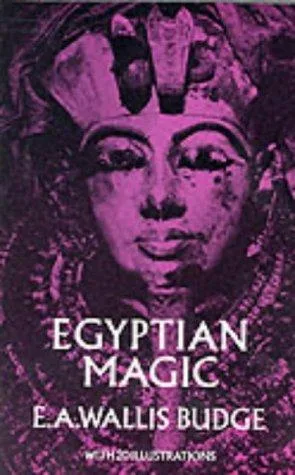
Serious students will find value in foundational and primary source materials. William Wake's translation of 'The suppressed Gospels and Epistles of the original New Testament of Jesus the Christ, Volume 4, Nicodemus' (1715) offers apocryphal texts concerning Christ's descent. E. A. Wallis Budge's 'Legends of the Gods: The Egyptian Texts' (1912) provides ancient Egyptian accounts of creation and the afterlife. Frazer's 'The Golden Bough' (Third Edition, Vol. 01) (1907-1915) offers a monumental comparative study of magic and religion, useful the origins of beliefs in immortality. These works provide historical and mythological context.
Reading Order — Step by Step
Begin with Arthur Conan Doyle's 'The New Revelation' and Brother Lawrence's 'The Practice of the Presence of God' for introductory spiritualist and devotional perspectives (Month 1, Weeks 1-2). Transition to Sir Oliver Lodge's 'Raymond; or, Life and Death' to examine evidential accounts of survival (Month 1, Weeks 3-4). In Month 2, explore comparative mythology with Andrew Lang's 'The Making of Religion' and investigate psychical research in Camille Flammarion's 'Mysterious Psychic Forces'. By Month 3, engage with primary sources like E. A. Wallis Budge's 'Legends of the Gods' and Frazer's 'The Golden Bough' for deeper historical and mythological context.
Frequently Asked Questions
Which book should I read first about eternal life?
For a direct introduction to spiritualist perspectives, begin with Arthur Conan Doyle's 'The New Revelation'. If you prefer a devotional approach, Brother Lawrence's 'The Practice of the Presence of God' offers profound simplicity.
Is eternal life about physical immortality?
In many esoteric traditions, eternal life refers more to the continuity of consciousness or the soul beyond physical death, rather than unending physical existence.
What is the difference between spiritualism and theosophy?
Spiritualism primarily focuses on communication with the spirits of the deceased, while Theosophy is a broader philosophical system exploring spiritual evolution, reincarnation, and universal wisdom.
Are there scientific investigations into eternal life?
Yes, the field of psychical research, as documented by authors like Sir Oliver Lodge and Camille Flammarion, has investigated phenomena claimed to provide evidence for survival after death.
Can ancient texts inform modern views on eternal life?
Absolutely. Texts like E. A. Wallis Budge's translations of Egyptian myths or Frazer's 'The Golden Bough' reveal ancient beliefs and rituals surrounding death and the afterlife, providing historical context.
What does 'The Practice of the Presence of God' teach?
It teaches a method of maintaining constant, loving awareness of God's presence throughout daily activities, fostering a deep spiritual union that transcends ordinary concerns.
How did Arthur Conan Doyle become interested in eternal life?
Doyle became a fervent advocate for Spiritualism following the death of his son Kingsley in World War I, seeking evidence of continued existence and communication.