What is the Elixir of Life?
The Elixir of Life is a legendary alchemical substance said to grant immortality or eternal youth. Historically, its pursuit was intertwined with the Great Work of alchemy, aiming not just for material transmutation but also for spiritual perfection and physical longevity. Across cultures, its conception varies, from a literal potion to a state of being achieved through disciplined practice, diet, and spiritual attainment. The search for such an elixir reflects a fundamental human desire to overcome mortality and achieve a higher state of existence.
Best Books for Complete Beginners
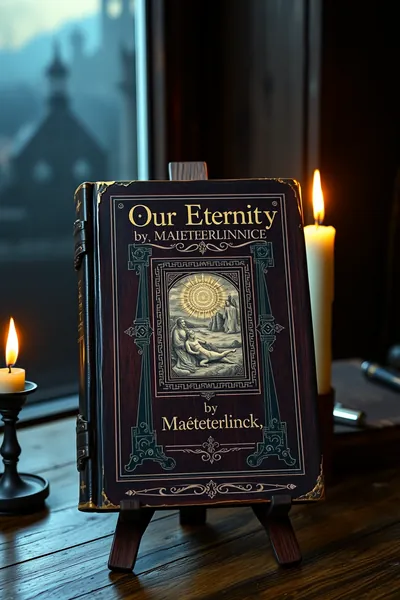
For those new to the concept, starting with foundational texts that offer broad overviews is recommended. Eva Wong's 'Nourishing the Essence of Life' provides accessible insights into Taoist practices for vitality. William Quan Judge's 'The Ocean of Theosophy' offers a clear introduction to Theosophical ideas on reincarnation and spiritual evolution, which often touch upon longevity. Maurice Maeterlinck's 'Our Eternity' explores philosophical and poetic reflections on life after death and enduring consciousness, providing a gentle entry point into the subject.
Intermediate Reading
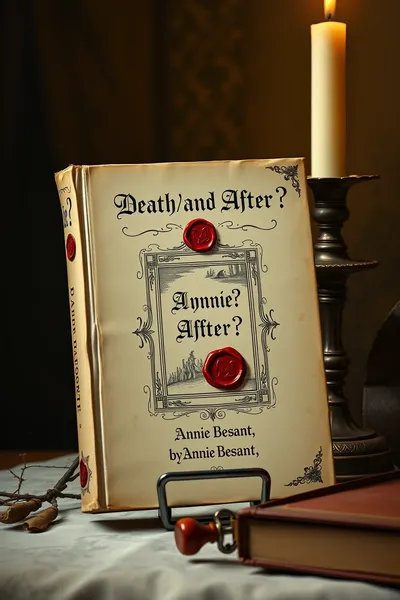
Moving beyond introductory material, examine texts that explore specific traditions and philosophical underpinnings. Annie Besant's 'Death—and After?' examines the Theosophical perspective on post-mortem existence and spiritual planes. Albert Gallatin Mackey's 'The symbolism of Freemasonry' touches upon esoteric symbols related to life, death, and spiritual resurrection. Franz Cumont's 'After Life in Roman Paganism' offers scholarly insights into ancient beliefs about the afterlife and the desire for continuity.
Classical / Advanced Texts
Serious students will benefit from primary sources and more specialized works. Charles Luk's 'Taoist Yoga: Alchemy & Immortality' presents detailed teachings on internal alchemy and spiritual cultivation. Benedictus Figulus's 'A Golden and Blessed Casket of Nature's Marvels' (published after 1657) is a historical alchemical text offering practical and theoretical perspectives. The 'Teachings of the Tao (Taoist Scriptures)' compiled by Eva Wong provides direct access to foundational Taoist philosophy relevant to longevity and spiritual harmony.
Reading Order — Step by Step
Begin with accessible overviews like 'The Ocean of Theosophy' by William Quan Judge and 'Our Eternity' by Maurice Maeterlinck in the first two weeks. For Month 2, transition to Eva Wong's 'Nourishing the Essence of Life' and Annie Besant's 'Death—and After?', focusing on practical and Theosophical concepts. By Month 3, engage with more scholarly works such as Franz Cumont's 'After Life in Roman Paganism' and classical texts like Charles Luk's 'Taoist Yoga: Alchemy & Immortality' for a deeper understanding of alchemical and spiritual traditions.
Frequently Asked Questions
Which Elixir of Life book should I read first?
For a gentle introduction, start with 'The Ocean of Theosophy' by William Quan Judge for its clear overview of spiritual concepts, or 'Our Eternity' by Maurice Maeterlinck for a philosophical perspective on life and enduring consciousness.
Are there practical guides to achieving longevity?
Yes, texts like Eva Wong's 'Nourishing the Essence of Life' offer practical Taoist methods for cultivating vitality. Charles Luk's 'Taoist Yoga: Alchemy & Immortality' provides advanced techniques for internal energy cultivation aimed at longevity.
What is the difference between Elixir of Life and immortality?
The Elixir of Life is a legendary substance or potion believed to grant immortality or eternal youth. Immortality itself is the state of living forever, which the Elixir is thought to provide.
Do these books discuss the Philosopher's Stone?
Some texts, particularly those on alchemy like Benedictus Figulus's 'A Golden and Blessed Casket of Nature's Marvels', discuss the Philosopher's Stone, which was often associated with the Great Work, including the creation of an elixir.
How do Taoist texts approach longevity?
Taoist texts, such as those by Eva Wong and Charles Luk, emphasize harmonizing with the Tao, cultivating internal energy (Qi), balancing Yin and Yang, and specific practices like meditation and dietary adjustments to promote health and extend life.
Are there historical perspectives on the desire for eternal life?
Certainly. Franz Cumont's 'After Life in Roman Paganism' details ancient beliefs and rituals surrounding the afterlife and the human yearning for continued existence beyond death.
What is Theosophy's view on life after death?
Theosophy, as presented by authors like Annie Besant and C.W. Leadbeater, posits reincarnation and a complex system of spiritual planes through which the soul progresses after death, aiming for ultimate spiritual evolution.
Can I find information on ancient beliefs about immortality?
Yes, works such as Franz Cumont's 'After Life in Roman Paganism' and Clifford Herschel Moore's 'Pagan Ideas of Immortality During the Early Roman Empire' explore historical conceptions of immortality in ancient cultures.