What is the Fountain of Youth?
The Fountain of Youth is a mythical spring said to restore the youth of anyone who drinks or bathes in its waters. While often depicted as a literal geographical location, the concept also symbolizes a deeper human quest for eternal life, rejuvenation, and overcoming the natural decay of aging. This pursuit appears across various cultures and historical periods, manifesting in alchemical practices, spiritual disciplines, and philosophical inquiries into the nature of existence and consciousness.
Best Books for Complete Beginners
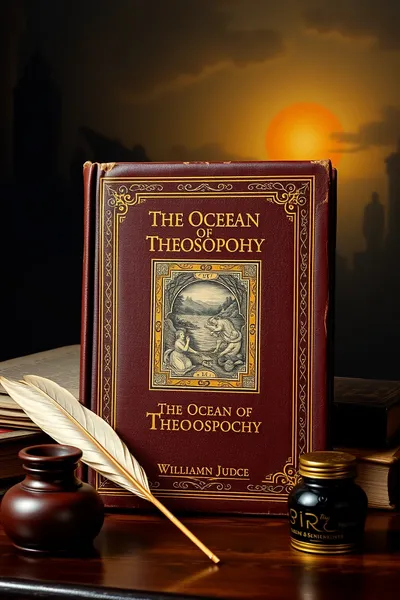
For those new to the concepts of immortality and longevity, starting with accessible introductions is key. Eva Wong's 'Nourishing the Essence of Life' (2012) offers practical Taoist methods for cultivating vitality. Arthur Christopher Benson's 'The Child of the Dawn' (1912) presents a symbolic narrative of spiritual awakening and transformation. 'The Ocean of Theosophy' by William Quan Judge (1893) provides a foundational overview of Theosophical principles concerning life, death, and rebirth. Finally, 'Longevity And Life Span' offers a broad survey of the topic, serving as a general primer.
Intermediate Reading
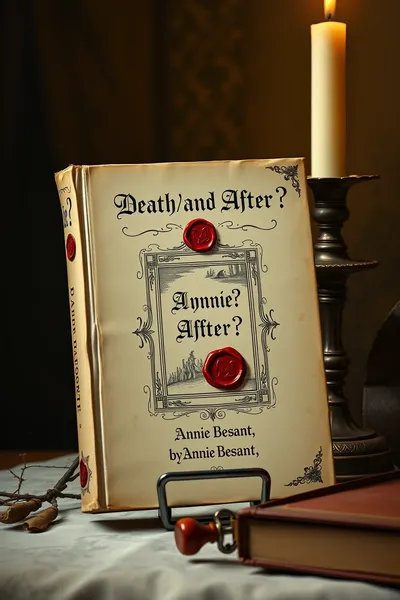
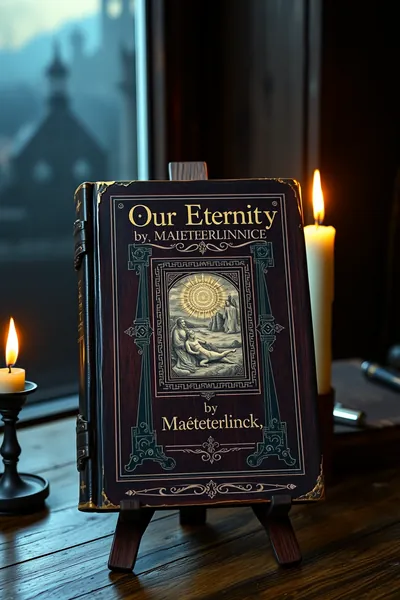
Building on foundational knowledge, intermediate texts delve deeper into specific traditions and theories. Charles Luk's 'Taoist Yoga: Alchemy & Immortality' (1984) explores advanced practices for internal transformation and longevity within Taoism. Annie Besant's 'Death—and After?' (1901) examines Theosophical views on the afterlife and the continuity of consciousness. Maurice Maeterlinck's 'Our Eternity' (1913) offers philosophical reflections on life, death, and the possibility of continued existence. Albert Gallatin Mackey's 'The symbolism of Freemasonry' (1869) touches upon esoteric interpretations of life, death, and regeneration.
Classical / Advanced Texts
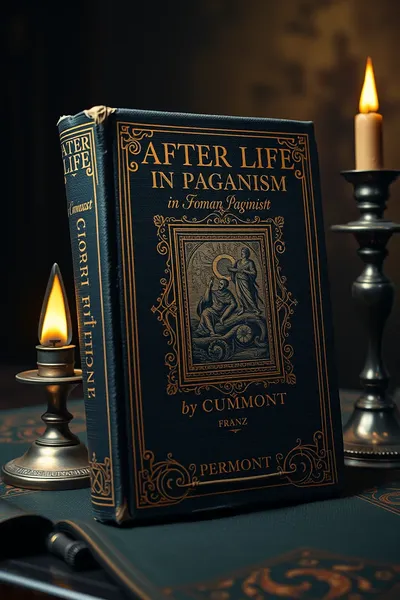
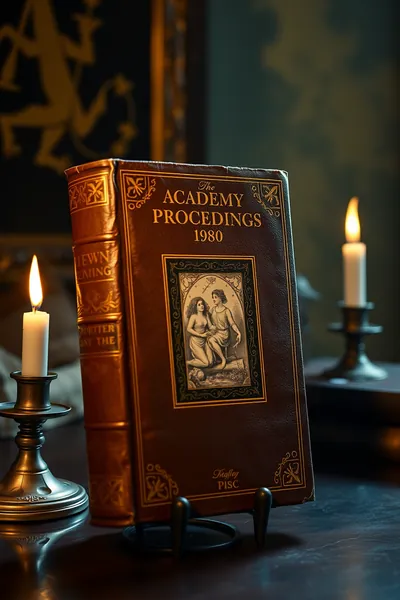
Serious students will find value in primary sources and more complex analyses. 'Harmonizing Yin and Yang: The Dragon-Tiger Classic' by Eva Wong (2012) presents a key text in Taoist internal alchemy. The collected 'Academy Proceedings' from 1980, 1981, and 1984 offer scholarly discussions on consciousness and spiritual development. Franz Cumont's 'After Life in Roman Paganism' (1922) provides scholarly research into ancient beliefs regarding the soul and the afterlife. 'The Story of Han Xiangzi - The Alchemical Adventures of a Daoist Immortal' (2011) recounts the life of a legendary alchemist.
Reading Order — Step by Step
Begin with a broad overview like 'Longevity And Life Span'. In weeks 2-3, explore foundational esoteric concepts in William Quan Judge's 'The Ocean of Theosophy' and symbolic narratives like Arthur Christopher Benson's 'The Child of the Dawn'. Month two can focus on practical applications with Eva Wong's 'Nourishing the Essence of Life' and explore afterlife theories with Annie Besant's 'Death—and After?'. By month three, engage with more advanced Taoist practices in Charles Luk's 'Taoist Yoga: Alchemy & Immortality' and historical perspectives from Franz Cumont's 'After Life in Roman Paganism'.
Frequently Asked Questions
Which book should I read first for the Fountain of Youth?
Start with 'Longevity And Life Span' for a general overview. Then, move to 'The Ocean of Theosophy' by William Quan Judge for foundational esoteric principles related to life and consciousness.
Are there scientific books on longevity?
While this collection focuses on esoteric and philosophical texts, 'Longevity And Life Span' offers a broader perspective that may touch upon scientific aspects, alongside historical and cultural views.
What is the connection between Taoism and the Fountain of Youth?
Taoism extensively explores practices for achieving health, vitality, and longevity, often through internal alchemy and cultivating life force (Qi). Texts like those by Eva Wong and Charles Luk detail these methods.
Does Theosophy discuss immortality?
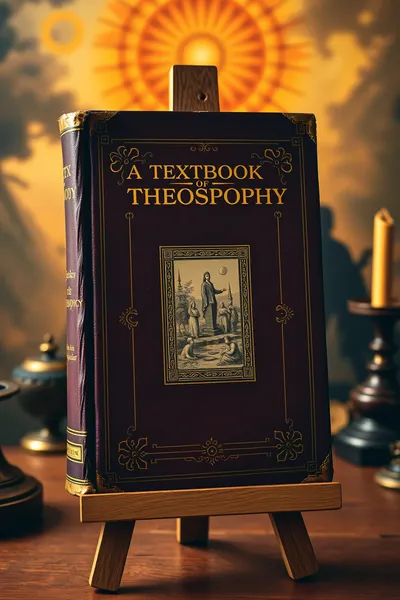
Yes, Theosophy posits the continuity of consciousness beyond physical death through reincarnation and spiritual evolution. Books like Annie Besant's 'Death—and After?' and C.W. Leadbeater's 'A Textbook of Theosophy' explain these concepts.
Are these books about literal immortality?
Many texts explore immortality as a spiritual or consciousness-based state rather than a literal, physical renewal. The concept of the Fountain of Youth often serves as a metaphor for transcending limitations.
Where can I find information on ancient beliefs about immortality?
Franz Cumont's 'After Life in Roman Paganism' offers scholarly insights into ancient Roman beliefs regarding the afterlife and the soul, providing historical context for the pursuit of eternal existence.