eng_t_ml-sefer-zohar

 74
74

eng_t_ml-sefer-zohar

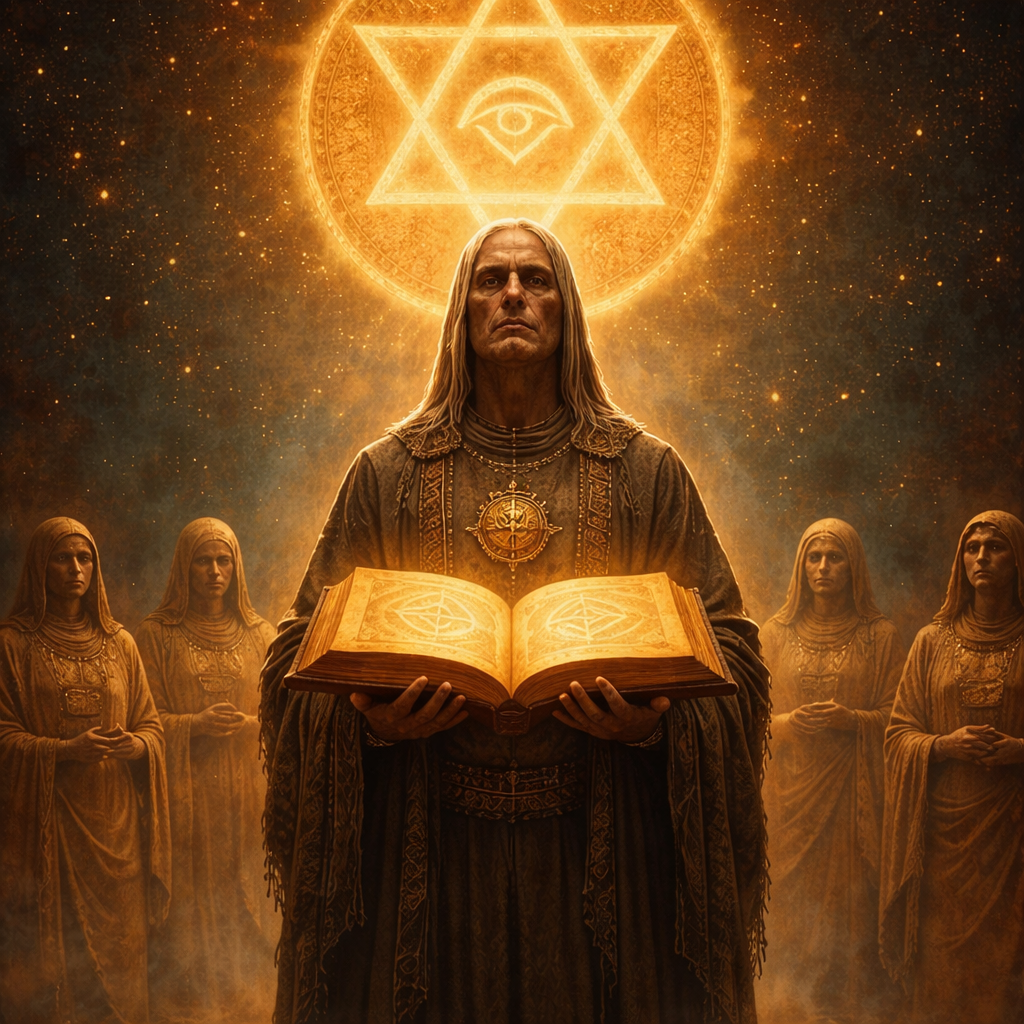

The Zohar, or "Book of Splendor," is a seminal work in the realm of Jewish mysticism and esoteric literature. For modern seekers of the occult, this text offers a treasure trove of ancient wisdom and spiritual insights. The Zohar's exploration of the divine and the human experience is both profound and enigmatic, making it a challenging yet rewarding read. Its cryptic language and rich symbolism require careful study and contemplation, but the effort is well worth it. The Zohar's teachings on the Sefirot, the Tree of Life, and the concept of Tzimtzum provide a deep understanding of the mystical dimensions of the Torah. For those seeking to deepen their spiritual practice or explore the mysteries of Kabbalah, the Zohar is an invaluable resource. It bridges the gap between ancient esoteric knowledge and modern spiritual inquiry, making it a must-read for anyone interested in the occult and Jewish mysticism.
📝 Description
74
The Zohar first appeared in the late 13th century, shaping Kabbalistic thought.
The Zohar is a foundational text in Kabbalah, a form of Jewish mysticism. Its origin is attributed to Moses de León, though tradition sometimes links it to Rabbi Shimon bar Yochai. The work consists of commentaries on the Torah, presented through dialogues and allegorical narratives. It uses rich symbolism to discuss God, creation, the soul, and the relationship between the divine and the human.
The text's literary style is dense, often employing metaphor and allegory to convey complex spiritual ideas. It addresses concepts such as the Sefirot, the divine emanations, and the nature of the divine will. The Zohar aims to reveal hidden meanings within the Torah, guiding practitioners toward a deeper apprehension of God and the cosmos. Its influence has been substantial within Jewish mystical traditions and beyond.
Emerging in medieval Spain, the Zohar became a central text for Kabbalah, a mystical interpretation of Judaism. It draws on earlier esoteric traditions but synthesizes them into a comprehensive system. The Zohar's focus on divine attributes (Sefirot) and the hidden structure of reality placed it within a lineage of mystical thought concerned with cosmology and the divine-human connection. Its allegorical method and symbolic language are characteristic of esoteric literature seeking to access spiritual truths beyond literal understanding.
💡 Why Read This Book?
Reading the Zohar today offers a unique opportunity to engage with ancient Jewish mysticism and its enduring influence. This esoteric text provides profound insights into the nature of God, the universe, and the human soul. By studying the Zohar, readers can deepen their spiritual practice, gain a deeper understanding of Kabbalah, and explore the mysteries of the divine. Whether you are a scholar, a spiritual seeker, or simply curious about the occult, the Zohar offers a wealth of knowledge and spiritual guidance.
⭐ Reader Reviews
Honest opinions from readers who have explored this book.
❓ Frequently Asked Questions
What is the significance of the Zohar in Kabbalah?
The Zohar is one of the most important texts in Kabbalah, providing deep mystical insights into the Torah and the nature of the divine.
Is the Zohar difficult to understand?
Yes, the Zohar's cryptic language and symbolism can be challenging, but it offers profound spiritual rewards for those who study it carefully.
Who should read the Zohar?
The Zohar is ideal for scholars of Jewish mysticism, spiritual seekers, and anyone interested in the occult and esoteric traditions.
🔮 Key Themes & Symbolism
Divine Emanations
The Zohar looks at the concept of Sefirot, the divine emanations that represent the attributes of God. This theme explores the mystical hierarchy of the divine realms and their interplay with the human soul.
Symbolic Narratives
The text is rich with symbolic narratives that convey deep spiritual truths. These stories often use metaphor and allegory to illustrate complex mystical concepts.
Soul and Redemption
The Zohar offers insights into the nature of the soul and the path to spiritual redemption. It explores the journey of the soul through reincarnation and the process of tikkun olam, the repair of the world.
💬 Memorable Quotes
Direct passages from the work, attributed to the author.
“The path to enlightenment is through the heart.”
— This statement underscores the importance of emotional and spiritual development in the journey towards divine understanding.
💡 Key Ideas
Editorial paraphrase of the work's core concepts — not direct quotes.
The Zohar teaches that the hidden is revealed through the hidden.
This quote underscores the esoteric nature of the text, where deeper truths are unveiled through layers of mystical symbolism.
The soul is a spark of the divine light.
This passage highlights the divine origin of the human soul, emphasizing its connection to the infinite.
The world is a mirror of the divine.
This quote reflects the Kabbalistic belief that the physical world mirrors the spiritual realm, inviting seekers to find divine meaning in everyday experiences.
The Zohar reveals the mysteries of creation.
This quote expresses the text's exploration of the divine process of creation and the hidden structures of the universe.
🌙 Esoteric Significance
Tradition
The Zohar is a central text within the Kabbalistic tradition, offering useful insights into Jewish mysticism. It belongs to the esoteric tradition of Jewish thought, which seeks to unveil the hidden aspects of divine wisdom.
Symbolism
Key symbols in the Zohar include the Sefirot, the Tree of Life, and the concept of tikkun olam. These symbols represent the divine emanations, the mystical structure of the universe, and the process of repairing the world.
Modern Relevance
Today, the Zohar continues to inspire modern practitioners of Kabbalah and esoteric traditions. Its teachings are studied and applied in contemporary spiritual practices, offering a path to deeper understanding and enlightenment.
👥 Who Should Read This Book
The Zohar is ideal for beginners who have a basic understanding of Kabbalistic concepts, scholars of Jewish mysticism, spiritual seekers interested in esoteric traditions, and practitioners looking to deepen their spiritual practice. For beginners, it provides a rich introduction to the mystical underpinnings of Judaism. Scholars will find a wealth of esoteric insights and philosophical depth. Spiritual seekers will be drawn to its profound symbolism and spiritual teachings, while practitioners can integrate its wisdom into their daily lives.
📜 Historical Context
The Zohar emerged in the 13th century, a time of significant intellectual and spiritual ferment within Jewish communities. Written during a period of persecution and exile, the Zohar offered a clear source of hope and a framework for understanding the divine mysteries. Its influence has been profound, shaping the development of Kabbalistic thought and inspiring generations of mystical seekers. The text's cryptic language and deep symbolism have made it a core part of Jewish mysticism, attracting scholars and spiritual practitioners alike.
📔 Journal Prompts
Reflect on a passage from the Zohar that resonated with you. What mystical insights did it reveal?
How does the concept of the Sefirot influence your understanding of the divine?
Consider the role of symbolism in the Zohar. How do these symbols enhance your spiritual journey?
Explore the idea of the soul's journey through reincarnation as described in the Zohar. What does this mean for your own spiritual development?
How can the teachings of the Zohar be applied to your daily life and spiritual practice?
🗂️ Glossary
Sefirot
The ten divine emanations that represent the attributes of God in Kabbalistic thought.
Tikkun Olam
The concept of repairing the world, a central theme in Kabbalistic and Jewish mystical teachings.
Tree of Life
A mystical diagram representing the divine structure of the universe, central to Kabbalistic symbolism.
Kabbalah
The esoteric tradition of Jewish mysticism that seeks to understand the hidden aspects of divine wisdom.
Zohar
A foundational text of Kabbalistic literature, known for its deep mystical insights and symbolic narratives.
This book appears in 1 collection
🔮 Readers Also Liked
Browse all →








From the “Kabbalah” Collection
View all →







More Free Kabbalah & Jewish Mysticism Books
View all →