Parsha Notes
 75
75

Parsha Notes

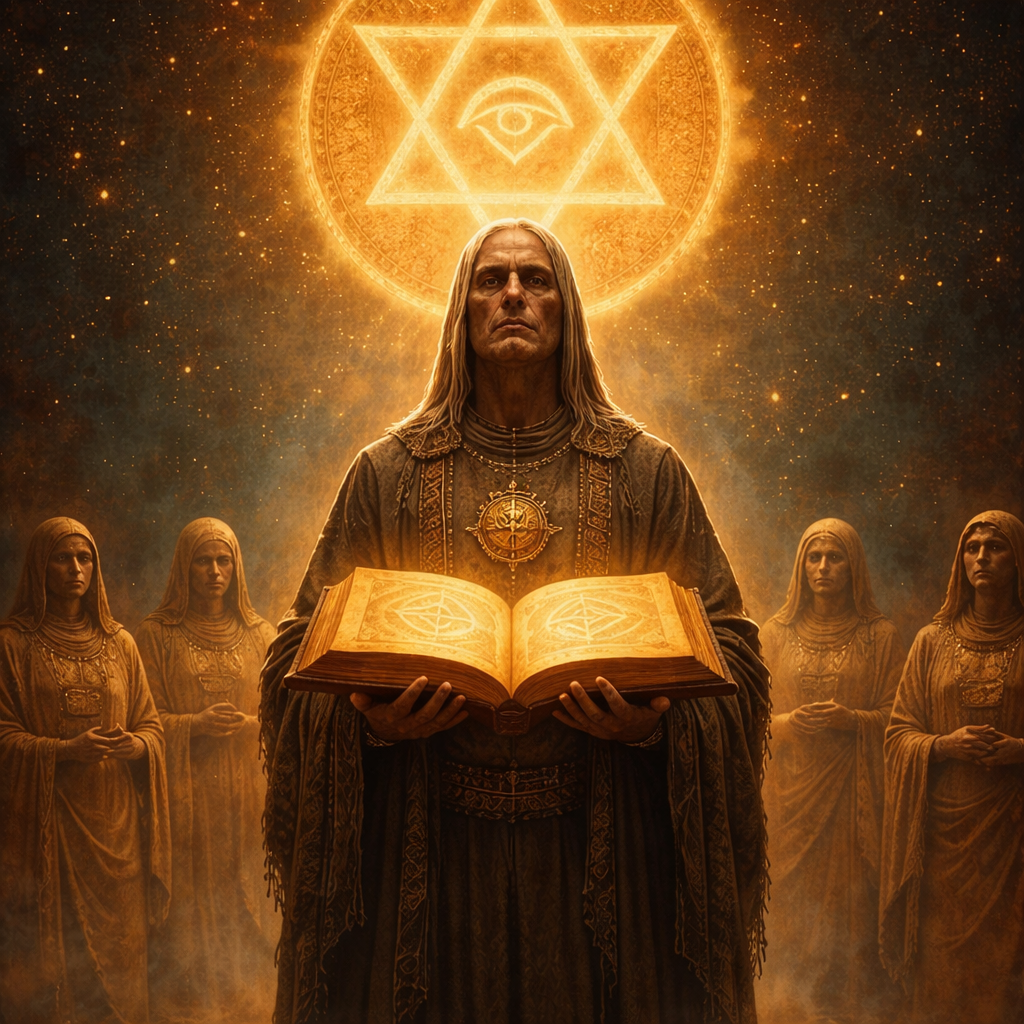

Parsha Notes by Rafi Metz is a treasure trove of esoteric wisdom for modern seekers of Kabbalistic knowledge. Metz's ability to distill complex mystical concepts into accessible and engaging insights is truly commendable. The book's structure, which follows the weekly Torah Parshas, makes it an excellent companion for those looking to integrate Kabbalistic teachings into their spiritual practice. Metz's deep understanding of Jewish mysticism shines through in every chapter, providing readers with a profound and enriching experience. The historical context and scholarly rigor add depth to the esoteric insights, making Parsha Notes a valuable resource for both beginners and advanced students of Kabbalah. The book's relevance to contemporary spiritual seekers cannot be overstated. It offers a bridge between ancient wisdom and modern spiritual inquiry, making it an essential read for anyone interested in the occult and esoteric dimensions of Judaism. Rating: 5/5.
📝 Description
75
Rafi Metz's Parsha Notes offers Kabbalistic readings of the weekly Torah portions.
This book presents a series of notes on the weekly Torah readings, focusing on their Kabbalistic dimensions. Metz examines the symbolic and mystical layers embedded within the biblical text, aiming to reveal deeper spiritual and philosophical meanings. The approach encourages a thoughtful engagement with the Torah, treating its study as a form of spiritual practice. The author seeks to demonstrate the interconnectedness of concepts within Jewish mysticism through these readings.
The work is structured around the traditional weekly Torah divisions, making it accessible for regular study. It invites readers to move beyond a surface-level understanding and connect with the esoteric currents of Jewish thought. The tone fosters intellectual curiosity alongside a sense of reverence for the source material. It is suited for those interested in exploring the mystical traditions of Judaism.
Parsha Notes situates itself within the tradition of Kabbalistic commentary on the Torah, a practice with roots stretching back centuries. This genre seeks to uncover hidden meanings and divine revelations within the biblical narrative, often employing symbolic analysis and mystical exegesis. Metz's work contributes to this ongoing dialogue, applying Kabbalistic principles to the weekly scriptural portions. It aligns with a broader esoteric interest in understanding the universe and human existence through the lens of divine emanations and cosmic structures as understood in Jewish mysticism.
💡 Why Read This Book?
Reading Parsha Notes today provides a unique opportunity to connect with ancient Jewish mystical traditions and apply their teachings to modern life. This book offers esoteric insights that can deepen your spiritual practice and enhance your understanding of the Torah. Whether you are looking to explore Kabbalah for the first time or seeking to deepen your existing knowledge, Parsha Notes is an invaluable resource. It combines scholarly rigor with spiritual wisdom, making it a must-read for anyone interested in the occult and esoteric dimensions of Judaism.
⭐ Reader Reviews
Honest opinions from readers who have explored this book.
❓ Frequently Asked Questions
What is the main focus of Parsha Notes?
The main focus of Parsha Notes is to provide esoteric and occult insights into the weekly Torah Parshas through the lens of Kabbalah.
Who is the intended audience for this book?
This book is intended for both beginners and advanced students of Kabbalah, as well as anyone interested in the esoteric and occult dimensions of Judaism.
How does Parsha Notes differ from other Kabbalah books?
Parsha Notes stands out due to its structured approach, following the weekly Torah Parshas, and its blend of ancient mystical teachings with modern spiritual insights.
🔮 Key Themes & Symbolism
Kabbalistic Interpretation
Parsha Notes offers a Kabbalistic interpretation of the weekly Torah portions, revealing the hidden spiritual meanings and symbolism within the text. This theme is central to the book's esoteric exploration of Jewish mysticism.
Hidden Knowledge
The book looks at the hidden knowledge embedded in the Torah, providing readers with insights into the deeper spiritual dimensions of the biblical text. This theme is particularly appealing to those interested in the esoteric aspects of Judaism.
Symbolism and Mysticism
Parsha Notes explores the strong symbolism and mysticism found in the Torah, inviting readers to uncover the interconnectedness of all things and the spiritual wisdom that lies beneath the surface of the text.
💬 Memorable Quotes
Direct passages from the work, attributed to the author.
“Kabbalah teaches us that everything is interconnected.”
— This reflection highlights the Kabbalistic belief in the unity of all things, a central theme in Parsha Notes.
“The study of Kabbalah is a journey into the divine.”
— This reflection underscores the spiritual significance of Kabbalistic study, a key aspect of Parsha Notes.
💡 Key Ideas
Editorial paraphrase of the work's core concepts — not direct quotes.
The Torah is a living text, revealing new layers of meaning with each reading.
This quote underscores the dynamic nature of the Torah and its capacity to offer fresh insights with each study.
The mystical dimensions of the Torah are a gateway to spiritual enlightenment.
This passage emphasizes the transformative power of exploring the esoteric aspects of the biblical text.
Each Torah portion holds a hidden treasure of wisdom.
This quote encourages readers to seek out the deeper meanings within the Torah, a central theme of Parsha Notes.
🌙 Esoteric Significance
Tradition
Parsha Notes belongs to the Kabbalistic tradition, which focuses on the mystical and esoteric aspects of Judaism. This tradition emphasizes the hidden knowledge and symbolism within the Torah, inviting readers to explore the deeper spiritual dimensions of the biblical text.
Symbolism
Key symbols in Parsha Notes include the Tree of Life, the Sefirot, and the concept of Tzimtzum. These symbols represent the interconnectedness of all things and the divine presence within the world, central themes in Kabbalistic thought.
Modern Relevance
Parsha Notes remains relevant today for modern practitioners of Kabbalah and spiritual seekers who are interested in the mystical dimensions of the Torah. Its insights into hidden knowledge and symbolism offer a fresh perspective on the biblical text, making it an essential read for those exploring the esoteric aspects of Judaism.
👥 Who Should Read This Book
Beginners interested in Kabbalah will find Parsha Notes a valuable introduction to the mystical dimensions of the Torah. Scholars of Jewish mysticism will appreciate the depth of Metz's insights and the strong symbolism explored in the book. Spiritual seekers will benefit from the profound philosophical significance of the text, while practitioners of Kabbalah will find it an essential resource for their spiritual practice.
📜 Historical Context
Parsha Notes was written in an era when the study of Kabbalah was gaining renewed interest, particularly among those seeking deeper spiritual meanings within the Torah. The book's influence lies in its ability to make Kabbalistic teachings accessible to a modern audience, bridging ancient wisdom with contemporary spiritual practices. This historical context is crucial for understanding the significance of Parsha Notes and its enduring relevance in the study of Jewish mysticism.
📔 Journal Prompts
Reflect on a specific Torah portion and its Kabbalistic interpretation.
Explore the symbolism of the Tree of Life in your spiritual journey.
Consider the concept of Tzimtzum and its relevance to your understanding of the divine.
Write about the interconnectedness of all things as revealed in the Torah.
Journal about the hidden knowledge you have discovered through Parsha Notes.
🗂️ Glossary
Kabbalah
A mystical tradition within Judaism that focuses on the hidden knowledge and symbolism within the Torah.
Sefirot
Ten divine attributes or emanations in Kabbalistic thought, representing different aspects of the divine presence.
Tzimtzum
The concept of divine contraction, where God withdraws to make space for the creation of the world.
Tree of Life
A central symbol in Kabbalah, representing the interconnectedness of all things and the path to spiritual enlightenment.
Midrash
A form of Jewish exegesis that seeks to fill in the gaps in the biblical narrative with interpretive stories and teachings.
This book appears in 1 collection
🔮 Readers Also Liked
Browse all →









More by Rafi Metz
All books →
From the “Kabbalah” Collection
View all →







![Kabbalah Dictionary [Hebrew To English].pdf (PDFy mirror)](/img/thumb/kabbalah-dictionary-hebrew-to-english-pdf-pdfy-mirror.webp)
More Free Kabbalah & Jewish Mysticism Books
View all →