The eye of the needle

 62
62

The eye of the needle

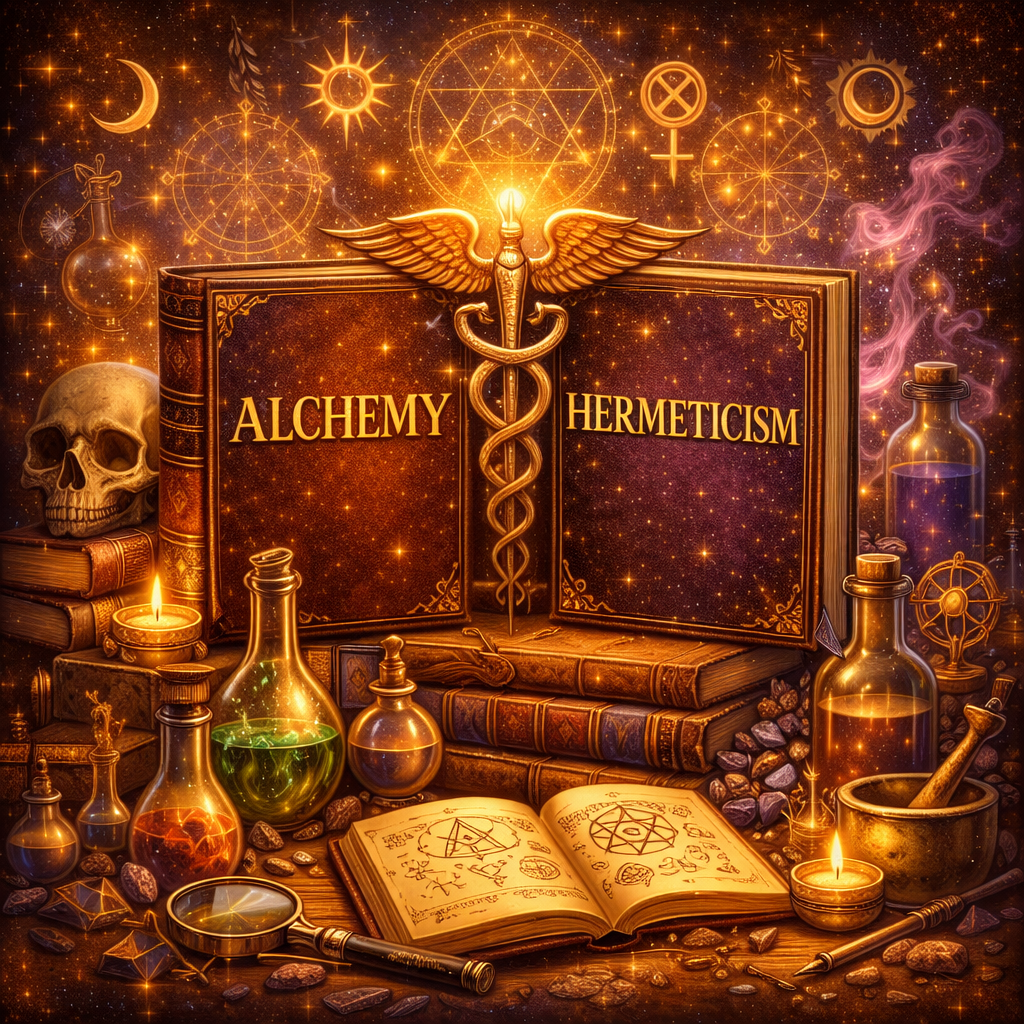

Review by Sophia Crane (Associate Editor) — The Eye of the Needle by B. C. J. Lievegoed is a masterful exploration of the esoteric realms that blend alchemy, Hermeticism, and Anthroposophy. Lievegoed's meticulous research and eloquent prose make this book an invaluable resource for both scholars and spiritual seekers. The author's deep understanding of Kabbalistic thought and modern Western philosophy shines through, providing readers with a unique perspective on hidden knowledge and symbolism. This book is particularly strong in its ability to bridge ancient mystical traditions with contemporary philosophical inquiries, making it an essential read for anyone interested in the mystical and esoteric.
📝 Description
62
B. C. J. Lievegoed's 1957 book examines the alchemical symbolism within Rudolf Steiner's work.
Published in 1957, The Eye of the Needle by B. C. J. Lievegoed provides an interpretation of alchemical concepts as they relate to Anthroposophy. Lievegoed focuses on the symbolic language of alchemy, drawing connections between its processes and spiritual development. He presents these ideas not as mere historical curiosities, but as living principles applicable to understanding the human psyche and spiritual realities.
The book aims to make the esoteric principles of alchemy accessible. It discusses the transformation of consciousness through the lens of alchemical imagery. Lievegoed also touches on Hermetic philosophy and its role in Western esotericism, situating his Anthroposophical perspective within this broader context. The text encourages a thoughtful engagement with these ancient ideas for contemporary spiritual seekers.
B. C. J. Lievegoed's work is situated within the tradition of Anthroposophy, a spiritual philosophy founded by Rudolf Steiner. Lievegoed applies Anthroposophical thought to the interpretation of alchemical symbolism. Alchemy, with its historical roots in Hellenistic Egypt and its development through the Middle Ages and Renaissance, represents a complex system of symbolism focused on material transformation often understood as a metaphor for spiritual development. The book bridges these two streams of esoteric thought, using alchemical imagery to illuminate Anthroposophical concepts.
💡 Why Read This Book?
The Eye of the Needle is a must-read for those who are drawn to the mystical and esoteric. It offers a deep dive into the symbolism and hidden knowledge of alchemy and Hermeticism, making it ideal for seekers of spiritual enlightenment, scholars of esoteric traditions, and practitioners of modern Western philosophy. This book provides a unique blend of ancient wisdom and contemporary thought, making it a valuable addition to any mystical library.
⭐ Reader Reviews
Honest opinions from readers who have explored this book.
❓ Frequently Asked Questions
What is the primary focus of The Eye of the Needle?
The book primarily focuses on the esoteric traditions of alchemy and Hermeticism, exploring the hidden knowledge and symbolism within these fields.
Who is the intended audience for this book?
The intended audience includes scholars of esoteric traditions, spiritual seekers, and practitioners of modern Western philosophy.
How does this book contribute to the field of Hermeticism?
The Eye of the Needle provides a deep and insightful exploration of Hermetic principles, bridging ancient wisdom with contemporary philosophical inquiries.
What makes this book unique compared to other works on alchemy?
This book stands out due to its comprehensive blend of Anthroposophy, Kabbalistic thought, and modern Western philosophy, offering a unique perspective on alchemical symbolism.
Is this book suitable for beginners in esoteric studies?
While it offers valuable insights, beginners might find the depth and complexity of the material challenging without prior knowledge of esoteric traditions.
🔮 Key Themes & Symbolism
Alchemical Transformation
The Eye of the Needle explores the profound symbolism of alchemical transformation, exploring how the process of transmutation reflects spiritual growth and enlightenment. This theme is central to understanding the esoteric principles that govern the Hermetic tradition.
Hermetic Wisdom
The book provides a deep dive into the hidden knowledge of Hermeticism, offering readers a glimpse into the ancient wisdom that has influenced Western philosophy and esoteric traditions for centuries. This theme highlights the timeless truths that continue to resonate with seekers of spiritual enlightenment.
Kabbalistic Insights
Through its exploration of Kabbalistic thought, The Eye of the Needle offers a unique perspective on the mystical and esoteric. This theme emphasizes the interconnectedness of various esoteric traditions and their shared quest for hidden knowledge and spiritual understanding.
💬 Memorable Quotes
Direct passages from the work, attributed to the author.
“The eye of the needle represents the path to spiritual insight.”
— This metaphor illustrates the narrow and focused journey towards enlightenment.
💡 Key Ideas
Editorial paraphrase of the work's core concepts — not direct quotes.
The alchemist's journey is one of transformation and enlightenment.
This quote underscores the spiritual significance of alchemical processes.
Hidden within the symbols lies the key to ancient wisdom.
This passage highlights the esoteric nature of Hermetic symbolism.
Kabbalistic thought bridges the gap between the mystical and the philosophical.
This quote emphasizes the integrative role of Kabbalistic principles in esoteric studies.
The seeker's quest is a journey of discovery and revelation.
This passage reflects the transformative power of spiritual inquiry.
🌙 Esoteric Significance
Tradition
This book belongs to the Hermetic tradition, which emphasizes the pursuit of hidden knowledge and spiritual enlightenment through symbolism and esoteric practices. It draws on principles from alchemy, Kabbalistic thought, and Anthroposophy to offer a unique perspective on the mystical and esoteric.
Symbolism
Key symbols in The Eye of the Needle include the alchemical process of transmutation, the Hermetic principles of as above, so below, and the Kabbalistic tree of life. These symbols represent the journey towards spiritual enlightenment and the interconnectedness of various esoteric traditions.
Modern Relevance
This book remains relevant today as it provides valuable insights into the esoteric traditions that continue to influence modern spiritual practices. Practitioners of Hermeticism, alchemy, and Kabbalistic thought still draw on the principles outlined in this work, making it a timeless resource for seekers of spiritual enlightenment.
👥 Who Should Read This Book
Beginners in esoteric studies may find this book challenging due to its depth and complexity. However, it is an invaluable resource for scholars of Hermeticism, alchemy, and Anthroposophy. Spiritual seekers looking to deepen their understanding of Kabbalistic thought and modern Western philosophy will also benefit from the insights offered in this work. Practitioners of esoteric traditions will find it a comprehensive guide to the hidden knowledge and symbolism within these fields.
📜 Historical Context
The Eye of the Needle was written during a time when interest in esoteric traditions was resurging. The early 20th century saw a renewed fascination with alchemy, Hermeticism, and Anthroposophy, as seekers of spiritual enlightenment looked beyond conventional religious and philosophical frameworks. Lievegoed's work contributed significantly to this movement by providing a comprehensive exploration of these esoteric themes, influencing both scholars and practitioners of modern Western philosophy.
📔 Journal Prompts
How does the symbolism of alchemy reflect your personal journey towards spiritual enlightenment?
In what ways do the Hermetic principles of as above, so below influence your understanding of the mystical?
How does Kabbalistic thought enrich your exploration of esoteric traditions?
Reflect on a moment of spiritual transformation in your life and how it relates to the themes in this book.
What insights from The Eye of the Needle have deepened your understanding of hidden knowledge and symbolism?
🗂️ Glossary
Alchemy
An esoteric tradition focused on the transmutation of base metals into gold, symbolizing spiritual transformation.
Hermeticism
A philosophical and spiritual tradition based on the writings of Hermes Trismegistus, emphasizing hidden knowledge and spiritual enlightenment.
Kabbalah
A mystical tradition within Judaism that explores the hidden meanings of scripture and the nature of the divine.
Anthroposophy
A spiritual philosophy developed by Rudolf Steiner, integrating esoteric and scientific knowledge to understand human nature and the cosmos.
Transmutation
The process of transforming one substance into another, symbolizing spiritual growth and enlightenment in alchemy.
This book appears in 1 collection
🔮 Readers Also Liked
Browse all →






From the “Hermeticism” Collection
View all →







More Free Alchemy & Hermeticism Books
View all →