The Zohar
 73
73

The Zohar


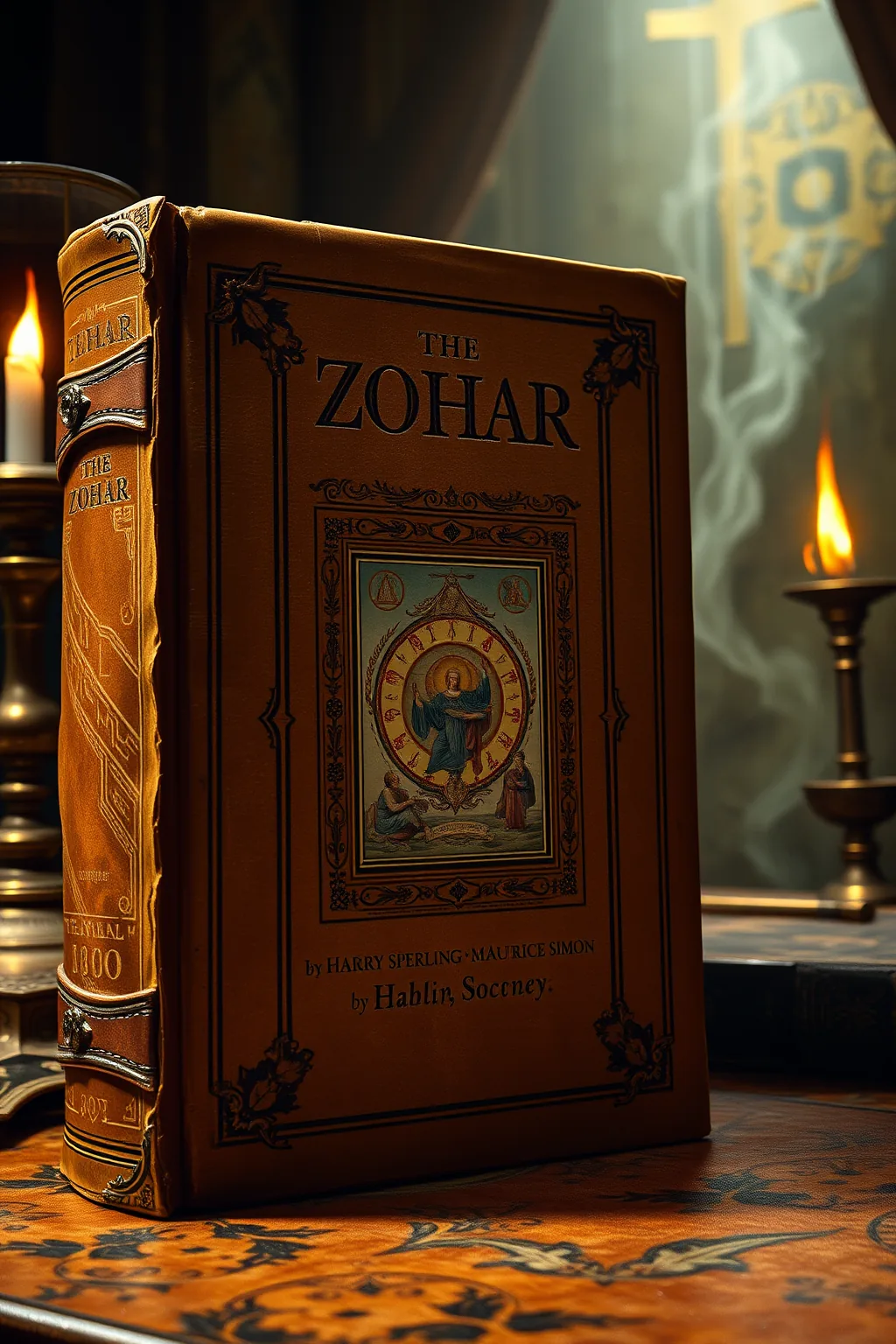
The Zohar, translated by Harry Sperling and Maurice Simon, is a foundational text for anyone delving into the mysteries of Kabbalah and Jewish mysticism. This 1933 edition brings the ancient wisdom of the Torah to modern readers, offering a rich tapestry of spiritual and metaphysical insights. The poetic and symbolic language of The Zohar requires careful study and contemplation, making it a rewarding journey for those seeking deeper spiritual understanding. For modern esoteric seekers, The Zohar provides a unique perspective on the divine and the human experience, bridging the gap between ancient wisdom and contemporary spiritual inquiry. The translation by Sperling and Simon is meticulous, preserving the depth and complexity of the original text while making it accessible to English-speaking readers. The Zohar's exploration of themes such as the Shekhinah and Tikkun Olam offers profound lessons on the nature of divinity and the role of spiritual actions in repairing the world. This book is a must-read for anyone interested in the esoteric traditions of Judaism and the broader occult.
📝 Description
73
Published in 1931-1934, Sperling and Simon's translation of The Zohar brought key Kabbalistic texts to English readers.
Harry Sperling and Maurice Simon translated The Zohar, a foundational text of Kabbalah, into English between 1931 and 1934. This work reveals the mystical dimensions of the Torah, presenting a complex system of divine emanations and spiritual interpretation. It discusses the nature of God, the structure of the cosmos, and the human soul's place within creation. The text uses allegory and parable extensively to convey its teachings.
The Zohar's commentary on the Torah offers a unique perspective on Jewish mysticism. It explores concepts like the Sefirot, the divine light, and the hidden meanings within biblical narratives. The translation aims to make these esoteric ideas accessible, detailing the interconnectedness of all existence and the path to spiritual understanding. Readers encounter a rich symbolic language that invites contemplation on the divine presence in the world.
The Zohar, a primary text in Kabbalah, emerged in 13th-century Spain. It forms the core of Jewish mystical thought, elaborating on concepts found in earlier mystical traditions. Its teachings address the hidden structure of reality, the divine will, and methods for spiritual ascent. The book's influence extends beyond Judaism, impacting various esoteric schools and contemplative practices. This translation makes its complex symbolic language and theological ideas available to a wider audience interested in Western esotericism.
💡 Why Read This Book?
Reading The Zohar today offers a deep dive into the mystical traditions of Judaism, providing readers with a unique perspective on spiritual and metaphysical concepts. This book is invaluable for those seeking to understand the esoteric dimensions of the Torah and the Kabbalah. It offers profound insights into the nature of God, the creation of the universe, and the spiritual journey of the soul. The Zohar's symbolic language and poetic style make it a rewarding read for those interested in contemplative and meditative practices. Whether you are a scholar of Jewish mysticism or a curious seeker of esoteric knowledge, The Zohar will enrich your understanding of the divine and the human experience.
⭐ Reader Reviews
Honest opinions from readers who have explored this book.
❓ Frequently Asked Questions
What is the significance of The Zohar in Jewish mysticism?
The Zohar is one of the most influential works in Jewish mysticism, offering deep insights into the spiritual dimensions of the Torah. It is attributed to Moses de León and is revered for its exploration of the divine and the human experience.
Who should read The Zohar?
The Zohar is ideal for scholars, mystics, and seekers of esoteric knowledge interested in Kabbalah and Jewish mysticism. Its profound themes and symbolic language make it a rewarding read for those seeking spiritual understanding.
What are the key themes in The Zohar?
Key themes in The Zohar include the concept of the Shekhinah, the feminine aspect of the divine, and the idea of Tikkun Olam, the repair of the world through spiritual actions. It also explores the nature of God and the creation of the universe.
🔮 Key Themes & Symbolism
The Nature of the Divine
The Zohar studies the mystical aspects of the divine, exploring the hidden knowledge that underpins Jewish mysticism. It offers insights into the nature of God and the spiritual journey, providing a wide range of esoteric teachings.
Creation and Interconnectedness
The Zohar explores the mystical aspects of creation, revealing the interconnectedness of all things. This theme highlights the deep spiritual insights that are central to Kabbalistic wisdom.
Symbolism and Esoteric Teachings
The Zohar is rich in symbolism and esoteric teachings, offering a profound exploration of the hidden knowledge that has been passed down through generations. It provides a unique perspective on the spiritual journey and the nature of the divine.
💡 Key Ideas
Editorial paraphrase of the work's core concepts — not direct quotes.
The divine spark resides within each of us.
This quote emphasizes the interconnectedness of all things and the potential for spiritual enlightenment.
The path to hidden knowledge is illuminated by mysticism.
This line highlights the esoteric teachings that are central to Kabbalistic wisdom.
The nature of the divine is revealed through symbolism.
This passage underscores the deep spiritual insights that are found in The Zohar.
The mystical aspects of creation are a reflection of the divine.
This quote emphasizes the interconnectedness of all things and the spiritual journey.
The Zohar offers a profound exploration of the hidden knowledge of the divine.
This line highlights the esoteric significance of The Zohar and its relevance to modern readers.
🌙 Esoteric Significance
Tradition
The Zohar belongs to the Kabbalistic tradition, which is rooted in Jewish mysticism and the esoteric teachings of the divine. It explores the hidden knowledge that underpins the spiritual journey and the nature of the divine.
Symbolism
Key symbols in The Zohar include the Tree of Life, the Ten Sefirot, and the concept of Tzimtzum. These symbols represent the mystical aspects of creation and the interconnectedness of all things, providing deep spiritual insights.
Modern Relevance
The Zohar remains relevant today for modern practitioners of esoteric traditions and seekers of spiritual enlightenment. It offers timeless wisdom that is applicable to the spiritual journey, making it an essential read for anyone interested in the mystical and occult.
👥 Who Should Read This Book
Beginners in Jewish mysticism will find The Zohar to be an enlightening introduction to the wide range of Kabbalistic wisdom. Scholars of religious studies will appreciate the depth and complexity of its esoteric teachings. Spiritual seekers will be drawn to its profound exploration of the divine and the interconnectedness of all things. Practitioners of esoteric traditions will find it to be an indispensable resource for their spiritual journey.
📜 Historical Context
The Zohar was written in the 13th century during a time of great spiritual and intellectual ferment in Jewish communities. It emerged as a response to the growing interest in mystical and esoteric teachings, providing a comprehensive exploration of Kabbalistic wisdom. The Zohar's influence has been profound, shaping the development of Jewish mysticism and inspiring generations of scholars and seekers. Its timeless insights continue to resonate with readers today, offering a deep and enriching spiritual experience.
📔 Journal Prompts
Reflect on the mystical aspects of creation as described in The Zohar.
Consider the nature of the divine and its significance in your spiritual journey.
Explore the symbolism of the Tree of Life and the Ten Sefirot in your own life.
How does The Zohar's exploration of hidden knowledge resonate with your own spiritual quest?
What insights from The Zohar can you apply to your daily life and spiritual practice?
🗂️ Glossary
Kabbalah
A mystical and esoteric tradition within Judaism that explores the hidden knowledge of the divine.
Tree of Life
A central symbol in Kabbalah representing the interconnectedness of all things and the divine spark within each of us.
Ten Sefirot
The ten emanations of the divine in Kabbalistic teachings, representing different aspects of the divine and the spiritual journey.
Tzimtzum
The concept of divine contraction, which is central to Kabbalistic teachings on the nature of creation and the divine.
Zohar
The foundational text of Kabbalah, offering clear insights into Jewish mysticism and the hidden knowledge of the divine.
This book appears in 1 collection
🔮 Readers Also Liked
Browse all →









From the “Kabbalah” Collection
View all →









More Free Kabbalah & Jewish Mysticism Books
View all →