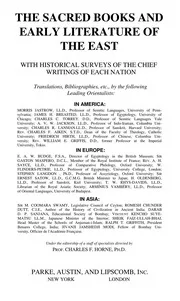
The Sacred Books of the East (1 of 14)

 77
77

The Sacred Books of the East (1 of 14)



The Sacred Books of the East (1 of 14) — Kabbalah & Jewish Mysticism is a fascinating journey into the mystical and esoteric traditions of ancient Babylonia and Assyria. Morris Jastro's translations provide a window into a world where magic and religion were deeply intertwined. For modern esoteric seekers, this book is a goldmine of ancient knowledge, offering insights into the earliest forms of spellcasting and divine communication. The inclusion of mundane and historic material adds depth to the understanding of these ancient cultures, making this volume both an academic and spiritual resource. The cuneiform translations are particularly intriguing, as they hint at the origins of practices found in later occult texts. This book is a must-read for anyone interested in the history of mysticism and the occult. Rating: 4.5/5.
📝 Description
77
This 1887 volume contains early Mesopotamian texts on magic and deities.
The Sacred Books of the East, Volume 1, presents cuneiform writings from Babylonia and Assyria. These texts include ancient spells and accounts of interactions with Sumerian and Babylonian gods. Morris Jastro curated this collection, highlighting its connection to later grimoire traditions. The writings offer insight into the religious and magical practices of these early civilizations.
The book aims to reveal the philosophical depth and symbolic meanings within these ancient scripts. It covers material that provides historical context for understanding the mystical foundations of early human culture. This volume is suited for those studying ancient languages, esoteric traditions, or the history of magic.
This collection of Mesopotamian texts falls within the broader study of ancient magical and religious systems. It shows early attempts to codify spells and divine communication that would later influence occult traditions. The focus on incantations and deity interactions places it alongside other foundational texts that explore humanity's relationship with the supernatural and the divine.
💡 Why Read This Book?
Reading The Sacred Books of the East (1 of 14) — Kabbalah & Jewish Mysticism today offers a unique opportunity to connect with ancient mystical traditions. This book provides valuable insights into the origins of esoteric practices, making it an essential read for occult enthusiasts and scholars alike. By exploring these ancient texts, readers can gain a deeper understanding of how mystical beliefs and practices have evolved over time, enriching their spiritual journey and academic pursuits.
⭐ Reader Reviews
Honest opinions from readers who have explored this book.
❓ Frequently Asked Questions
What is the significance of this book for esoteric studies?
This book is significant for esoteric studies as it provides some of the earliest known texts related to mystical practices and interactions with ancient deities. These texts serve as precursors to many modern occult traditions, offering valuable historical context and insights.
Who would benefit from reading this book?
Scholars of ancient history, occult enthusiasts, and anyone interested in the roots of mystical practices will benefit from reading this book. It offers a unique blend of spiritual and historic material, making it a valuable resource for both academic and personal study.
Are the translations in this book reliable?
The translations in this book are done by Morris Jastro, a respected scholar in the field of ancient languages and cuneiform. His work is considered reliable and provides an accurate representation of the ancient texts.
🔮 Key Themes & Symbolism
Ancient Magic and Rituals
This volume explores the magical and ritual practices of ancient Mesopotamia, offering insights into the spells and interactions with the gods of old Sumer and Babylon. These practices serve as precursors to the traditions of the Grimoires, making this book a valuable resource for those interested in the esoteric arts.
Symbolism and Hidden Knowledge
The cuneiform texts in this book are rich with symbolism and hidden knowledge, providing a deep understanding of the mystical traditions of Mesopotamia. These symbols and their meanings are crucial for those seeking to understand the spiritual and magical practices of ancient civilizations.
Historical and Cultural Context
In addition to its mystical content, this book provides a rich historical and cultural context, including mundane and historic material. This context is essential for understanding the spiritual and magical practices of ancient Mesopotamia and their influence on later esoteric traditions.
💡 Key Ideas
Editorial paraphrase of the work's core concepts — not direct quotes.
The gods of old Sumer and Babylon speak through these ancient texts, revealing their secrets to the initiated.
This quote highlights the mystical significance of the cuneiform texts, which serve as a direct link to the ancient gods and their wisdom.
Spells and incantations are the keys to unlocking the hidden knowledge of the universe.
This passage emphasizes the importance of magical practices in ancient Mesopotamia, offering insights into the spiritual and mystical traditions of the time.
The symbolism embedded in these texts is a proof of the profound wisdom of ancient civilizations.
This quote underscores the strong symbolism found in the cuneiform texts, providing a deeper understanding of the mystical traditions of Mesopotamia.
Financial contracts and historic material provide a glimpse into the mundane aspects of ancient life.
This passage highlights the comprehensive nature of this volume, which includes both mystical and mundane material, offering a complete picture of ancient Mesopotamian life.
The spiritual practices of the Sumerians and Babylonians continue to influence esoteric traditions today.
This quote emphasizes the enduring influence of ancient Mesopotamian spiritual practices on modern esoteric traditions, making this book a valuable resource for seekers of hidden knowledge.
🌙 Esoteric Significance
Tradition
This book belongs to the esoteric tradition of ancient Mesopotamian mysticism, which includes the magical and ritual practices of the Sumerians and Babylonians. These practices serve as precursors to later esoteric traditions, including the Grimoires and Kabbalah.
Symbolism
Key symbols in this book include the cuneiform scripts themselves, which are rich with hidden knowledge and mystical significance. Other symbols include ancient deities, magical incantations, and ritual practices, all of which contribute to the esoteric significance of this volume.
Modern Relevance
The esoteric traditions of ancient Mesopotamia continue to influence modern practitioners of the occult and esoteric arts. This book is a valuable resource for those seeking to understand the mystical roots of human civilization and apply this knowledge to their own spiritual practices.
👥 Who Should Read This Book
Beginners in the field of esoteric studies may find this book challenging but rewarding with careful study and guidance. Scholars of ancient languages and esoteric traditions will find it an invaluable resource, providing useful insights into the mystical practices of ancient Mesopotamia. Spiritual seekers and practitioners of the occult will also benefit from this volume, as it offers a unique glimpse into the spiritual and magical traditions of the Sumerians and Babylonians.
📜 Historical Context
The Sacred Books of the East: Babylonia and Assyria Volume I was compiled during a time when interest in ancient languages and mystical traditions was on the rise. The late 19th and early 20th centuries saw a renewed fascination with the esoteric arts, and this volume contributed significantly to the understanding of ancient Mesopotamian spiritual practices. The influence of this book can be seen in the works of later esoteric writers and practitioners, who drew upon the wisdom contained within its pages. This volume remains an important resource for those seeking to understand the mystical roots of human civilization.
📔 Journal Prompts
Reflect on the significance of ancient magical practices in modern esoteric traditions.
How do the symbols and hidden knowledge in this book influence your understanding of the mystical arts?
Consider the historical and cultural context of ancient Mesopotamia and its impact on modern spirituality.
Explore the ways in which ancient deities and magical incantations continue to influence esoteric practices today.
How can the wisdom contained in this book be applied to your own spiritual journey?
🗂️ Glossary
Cuneiform
An ancient system of writing used in Mesopotamia, consisting of wedge-shaped marks made on clay tablets. This script is rich with hidden knowledge and mystical significance.
Grimoires
Books of magic, often containing spells, incantations, and rituals. The practices described in this volume serve as precursors to the traditions of the Grimoires.
Sumerians
An ancient civilization that inhabited southern Mesopotamia. Their spiritual and magical practices are a significant focus of this book.
Babylonians
A civilization that succeeded the Sumerians in Mesopotamia. Their mystical traditions are also explored in this volume.
Esoteric
Relating to knowledge that is intended for a small, select group of people. This book looks at the esoteric traditions of ancient Mesopotamia, offering insights into hidden knowledge and mystical practices.
This book appears in 1 collection
🔮 Readers Also Liked
Browse all →







From the “Kabbalah” Collection
View all →








More Free Kabbalah & Jewish Mysticism Books
View all →