Witchcraft and Second Sight in the Highlands and Islands of Scotland
 75
75

Witchcraft and Second Sight in the Highlands and Islands of Scotland


John Gregorson Campbell's 'Witchcraft and Second Sight' stands as an indispensable cornerstone for any serious student of Western esoteric traditions, particularly those rooted in Celtic shamanism and folk magic. Campbell’s commitment to preserving oral accounts offers an unparalleled authenticity, revealing the practical application of magic, divination, and the inherent psychic abilities of the Highlanders and Islanders. This work is a treasure trove of specific practices, belief systems, and the socio-cultural context that nurtured such phenomena. Its strength lies in its direct access to lived experience, unvarnished by later interpretations. Highly recommended for scholars, practitioners, and anyone seeking to understand the deep, enduring spiritual landscape of Scotland.
📝 Description
75
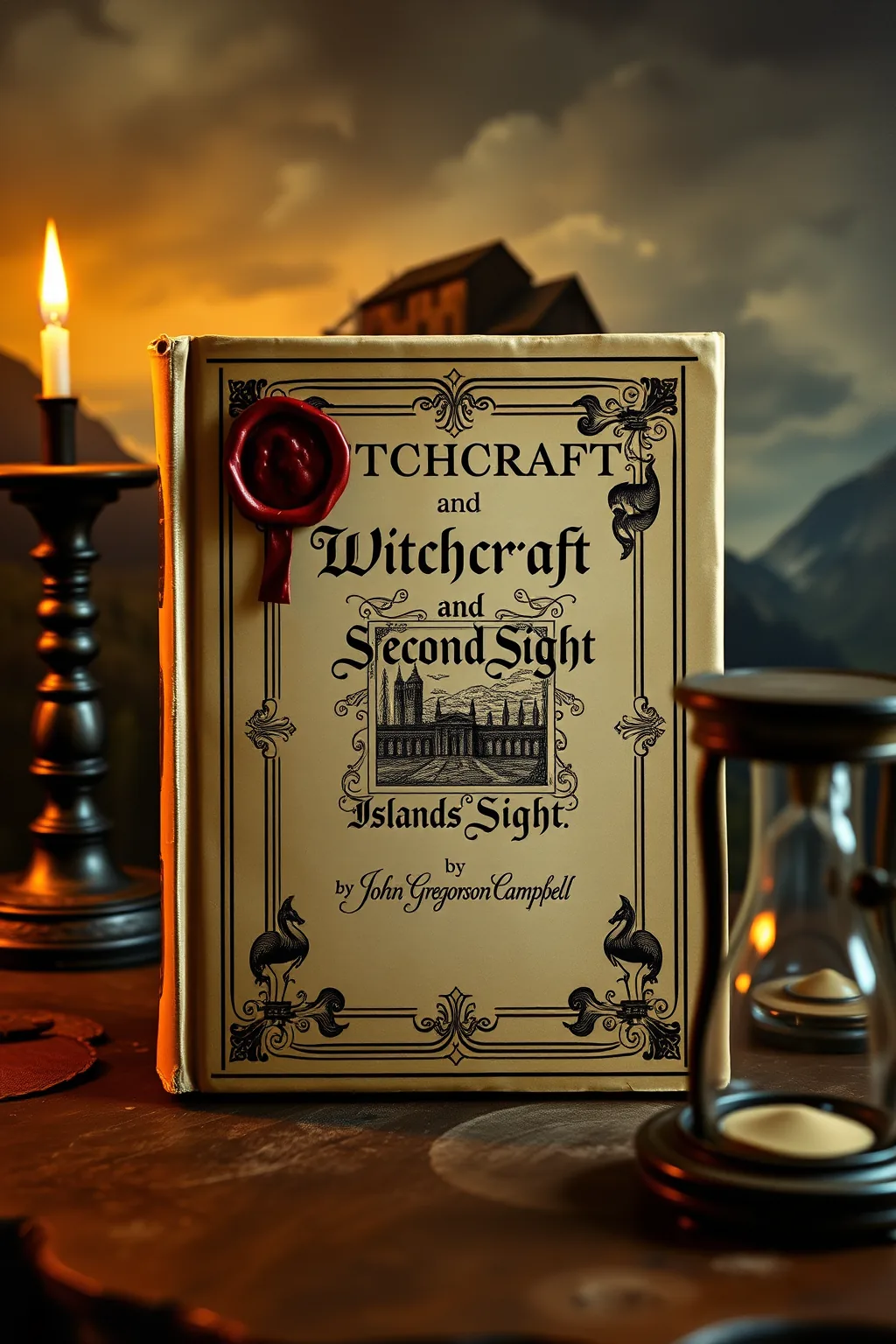
John Gregorson Campbell's 1902 book records Scottish Highland witchcraft and second sight.
Published posthumously in 1902, John Gregorson Campbell's 'Witchcraft and Second Sight in the Highlands and Islands of Scotland' compiles folklore gathered from the region. Campbell, a folklorist and minister, collected accounts of supernatural encounters, charms, and the ability of foresight directly from local people. The work details beliefs surrounding sprites, sorcerers, and various methods of divination, alongside descriptions of ancient festivals that structured community life.
This volume presents a worldview where the boundary between the ordinary and the magical was permeable. It is a collection of oral traditions from a land rich in folklore. Campbell's meticulous transcription captures a specific cultural understanding of hidden forces and consciousness that existed alongside everyday life. The book draws on the beliefs of the people of the Scottish Highlands and Islands.
This book fits within the broader study of Western esotericism by documenting folk magic and belief systems that existed outside mainstream religious and scientific frameworks of its time. Campbell's work is a primary source for understanding localized magical practices and pre-Christian beliefs that persisted in isolated communities. It contributes to the study of folk religion, shamanism, and the historical understanding of altered states of consciousness and intuitive perception, particularly as they were understood and practiced in the Scottish Highlands and Islands.
✍️ Author
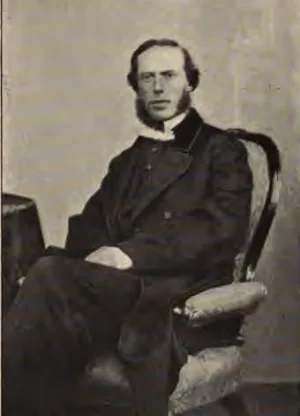
John Gregorson Campbell
Scottish folklorist and minister, Campbell collected traditional stories from Argyll.
💡 Why Read This Book?
Unearth the authentic voice of Highland folklore, a rare portal into pre-modern magical beliefs and practices. This book offers invaluable insights into the nature of second sight, witchcraft, and Celtic rituals, directly from oral traditions. Ideal for seekers of ancient wisdom, folklorists, historians, and practitioners interested in the roots of Western magic.
⭐ Reader Reviews
Honest opinions from readers who have explored this book.
❓ Frequently Asked Questions
What is 'Second Sight' as described in the book?
'Second Sight' refers to a form of extrasensory perception or clairvoyance prevalent in the Highlands and Islands, allowing individuals to perceive events, spirits, or futures beyond the ordinary senses, often tied to a profound connection with the natural and spiritual realms.
Is this book about modern witchcraft practices?
No, this book focuses on historical witchcraft and folk beliefs as practiced and understood in the Scottish Highlands and Islands during the late 19th and early 20th centuries, drawing from oral traditions.
Who was John Gregorson Campbell?
John Gregorson Campbell was a Scottish folklorist and Church minister known for his dedicated work in collecting and documenting the oral traditions, superstitions, and beliefs of the people in the Highlands and Islands of Scotland.
What are some of the key topics covered besides witchcraft?
The book delves into hobgoblins, divination techniques, black and white magic, spellcasting, Celtic festivals, beliefs about the devil, and the phenomenon of the 'evil eye'.
Is the language accessible for those unfamiliar with Scottish dialects?
While drawing from oral sources, Campbell's transcription and presentation are generally accessible to an English-speaking audience, though some regionalisms may be present, adding to the authenticity of the collected lore.
🔮 Key Themes & Symbolism
The Nature of Second Sight
This theme explores the profound concept of 'second sight' as understood and experienced in the Scottish Highlands and Islands. It looks at its manifestations, the individuals who possessed it, and its perceived connection to the spiritual world and the fabric of fate. Campbell meticulously records accounts that illustrate the uncanny accuracy and the often-burdened nature of this gift, revealing it not as a mere trick of the mind, but as an integral part of the Highland worldview, deeply intertwined with the land and its ancient spirits.
Folk Magic and Witchcraft Practices
The book meticulously details the diverse spectrum of folk magic and witchcraft that permeated Highland and Island life. From protective charms and healing spells to more potent enchantments and the darker arts associated with maleficium, Campbell captures the practical application of these beliefs. It illuminates the role of witches and sorcerers within the community, their methods, the rituals they employed, and the societal fear and respect they commanded. This theme offers a tangible glimpse into a system of belief where the manipulation of subtle energies was a recognized and often utilized aspect of existence.
Celtic Spirituality and the Unseen World
Central to Campbell's work is the exploration of the deeply ingrained Celtic spirituality that viewed the world as alive with unseen forces. This theme examines the belief in spirits, fairies, elementals, and the pervasive influence of the divine and the infernal. It discusses the significance of ancient festivals, the reverence for nature, and the moral and spiritual frameworks that guided the lives of the people. Campbell's meticulous transcription provides a window into a cosmology where the veil between the physical and metaphysical was remarkably thin, and where ritual and belief held tangible power.
💬 Memorable Quotes
Direct passages from the work, attributed to the author.
“The veil between worlds is thin in the Highlands.”
— This evocative statement highlights the permeable boundary between the mundane and the mystical, suggesting a spiritual landscape where supernatural phenomena are not distant but intimately present.
“Second sight is a gift and a burden.”
— This poignant observation underscores the dual nature of psychic ability, acknowledging its clear insights while recognizing the potential for isolation and sorrow it can bring to the seer.
“Whispers of ancient power still echo.”
— This phrase suggests the enduring presence and influence of forgotten magical traditions and spiritual forces within the Scottish landscape, hinting at a deep, resonant history.
“The land remembers its old gods and spirits.”
— This profound statement points to the animistic and polytheistic undercurrents within Celtic belief, suggesting that the natural world itself holds the memory and presence of ancient spiritual entities.
💡 Key Ideas
Editorial paraphrase of the work's core concepts — not direct quotes.
The witch's craft was woven into daily life.
This quote emphasizes the integration of magical practices and beliefs into the ordinary routines and social fabric of Highland communities, rather than being relegated to the fringes.
🌙 Esoteric Significance
Tradition
This work is deeply rooted in the Western Esoteric tradition, specifically drawing from the body of Celtic shamanism, folk magic, and indigenous spiritual practices of the Scottish Highlands and Islands. It provides direct, unadulterated evidence of a living, breathing magical worldview that predates and often coexisted with more formalized esoteric systems, offering a vital link to ancient earth-based spiritualities.
Symbolism
The symbolism within Campbell's collected tales is rich and complex, often tied to the natural world. Animals frequently serve as spirit guides or omens, celestial bodies represent cycles and destinies, and specific plants and herbs are imbued with protective or curative properties. The concept of the 'veil' itself is a powerful symbol of the liminal spaces between the physical and spiritual realms, while the act of 'seeing' (second sight) symbolizes heightened consciousness and intuitive understanding. Water bodies and stones often hold ancient power and memory.
Modern Relevance
In an age often characterized by disconnection and a search for meaning, Campbell's work offers a profound connection to ancestral wisdom and the deep spiritual currents of the earth. The exploration of intuition, the power of intention, and the interconnectedness of all things resonates strongly with contemporary seekers of esoteric knowledge and practitioners of earth-based spiritualities, providing a tangible link to ancient practices and a reminder of the enduring human capacity for wonder and the unseen.
👥 Who Should Read This Book
This compelling volume is essential for seekers of authentic folklore and esoteric history, particularly those drawn to the mystique of Scotland. Scholars of comparative mythology, anthropology, and religious studies will find invaluable primary source material. Practitioners of witchcraft, shamanism, and other earth-based spiritual paths will discover potent insights into ancestral magical systems and the enduring power of intuition. Even general readers curious about the hidden currents of human belief and the spectral landscapes of the past will find 'Witchcraft and Second Sight' a captivating and useful journey into the heart of ancient lore.
📜 Historical Context
Published in 1902, 'Witchcraft and Second Sight' emerged during a period of intense interest in folklore and the preservation of vanishing traditions across Europe. The late Victorian era saw a romanticization of rural life and a fascination with the 'primitive' or 'superstitious' beliefs of marginalized communities. For Scotland, this was also a time of grappling with its cultural identity, with scholars and enthusiasts actively collecting oral histories, songs, and tales to safeguard a heritage perceived as increasingly threatened by modernization and industrialization. John Gregorson Campbell's work is a direct product of this milieu, representing a significant effort to document a worldview that was rapidly receding, yet still held profound resonance for many, offering a vital counterpoint to the rationalism of the age.
📔 Journal Prompts
Reflect on a personal experience where you felt a 'thinning of the veil' between worlds. What was the context and what did you perceive?
Consider the concept of 'second sight' as a gift and a burden. How might possessing such an ability shape an individual's life and relationships?
Explore the relationship between folklore and the natural environment in your own cultural background. What symbols or stories are tied to specific landscapes?
Imagine you are a Highland villager in the 19th century. How would you perceive and interact with the phenomena described in this book?
What parallels can you draw between the folk magic practices described and contemporary approaches to healing, divination, or personal empowerment?
🗂️ Glossary
Second Sight
A form of clairvoyance or extrasensory perception, prevalent in Scottish folklore, allowing individuals to see future events, spirits, or distant occurrences beyond the normal range of human vision.
Hobgoblin
A mischievous or troublesome spirit or fairy, often associated with causing minor disturbances or playing tricks in households or rural settings.
Divination
The practice of seeking knowledge of the future or the unknown by supernatural means, using various methods such as interpreting signs, omens, or casting lots.
Maleficium
Latin for 'mischief' or 'evil deed,' specifically referring to the harmful magical practices attributed to witches, such as causing illness, crop failure, or misfortune.
Folk Magic
Traditional magical practices rooted in the beliefs and customs of ordinary people, often passed down orally and focused on practical applications like healing, protection, and influencing everyday events.
This book appears in 5 collections
🔮 Readers Also Liked
Browse all →









More by John Gregorson Campbell
All books →

From the “Transcendental Meditation” Collection
View all →





More Free Esoteric History & Biography Books
View all →