What is Clairvoyance?
Clairvoyance, meaning 'clear seeing,' refers to the purported ability to perceive objects, persons, events, or information not accessible to the senses. This faculty is often associated with extrasensory perception (ESP) and psychic phenomena. Practitioners claim to receive visions or impressions that transcend ordinary physical limitations, sometimes described as inner sight or mental imagery. The study of clairvoyance spans historical accounts, psychological investigation, and esoteric traditions.
Best Books for Complete Beginners
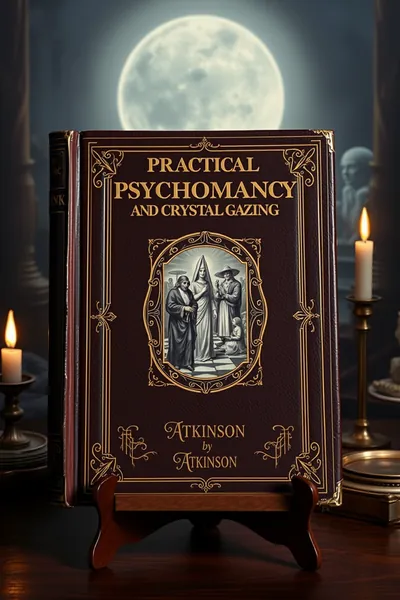
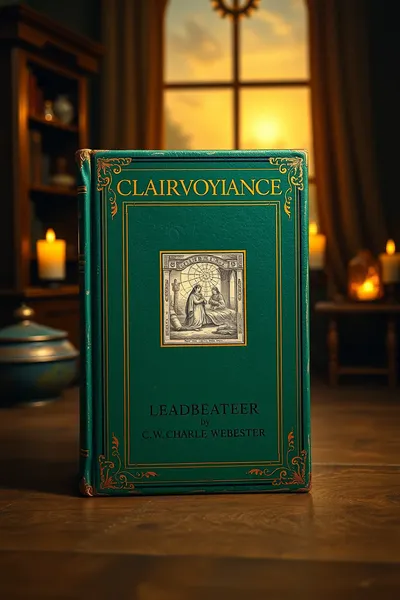
Beginners seeking an introduction to clairvoyance should start with accessible overviews. William Walker Atkinson's 'Practical Psychomancy and Crystal Gazing' provides a direct, hands-on approach to developing psychic abilities, including clear seeing. C.W. Leadbeater's 'Clairvoyance' offers a foundational text, explaining the nature and practice of this faculty within a broader occult context. Gelett Burgess's 'The Heart Line: A Drama of San Francisco' presents a fictionalized yet illustrative exploration of psychic perception, making abstract concepts relatable through narrative.
Intermediate Reading
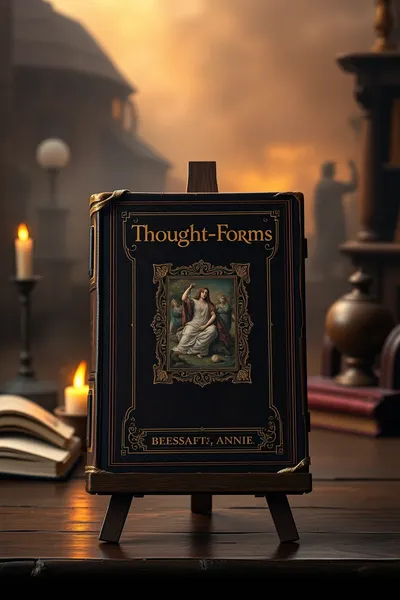
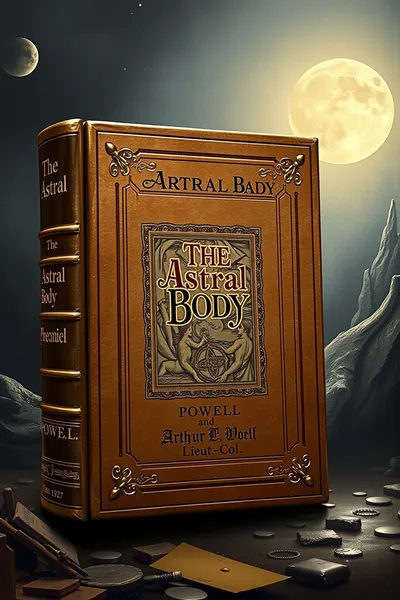
For those ready to delve deeper, Annie Besant's 'Thought-Forms' offers a unique perspective, visually illustrating the connection between thoughts and their manifestation, which can be perceived clairvoyantly. 'The Astral World—Higher Occult Powers' by Joel Tiffany explains clairvoyance alongside other occult phenomena, providing a more comprehensive understanding of the astral plane. Arthur E. Powell's 'The Astral Body and other astral phenomena' (1927) further explores the nature of consciousness and perception beyond the physical body, crucial for intermediate students.
Classical / Advanced Texts
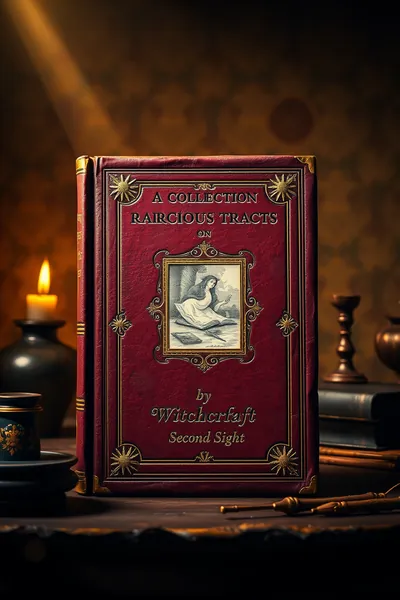
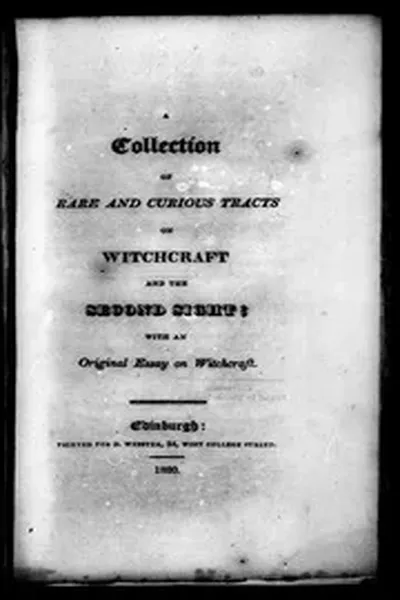
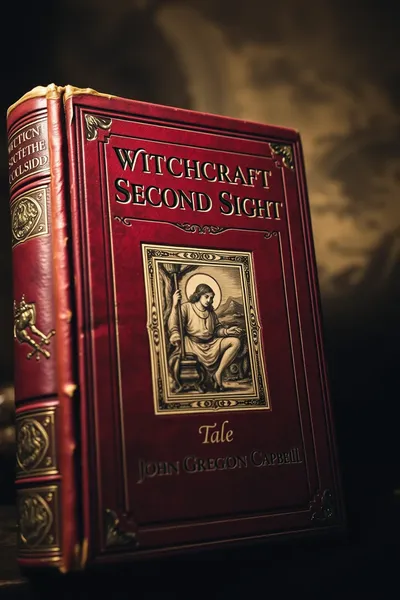
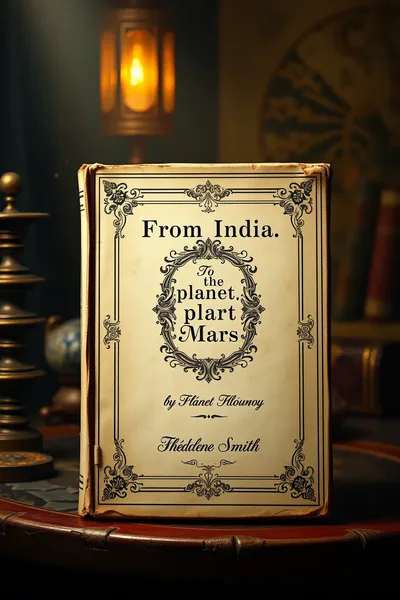
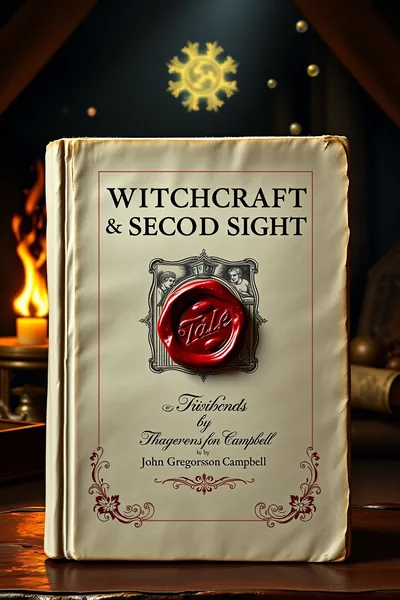
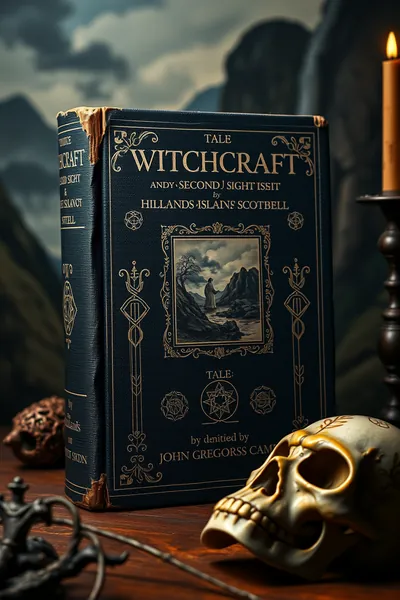
Advanced students will find value in primary sources and detailed investigations. 'Clairvoyance and Occult Powers' by William Walker Atkinson compiles extensive information on psychic abilities, serving as a comprehensive reference. John Gregorson Campbell's 'Witchcraft & Second Sight in the Highlands & Islands of Scotland' offers a collection of rare, orally transmitted traditions concerning second sight, providing a rich historical and cultural perspective. Théodore Flournoy's 'From India to the planet Mars' is a detailed case study of somnambulism and glossolalia, presenting a scientific yet open-minded examination of extraordinary psychic states.
Reading Order — Step by Step
Begin your journey with foundational texts. Weeks 1-4: Start with C.W. Leadbeater's 'Clairvoyance' and William Walker Atkinson's 'Practical Psychomancy and Crystal Gazing' to grasp basic principles and exercises. Month 2: Progress to Annie Besant's 'Thought-Forms' and Joel Tiffany's 'The Astral World—Higher Occult Powers' for a broader understanding of psychic phenomena and the astral plane. Month 3+: Explore Arthur E. Powell's 'The Astral Body' and historical accounts like John Gregorson Campbell's 'Witchcraft & Second Sight' for deeper context and advanced concepts.
Frequently Asked Questions
Which clairvoyance book should I read first?
For a foundational understanding, start with C.W. Leadbeater's 'Clairvoyance'. It provides a clear introduction to the concept and its practice within an esoteric framework, setting the stage for further study.
Are there practical exercises for developing clairvoyance?
Yes, William Walker Atkinson's 'Practical Psychomancy and Crystal Gazing' offers direct exercises and techniques aimed at developing clairvoyant abilities and other psychic powers.
How does clairvoyance relate to scientific inquiry?
Historically, clairvoyance has been explored through case studies like Théodore Flournoy's 'From India to the planet Mars' and documented in government research, as suggested by CIA Reading Room documents, though it remains outside mainstream scientific acceptance.
What is the difference between clairvoyance and psychic intuition?
While related, clairvoyance specifically refers to 'clear seeing' – receiving visual impressions or visions. Psychic intuition is a broader term for intuitive knowing or gut feelings, which may or may not involve visual imagery.
Can I learn about historical accounts of clairvoyance?
John Gregorson Campbell's 'Witchcraft & Second Sight in the Highlands & Islands of Scotland' provides a rich collection of traditional tales and observations on second sight, offering a historical perspective.
What are 'thought-forms' in the context of clairvoyance?
'Thought-forms,' as described by Annie Besant, are visualized energetic patterns created by thoughts and emotions. Clairvoyants may perceive these forms, understanding their nature and origin.
Are there fictional works that explore clairvoyance?
Gelett Burgess's 'The Heart Line: A Drama of San Francisco' uses a narrative format to explore themes related to psychic perception and clairvoyance, making the concepts more accessible.