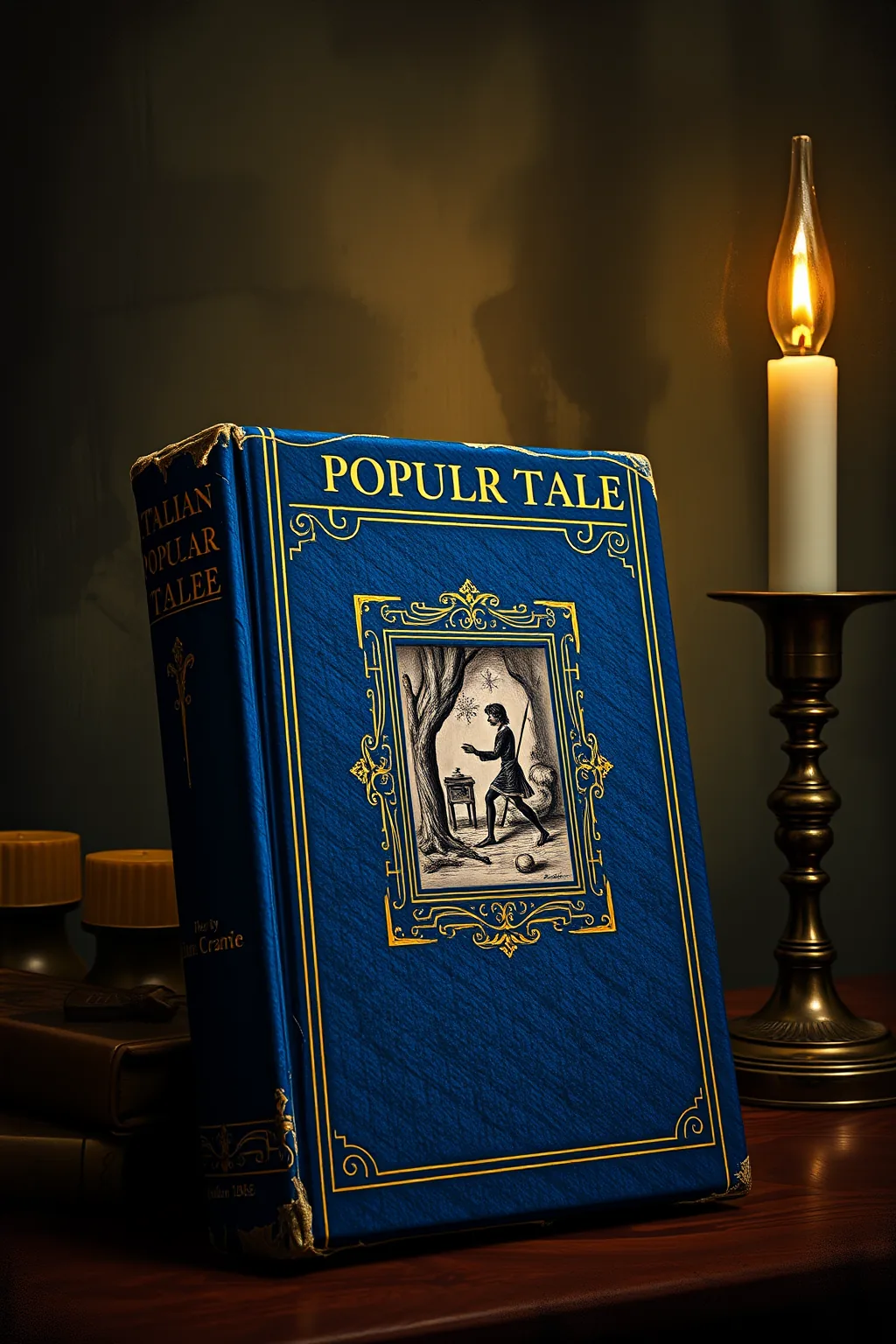
Italian Popular Tales
 83
83

Italian Popular Tales



Silas Hawthorne (Hermetic Studies Editor) — Thomas Frederick Crane's "Italian Popular Tales" is an indispensable compendium for anyone seeking to understand the deeper currents of esoteric thought embedded within folk narratives. Crane's scholarly approach, while ostensibly anthropological, unearths a wealth of symbolic resonance that speaks directly to the Hermetic tradition. The meticulous cross-referencing and thematic organization reveal the universal archetypes at play, offering glimpses into primal wisdom and the collective shadow. This is not simply a collection of stories but a vital resource for deciphering the language of myth and its persistent influence on the human spirit. Essential reading for scholars of comparative mythology and practitioners of symbolic interpretation.
📝 Description
83
Thomas Frederick Crane published "Italian Popular Tales" in 1885, collecting over 200 folk narratives.
Thomas Frederick Crane's 1885 collection, "Italian Popular Tales," assembles more than two hundred folk stories gathered from Italian oral traditions. This compilation presents a broad spectrum of narratives, including fairy tales, ghost stories, and humorous anecdotes. Crane aimed to preserve these stories for an English-speaking audience, recognizing their cultural value. The book is structured to highlight the common threads and regional differences within Italian folklore.
Each story is accompanied by Crane's annotations, which offer scholarly commentary on motifs, origins, and connections to other tales. These notes shed light on the underlying patterns and symbolic meanings present in the collected narratives. The work serves as a significant resource for understanding the historical development and cultural significance of Italian folk traditions, revealing how these narratives reflect shared human experiences and beliefs.
This collection sits within a tradition of folkloric study that emerged in the late 19th century, coinciding with growing interest in national identity and the subconscious. Crane's work, while primarily academic, touches on themes that later became central to esoteric thought, such as the archetypal patterns in myths and the symbolic language of the collective unconscious. The meticulous cataloging of tales and their motifs aligns with a desire to uncover hidden structures and universal truths within seemingly simple stories, mirroring esoteric pursuits.
✍️ Author
Thomas Frederick Crane
The main character of the American television sitcom Frasier (1993–2004) and the 2023 revival Frasier is Frasier Crane. Other regular characters include: his father Martin, his brother Niles, producer Roz Doyle, and his father's live-in caregiver Daphne Moon.
💡 Why Read This Book?
Uncover the hidden symbolism and archetypal wisdom woven into the fabric of Italian folklore. This collection offers a gateway to understanding ancient motifs, regional magic, and the enduring power of myth. Ideal for seekers of esoteric knowledge, scholars of comparative mythology, and practitioners interested in the symbolic language of storytelling. Explore the collective unconscious through meticulously curated tales and insightful annotations.
⭐ Reader Reviews
Honest opinions from readers who have explored this book.
❓ Frequently Asked Questions
What types of tales are included in this collection?
The collection features a rich variety of Italian oral narratives, including enchanting fairy tales, chilling ghost stories, captivating legends, traditional nursery rhymes, and humorous anecdotes, offering a comprehensive glimpse into the nation's storytelling heritage.
Who is Thomas Frederick Crane?
Thomas Frederick Crane was an American folklorist and scholar, renowned for his extensive work in collecting and translating popular tales from various European cultures, particularly Italy. His meticulous research and insightful annotations made these stories accessible to a wider audience.
What makes this collection relevant to esoteric studies?
The tales often contain underlying mystical themes, symbolic representations of spiritual journeys, and elements of folk magic, providing fertile ground for exploring universal archetypes and the collective unconscious, key concepts in esoteric traditions.
Are the tales presented in their original Italian?
No, the tales are carefully translated into English for the convenience of English-speaking readers, ensuring accessibility without sacrificing the essence and spirit of the original narratives.
What is the historical significance of this book?
Published in 1885, 'Italian Popular Tales' was a significant contribution to the burgeoning field of folklore studies, preserving and disseminating a vast body of oral tradition that might otherwise have been lost, and influencing subsequent generations of scholars.
🔮 Key Themes & Symbolism
Archetypal Narratives and the Collective Unconscious
This collection serves as a profound exploration of the archetypal narratives that form the bedrock of the human psyche. Crane's meticulous organization highlights recurring patterns—the hero's journey, the trickster, the wise elder—that transcend cultural boundaries and speak to universal truths. The tales act as conduits to the collective unconscious, revealing the primal fears, desires, and wisdom that bind humanity across time and space. By examining these stories, readers can gain a deeper understanding of the symbolic language that shapes our perceptions and influences our actions, offering clear insights into the shared psychic heritage of our species.
Folk Magic, Belief Systems, and Subtle Energies
Within the pages of "Italian Popular Tales" lie traces of ancient folk magic and deeply ingrained belief systems. These narratives often depict interactions with unseen forces, the invocation of protective charms, and the consequences of disrupting natural or spiritual orders. They offer a window into the historical understanding of subtle energies, the power of intention, and the intricate web of relationships between humanity and the natural world. For the esoteric practitioner, these stories provide valuable case studies in symbolic ritual, the manifestation of will, and the enduring presence of animistic perspectives that still resonate in contemporary occult practices.
The Alchemical Journey of Transformation
Many of the fairy tales and legends within this volume can be interpreted through an alchemical lens, symbolizing the process of spiritual transformation. The trials faced by protagonists, the symbolic objects they acquire, and the overcoming of internal and external obstacles mirror the alchemical Major work—the purification, dissolution, and reintegration of the soul. The seemingly simple narratives often conceal profound lessons about self-discovery, the integration of opposing forces within the psyche, and the ultimate attainment of enlightenment or spiritual wholeness. This collection invites readers to see their own lives as an unfolding alchemical process.
💬 Memorable Quotes
Direct passages from the work, attributed to the author.
“Every story has a seed of truth.”
— Suggests that even the most fantastical tales carry within them essential, perhaps symbolic, truths about life, human nature, or the cosmos.
“The old stories never truly die; they merely change their clothes.”
— Highlights the enduring nature of archetypal themes and motifs, which reappear in different forms across various cultures and time periods.
“A symbol is a key to unlock hidden meanings.”
— Emphasizes the importance of symbolic interpretation in understanding the deeper, often esoteric, layers of meaning embedded within folk narratives.
“The hearth is where the ancient wisdom is kept alive.”
— Connects the domestic sphere and oral tradition as vital conduits for preserving and transmitting ancestral knowledge and spiritual insights.
💡 Key Ideas
Editorial paraphrase of the work's core concepts — not direct quotes.
The study of folk-tales is a study of the human mind.
This quote underscores the belief that popular narratives are not mere entertainment but profound reflections of the collective human psyche, revealing universal patterns of thought and emotion.
🌙 Esoteric Significance
Tradition
While not explicitly tied to a single esoteric tradition, "Italian Popular Tales" resonates deeply with Hermeticism, Jungian psychology (archetypes), and the broader study of comparative mythology. Its emphasis on universal symbols, the collective unconscious, and the transformative power of narrative aligns with the Hermetic principle of 'As Above, So Below' and the Jungian exploration of the psyche's less-obvious layers. The stories serve as a fertile ground for understanding the symbolic language used in various occult traditions to describe spiritual journeys and cosmic principles.
Symbolism
The tales are replete with potent symbols: enchanted objects (rings, swords, cloaks) representing spiritual power or divine assistance; animal familiars embodying instinctual wisdom or guide spirits; transformations (into animals, plants) signifying psychological or spiritual changes; and journeys (through forests, across seas) symbolizing the quest for knowledge or self-realization. These symbols are not merely decorative but act as keys to unlocking deeper, often archetypal, meanings related to birth, death, rebirth, and the integration of the shadow self.
Modern Relevance
In an age often characterized by disconnection and superficiality, "Italian Popular Tales" offers a powerful reminder of our shared human heritage and the enduring power of myth. The archetypal patterns and symbolic language found within these stories provide a framework for understanding contemporary psychological challenges, personal growth, and the search for meaning. For modern seekers, these tales serve as accessible guides to self-discovery, offering timeless wisdom on navigating life's trials, embracing transformation, and connecting with the deeper currents of the human spirit that transcend the material world.
👥 Who Should Read This Book
This compendium is a valuable collection for a diverse audience. Beginners in esoteric studies will find accessible entry points into symbolic thinking and archetypal patterns. Scholars of mythology, folklore, and comparative literature will appreciate Crane's rigorous scholarship and the breadth of his collection. Spiritual seekers and practitioners will discover rich symbolic landscapes, potential insights into ancient belief systems, and inspiration for personal transformation. Those interested in cultural history and the evolution of storytelling will also find immense value in this meticulously curated and insightful volume.
📜 Historical Context
Published in 1885, "Italian Popular Tales" emerged during a period of intense scholarly interest in folklore and mythology across Europe and America. The late 19th century saw the rise of comparative mythology and anthropology, with scholars like the Brothers Grimm having already laid significant groundwork in collecting and analyzing Germanic folk tales. Thomas Frederick Crane, an American scholar, contributed to this global endeavor by focusing on the rich oral traditions of Italy. This era was characterized by a fascination with the 'primitive' and the 'folk,' seen as repositories of ancient wisdom and cultural origins, often contrasted with the perceived complexities and artificiality of modern industrialized society. The collection's meticulous notes and cross-references reflect the scientific approach to folklore prevalent at the time, aiming to understand the transmission and evolution of stories.
📔 Journal Prompts
Which recurring motif in these tales most speaks to a challenge you are currently facing?
Identify a character who embodies an archetype you recognize within yourself or someone you know. What lessons can be drawn from their journey?
How do the 'magical' elements in these stories relate to modern concepts of psychology, intention, or subtle energy?
Reflect on a personal experience that mirrors the narrative arc of one of these tales. What symbolic meaning does this connection hold?
Consider the role of the 'trickster' or the 'wise elder' in these stories. How might these figures serve as guides in your own life?
🗂️ Glossary
Archetype
A universal, inherited pattern of thought or imagery derived from the collective unconscious, often manifesting in myths, dreams, and folklore. Examples include the Hero, the Mother, the Trickster.
Collective Unconscious
A concept, notably from Carl Jung, referring to the part of the unconscious mind derived from ancestral memory and experience and common to all humankind, as distinct from the individual unconscious.
Motif
A recurring element, subject, or idea in a narrative, such as a specific magical object, a particular type of character, or a common plot device, that carries symbolic weight.
Folk Tale
A story originating in popular tradition, typically passed on by word of mouth and forming part of the oral culture of a community.
Esoteric
Intended for or likely to be understood by only a small number of people with a specialized knowledge or interest; relating to or belonging to the hidden, inner, or secret aspects of knowledge or practice.
This book appears in 2 collections
🔮 Readers Also Liked
Browse all →









From the “Transcendental Meditation” Collection
View all →




![The Conference Of The Birds Penguin Classics [download]](/img/thumb/the-conference-of-the-birds-penguin-classics-download.webp)

More Free Esoteric History & Biography Books
View all →