The Book of Were-Wolves
 71
71

The Book of Were-Wolves



Marcus Thorne (Esoteric Sciences Reviewer) — A foundational text in the study of lycanthropy, Baring-Gould's "The Book of Were-Wolves" remains remarkably insightful. It masterfully blends folklore, history, and early psychological inquiry, offering a compelling examination of how the werewolf archetype has permeated European consciousness. The meticulous research and engaging narrative illuminate the psychological and societal underpinnings of such persistent legends. This book is essential for scholars of folklore, occult history, and anyone fascinated by the enduring power of primal archetypes and their manifestation in human belief systems. Its depth of inquiry into the 'why' behind the myth is its greatest strength.
📝 Description
71
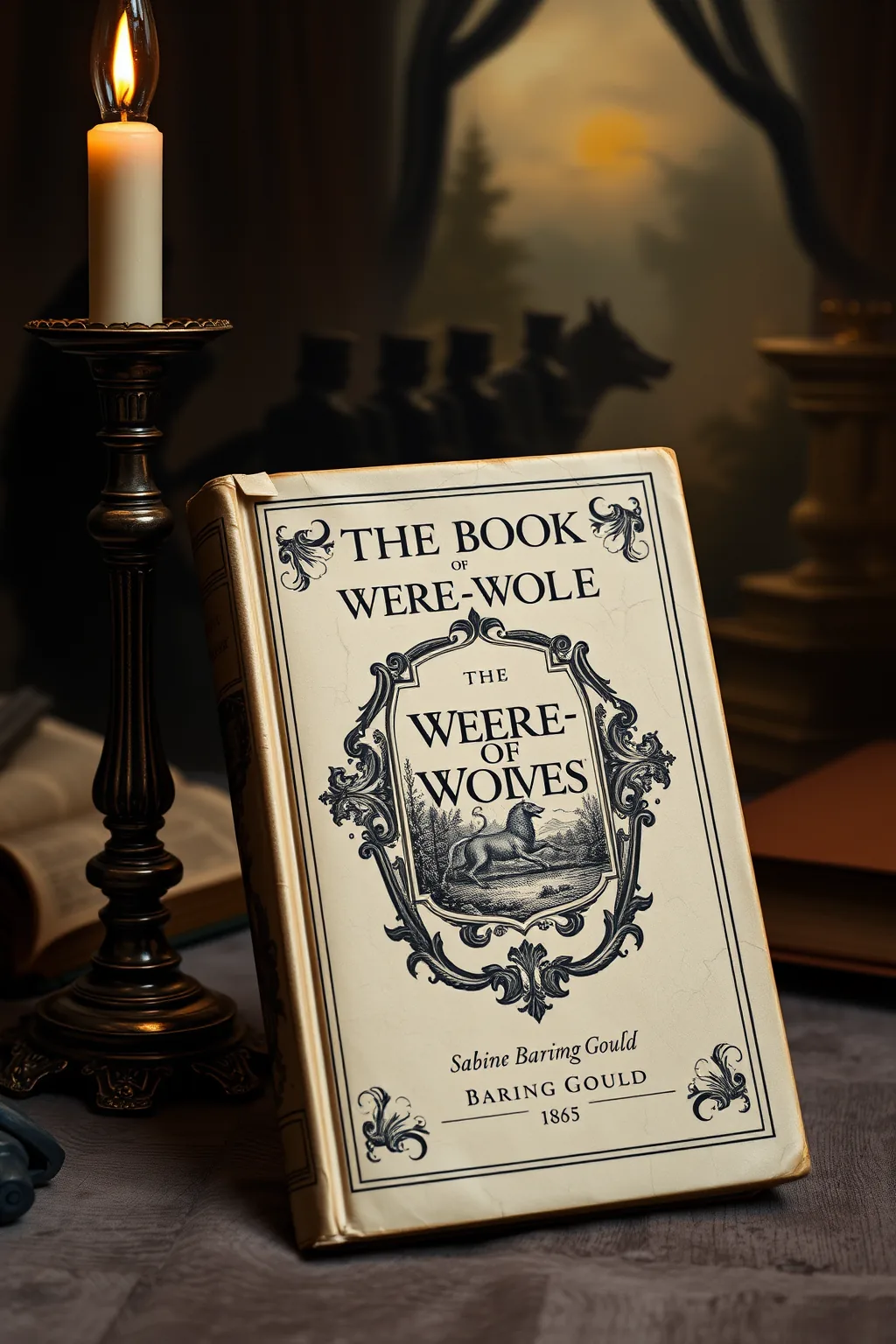
Sabine Baring-Gould published 'The Book of Were-Wolves' in 1865.
Sabine Baring-Gould's 1865 book examines the folklore surrounding were-wolves. It moves beyond simple stories to investigate the history and psychology of lycanthropy. Baring-Gould collected ancient legends, historical accounts, and considered the psychological underpinnings of the man-beast myth. He sought to identify the fears and anxieties that led to these beliefs.
The book follows the werewolf myth through forgotten villages and ancient landscapes. It presents the transformation as a symbol of wildness and inner turmoil. Readers will find an exploration of primal fears and how myths shape human understanding. The work encourages contemplation of both external dangers and the complexities of the human mind.
Published in 1865, Baring-Gould's work engages with a tradition of collecting and analyzing folklore that often touched upon the uncanny and the supernatural. While not strictly occult, his study of werewolf legends touches upon belief systems that blur the lines between the natural and the unnatural. This approach aligns with a broader Victorian interest in the hidden histories and subconscious currents of human belief, often found in antiquarian studies and early anthropological inquiries into myth and superstition.
✍️ Author
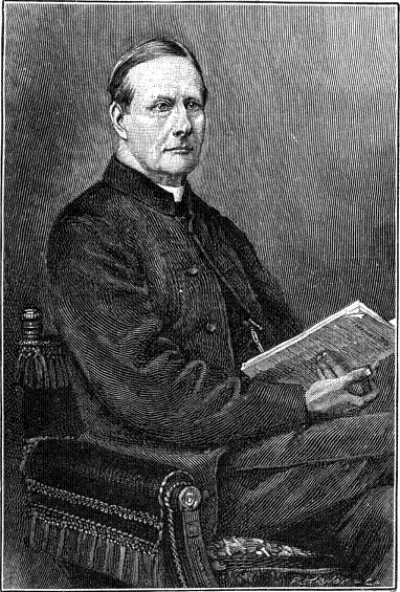
Sabine Baring Gould
Sabine Baring-Gould (; 28 January 1834 – 2 January 1924) of Lew Trenchard in Devon, England, was an Anglican priest, hagiographer, antiquarian, novelist, folk song collector and eclectic scholar. He is remembered particularly as a writer of hymns, the best-known being "Onward, Christian Soldiers", and "Now the Day Is Over".
💡 Why Read This Book?
Uncover the ancient roots of the werewolf myth, exploring its deep connections to human psychology, societal fears, and primal instincts. This book is ideal for seekers of esoteric knowledge, folklore enthusiasts, and scholars of comparative mythology. It offers a unique lens through which to view the enduring power of archetypes and the shadowy corners of the human imagination, providing rich insights into historical beliefs and their potential symbolic meanings.
⭐ Reader Reviews
Honest opinions from readers who have explored this book.
❓ Frequently Asked Questions
What is the primary focus of 'The Book of Were-Wolves'?
The book is a comprehensive study of lycanthropy, examining its origins in folklore, historical accounts, and potential psychological and criminal explanations across Europe.
When was 'The Book of Were-Wolves' first published?
It was first published in 1865, making it one of the earliest serious academic investigations into the phenomenon of werewolf legends.
What kind of evidence does Baring-Gould use?
Baring-Gould draws upon a wide range of sources, including ancient myths, medieval chronicles, legal records of alleged transformations, and folk tales from various European regions.
Is this book suitable for beginners interested in occult topics?
Yes, while scholarly, its engaging narrative and focus on compelling stories make it accessible to beginners interested in folklore, mythology, and the history of supernatural beliefs.
Does the book offer a single definitive explanation for werewolf legends?
No, Baring-Gould presents multiple theories and perspectives, acknowledging the complexity of the phenomenon and encouraging the reader to draw their own conclusions.
🔮 Key Themes & Symbolism
The Primal Shadow and the Beast Within
This theme explores the enduring fascination with the human capacity for savagery and transformation. Baring-Gould explores how the werewolf legend serves as a potent symbol for the untamed, instinctual aspects of human nature, often suppressed by societal norms. It examines the archetypal fear of losing control, the eruption of primal urges, and the blurred line between civilization and the wild, suggesting that the werewolf embodies the 'shadow self' that humanity has long wrestled with in its folklore and mythology.
Folklore as Collective Unconscious Manifestation
The book investigates how persistent myths like lycanthropy might represent deep-seated psychological patterns or collective anxieties shared across cultures. Baring-Gould scrutinizes the common threads in werewolf tales from disparate European regions, proposing that these stories are not mere fiction but traces of shared human experiences, fears, and perhaps even historical events reinterpreted through a mythical lens. This theme highlights folklore's role in externalizing and processing universal human concerns.
The Interplay of Belief, Psychology, and Persecution
This theme examines the historical instances where belief in werewolves led to actual persecution and criminal accusations. Baring-Gould presents case studies that illustrate how societal hysteria, misinterpretation of mental illness, and the desire to explain the inexplicable could result in tragic accusations of lycanthropy. It explores the dangerous intersection of folklore, psychological phenomena (such as delusion or psychosis), and the social mechanisms of fear and scapegoating.
💬 Memorable Quotes
Direct passages from the work, attributed to the author.
“Men believe what they are taught.”
— Highlights the power of cultural transmission and indoctrination in shaping beliefs, suggesting that werewolf legends become ingrained through societal acceptance.
“The demon lurks in the human heart.”
— Points to the internal struggle against sin and darker impulses, implying that the capacity for monstrous acts resides within humanity itself.
“The woods hold secrets older than man.”
— Evokes the ancient, mysterious power of nature and the wild, suggesting that primal forces predate human understanding and can influence human behavior.
“Madness wears a thousand faces.”
— Suggests the diverse and often misunderstood nature of mental affliction, hinting that some werewolf accusations may have stemmed from genuine psychological distress.
💡 Key Ideas
Editorial paraphrase of the work's core concepts — not direct quotes.
The wolf is the devil's familiar.
This quote expresses the medieval Christian view of the wolf as a demonic entity, linking the animal to supernatural evil and heresy.
🌙 Esoteric Significance
Tradition
While not strictly a grimoire or ritualistic text, "The Book of Were-Wolves" speaks to the Western esoteric tradition's interest in archetypes, symbolic transformations, and the exploration of the 'shadow' aspects of the psyche. It aligns with hermetic principles concerning the microcosm reflecting the macrocosm, and the idea that primal energies manifest in both the natural world and the human soul. Its investigation into the werewolf myth touches upon themes of shapeshifting, primal instincts, and the liminal spaces between human and animal, concepts explored in various occult systems.
Symbolism
The werewolf is a potent symbol of the untamed id, the primal beast lurking beneath the veneer of civilization. It represents the fear of losing control, the eruption of animalistic rage, and the transgression of natural boundaries. In an esoteric context, it can symbolize the uncontrolled primal energy within an individual or collective, the destructive potential of unchecked instinct, or the shamanic journey into the animalistic realm. The transformation itself can be seen as a metaphor for profound, often terrifying, personal change or the manifestation of hidden, darker aspects of one's being.
Modern Relevance
In contemporary esoteric thought, "The Book of Were-Wolves" remains relevant for its exploration of primal psychology and archetypes. It speaks to modern understandings of the 'shadow self,' the impact of societal pressures on individual psyche, and the enduring power of myth to articulate deep-seated human fears and desires. For practitioners, it offers a rich source of symbolic material for introspection and understanding the wilder, instinctual forces that can be integrated or transmuted, and for scholars, it provides a foundational text for understanding the historical and psychological roots of one of humanity's most persistent and evocative legends.
👥 Who Should Read This Book
This important work is essential for folklorists and scholars of comparative mythology seeking to understand the origins and evolution of werewolf legends. Esoteric practitioners and students of occult history will find it useful for its exploration of primal archetypes, the shadow self, and the psychology of belief. Seekers of hidden knowledge and those fascinated by the darker aspects of human consciousness and folklore will be captivated by Baring-Gould's meticulous research and evocative prose. Beginners to occult studies will appreciate its accessible yet thorough examination of a pervasive and powerful myth.
📜 Historical Context
Published in 1865, "The Book of Were-Wolves" emerged during a period of intense scholarly interest in folklore, mythology, and anthropology. The Victorian era saw a burgeoning desire to understand the 'primitive' and the roots of cultural practices. Baring-Gould, a prolific folklorist and antiquarian, contributed significantly to this movement. The book reflects a growing trend of moving beyond purely theological or supernatural explanations to explore the psychological, social, and historical underpinnings of myths and legends. It stands as a bridge between older, more superstitious views and the nascent fields of comparative mythology and psychology, attempting a rational yet deeply empathetic analysis of enduring tales of transformation.
📔 Journal Prompts
Reflect on the 'wolf' within your own psyche. What primal instincts do you recognize, and how do you manage them?
Consider a time when societal fear or misunderstanding led to the demonization of an individual or group. How does this relate to historical werewolf accusations?
Explore the symbolism of transformation in your own life. What 'beasts' have you had to confront or integrate?
How do modern media portrayals of werewolves differ from or echo the ancient legends discussed in the book?
What does the enduring power of the werewolf myth reveal about fundamental human anxieties and desires?
🗂️ Glossary
Lycanthropy
The condition or practice of assuming the form of a wolf, either by supernatural means, witchcraft, or mental delusion. It is the central theme of the book.
Folklore
The traditional beliefs, customs, and stories of a community, passed through the generations by word of mouth, including myths, legends, and fairy tales.
Archetype
A recurring symbol, character type, or motif in literature and mythology that represents universal human experiences or patterns of thought.
Primal Instincts
Basic, innate drives and behaviors inherent to a species, such as survival, aggression, and reproduction, often seen as more potent in the context of the werewolf myth.
Hysteria
An exaggerated or uncontrollable emotion or excitement, especially among a group of people. Often implicated in historical accounts of mass belief in supernatural phenomena.
This book appears in 1 collection
🔮 Readers Also Liked
Browse all →









More by Sabine Baring Gould
All books →

From the “Transcendental Meditation” Collection
View all →








More Free Esoteric History & Biography Books
View all →