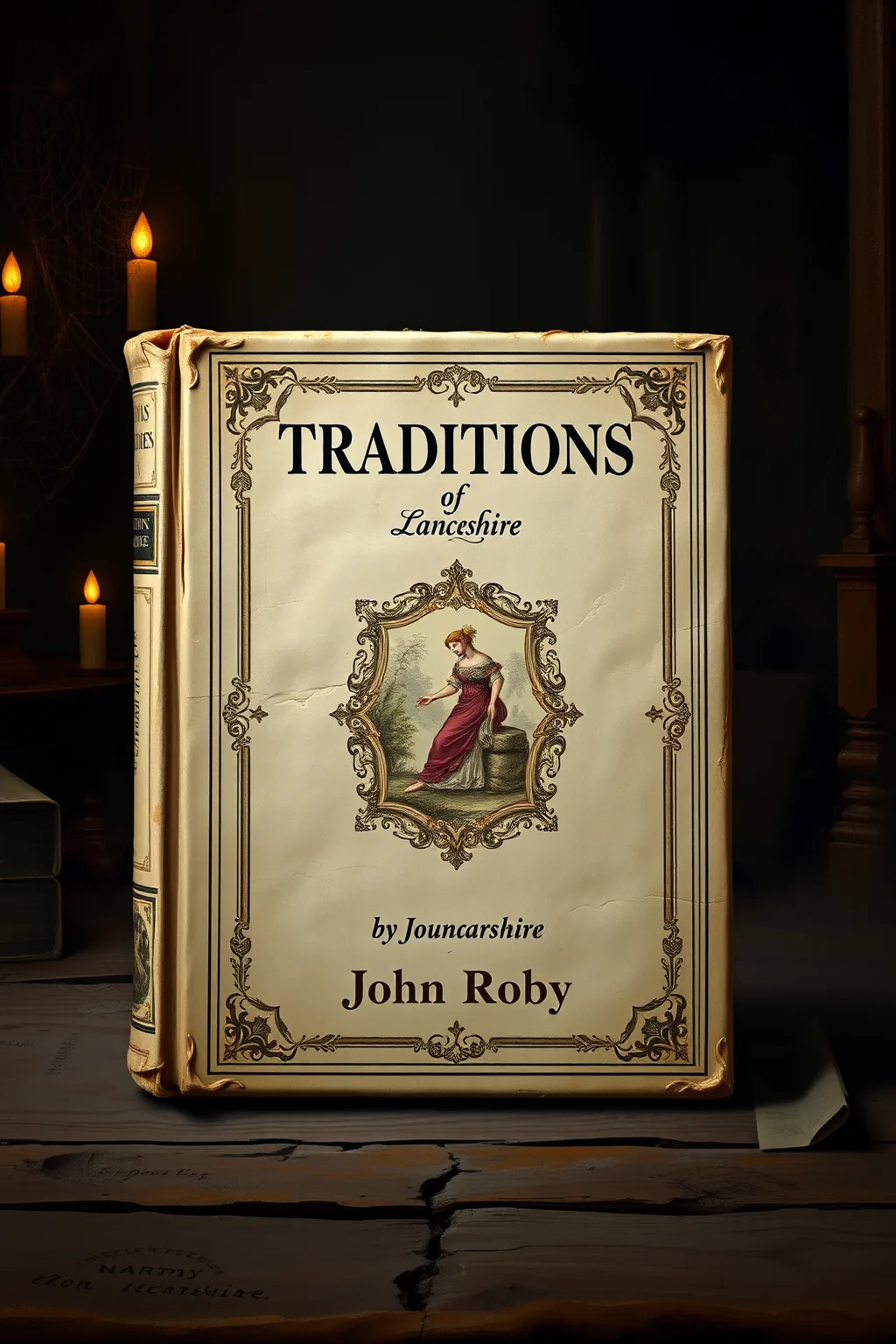
Traditions of Lancashire
 80
80

Traditions of Lancashire


Evander Ashcroft (Alchemy & Hermeticism Editor) — 'Traditions of Lancashire' is a treasure trove for the discerning scholar of Western esotericism. John Roby's meticulous work, born from a deep respect for oral history, offers invaluable insights into pre-industrial folk magic, local deity worship, and the pervasive influence of pre-Christian beliefs. The accounts of witchcraft, spectral phenomena, and the symbolic resonance of rural life provide a rich substratum for understanding the vernacular spiritual landscape. Its strength lies in its raw, unadulterated preservation of traditions on the cusp of oblivion. Recommended for historians of magic, folklorists, and practitioners seeking to connect with the deep roots of English occultism.
📝 Description
80
John Roby published 'Traditions of Lancashire' in 1829, collecting local lore before industrialization altered the region.
Published in two volumes in 1829, John Roby's 'Traditions of Lancashire' records the folklore and beliefs of the English county. Roby, an antiquarian, compiled accounts of local spectral visitations, folk enchantments tied to plants and animals, and the symbolic meanings found in place names and family histories. His intent was to document oral traditions that were fading as the Industrial Revolution began to change the landscape and traditional ways of life.
The book captures the atmosphere of a region steeped in history and myth. It presents a view of Lancashire where the boundaries between the ordinary and the supernatural were perceived as porous. Roby gathered these stories as a way of preserving the cultural memory of the area. The work appeals to those interested in the deep roots of folklore and the enduring influence of myth on human experience.
Roby's collection aligns with 19th-century antiquarian interests in preserving folk customs and beliefs, often seen through a lens that valued the pre-industrial past. This was a period where scholars and enthusiasts began to document what they perceived as older, often mystical, layers of culture before they disappeared. The focus on local legends, spectral phenomena, and the symbolic meaning embedded in the land reflects a broader European Romantic and antiquarian movement that sought the 'spirit' of place and people, often connecting it to ancient, sometimes pagan, roots.
✍️ Author
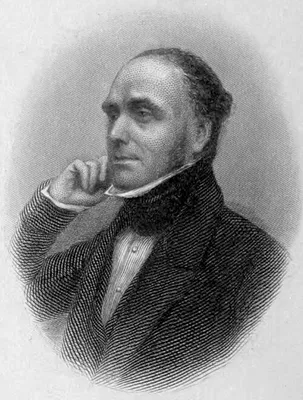
John Roby
John Roby (5 January 1793 – 18 June 1850) was an English banker, poet, and writer..
💡 Why Read This Book?
Unlock the echoes of ancient magic and forgotten wisdom embedded in the Lancashire landscape. 'Traditions of Lancashire' offers a rare glimpse into the heart of English folk esotericism, preserving spectral lore, witch-craft, and symbolic rural customs. Ideal for seekers of hidden knowledge, folklorists, and practitioners interested in the roots of Western occult traditions.
⭐ Reader Reviews
Honest opinions from readers who have explored this book.
❓ Frequently Asked Questions
What makes 'Traditions of Lancashire' an esoteric text?
The book delves into local legends, ghost stories, witch-lore, and ancient customs, revealing the hidden spiritual beliefs and symbolic meanings prevalent in Lancashire, often reflecting pre-Christian and animistic worldviews that form a cornerstone of esoteric thought.
Who was John Roby and what was his purpose?
John Roby was an antiquarian and writer dedicated to preserving the oral traditions and local histories of Lancashire. His primary aim was to document these stories before they were lost to industrialization and societal change, acting as a vital archivist of folk consciousness.
What types of stories can I expect to find?
Readers will encounter a rich variety of tales including chilling ghost stories, accounts of alleged witchcraft and folk remedies, intriguing explanations of place-names, and descriptions of time-honored rural customs and the lives of old families.
Is this book suitable for beginners in esoteric studies?
Yes, while rich in detail, the narrative style makes it accessible. It provides a foundational understanding of vernacular esotericism and folklore, serving as an excellent entry point for those curious about the mystical underpinnings of English culture.
How does this book relate to broader occult traditions?
It offers a localized, grounded perspective on universal themes found in occultism, such as the power of place, ancestral spirits, nature magic, and the enduring human fascination with the supernatural and the hidden forces of the universe.
🔮 Key Themes & Symbolism
Spectral Echoes and Haunting Narratives
The 'Traditions of Lancashire' is permeated with spectral echoes, combining a collection of ghost stories and tales of the uncanny that haunt the moors and valleys. These narratives are not mere entertainment; they are windows into the collective unconscious, reflecting deep-seated fears, unresolved historical traumas, and the enduring human fascination with the afterlife. Roby captures the atmospheric dread and lingering presence of spirits, offering insights into how communities historically understood and interacted with the spectral realm, often imbuing specific locations with potent, otherworldly significance.
The Art of Witch-Lore and Folk Enchantment
Beyond the spectral, Roby meticulously documents the 'witch-lore' of Lancashire, looking at the practices, beliefs, and societal perceptions surrounding folk magic and enchantment. This theme explores the subtle arts of healing, protection, and influence that were woven into the fabric of daily life. It reveals a complex understanding of natural energies, herbal remedies, and the perceived ability of certain individuals to harness these forces. The accounts shed light on the symbolic language of folk magic and its role in maintaining order, warding off misfortune, and connecting with the primal energies of the earth.
Place-Names as Ley Lines of History and Meaning
A particularly esoteric aspect of Roby's work lies in his exploration of Lancashire's place-names. Each appellation is treated not just as a label, but as a repository of ancient history, mythological significance, and linguistic magic. Roby suggests that these names are like 'ley lines' of meaning, pointing to forgotten deities, historical events, or significant natural phenomena. By deciphering their etymology, he uncovers layers of meaning that connect the physical landscape to the spiritual and cultural heritage of its inhabitants, demonstrating how the land itself holds mnemonic power.
💬 Memorable Quotes
Direct passages from the work, attributed to the author.
“The moorland wind whispers secrets of old.”
— This evocative phrase captures the essence of oral tradition and the enduring, almost sentient spirit of the landscape, suggesting that nature itself holds ancient knowledge.
“Ghosts walk where memory sleeps.”
— A poetic assertion of the connection between the spectral realm and the unremembered past, implying that lingering spirits are manifestations of forgotten histories.
“Each stone has a story, each stream a song.”
— Highlights the animistic belief that the natural world is imbued with consciousness and narrative, and that understanding these elements reveals deeper truths.
“Where industry's shadow falls, tradition fades.”
— A poignant lament for the loss of ancient ways, emphasizing the fragility of folk heritage in the face of modernization and societal change.
“The witch's herb holds more than simple cure.”
— Suggests that folk remedies and herbalism possess a deeper, perhaps magical or symbolic, efficacy beyond their physical properties, hinting at esoteric knowledge.
🌙 Esoteric Significance
Tradition
This work deeply aligns with the tradition of Vernacular Esotericism and Folk Magic, focusing on the localized manifestation of spiritual beliefs and practices that existed outside of formal occult orders. It illuminates the 'low magic' of everyday life, the animistic worldview, and the enduring influence of pre-Christian spiritual currents embedded in the landscape and oral history of a specific region.
Symbolism
The symbolism in 'Traditions of Lancashire' is rich and many-sided, often rooted in nature and the cycles of life and death. Place-names can symbolize ancient deities or geological formations, while spectral phenomena represent unresolved past events or spiritual connections. Witchcraft practices often involve symbolic gestures, herbal correspondences, and the invocation of natural forces, all acting as a symbolic language for interacting with unseen energies and influencing outcomes.
Modern Relevance
In an age increasingly disconnected from nature and ancient wisdom, 'Traditions of Lancashire' offers a vital connection to our roots. It reminds us of the profound spiritual significance embedded in the land, the enduring power of storytelling, and the subtle magic that can be found in everyday life. For modern seekers, it provides a tangible link to historical occult practices and a source of inspiration for rediscovering animistic perspectives and the symbolic language of the natural world.
👥 Who Should Read This Book
This collection is essential for folklorists and historians of Western esotericism seeking primary source material on English folk magic and belief systems. Spiritual seekers and practitioners interested in nature-based spirituality, animism, and the symbolic language of the land will find profound inspiration. Beginners in occult studies can gain a grounded understanding of vernacular traditions. Academics exploring cultural anthropology and the impact of industrialization on folklore will find invaluable insights. Ultimately, anyone yearning to connect with the mystical undercurrents of the British Isles will be captivated.
📜 Historical Context
Published in 1829, 'Traditions of Lancashire' emerged during a central period in British history. The Industrial Revolution was rapidly transforming the nation, displacing rural communities and eroding centuries-old folkways. John Roby's work can be seen as a direct response to this cultural upheaval, a fervent attempt to capture and preserve the ephemeral essence of a rapidly vanishing world. This era also saw a burgeoning interest in antiquarianism and Romanticism, fostering a romanticized view of the past and a fascination with folklore, myths, and the mystical. The collection reflects this sentiment, treating local legends not as mere superstitions but as vital fragments of a collective ancestral memory, deserving of scholarly attention and preservation.
📔 Journal Prompts
Reflect on a local place in your area that seems to hold 'memories' or 'stories'. What might they be?
How might the 'witch's herb' from the text relate to modern herbalism and its perceived efficacy?
Consider a personal experience with the uncanny or a ghost story that has been passed down. What is its symbolic meaning for you?
If place-names are 'ley lines of history', what might the name of your hometown or a significant local landmark reveal?
How has industrialization or modernization in your own life impacted the 'traditions' or 'old ways' you grew up with?
🗂️ Glossary
Moorlands
Expansive, open, and often elevated tracts of uncultivated land, typically characterized by heath, peat, and sparse vegetation, historically associated with folklore and secluded communities.
Antiquarian
An individual who studies or collects historical objects, documents, or artifacts, often with a focus on preserving and understanding the past.
Lore
A body of traditions, beliefs, and knowledge passed down through generations, often orally, encompassing folklore, myths, legends, and customs.
Spectral
Relating to or resembling a ghost; phantom-like. In this context, referring to apparitions, hauntings, and the presence of spirits.
Witch-lore
The body of beliefs, stories, and practices associated with witchcraft, often encompassing folk magic, herbalism, and perceived supernatural abilities in historical communities.
This book appears in 2 collections
🔮 Readers Also Liked
Browse all →









From the “Transcendental Meditation” Collection
View all →





More Free Esoteric History & Biography Books
View all →