Who Is Talking Out of My Head? - Grief as an Out of Body Experience
 74
74

Who Is Talking Out of My Head? - Grief as an Out of Body Experience
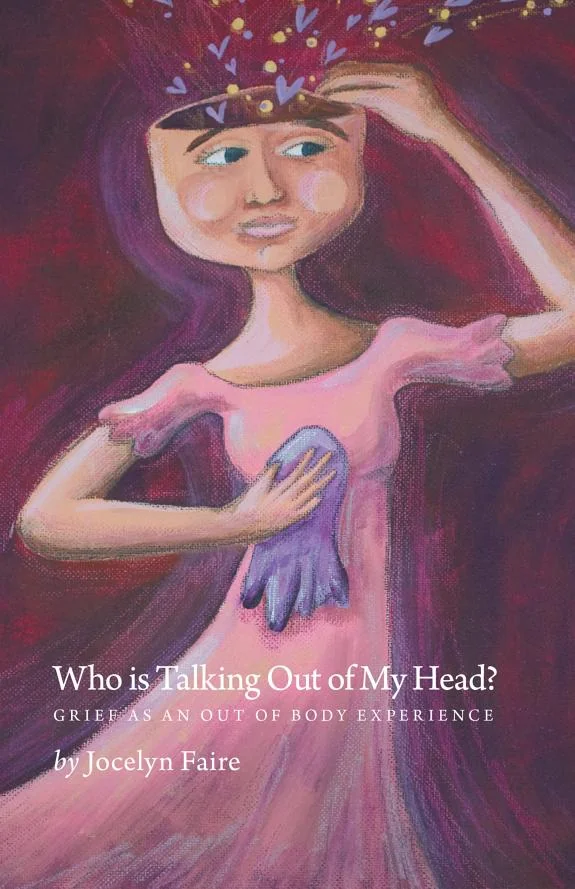
Jocelyn Faire’s "Who Is Talking Out of My Head?" presents a raw, unflinching account of grief that transcends typical memoir fare. Its strength lies in its brave articulation of the disorienting, dissociative quality of profound loss, framing it as an "out of body experience." This metaphysical lens offers a novel perspective for those feeling adrift in their sorrow. Faire’s willingness to share journal entries from the immediate aftermath is particularly potent, capturing a state of shock that feels both intensely personal and universally recognizable to anyone who has faced immense tragedy. However, the book occasionally leans into a spiritual interpretation that, while central to Faire’s healing, might not immediately connect with readers seeking purely psychological frameworks. The exploration of the "shattered self" is compelling, but a more detailed examination of the specific tools or practices that facilitated her reconstruction, beyond journaling and hope, would have further anchored the narrative. Ultimately, Faire offers a vital, if intensely personal, testament to surviving the unsurvivable by reframing consciousness itself.
📝 Description
74
Jocelyn Faire's 2013 memoir details grief as an out-of-body phenomenon.
Following the tragic accident that claimed her children, Jocelyn Faire wrote "Who Is Talking Out of My Head?" to chronicle her experience of grief. She describes this profound loss not just as emotional pain, but as a disorienting state that felt akin to an out-of-body experience. The book uses entries from her personal journals to show the raw aftermath and the path toward finding sustained hope.
This book is intended for those experiencing deep bereavement, providing a reflection of their own altered feelings and a potential way to understand their state of consciousness. It also aims to assist friends, family, therapists, and spiritual counselors in offering comfort that goes beyond conventional phrases. Anyone wishing to grasp grief beyond its common emotional definitions will find value here.
Published in 2013, Faire's account touches upon themes explored in consciousness studies and esoteric thought. While not strictly academic, it resonates with explorations of altered states of consciousness and profound psychological shifts, similar to concepts discussed by researchers like Stanislav Grof. Faire's personal narrative grounds these ideas in a visceral, lived experience, offering a counterpoint to more clinical or theoretical examinations of trauma and the self.
💡 Why Read This Book?
• Gain a unique perspective on the disorienting nature of grief, understanding it as a potential "out of body experience" rather than solely emotional turmoil, as detailed in the book's opening chapters. • Discover how the author reconstructs her sense of self and reality after profound trauma, offering insights into the "shattered self" concept explored throughout the narrative. • Learn how to offer more meaningful support to those grieving by understanding the profound psychic shifts they may be undergoing, as illustrated by Faire's journey.
⭐ Reader Reviews
Honest opinions from readers who have explored this book.
❓ Frequently Asked Questions
What does Jocelyn Faire mean by grief as an 'out of body experience'?
Faire uses this phrase to describe the disorienting, dissociative state that can accompany profound loss, where one feels detached from their body, their familiar reality, and even their sense of self, as if observing life from an external vantage point.
How does the book use journal entries?
The book incorporates excerpts from Faire's personal journals to provide an immediate, unvarnished glimpse into her raw emotional and psychological state following the tragic accident, grounding the narrative in authentic, real-time experience.
Who is the intended audience for 'Who Is Talking Out of My Head?'
The book is intended for those experiencing deep grief and for individuals who wish to offer more effective and meaningful support to the bereaved, moving beyond conventional comforting methods.
What is the 'shattered self' concept in the book?
The 'shattered self' refers to the fragmentation of identity and personal reality that can occur after a traumatic event, where the individual's previous sense of who they are and how the world works is irrevocably broken.
When was 'Who Is Talking Out of My Head?' first published?
The book was first published in May 2013.
Does the book offer practical advice for grief counseling?
While not a clinical guide, the book offers practical understanding by allowing readers to witness Faire's journey, providing insights into the profound internal shifts grief can cause and how to approach supporting someone through them.
🔮 Key Themes & Symbolism
Grief as Altered Consciousness
The central theme posits that profound grief can induce states akin to an out-of-body experience, detaching the individual from their physical reality and usual sense of self. Faire documents how the shock of her children's death fractured her perception, leading to a surreal, almost dreamlike existence. This perspective reframes the disassociation and existential disorientation common in bereavement not as pathology, but as a natural, albeit terrifying, manifestation of extreme trauma, challenging conventional psychological understandings of mourning.
The Shattered Self and Reconstruction
Faire explores the concept of the 'shattered self,' detailing how a catastrophic loss can break down an individual's identity, worldview, and sense of continuity. The book chronicles the arduous process of gathering these fragments and beginning to rebuild a new self and a new reality. This reconstruction is not about returning to the past but about integrating the experience of loss into a transformed present, fostering an 'ongoing hope' that acknowledges sorrow without being consumed by it.
Meaningful Comfort and Witnessing
The work is directed towards both the bereaved and those who support them. Faire emphasizes the inadequacy of platitudes and offers insight into what truly constitutes meaningful comfort: bearing witness to the profound psychic shifts and offering presence rather than solutions. By sharing her internal landscape, she provides a guide for companions, enabling them to approach grief with greater empathy and understanding of its dislocating power.
The Enduring Nature of Connection
While focusing on the experience of living with loss, the book implicitly touches upon the enduring bonds that transcend physical separation. Faire’s journey toward hope suggests a continued connection to her children, not in a corporeal sense, but through memory, love, and the integration of their presence into her ongoing life. This theme speaks to the spiritual resilience of the human spirit in the face of ultimate separation.
💬 Memorable Quotes
Direct passages from the work, attributed to the author.
“The phone call arrived, and in that instant, my world fractured.”
— This statement expresses the sudden, catastrophic nature of the event that initiates the author's journey. It signifies a point of no return, where reality is irrevocably altered, setting the stage for the profound psychic dislocation described in the book.
“Grief felt less like sadness and more like I was floating outside myself.”
— This expresses the core concept of grief as an out-of-body experience. It highlights the dissociative aspect of profound loss, where the individual feels detached from their physical form and immediate reality, a key theme explored throughout the narrative.
“How do you comfort someone when the very ground beneath them has vanished?”
— This question directly addresses the challenge of supporting the grieving, emphasizing the inadequacy of conventional comfort. It underscores the book's aim to provide a deeper understanding of the profound disorientation experienced by those in deep mourning.
“I had to learn to live with a shattered self.”
— This phrase captures the essence of the post-traumatic identity reconstruction process. It acknowledges the fundamental alteration of selfhood following loss and the difficult journey of integrating that experience into a new way of being.
“Hope became not the absence of pain, but the possibility of continued life.”
— This interpretation of hope moves beyond simple optimism. It defines hope as the capacity to endure and find meaning even amidst ongoing sorrow, representing a mature and integrated approach to living with loss.
🌙 Esoteric Significance
Tradition
While not strictly aligned with a single established esoteric lineage like Kabbalah or Hermeticism, Faire's work appeals to traditions that explore consciousness, altered states, and the nature of the soul. It shares common ground with Gnostic ideas of world-weariness and the soul's detachment from material reality, and touches upon concepts found in Near-Death Experience (NDE) literature regarding out-of-body phenomena. The book departs from traditional grief models by framing the experience as a fundamental shift in consciousness, aligning with modern transpersonal psychology and existential philosophy.
Symbolism
The primary symbolic motif is the "out of body experience" itself, representing a profound detachment from the physical world and the ego-self due to overwhelming trauma. The "shattered self" symbolizes the fragmentation of identity and reality, akin to a broken mirror reflecting a distorted world. The "ongoing hope" functions as a symbol of resilience and the enduring spirit, not as a return to wholeness, but as the capacity to integrate loss and continue living with transformed consciousness.
Modern Relevance
Faire's work speaks directly to contemporary interest in consciousness studies, trauma-informed care, and non-ordinary states of awareness. Thinkers and practitioners in fields like psychedelic-assisted therapy, somatic experiencing, and transpersonal psychology may find resonance in her description of psychic dislocation. Her personal narrative offers a relatable entry point for individuals exploring existential questions around death, loss, and the nature of reality, making it relevant for modern spiritual seekers and those in therapeutic professions looking beyond conventional frameworks.
👥 Who Should Read This Book
• Individuals experiencing profound grief who feel disconnected from their reality and sense of self, seeking validation and a new framework for understanding their disorienting experience. • Friends, family members, therapists, or spiritual counselors seeking to offer more empathetic and effective support to the bereaved, gaining insight into the psychic and existential dimensions of loss. • Readers interested in the intersection of trauma, consciousness, and spirituality, particularly those exploring altered states of awareness and the reconstruction of identity after catastrophic life events.
📜 Historical Context
Published in 2013, Jocelyn Faire's "Who Is Talking Out of My Head?" arrived during a period when the psychological and spiritual dimensions of trauma were increasingly explored, though often separately. While academic psychology was grappling with PTSD, and esoteric circles discussed altered states of consciousness, Faire’s work uniquely bridges these realms through intensely personal narrative. It appeared after the rise of self-help literature and memoirs focusing on overcoming adversity, yet distinguished itself by framing grief through a metaphysical lens—as an out-of-body experience. This perspective offers a counterpoint to more clinical approaches, such as those found in the work of Elisabeth Kübler-Ross, whose stages of grief had become widely adopted, by emphasizing the disorienting, reality-altering nature of profound loss. The book’s reception likely resonated with readers who felt their own grief experiences defied conventional categorization, finding validation in Faire’s metaphysical interpretation of psychic disintegration and reconstruction.
📔 Journal Prompts
The 'out of body experience' of grief: Describe sensations of detachment.
Reconstructing the 'shattered self': What fragments feel most difficult to reassemble?
Moments of 'ongoing hope': Identify small instances that sustain you.
The nature of comfort: What presence, rather than words, has felt most meaningful?
Reflecting on connection: How do memories of loved ones manifest in your altered reality?
🗂️ Glossary
Out of Body Experience (OBE)
A phenomenon where an individual feels their consciousness has separated from their physical body, perceiving themselves and their surroundings from a vantage point outside their physical form. Faire uses this metaphorically for profound grief.
Shattered Self
A concept describing the fragmentation of one's identity, worldview, and sense of reality following a traumatic event. It signifies the breakdown of the pre-trauma self.
Psychic Dislocation
A state of profound mental and emotional disorientation resulting from trauma, where one feels fundamentally disconnected from their usual sense of self and the external world.
Ongoing Hope
A form of hope that coexists with grief and pain, representing the resilient capacity to continue living and finding meaning despite profound loss, rather than an expectation of complete recovery.
Meaningful Comfort
Support offered to the grieving that acknowledges the depth of their experience and psychic shifts, prioritizing presence and witnessing over platitudes or attempts to 'fix' the pain.
Witnessing
The act of being present with another's suffering without judgment or the need to intervene, offering validation and acknowledgment of their experience.
Altered Consciousness
A state of mind that deviates from normal waking consciousness, which can be induced by various factors including trauma, meditation, or spiritual experiences. Faire relates grief to such states.
This book appears in 1 collection
🔮 Readers Also Liked
Browse all →





From the “Out-of-Body Experience” Collection
View all →







More Free Esoteric History & Biography Books
View all →