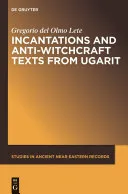
Incantations and Anti-Witchcraft Texts from Ugarit
 75
75

Incantations and Anti-Witchcraft Texts from Ugarit
Gregorio del Olmo Lete's "Incantations and Anti-Witchcraft Texts from Ugarit" offers a much-needed consolidation of disparate textual evidence. By treating Ugaritic and Akkadian magical texts from Ras Shamra as a single evidentiary field, the book corrects a historical over-specialization in scholarship. The meticulous collation of these often-fragmentary incantations, particularly those concerning snakebite and witchcraft, provides a robust basis for understanding practical magic. A significant strength is the contextualization of these spells within the broader Mesopotamian magical tradition, illuminating shared anxieties and coping mechanisms. However, the work's scholarly density may present a barrier to entry for those not already conversant with Ugaritic philology and Akkadian cuneiform. The detailed linguistic analysis, while invaluable for specialists, occasionally overshadows the broader ritualistic or anthropological implications. Nevertheless, the compilation and comparative approach are commendable. The book effectively demonstrates how these ancient utterances functioned as vital tools for navigating perceived threats, solidifying its place as an essential reference for students of ancient Near Eastern magic.
📝 Description
75
Gregorio del Olmo Lete's 2008 compilation presents Ugaritic incantations and anti-witchcraft texts from Ras Shamra.
This volume gathers incantation and anti-witchcraft texts from ancient Ugarit, drawing from both Ugaritic and Akkadian sources found at Ras Shamra. The focus is on ritual and literary materials that address immediate dangers, such as snakebites and sorcery. It serves as a reference for those interested in the practical magic and belief systems of this Bronze Age Near Eastern civilization.
The work is intended for academics specializing in Ugaritic language, Near Eastern archaeology, and ancient religion. Students of comparative magic, ancient medicine, and the history of witchcraft beliefs will also find it useful. The texts are placed within the context of Mesopotamian and Levantine magical traditions, noting the influence of Akkadian language and practices. The author argues for an integrated study of Ugaritic and Akkadian materials, rather than their separation.
This book engages with the practical application of magical formulas and spoken word within the Late Bronze Age city of Ugarit. It examines spells aimed at warding off tangible threats like venomous creatures and malevolent magic. The texts reveal a worldview where ritualistic utterances were believed to directly influence events and protect individuals from unseen forces. This aligns with broader ancient Near Eastern traditions where magic was an integral part of daily life and religious practice.
💡 Why Read This Book?
• Understand the practical application of ancient magic by examining specific Ugaritic incantations against snakebites, as detailed in the text, revealing how ritual acted as a direct countermeasure to immediate peril. • Gain insight into the comparative study of ancient Near Eastern magic by exploring the integration of Ugaritic and Akkadian ritual texts from Ras Shamra, a methodology crucial for deciphering shared magical beliefs. • Appreciate the historical context of the Late Bronze Age (c. 1400-1200 BCE) through the lens of common fears like witchcraft, as documented in these texts, offering a tangible connection to the anxieties of that era.
⭐ Reader Reviews
Honest opinions from readers who have explored this book.
❓ Frequently Asked Questions
What are the primary types of threats addressed in the Ugaritic incantations?
The primary threats addressed are impending dangers such as snakebites, which were a significant concern in the ancient Near East, and attacks attributed to witchcraft or malevolent sorcery.
Why is it important to study both Ugaritic and Akkadian texts together?
Studying both Ugaritic and Akkadian texts together provides a more comprehensive understanding of the magical and ritual landscape of the era. Akkadian texts often serve as a crucial frame of reference for interpreting the Ugaritic material.
What archaeological site are these texts from?
These incantation and anti-witchcraft texts originate from the ancient city of Ugarit, specifically from the archaeological site of Ras Shamra on the Syrian coast.
What is the historical period of these Ugaritic texts?
The texts primarily date to the Late Bronze Age, with many originating from the period between approximately 1400 and 1200 BCE, when Ugarit was a major urban center.
Who is the author of this study?
The author is Gregorio del Olmo Lete, a noted scholar in the field of Ugaritic studies and ancient Near Eastern languages and literature.
What does the term 'anti-witchcraft' refer to in this context?
In this context, 'anti-witchcraft' refers to spells, rituals, and incantations specifically designed to protect individuals or communities from perceived harm caused by sorcery, curses, or the malevolent actions of witches.
🔮 Key Themes & Symbolism
Protection Against Sorcery
The texts meticulously document the ancient Ugaritians' strategies for combating perceived witchcraft. This theme is central, revealing a deep-seated cultural anxiety regarding malevolent magic and the ritualistic countermeasures developed to neutralize its effects. The work explores the specific linguistic formulas and symbolic actions believed to ward off curses and hostile magical influences, illustrating a practical approach to spiritual defense in the ancient world.
Coping with Venomous Threats
A significant portion of the corpus addresses the immediate danger posed by venomous creatures, particularly snakes. This theme highlights the vulnerability of ancient populations to natural hazards and the role of ritual incantations in managing fear and seeking protection. The book analyzes how these spells functioned not merely as symbolic gestures but as perceived direct interventions against potentially lethal threats, reflecting a blend of practical knowledge and magical belief.
Integration of Linguistic Traditions
This work emphasizes the importance of viewing Ugaritic and Akkadian magical texts as a unified body of evidence. The theme underscores the interconnectedness of scholarly and ritualistic practices across the ancient Near East. By examining both consonantal Ugaritic and syllabic Akkadian traditions from Ras Shamra, the book demonstrates how different linguistic forms served common magical purposes, enriching our understanding of cultural exchange.
The Power of the Spoken Word
Central to these texts is the belief in the efficacy of spoken incantations. This theme explores how the precise recitation of specific phrases was considered capable of altering reality, averting danger, and restoring order. The book examines the performative aspect of these rituals, where the uttered word held inherent power to protect against witchcraft and snakebites, functioning as a critical tool in the ancient Ugaritian worldview.
💬 Memorable Quotes
Direct passages from the work, attributed to the author.
“The aim of this work is to offer a comprehensive study of the consonantal (Ugaritic) as well as the syllabic (Akkadian) incantation and anti-witchcraft texts from Ras Shamra as a unified corpus.”
— This statement directly articulates the book's core methodological innovation: treating disparate linguistic sources from the same site as a single, cohesive collection for analysis.
“Ugaritic literary and ritual studies have often neglected or even ignored the Akkadian material from the same archives...”
— This critique highlights a common pitfall in scholarly research – the artificial separation of related evidence – which the author seeks to rectify by integrating Akkadian texts with Ugaritic ones.
“Ancient spells served as practical tools against immediate threats like venomous creatures and sorcery.”
— This interpretation distills the functional essence of the studied texts, presenting them not as abstract religious ideas but as active instruments for survival and well-being in the ancient world.
💡 Key Ideas
Editorial paraphrase of the work's core concepts — not direct quotes.
These texts, dealing with impending dangers (mainly snakebites) and witchcraft attacks, are placed in the context of An...
This passage indicates the book's focus on specific, tangible threats faced by the ancient Ugaritians and suggests an effort to situate these magical practices within their broader cultural and cosmological framework.
The integration of Akkadian and Ugaritic texts from Ras Shamra enables a fuller grasp of the magical practices.
This paraphrased concept emphasizes the synergistic benefit of the book's approach, suggesting that combining different textual traditions unlocks deeper insights than studying them in isolation.
🌙 Esoteric Significance
Tradition
While not directly aligned with a specific Western esoteric lineage like Hermeticism or Kabbalah, this work is foundational for understanding the roots of magical practice that influenced later traditions. It provides primary source material for the study of ancient Near Eastern shamanism and folk magic, demonstrating ritualistic systems that predate and potentially inform later esoteric developments in the Mediterranean and Levantine regions.
Symbolism
Key symbols include serpentine imagery, directly linked to the potent threat of snakebites and their magical counter-incantations. The concept of *ki-šad-du* (witchcraft) itself functions as a potent symbolic representation of unseen, malevolent forces that disrupt cosmic and personal order. The act of utterance and ritual performance are also symbolic, representing humanity's active engagement with the divine and supernatural to maintain balance.
Modern Relevance
Contemporary practitioners of reconstructed ancient Near Eastern magic and scholars of comparative religion find direct utility in this work. Its detailed analysis of incantatory formulas and anti-witchcraft rituals informs modern approaches to sympathetic magic and protective practices. Thinkers exploring shamanic traditions and the psychology of ritual efficacy may also draw upon its insights into ancient belief systems.
👥 Who Should Read This Book
• Scholars of Ancient Near Eastern Studies: Researchers focusing on Ugaritic language, religion, and archaeology will find this an indispensable primary source and analytical tool. • Students of Comparative Magic and Ritual: Individuals interested in the historical development of magical practices and belief systems across different cultures will benefit from the comparative approach. • Practitioners of Ritual Magic: Those seeking to understand the historical underpinnings of protective spells and counter-sorcery techniques can glean authentic ancient methods and conceptual frameworks.
📜 Historical Context
The compilation draws from texts unearthed at Ras Shamra, the ancient site of Ugarit, a thriving metropolis and trading hub during the Late Bronze Age, flourishing particularly between c. 1400 and 1200 BCE. This period saw extensive cultural exchange across the Eastern Mediterranean and Near East. Scholarly approaches to Ugaritic studies, until relatively recently, often treated its indigenous literature and the extensive Akkadian administrative and literary archives separately. This work directly confronts that tendency, arguing for the unified study of Ugaritic and Akkadian magical texts found within the same archaeological context. While specific reception events like major reviews or bans are not prominently detailed for this particular compilation, the intellectual climate emphasized philological precision. Contemporaries like Cyrus Gordon, an early pioneer in Ugaritic studies, focused on decipherment and linguistic connections, while others like Jean Bottéro studied Mesopotamian divination and omen texts, representing a broader scholarly interest in ancient Near Eastern religious practices that this book significantly enriches by focusing on practical magic.
📔 Journal Prompts
The function of incantations against snakebites in ancient Ugarit.
Analyzing the concept of *ki-šad-du* (witchcraft) in the Ras Shamra texts.
Comparing Ugaritic and Akkadian ritualistic approaches to common threats.
Reflecting on the power attributed to spoken words in ancient magical practices.
The role of ritual in mitigating anxieties about the supernatural in the Late Bronze Age.
🗂️ Glossary
Ugaritic
Refers to the language and culture of the ancient city of Ugarit, located in modern Syria. The language is written in a distinctive cuneiform script.
Akkadian
A Semitic language spoken in ancient Mesopotamia, written in cuneiform script. It was the lingua franca for much of the ancient Near East during the Bronze Age.
Ras Shamra
The archaeological site on the Syrian coast where the ancient city of Ugarit was discovered, yielding significant textual and material evidence.
Incantation
A spoken charm or spell, often recited as part of a ritual, believed to have magical power.
Anti-witchcraft Texts
Texts containing spells, rituals, or formulae intended to protect against or counteract the effects of sorcery and malevolent magic.
Consonantal Script
A writing system that primarily represents consonants, with vowels often implied or omitted, characteristic of the Ugaritic alphabet.
Syllabic Script
A writing system where each symbol represents a syllable (a combination of consonant and vowel), as used in Akkadian cuneiform.