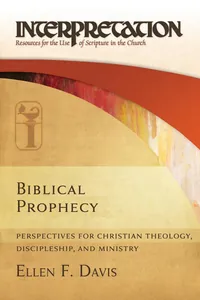
Valentinus de gnosticus en zijn Evangelie der waarheid

 82
82

Valentinus de gnosticus en zijn Evangelie der waarheid
Gilles Quispel’s "Valentinus de Gnosticus en zijn Evangelie der waarheid" offers a meticulous, if occasionally dense, reconstruction of Valentinian Gnosticism. Quispel masterfully unpacks the intricate cosmology attributed to Valentinus, a 2nd-century CE theologian whose influence on early Christian heterodoxy remains profound. A significant strength lies in Quispel's careful analysis of the "Gospel of Truth," treating it not merely as a text but as a window into a sophisticated theological system. However, the book’s academic rigor sometimes overshadows accessibility; readers unfamiliar with Gnostic terminology may find sections challenging. Quispel’s assertion regarding the direct authorship of the "Gospel of Truth" by Valentinus himself, while a key argument, might be debated by some scholars. Ultimately, this work serves as an indispensable, albeit demanding, resource for anyone serious about understanding the intellectual landscape of early Gnosticism.
📝 Description
82
Gilles Quispel's 2003 study examines the Gnostic teacher Valentinus and his Gospel of Truth.
This scholarly work by Gilles Quispel analyzes the Gnostic teacher Valentinus and his influential text, the Gospel of Truth. Published in 2003, the book investigates the philosophical and theological foundations of Valentinian Gnosticism. Quispel reconstructs the teachings of this important figure in early Christianity, scrutinizing his interpretations of Christ's message and the nature of reality. The text seeks to clarify the complex doctrines that distinguished Gnosticism from developing orthodox Christianity.
The book is aimed at serious students of Gnosticism, early Christian history, and comparative religion. It presumes a basic familiarity with ancient religious thought. Academics, researchers, and dedicated practitioners looking for a thorough grasp of Valentinus's specific contributions will find it most useful. Those interested in the historical progression of esoteric traditions and the philosophical arguments of the second century CE will gain considerable insight. This is not an introductory volume for the casual reader, but a resource for advanced study.
Valentinus, active in Rome around the mid-2nd century CE, represented a significant intellectual current within early Christianity. His teachings, particularly as reflected in the "Gospel of Truth," presented a complex cosmology and soteriology that challenged emerging orthodox doctrines. This era was marked by intense theological debate, with later figures like Irenaeus of Lyons attempting to refute Gnostic systems. Quispel's research situates Valentinus within this dynamic intellectual milieu, emphasizing the philosophical sophistication of Gnostic thought during a critical juncture in religious history.
💡 Why Read This Book?
• Gain a nuanced understanding of Valentinus's unique cosmology, including the concept of the Pleroma, which provides a framework for understanding emanations from the divine source. • Explore the "Gospel of Truth," a foundational Gnostic text, and learn how its interpretation of salvation through gnosis contrasts with orthodox Christian soteriology. • Appreciate the historical context of 2nd-century CE theological debates, understanding how Valentinian thought positioned itself against emerging Christian orthodoxy.
⭐ Reader Reviews
Honest opinions from readers who have explored this book.
❓ Frequently Asked Questions
Who was Valentinus and when was he active?
Valentinus was a highly influential Gnostic teacher and theologian who flourished around the mid-2nd century CE. He is considered one of the most significant figures in Valentinian Gnosticism, a major branch of early Gnostic thought.
What is the "Gospel of Truth"?
The "Gospel of Truth" is a Gnostic text discovered at Nag Hammadi in 1945. It is often attributed to the followers of Valentinus and presents a core Gnostic message of salvation through knowledge (gnosis).
What is the Pleroma in Gnosticism?
The Pleroma refers to the divine realm or fullness, the totality of the spiritual powers and emanations originating directly from the unknowable God in Gnostic cosmology.
What is Gnosis?
Gnosis, in the Gnostic context, signifies a special, intuitive, and direct knowledge of the divine that leads to salvation and liberation from the material world.
What was the relationship between Gnosticism and early Christianity?
Gnosticism represented a diverse set of religious movements that shared certain ideas with Christianity but offered distinct interpretations of Christ, salvation, and the nature of reality, leading to significant theological conflict with emerging orthodox Christianity.
Where was Valentinus based?
Valentinus was primarily active in Rome during the mid-2nd century CE, where he established a significant school of Gnostic thought.
🔮 Key Themes & Symbolism
Valentinian Cosmology
This theme focuses on the intricate system of emanations described by Valentinus, originating from the supreme, unknowable God. It details the Pleroma, the divine realm, and the role of Aeons within it. The work examines how the fall of Sophia, a divine being, initiates the creation of the imperfect material world, setting the stage for the Gnostic drama of redemption and the search for lost spiritual knowledge.
The "Gospel of Truth"
Central to the book is an analysis of the "Gospel of Truth," a key text from the Nag Hammadi library. Quispel interprets this gospel as a primary articulation of Valentinian teachings, emphasizing salvation through gnosis. It reveals a Christ figure who awakens humanity to its divine origin, contrasting sharply with the orthodox Christian emphasis on faith and atonement through sacrifice.
Gnosis and Salvation
The pursuit of gnosis, or direct spiritual knowledge, is presented as the means of liberation from the material cosmos, which Gnostics viewed as flawed or evil. This theme explores how Valentinus and his followers believed that acquiring this hidden knowledge allowed individuals to reconnect with their divine essence and escape the cycle of reincarnation or ignorance.
Gnosticism vs. Orthodoxy
The work situates Valentinian Gnosticism within the broader context of early Christianity, highlighting its distinctiveness from the doctrines that would eventually become orthodox. It examines the philosophical and theological divergences, particularly concerning the nature of God, creation, and the human condition, which led to significant conflict between Gnostic and proto-orthodox factions in the 2nd century.
💬 Memorable Quotes
Direct passages from the work, attributed to the author.
“The "Gospel of Truth" reveals the error of ignorance as the root of suffering.”
— This interpretation points to the core Gnostic idea that material existence and suffering stem from a lack of spiritual awareness, and that salvation comes through enlightenment.
“Sophia's desire led to the creation of the imperfect material world.”
— This captures a key narrative element in Valentinian mythology: the unintended consequence of a divine being's yearning, resulting in the flawed reality inhabited by humans.
“Gnosis is the key to returning to the Pleroma.”
— This concisely states the Gnostic salvific goal – achieving direct spiritual knowledge (gnosis) as the means to ascend back to the divine fullness (Pleroma).
“Valentinianism offered a complex alternative to nascent Christian orthodoxy.”
— This highlights the historical significance of Valentinus's teachings as a major intellectual and theological force within early Christianity, presenting a distinct path to salvation.
💡 Key Ideas
Editorial paraphrase of the work's core concepts — not direct quotes.
Valentinus sought to understand the divine through a system of emanations.
This paraphrased concept highlights Quispel's focus on Valentinus's philosophical approach, viewing his teachings not as mere myth but as a structured attempt to conceptualize the relationship between the ultimate God and creation.
🌙 Esoteric Significance
Tradition
This work is deeply rooted in the Gnostic tradition, specifically the Valentinian school, one of the most influential branches of early Gnosticism. It analyzes how Valentinus synthesized elements of Platonism, Jewish mysticism, and Christian theology into a unique esoteric system focused on divine emanations and salvation through knowledge, departing significantly from mainstream Christian doctrines.
Symbolism
Key symbols include the Pleroma, representing the divine fullness and spiritual realm from which all originates; the Aeons, divine emanations within the Pleroma; and Sophia (Wisdom), whose fall is central to the creation of the material world. The serpent, often depicted as a revealer of knowledge in Gnosticism, also holds significant symbolic weight in understanding humanity's potential for enlightenment.
Modern Relevance
Contemporary thinkers and esoteric practitioners continue to draw inspiration from Valentinian Gnosticism for its sophisticated cosmology and emphasis on inner knowledge. Modern interpretations explore its psychological dimensions, its critique of materialist worldviews, and its alternative understanding of divinity and human potential, influencing fields from comparative mythology to depth psychology.
👥 Who Should Read This Book
• Students of early Christianity: Gain a deeper understanding of the diverse theological landscape beyond the orthodox narrative, particularly the intellectual challenges posed by Gnostic thinkers like Valentinus. • Scholars of comparative religion: Analyze the syncretic nature of Gnosticism, examining its philosophical roots in Platonism and its unique interpretation of salvation through gnosis. • Esoteric practitioners: Explore the foundational cosmology and symbolism of a major Gnostic tradition, offering insights into alternative paths of spiritual realization.
📜 Historical Context
Gilles Quispel's work emerges from a tradition of scholarship focused on the Nag Hammadi discoveries of 1945, which revolutionized the study of Gnosticism. Valentinus himself was a prominent figure in the 2nd century CE, active in Rome and Alexandria, representing a sophisticated intellectual current within early Christianity. His teachings constituted a major challenge to the developing orthodox doctrines articulated by figures like Irenaeus of Lyons, who vehemently opposed Gnostic systems in works like *Against Heresies*. The intellectual milieu of the 2nd century was marked by intense philosophical and theological debate, with Gnosticism offering complex cosmological and soteriological alternatives. Quispel's research places Valentinian thought within this dynamic landscape, exploring its philosophical underpinnings and its reception by contemporary Christian thinkers.
📔 Journal Prompts
Valentinus's concept of the Pleroma and its emanations.
The role of Sophia in the Gnostic creation narrative.
The meaning of gnosis as presented in the "Gospel of Truth".
How Valentinian salvation differs from orthodox Christian soteriology.
The implications of the material world being seen as a flawed creation.
🗂️ Glossary
Valentinus
A prominent Gnostic teacher and theologian active in the 2nd century CE, founder of the influential Valentinian school of Gnosticism.
Gnosticism
A diverse set of religious and philosophical movements in late antiquity characterized by a belief in salvation through esoteric knowledge (gnosis) and a dualistic worldview.
Gospel of Truth
A key Gnostic text discovered at Nag Hammadi, often associated with Valentinian teachings, which expounds on salvation through the revelation of gnosis.
Pleroma
In Gnosticism, the divine realm or fullness, comprising the totality of Aeons and spiritual powers emanating from the supreme God.
Sophia
Greek for 'Wisdom'; in Gnosticism, often depicted as a divine Aeon whose fall or unintended action leads to the creation of the material world.
Gnosis
Greek for 'knowledge'; in Gnosticism, a direct, intuitive, and salvific knowledge of the divine, essential for spiritual liberation.
Aeon
Divine beings or spiritual emanations that populate the Pleroma in Gnostic cosmology.
🔮 Readers Also Liked
Browse all →







More by Gilles Quispel
All books →



More Free Sacred Texts & Gnosticism Books
View all →