Biblical Prophecy
 75
75

Biblical Prophecy
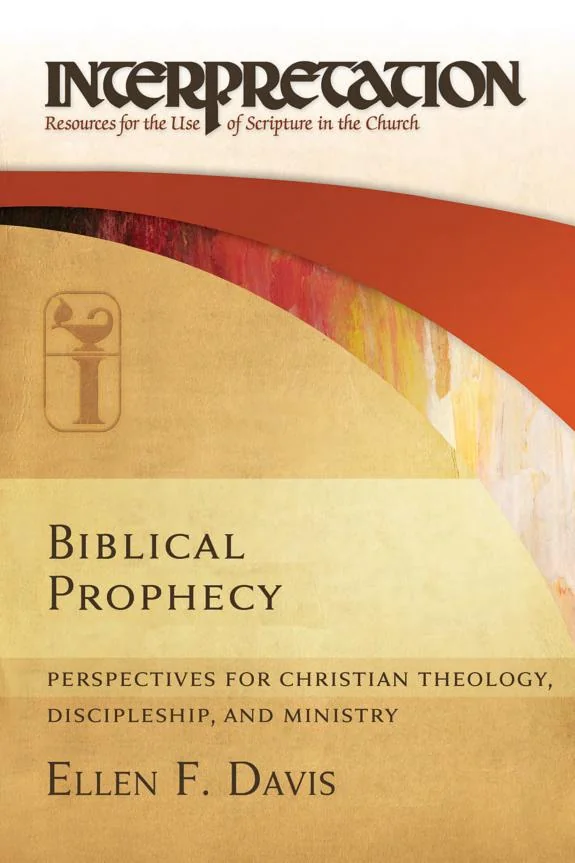
Ellen F. Davis’s "Biblical Prophecy" presents a commendably structured theological exegesis, a welcome antidote to overly devotional or sensationalized interpretations of prophetic texts. Her delineation of five essential features of the prophetic role, followed by an examination of seven representations, provides a robust analytical framework. The section meticulously detailing the prophet as a covenantal mediator, particularly in relation to the Abrahamic and Mosaic covenants, offers significant theological depth. However, the book's strictly theological focus, while its strength, may leave readers seeking more direct engagement with the practical or experiential dimensions of prophecy, which are only touched upon in the concluding discussion. The work ultimately serves as a solid academic foundation for understanding prophecy within Christian tradition, rather than a guide to its contemporary manifestation.
📝 Description
75
Ellen F. Davis's 2014 book examines prophetic texts within Christian scriptures.
In "Biblical Prophecy," Ellen F. Davis offers a theological analysis of prophetic texts in the Christian Bible. She identifies five characteristics that define a prophet and discusses seven archetypes of prophetic figures and their declarations. This framework helps readers understand prophecy's role in Christian theology and its impact on religious practice. The book is aimed at theological students, religious studies scholars, and committed Christians seeking an in-depth academic grasp of biblical prophecy. It appeals to those who prefer a solid theological viewpoint over a purely devotional or mystical approach. Readers interested in how prophetic interpretation has developed within Christianity and its theological foundations will find the work particularly useful.
Davis's study emerged at a time when biblical scholarship was applying source criticism and historical-critical methods, while also showing increased interest in theological readings of scripture. Unlike scholars who might have concentrated on historical criticism alone, Davis emphasizes a theological interpretation, placing prophecy within the larger Christian tradition. The book draws on centuries of Christian thought on these texts, from early Church Fathers to contemporary theologians, presenting a modern synthesis. Its 2014 publication date places it within current academic discussions.
While not explicitly Gnostic, Davis's work engages with the interpretation of sacred texts that have historically informed esoteric traditions. The focus on understanding divine messages and the role of prophets connects to broader streams of thought concerned with revealed knowledge and spiritual insight. The book's systematic approach to identifying prophetic characteristics and archetypes can inform readers interested in how spiritual authority and divine communication are conceptualized within religious frameworks that also touch upon esoteric interpretations of scripture.
💡 Why Read This Book?
• Gain a foundational understanding of the five essential features defining the prophetic role, as systematically outlined by Davis, moving beyond common misconceptions about foretelling. • Grasp the theological significance of seven distinct representations of prophets, enabling a nuanced appreciation for their varied functions and messages within Christian scripture. • Understand prophecy within its specific historical and covenantal context, as detailed in the book's thorough theological examination, to appreciate its original intent and enduring relevance.
⭐ Reader Reviews
Honest opinions from readers who have explored this book.
❓ Frequently Asked Questions
What is the primary focus of Ellen F. Davis's "Biblical Prophecy"?
The book's primary focus is a comprehensive theological interpretation of the prophetic role and word within Christian scriptures. It outlines key features of prophets and examines their diverse representations.
When was Ellen F. Davis's "Biblical Prophecy" first published?
Ellen F. Davis's "Biblical Prophecy" was first published in 2014, positioning it within contemporary theological scholarship.
Does the book discuss specific prophetic figures from the Bible?
Yes, the book systematically examines seven representations of prophets and prophecies, which implicitly involves discussions of various biblical prophetic figures and their messages.
Is "Biblical Prophecy" suitable for beginners in theological studies?
While thoroughly theological, its structured approach and clear outlining of concepts make it accessible to serious students of theology or religious studies, though prior familiarity with Christian scriptures is beneficial.
What distinguishes this book from other works on biblical prophecy?
Its strength lies in its systematic theological framework, carefully outlining five essential features and seven representations of prophets, offering instruction and insight grounded in Christian tradition.
Does the book cover the practical application of prophecy?
The book concludes with a discussion of practical aspects, but its core emphasis is on theological instruction and insight into understanding prophecy within Christian tradition and discipleship.
🔮 Key Themes & Symbolism
The Prophet as Covenant Mediator
Davis emphasizes the prophet's a central role in upholding and interpreting the covenant between God and Israel. This involves not merely predicting future events, but calling the people back to their covenantal obligations, often acting as a divine prosecutor or advocate. The examination of seven representations of prophets highlights figures who functioned as vital links in this covenantal relationship, ensuring divine will was understood and, hopefully, heeded by the community.
Structure of Prophetic Utterance
The work meticulously outlines five essential features that characterize the prophetic role. This structural analysis moves beyond a monolithic understanding of prophecy, allowing for a nuanced appreciation of its diverse forms and functions. By systematically examining these features, Davis provides tools for understanding the theological weight and intent behind prophetic declarations, whether they function as judgment, promise, or instruction within the scriptural narrative.
Theological Framework for Prophecy
Unlike purely historical-critical approaches, Davis grounds her analysis firmly within Christian theology. The book serves as instruction and insight for understanding prophecy not in isolation, but as integral to the unfolding of God's plan within Christian tradition. This theological lens shapes the interpretation of prophetic texts, focusing on their contribution to discipleship and the broader narrative of salvation history.
Representations of Prophets
A significant portion of the book is dedicated to systematically examining seven distinct representations of prophets and their prophecies. This comparative approach reveals the varied ways prophets operated—from solitary seers to public spokespersons—and the different types of messages they delivered. Understanding these representations allows for a richer comprehension of the complexity and dynamism inherent in the biblical prophetic tradition.
💬 Memorable Quotes
Direct passages from the work, attributed to the author.
“Davis outlines five essential features of the prophetic role.”
— This indicates the book's systematic approach, breaking down a complex theological concept into manageable, analytical components for clearer understanding.
“The volume systematically examines seven representations of prophets and prophecies.”
— This highlights the structured methodology used to explore the diverse manifestations and functions of prophetic figures and their utterances throughout scripture.
“The work provides both instruction and insight for understanding prophecy in Christian tradition.”
— This suggests the book aims to educate readers on the theological underpinnings of prophecy while offering deeper comprehension applicable to Christian faith and practice.
“Thoroughly theological, Davis's volume offers a comprehensive interpretation.”
— This emphasizes the book's academic rigor and its focus on the theological significance of prophecy, distinguishing it from devotional or purely historical accounts.
“The book concludes with a rich discussion of practical aspects.”
— This points to an attempt to bridge theological understanding with its application, offering readers a pathway to consider the relevance of prophecy beyond academic study.
🌙 Esoteric Significance
Tradition
While "Biblical Prophecy" is firmly rooted in academic Christian theology, its systematic examination of prophetic roles and symbolic language can resonate with esoteric traditions that seek deeper, symbolic interpretations of scripture. It departs from purely literal readings often found in some esoteric circles by emphasizing theological context, yet its structured analysis of divine communication aligns with traditions like Hermeticism or Kabbalah in their pursuit of hidden meanings within sacred texts.
Symbolism
Though the blurb doesn't detail specific symbols, a theological study of prophecy inherently engages with symbolic language. Concepts like the 'covenant' itself can be seen as a symbolic representation of divine commitment and human responsibility. The 'prophetic word' can symbolize divine inspiration and truth. Furthermore, the diverse 'representations of prophets' likely carry symbolic weight, embodying different facets of divine interaction with humanity, which esoteric practitioners often explore.
Modern Relevance
Contemporary thinkers and practitioners within various spiritual and theological disciplines who are interested in the function of divine communication, the ethics of prophetic utterance, and the role of inspired critique in society can draw from Davis's work. This includes theological seminaries, comparative religion scholars, and even certain contemplative Christian communities seeking to understand the historical and theological basis of prophetic ministry and its implications for contemporary faith.
👥 Who Should Read This Book
• Students of Christian Theology: Those pursuing formal theological education will benefit from the book's structured, academic approach to understanding biblical prophecy. • Scholars of Religious Studies: Researchers seeking to analyze the theological and historical development of prophetic interpretation within Christianity will find Davis's systematic examination valuable. • Devoted Disciples of Christ: Individuals committed to a deeper, intellectual understanding of scripture and its implications for faith and practice will gain significant insight.
📜 Historical Context
Ellen F. Davis's "Biblical Prophecy," published in 2014, entered a scholarly field with established traditions of biblical interpretation. The historical-critical method, prevalent since the 19th century, had thoroughly analyzed prophetic texts for their historical settings and literary sources. Competing with this was the ongoing work in theological exegesis, which sought to understand scripture's meaning for faith and doctrine. Davis's approach aligns with the latter, offering a systematic theological framework that builds upon centuries of Christian interpretive history. While not explicitly engaging with a specific contemporary critic in its blurb, the book's publication date places it within ongoing academic discourse on biblical hermeneutics and prophetic theology, a field that has seen continuous engagement from scholars like Walter Brueggemann, whose work often explores the social and theological dimensions of prophecy.
📔 Journal Prompts
The five essential features of the prophetic role: Which feature do you find most challenging to reconcile with modern societal expectations?
Seven representations of prophets: How does the archetype of the prophet as a covenant mediator inform your understanding of spiritual leadership today?
The concept of prophetic utterance: Reflect on a time when a message, though difficult, ultimately served a constructive purpose.
Prophecy within Christian tradition: Consider how the theological framework presented might shape your personal interpretation of scriptural texts.
Practical aspects of prophecy: Explore the balance between divine insight and human discernment in understanding spiritual guidance.
🗂️ Glossary
Prophetic Role
The many-sided function of individuals in the Bible understood to speak on behalf of God, involving divine communication, interpretation of God's will, and often social or ethical critique.
Prophetic Word
The message or utterance delivered by a prophet, understood as divinely inspired and carrying significant theological weight and implications for the audience.
Christian Scriptures
The collection of sacred texts accepted as authoritative within Christianity, primarily comprising the Old and New Testaments, including the prophetic books.
Theological Interpretation
An approach to understanding religious texts that focuses on their meaning and significance within a specific religious doctrine or belief system, emphasizing God's action and will.
Covenant
A solemn agreement or promise, particularly between God and humanity in the Bible, establishing a relationship with specific obligations and blessings.
Discipleship
The process of following Jesus Christ, involving learning his teachings, imitating his life, and actively participating in his mission.
Eschatology
The theological study of final events in history, or the ultimate destiny of humanity and the world, often informed by prophetic texts.
This book appears in 1 collection
🔮 Readers Also Liked
Browse all →








From the “Biblical Prophecy” Collection
View all →






More Free Sacred Texts & Gnosticism Books
View all →